2026 Activewear Fashion Trends: What Brands Need to Know
- Share
- Issue Time
- Jun 30,2026
Summary
The activewear industry is undergoing a profound transformation, moving beyond mere performance wear to become a holistic lifestyle category driven by evolving consumer demands.
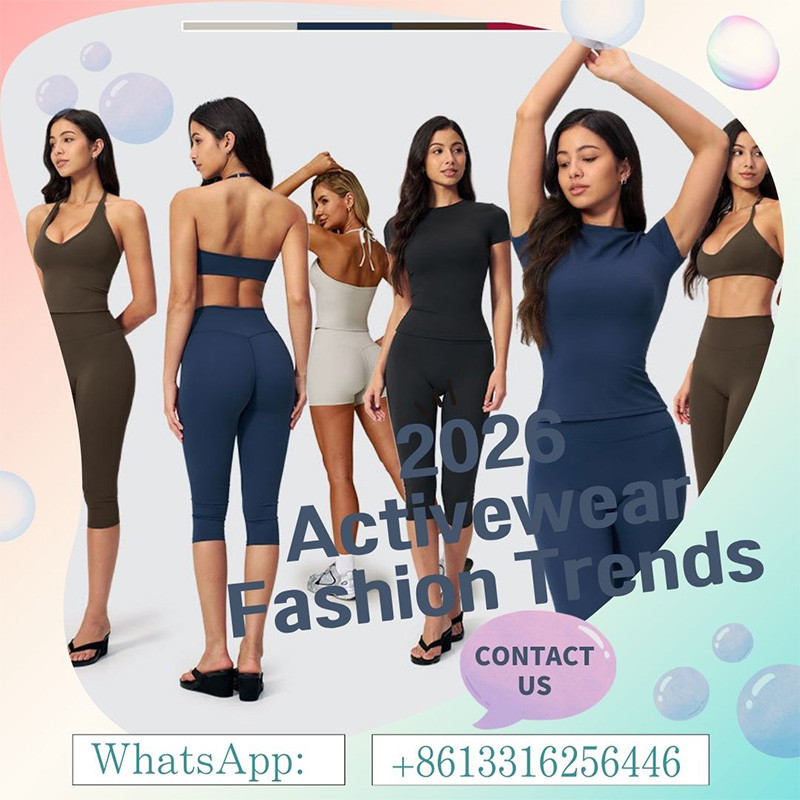
The activewear industry is a dynamic landscape, constantly evolving with new consumer demands and innovations, making adaptation crucial for brands. The global activewear market, valued at hundreds of newillions and projected to continue its robust growth, is no longer just about clothing for the gym. It has transformed into a dominant force in everyday fashion, fueled by a profound cultural shift towards lifestyles that prioritize health, comfort, and versatility. This guide explores the pivotal activewear fashion trends for 2026, offering essential insights into consumer behavior, design innovation, and strategic branding to help your business navigate the future and achieve sustainable success.
Evolving Consumer Expectations: Driving 2026 Activewear Industry Trends
To succeed in 2026, brands must first understand the fundamental shifts in consumer mindset. The modern activewear purchaser is driven by a complex set of needs that extend far beyond the technical aspects of performance apparel. They seek a seamless blend of function, style, and values, forcing brands to transition from a narrow sportswear identity to a more holistic lifestyle identity.
Athleisure as a Lifestyle Imperative:
The line between workout clothes and daily wear has effectively dissolved. For Millennials and Gen X, in particular, athleisure is not a fleeting trend but a core component of their wardrobe and identity. This is a generation that values efficiency, comfort, and clothing that can keep up with their fluid schedules, moving from a remote work call to a yoga class and then to a coffee meeting without a full wardrobe change.
Comfort, style, and community define everyday wear for Millennials and Gen X, extending beyond mere fitness.
The data is clear: consumers are demanding apparel that is versatile, sustainable, and personal. The concept of "workleisure" has become the new standard, where the comfort and functionality of activewear merge with the polish of office attire. This shift means brands must design products that support a wide range of activities, including exercise, work, travel, and social life. The goal is to create a lifestyle system connected to movement, wellness, and confidence. Furthermore, the sense of community has become a powerful purchasing driver. Consumers are drawn to brands that reflect their values and foster a sense of belonging, whether through local fitness events, online challenges, or influencer collaborations that showcase a genuine, aspirational lifestyle.
Luxury and Sustainability Demands:
As the market matures, consumer discernment grows. The focus is shifting from fast-fashion-inspired activewear to investment pieces that offer long-term value. This trend manifests in two key areas: the rise of "quiet luxury" and a non-negotiable demand for ethical production.
Quality, durability, understated style (quiet luxury), and ethical manufacturing are paramount for discerning consumers.
"Quiet luxury" in activewear is characterized by premium materials, impeccable construction, minimalist branding, and timeless silhouettes. Consumers are increasingly willing to pay more for high-quality garments that are durable and retain their shape and performance after repeated use and washing. This aligns with a broader push for sustainability; buying fewer, better things is seen as an eco-conscious choice.
Simultaneously, transparency in the supply chain is becoming a critical factor. Consumers want to know where their clothes come from, who made them, and what environmental impact they have. Brands must prioritize ethical manufacturing and sustainable materials, such as recycled polyester (rPET) or organic cotton, and obtain certifications like GOTS or OEKO-TEX to build trust and prove their commitment. This focus on circularity and mindful sourcing is not just a trend but a fundamental expectation for the modern, conscious consumer.
Design Innovations: Key Activewear Fashion Trends 2026
With consumer expectations setting a new foundation, design innovation becomes the visual and functional expression of these values. For 2026, trends are pointing towards a blend of nostalgic aesthetics and futuristic fabric technology, creating a dynamic and exciting landscape for product development.
Aesthetic and Silhouette Shifts:
The look and feel of activewear in 2026 will be a conversation between past and present. We're seeing a move away from uniform, ultra-tight compression wear towards more expressive and varied silhouettes that prioritize both style and comfort.
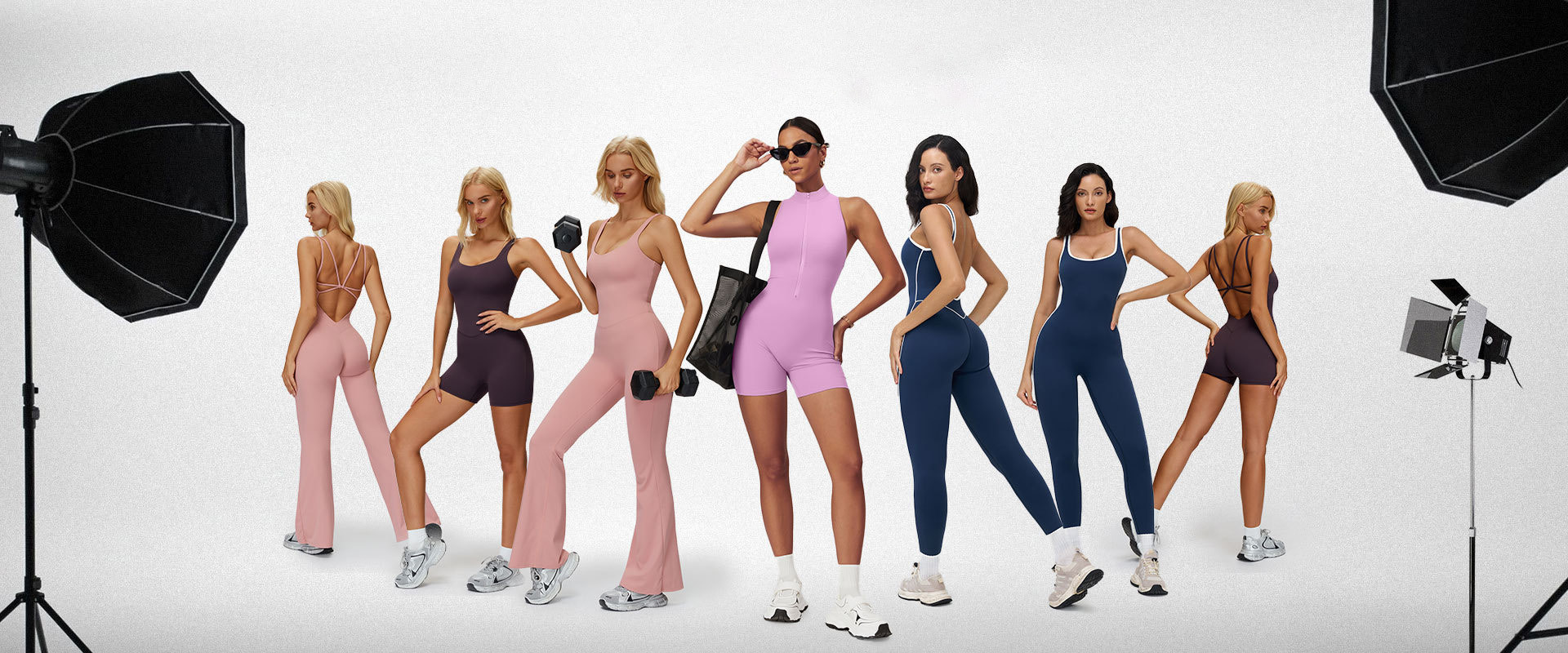
Retro lines, bold reds, strategic layering, wide-leg track pants, and streamlined onesies are trending. Our brand, AOLAFREE, integrates these for modern wearability.
Get ready for a revival of retro sportswear aesthetics, with influences from the '70s and '90s making a strong comeback. This includes design elements like contrast piping, blocky color panels, and classic Americana tones of red, white, and navy. Red, in particular, is emerging as a key power color, bringing a jolt of energy and confidence to activewear collections.
Layering is becoming a central styling concept, with pieces like built-in shelf bra tops, longline sports bras, and cropped jackets designed to be worn together to create a complete, studio-to-street look. Silhouettes are also relaxing; the skinny legging is making way for versatile options like wide-leg track pants and flared yoga pants, which offer greater comfort and a more fashion-forward feel. At the other end of the spectrum, streamlined and figure-hugging onesies and bodysuits offer a sleek, minimalist option that works for both performance and as a base layer. As a brand that champions cutting-edge design, AOLAFREE is already exploring how to integrate these diverse silhouettes into collections that serve the modern consumer's multifaceted life.
The Future of Functional Fabrics:
While aesthetics capture the eye, the feel and performance of the fabric remain the heart of great activewear. Innovation in textiles is accelerating, with a focus on creating "smart" fabrics that enhance the user's experience in subtle but powerful ways.
Breathability, thermal regulation, engineered zones, and subtly integrated wearable tech enhance performance and user experience.
The future of fabric is intelligent. We are moving beyond basic moisture-wicking and 4-way stretch to more sophisticated technologies. Manufacturers are developing textiles with advanced thermal regulation that adapts to body temperature, keeping you cool during intense activity and warm during cooldowns. "Engineered zones" are another key innovation, where a single piece of fabric is woven with different properties—for example, more breathability in high-sweat areas like the back and underarms, and more compression around key muscle groups.
Looking further ahead, the integration of wearable technology directly into fabrics is becoming a reality. This isn't about clunky gadgets, but seamless sensors that can track biometric data, monitor posture, or even measure hydration levels, providing valuable feedback to the user without sacrificing comfort or style. For brands, partnering with a manufacturer that has expertise in these advanced materials is crucial for creating products that are truly innovative and deliver a tangible performance benefit.
| Fabric Innovation | Benefit to User | Brand Application |
|---|---|---|
| Adaptive Thermal Regulation | Maintains optimal body temperature during varied activity levels. | All-season running gear, outdoor apparel. |
| Engineered Compression Zones | Provides targeted muscle support, improving blood flow and recovery. | High-intensity training tights, performance tops. |
| Bio-Sensing Fibers | Tracks heart rate, breathing, and muscle exertion without a separate device. | Next-generation yoga and performance wear. |
| Anti-Odor & Anti-Bacterial Tech | Keeps garments fresher for longer, requiring less washing. | Everyday athleisure, travel-friendly apparel. |
Marketing & Engagement Strategies: Navigating Fitness Apparel Trends
In a saturated market, a great product is only half the battle. Cutting through the noise requires sophisticated, authentic, and platform-specific marketing strategies that build community and foster genuine connection. Hard-sell tactics are out; storytelling and value-driven engagement are in.
Platform-Specific Digital Outreach:
The digital landscape is not a monolith. Each social media platform has its own culture, audience, and content format, requiring brands to tailor their approach for maximum impact. A one-size-fits-all strategy will fail to resonate in the nuanced world of social commerce.
Tailored content for TikTok, Instagram, and Xiaohongshu, leveraging short-form video, influencers, and community-driven challenges, is crucial.
Brands must become fluent in the language of each platform. TikTok is the home of authenticity, raw energy, and viral trends; it's ideal for short-form video challenges, behind-the-scenes content, and showcasing products in a fun, relatable way. Instagram remains the go-to for aesthetic, visually-driven storytelling, perfect for high-quality imagery, influencer lookbooks, and shoppable posts. For brands targeting the Chinese market, Xiaohongshu (Little Red Book) is an essential platform that combines social sharing with user-generated reviews and e-commerce.
Leveraging influencers continues to be a powerful strategy, but the focus has shifted towards authenticity. Collaborating with micro-influencers who have a genuine connection with their niche audience can often yield a higher ROI than a single post from a mega-celebrity. The key is to build real relationships and create content that provides value, whether it’s a workout tutorial, styling tips, or a story about personal growth.
The Power of Strategic Collaborations:
Partnerships are a potent tool for expanding reach, generating excitement, and reinforcing brand identity. The most successful collaborations happen when two brands with complementary audiences and values come together to create something new and desirable.
Luxury-activewear partnerships are highly desired, bridging audiences and reflecting tool-style fashion trends. AOLAFREE champions authentic lifestyle storytelling.
One of the most exciting areas for collaboration is the intersection of luxury fashion and activewear. These partnerships create a halo effect, elevating the activewear brand while making the luxury brand feel more accessible and modern. This reflects a broader "tool-style" or utilitarian fashion trend, where functionality and high-end design merge.
However, collaborations don't have to be with a global luxury house to be effective. Partnering with a popular boutique fitness studio, a wellness retreat, or even a like-minded artist can create authentic connections and build community. The goal is to tell a compelling story that goes beyond the product itself. This is where a brand's unique philosophy, such as the authentic lifestyle storytelling championed by AOLAFREE, becomes a key differentiator. By showcasing how the apparel fits into a real, aspirational life, brands can create a powerful emotional connection. Understanding these collaborative Trends Style is essential for modern brand-building.
Operational Excellence: Manufacturing and Trend Adoption in the 2026 Activewear Industry
A visionary design and a clever marketing campaign can easily be undermined by poor operational execution. To deliver on the promise of quality, sustainability, and innovation, brands must forge strong partnerships with manufacturers who possess deep technical expertise and a commitment to ethical practices.
Prioritizing Quality Manufacturing:
As consumers demand more from their activewear in terms of longevity and performance, the margin for error in production shrinks. Technical fabrics require specialized knowledge and machinery to handle correctly, and a focus on quality control is non-negotiable.
Technical expertise in performance fabrics (e.g., 4-way stretch, moisture-wicking) and ethical production practices are vital for product integrity.
Manufacturing high-performance activewear is a science. Handling fabrics with 4-way stretch, applying durable moisture-wicking finishes, or constructing seamless garments requires a high level of technical skill. Inconsistencies in production can lead to garments that lose their shape, chafe the skin, or fail to perform as advertised. Therefore, investing in quality manufacturing is a direct investment in brand reputation and customer loyalty.
Furthermore, ethical production is now a cornerstone of operational excellence. Brands are responsible for ensuring their supply chain is transparent and that their partners adhere to fair labor practices and environmental standards. This not only mitigates risk but also strengthens the brand's story and aligns with the values of the modern, conscious consumer.
Smart Trend Identification and Integration:
The pace of fashion is relentless, but not every trend is right for every brand. The most successful companies are those that can intelligently filter trends through the lens of their own brand identity, maintaining a core collection while selectively innovating.
Understanding the 'why' behind activewear fashion trends 2026 and using a 70/30 product rule helps maintain brand identity and foster innovation, as exemplified by AOLAFREE.
Rather than blindly chasing every new color or silhouette, smart brands seek to understand the why behind a trend. For example, the rise of wide-leg pants isn't just an aesthetic whim; it's driven by a deeper consumer desire for comfort and versatility. By understanding this motivation, a brand can interpret the trend in a way that feels authentic to its own DNA.
A practical approach is the 70/30 product rule. This involves dedicating 70% of the collection to core, evergreen products that define the brand and have consistent sell-through, while the remaining 30% is used to experiment with new trends, fabrics, and collaborations. This balanced strategy ensures the brand stays relevant and exciting without alienating its loyal customer base or losing its identity. For entrepreneurs looking to navigate this landscape, now is the time to Start Your Brands with a clear, strategic vision.
Key Takeaways
The 2026 activewear market is defined by a fundamental shift from performance-only apparel to a holistic lifestyle category. To thrive, brands must pivot their entire strategy around the modern consumer's demand for versatility, comfort, sustainability, and authentic connection.
Athleisure is the New Standard: The most significant driver of the market is the total integration of activewear into daily life. Consumers expect garments that seamlessly transition from workouts to work and socializing. This "workleisure" or "studio-to-street" model means brands can no longer design in a vacuum; they must create a cohesive system of apparel that supports a fluid, active lifestyle.
Values Drive Purchases: Consumers are making more considered choices, prioritizing quality over quantity. The "quiet luxury" trend emphasizes durable materials, timeless design, and understated branding. This is intrinsically linked to sustainability, as shoppers demand transparency and ethical production practices. Brands that can prove their commitment to eco-friendly materials and fair labor will build deeper trust and loyalty.
Design is a Blend of Nostalgia and Futurism: Aesthetically, 2026 will see a mix of retro-inspired silhouettes (like wide-leg pants and layered tops) and bold, energetic colors. This is complemented by significant advances in fabric technology. Innovations like thermal regulation, engineered compression zones, and integrated smart sensors are moving from niche concepts to mainstream expectations, enhancing user experience and performance.
Community and Content are King: In a crowded digital space, marketing success hinges on building an authentic community. This requires a platform-specific strategy that leverages the unique strengths of channels like TikTok and Instagram. Authentic influencer partnerships and strategic collaborations—especially those that bridge activewear with luxury or wellness—are key to expanding reach and telling a compelling brand story that resonates emotionally with consumers.
Operational Excellence is the Foundation: A great brand vision is meaningless without strong execution. Success in 2026 requires partnering with manufacturers who have deep technical expertise in performance fabrics and a proven commitment to ethical production. Furthermore, brands must be strategic about trend adoption, using frameworks like the 70/30 rule to balance core identity with innovation and ensure long-term relevance and profitability.
Frequently Asked Questions (FAQ)
1. What is the most significant change for activewear brands to address in 2026? The most significant change is the complete shift from being a "sportswear brand" to a "lifestyle brand." Previously, the primary focus was on technical performance for a specific sport or activity. Now, success depends on creating versatile apparel systems that cater to a consumer's entire day—from exercise and errands to work and social events. This requires a deeper understanding of consumer behavior beyond the gym, focusing on comfort, multi-functionality, and style that integrates seamlessly into a daily wardrobe. Brands must adapt their product design, marketing language, and community-building efforts to reflect this holistic, lifestyle-driven approach.
2. How can smaller or new activewear brands compete with established giants? Smaller brands can compete effectively by focusing on niche markets, hyper-community building, and agility. While large brands cater to the mass market, challenger brands can thrive by serving a specific audience with unique needs—for example, focusing on a particular sport like pickleball, offering exceptionally inclusive sizing, or dedicating their entire line to a specific sustainability mission. Customization and low MOQ (Minimum Order Quantity) production options also allow new brands to test the market and offer personalized products. By leveraging social media to foster a tight-knit community and telling a powerful, authentic story, smaller brands can build a loyal following that values their unique perspective and specialized offerings.
3. What does "quiet luxury" mean in the context of activewear? "Quiet luxury" in activewear refers to a focus on high-quality materials, impeccable craftsmanship, and minimalist design over conspicuous logos and flashy trends. It's about creating premium, timeless pieces that are durable and perform exceptionally well but don't scream for attention. Consumers who subscribe to this trend prefer subtle branding, sophisticated neutral and earthy color palettes, and a perfect fit. They are investing in garments that will last for years, both in terms of style and physical durability. For brands, this means prioritizing fabric quality, construction details like seamless stitching and clean finishes, and a brand identity that communicates sophistication and lasting value.
4. Is sustainability just a marketing buzzword, or is it essential for 2026? Sustainability is absolutely essential and no longer just a buzzword. The 2026 consumer is more educated and ethically conscious than ever before. They actively seek out brands that use recycled materials (like rPET), organic fabrics, and eco-friendly production processes. Transparency is key; brands are expected to provide information about their supply chain and back up their claims with recognized certifications (e.g., GRS, GOTS, OEKO-TEX). Adopting a sustainable model, like production-on-demand to reduce waste, is a powerful differentiator. Brands that fail to prioritize and communicate their sustainability efforts risk being seen as outdated and will likely lose out to competitors who have made it a core part of their business model.
5. How important is technology in the future of activewear? Technology is critically important and will be a major driver of innovation. This manifests in two primary areas: fabric technology and business operations. In fabrics, we're seeing the rise of "smart textiles" with features like thermal regulation, integrated health sensors, and advanced moisture management that go far beyond basic performance. In operations, technologies like AI are being used for trend forecasting, AI-driven design, and optimizing supply chains. 3D design and virtual prototyping are also becoming standard, allowing brands to develop better-fitting products faster and with less waste. For a brand to stay competitive, embracing these technological advancements is not an option but a necessity.
The 2026 activewear market is a complex arena, favoring agile and authentic brands that are deeply attuned to consumer values and technological innovation. It’s a landscape where style must serve a purpose, quality is paramount, and community is the ultimate currency. By strategically embracing the activewear fashion trends of 2026, prioritizing high-quality and ethical manufacturing, and dedicating resources to fostering a genuine community, brands can not only navigate the challenges ahead but also achieve sustainable growth and position themselves as leaders in this dynamic industry.