Activewear Fashion Trends for 2026: What Brands Need to Know
- Share
- publisher
- qiu
- Issue Time
- Aug 1,2026
Summary
Explore the top activewear fashion trends for 2026, including seamless textures, quiet performance, versatile silhouettes, technical fabrics and sustainable design.
Activewear Fashion Trends for 2026: What Brands Need to Know
Activewear in 2026 is no longer defined only by what people wear to the gym.
Consumers now expect activewear to move comfortably between yoga classes, strength training, travel, commuting, casual work environments and everyday social activities. As a result, successful activewear collections must balance performance, comfort, versatility and visual identity.
The commercial opportunity remains significant. Fortune Business Insights estimates that the global activewear market will reach approximately USD 373.07 billion in 2026, while women’s activewear is expected to remain the largest consumer segment. North America continues to be one of the most important markets for performance and athleisure products.
However, market growth also brings more competition.
Launching another basic pair of leggings or a standard sports bra is no longer enough. Brands need to understand how consumers’ expectations are changing and translate those expectations into fabrics, silhouettes, color systems and product functions that feel relevant.
Based on current textile forecasts, fashion developments and our experience supporting private label activewear projects, these are the most important activewear fashion trends shaping 2026.
1. Quiet Performance Is Replacing Loud Activewear
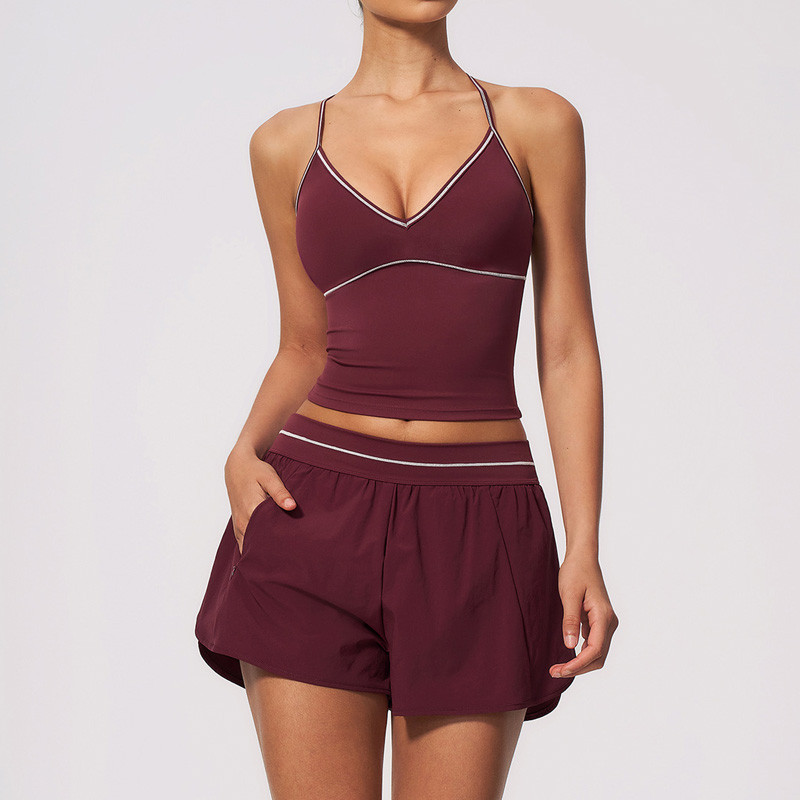
One of the strongest activewear trends for 2026 is the movement toward what can be described as quiet performance.
Instead of oversized logos, complicated panels and excessive decorative details, many consumers are choosing cleaner activewear with:
Refined silhouettes
Minimal external branding
Tonal stitching
Smooth technical fabrics
Carefully controlled seam placement
Subtle functional details
Hyosung’s Fall/Winter 2026–27 textile forecast identifies “quiet outdoor” and “refined athluxe” as important directions. These trends emphasize understated technical clothing that can transition between urban, travel, fitness and outdoor environments.
This does not mean activewear is becoming visually boring.
Instead, the value is moving into details that consumers can see and feel: a better neckline, cleaner waist construction, more flattering seam positioning, a premium matte surface or a fabric that retains its shape after repeated wear.
For activewear brands, this trend creates an opportunity to build a recognizable identity without covering every garment in large logos.
A consistent silhouette, signature waistband, unique back design or carefully developed color palette can become more valuable than obvious branding.
2. Activewear Is Being Designed for the Entire Day
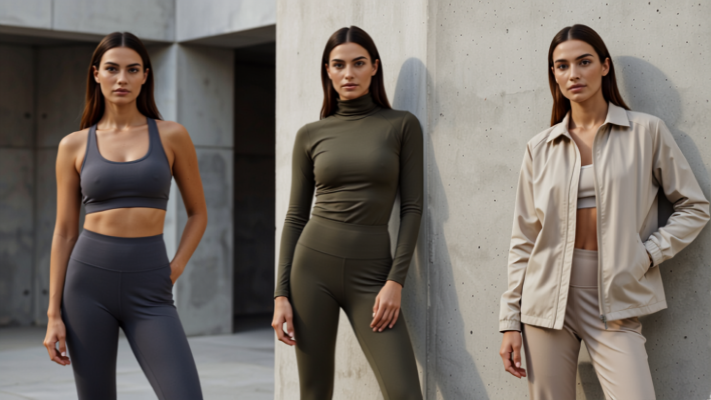
The division between performance clothing and everyday clothing continues to disappear.
In 2026, consumers are not simply asking whether a garment works during a workout. They are also asking:
Can I wear it while travelling?
Is it comfortable for several hours?
Can I style it outside the gym?
Does it work with a jacket, shirt or casual footwear?
Will it still feel comfortable after sitting, walking and exercising?
Fabric specialists have observed that activewear is increasingly being evaluated for commuting, work, casual social settings and long periods of low-intensity movement—not just short workout sessions.
This is why gym-to-street activewear remains important, but the concept is becoming more sophisticated.
A successful 2026 collection may combine:
A supportive sports bra or tank
Sculpting leggings
A lightweight zip jacket
A relaxed straight-leg pant
A fitted long-sleeve layer
A soft cropped sweatshirt
A versatile tennis or exercise dress
The best collections allow consumers to build several outfits from a relatively small number of coordinated products.
For brands, this improves cross-selling opportunities. Instead of selling one isolated product, a brand can create a complete activewear system built around the same fabrics, colors and lifestyle.
3. Seamless Activewear Is Becoming More Engineered
Seamless activewear remains an important category in 2026, but the market is moving beyond basic ribbed leggings and matching sports bras.
The next generation of seamless design uses engineered knitting to create visual and functional zones within the garment.
These may include:
Targeted rib structures
Breathable knitted zones
Contoured body mapping
Compression variation
Textured side panels
Reinforced waistbands
Strategically placed stretch zones
Subtle contour lines
The objective is not simply to eliminate side seams. The objective is to use knitting structure to improve fit, movement and product differentiation.
From a commercial perspective, engineered seamless products are difficult to develop successfully without experienced technicians. Small changes in yarn, knitting tension, garment dimensions or heat-setting can significantly affect fit.
AOLAFREE supports seamless activewear development through Santoni seamless knitting equipment, along with fabric, pattern, sample and product-development services. The company’s manufacturing information lists 40 Santoni machines alongside CAD pattern development, sampling and quality-control capabilities.
For brands planning a seamless activewear collection, the priority should be a wearable fit and stable sizing—not adding as many contour lines as possible.
The most premium-looking seamless products often combine simple visual design with carefully controlled shaping.
4. Wear Experience Matters More Than Long Feature Lists
For many years, activewear marketing focused on adding as many performance claims as possible:
“Quick dry.”
“Four-way stretch.”
“Breathable.”
“Cooling.”
“Compression.”
“Anti-odor.”
These functions are still important, but consumers increasingly judge a garment by whether they can actually feel the benefit.
A fabric may be described as moisture-wicking, but does it remain comfortable after a long workout? A pair of leggings may stretch significantly, but does the fabric recover after repeated squatting and washing? A sports bra may provide support, but does it create uncomfortable pressure around the underband?
Industry fabric observations for 2026 indicate a shift from “feature stacking” toward wear-experience-driven material development. Comfort during extended wear, moisture management, thermal stability and reduced need for adjustment are becoming more important than technical claims viewed in isolation.
This means brands should evaluate activewear fabrics through real product testing, including:
Stretch and recovery testing
Squat and opacity testing
Repeated wash testing
Pilling and abrasion testing
Moisture and drying performance
Waistband rolling
Seam comfort
Colorfastness
Long-duration wear
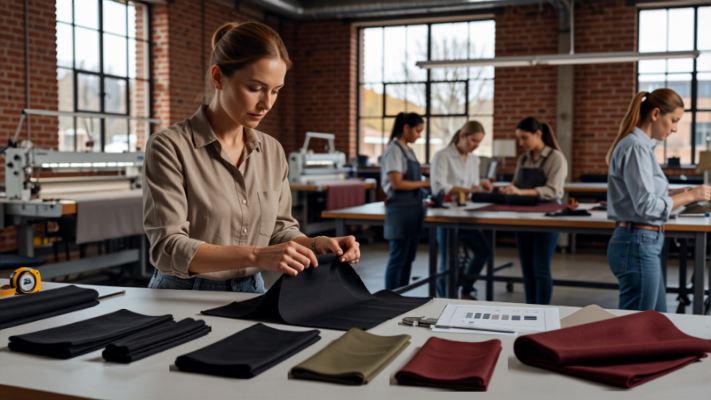
At AOLAFREE, fabric selection is matched to the product’s intended activity rather than applying one fabric to an entire collection. Different requirements may be necessary for yoga, Pilates, running, gym training, tennis and everyday athleisure.
That process helps brands create activewear whose benefits can be experienced—not merely listed on a product page.
5. Sculpting Is Becoming Softer and More Natural
Body-contouring activewear remains commercially important, particularly in leggings, shorts, jumpsuits and fitted one-piece garments.
However, aggressive compression and exaggerated shaping are becoming less universally appealing.
In 2026, many consumers are looking for activewear that creates a supported, smooth appearance without feeling overly restrictive.
This is leading to softer forms of sculpting through:
Curved seam placement
Wider waistbands
Moderate compression
V-shaped back waist details
Contoured rib structures
Fabric density changes
Gusset and panel construction
Better pattern balance
The objective is to support the body’s natural shape rather than visually redesigning it through extreme construction.
This trend also reflects a wider expectation for comfort. A sculpting legging that looks impressive in a product photograph but rolls down, creates pressure or restricts movement will struggle to generate repeat purchases.
Brands should therefore treat shaping as a combination of fabric recovery, pattern making and seam engineering.
It should not depend on one decorative seam alone.
6. Relaxed Activewear Silhouettes Are Expanding
Leggings will remain a core activewear category, but they are no longer the only important bottom silhouette.
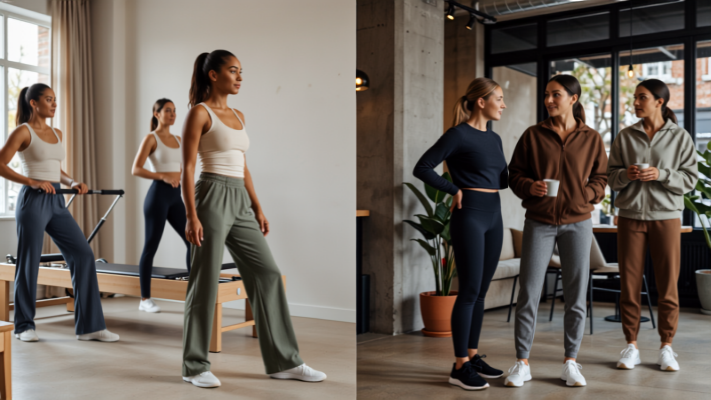
Relaxed and hybrid shapes are becoming increasingly visible, especially for Pilates, yoga, travel, recovery and everyday athleisure.
Important silhouettes include:
Straight-leg yoga pants
Flared leggings
Fold-over waist pants
Wide-leg performance trousers
Cropped wide-leg pants
Relaxed joggers
Lightweight woven pants
Long active skirts
Capri and mid-calf lengths
Recent fashion coverage has highlighted the return of gaucho-style cropped wide-leg pants for yoga, Pilates, dance, travel and casual wear.
These products offer activewear brands an important advantage: they can attract customers who want comfort and movement but do not always want a tight-fitting legging.
The key manufacturing challenge is selecting the correct fabric.
A relaxed activewear pant requires enough drape to move naturally, but it must also resist bagging at the knees and seat. Depending on the intended use, suitable options may include soft interlock, modal blends, nylon-spandex jersey, lightweight woven fabrics or brushed performance materials.
Brands should not simply enlarge an existing legging pattern. Relaxed activewear requires its own rise, hip, crotch, waistband and hem development.
How Brands Should Use the 2026 Activewear Trends
Understanding trends is only the beginning. The more difficult task is deciding which trends belong in your collection.
Not every trend is suitable for every activewear brand.
A Pilates-focused brand may prioritize soft fabrics, muted colors and relaxed layering pieces. A strength-training brand may need stronger compression, durable fabrics and secure waist construction. A tennis lifestyle brand may focus on dresses, skirts, built-in shorts and coordinated jackets.
Before creating a collection, define four elements clearly.
1. The consumer
Specify the customer’s age range, target price, preferred activity, climate, lifestyle and purchasing motivation.
2. The primary wearing scenario
Avoid designing one product for every activity. Define whether the garment is primarily intended for yoga, Pilates, running, gym training, tennis, travel or everyday wear.
3. The core commercial product
A collection should usually have one or two products that can generate repeat sales, such as a signature legging, sports bra, yoga set or active dress.
4. The trend element
Use trends to update the collection without making every product highly seasonal. A new texture, neckline, color or waistband can provide freshness while the core fit remains stable.
A practical collection could allocate approximately 70% of its assortment to commercially reliable core products and 30% to new colors, fabrics, silhouettes or design experiments.
This approach can reduce development risk while still giving customers a reason to notice the new launch.
Turning Activewear Trends into Market-Ready Products
A strong trend idea can still fail if the product-development process is weak.
Before bulk production, brands should confirm:
Target measurements and size grading
Fabric composition and weight
Stretch and recovery
Required support or compression
Color standards
Logo technique
Label and packaging requirements
Sample fit
Wash performance
Bulk-production tolerances
Quality inspection standards
AOLAFREE provides private label, OEM and ODM activewear development, including fabric selection, colors, sizing, logo applications, labels and customized packaging. Its private label process covers design confirmation, pattern development, sample making, fabric inspection, shrinkage testing, cutting, sewing, quality control and shipment.
For brands that already have technical drawings, OEM development can help translate the design into a production-ready garment.
For brands that have a product idea but not a complete technical design, ODM support can help develop the silhouette, fabric and production details.
Private label options can provide a faster route for brands that want to customize existing activewear designs with their own colors, logos, labels and packaging.
AOLAFREE’s current website states that private label and customized activewear orders can begin from approximately 200 pieces, depending on the design and production requirements.
Frequently Asked Questions About 2026 Activewear Trends
What is the biggest activewear fashion trend for 2026?
The biggest overall trend is versatility. Consumers expect activewear to function during workouts while also looking appropriate for travel, commuting and everyday activities. This is encouraging cleaner design, longer-wearing comfort and coordinated gym-to-street collections.
Is seamless activewear still popular in 2026?
Yes. However, seamless activewear is becoming more technically developed. Engineered ribbing, ventilation zones, body mapping and controlled compression are becoming more important than decorative contour patterns alone.
What activewear colors are trending in 2026?
Important directions include mineral neutrals, olive and botanical greens, brown, burgundy, muted blue and carefully used bright accents. Brands should build a balanced color system rather than relying on a single trend color.
Are leggings still an important activewear product?
Yes. Leggings remain a core category, especially for yoga, Pilates, gym training and everyday athleisure. However, consumers are also showing greater interest in straight-leg pants, flared leggings, wide-leg trousers, capri lengths and relaxed activewear bottoms.
What fabrics are suitable for a 2026 activewear collection?
The best fabric depends on the wearing scenario. Nylon-spandex blends may suit soft premium leggings, while polyester-spandex can provide effective moisture management for training. Seamless nylon yarns, interlock fabrics, lightweight woven materials and recycled options may be selected according to support, weight, surface texture and durability requirements.
How can a new brand start a private label activewear collection?
Begin by defining the customer, activity, target price, core products and initial quantity. Then work with an experienced private label activewear manufacturer to select fabrics, create samples, test fit and performance, confirm branding and establish bulk-production quality standards.
Final Thoughts
The most important activewear fashion trends for 2026 are not isolated colors or temporary design details.
They reflect a broader change in what consumers expect from their clothing.
Activewear must feel comfortable for longer periods, move across different lifestyle settings, provide visible quality and deliver performance that consumers can genuinely experience.
For activewear brands, this means focusing on:
Refined, quieter design
Better fabric recovery and wear comfort
Versatile silhouettes
Engineered seamless construction
Natural sculpting
Functional details
Coordinated color systems
Verifiable sustainability claims
Brands that combine these trends with disciplined product development will be better positioned to create activewear that remains relevant beyond one season.
At AOLAFREE, we support brands through private label, OEM and ODM activewear manufacturing, from fabric and design development to sampling, branding, quality inspection and production.
Planning your next activewear collection? Contact the AOLAFREE team to discuss your design, fabric, quantity and target market.