Athleisure Activewear: What Brands Should Look for in Leggings, Tops & Everyday Essentials
- Share
- Issue Time
- Aug 31,2026
Summary
The athleisure industry has undergone a significant transformation, evolving into a dominant fashion category that seamlessly merges comfort, style, and functionality.
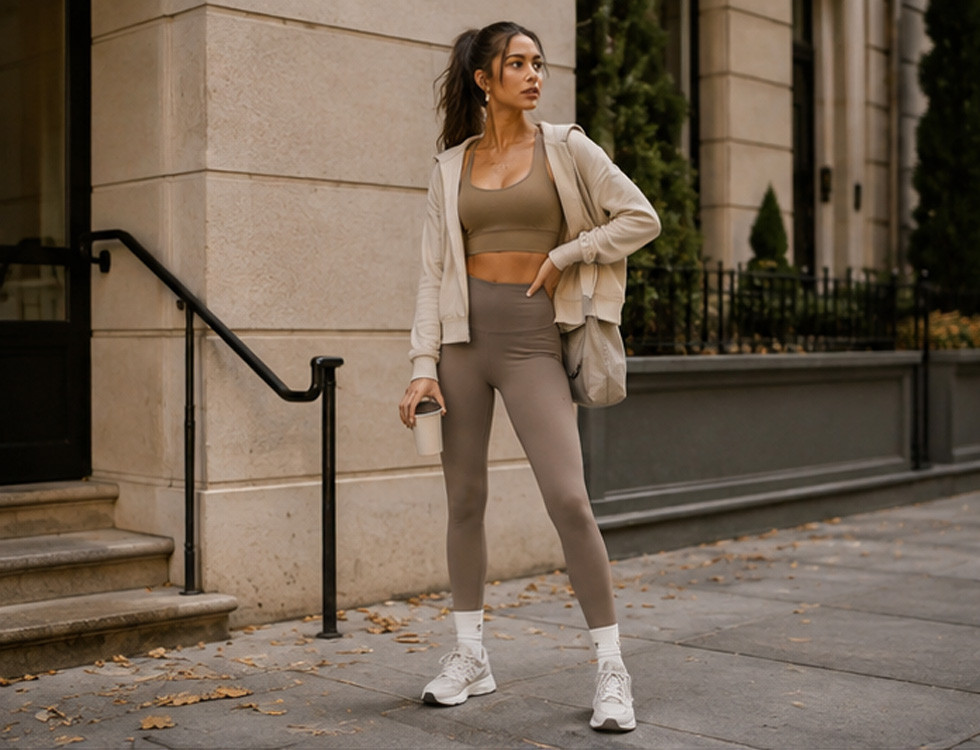
As someone deeply embedded in the activewear industry, I've witnessed firsthand the incredible evolution of athleisure from a niche trend to a dominant fashion category that blends comfort, style, and functionality seamlessly. For brands looking to thrive in this dynamic market, understanding what consumers truly seek in their athleisure activewear leggings, tops, and everyday essentials is paramount. This guide will navigate brands through the essential considerations, from material innovation to ethical manufacturing, ensuring they create collections that resonate with today's discerning consumer.
Key Takeaways
For brands aiming to capture and lead in the athleisure market, a strategic focus on the following pillars is non-negotiable. This summary provides a high-level overview of the critical insights detailed in this article:
- Market Evolution is Multifaceted: The growth of athleisure is driven by a powerful trifecta: fashion trends, functional demands, and a rising tide of ethical consumerism. Consumers no longer compromise. They demand apparel that performs during a workout, looks chic on the street, and is produced with respect for people and the planet. Brands must integrate these three elements into their core DNA.
- Fabric is the Foundation: The tactile experience and performance of a garment begin with the material. High-tech fabrics that offer moisture-wicking, four-way stretch, and durability are table stakes. The future, however, lies in sustainable innovation. Materials like recycled nylon and polyester, bio-based fibers, and Tencel™ are becoming key differentiators, appealing to the eco-conscious consumer and future-proofing the brand.
- Versatility Drives Value: The most successful athleisure pieces are those that offer maximum versatility. The modern consumer's wardrobe is built around items that can transition effortlessly between activities. For brands, this means designing collections with clean silhouettes, sophisticated color palettes, and multi-functional features that make sense from the yoga studio to a lunch meeting. This "gym-to-street" mentality is the essence of athleisure.
- Leggings Require Technical Excellence: Leggings are the cornerstone of most athleisure collections, and getting them right is a science. Key considerations for brands developing everyday leggings include a matte, non-sheen appearance, moderate compression for support without restriction, absolute opacity (the "squat-proof" test), a no-dig waistband that stays in place, and superior shape retention after multiple wears and washes.
- Tops and Layers Complete the Look: While leggings are foundational, a well-rounded collection needs a thoughtful assortment of tops and layering pieces. This includes technically proficient activewear tops, supportive and stylish sports bras, and versatile layering items like hoodies and lightweight jackets. The goal is to create a cohesive ecosystem of apparel that allows for easy styling and layering.
- Ethical Partnership is Strategic: The choice of a manufacturing partner is one of the most critical decisions a brand will make. The relationship should move beyond a simple vendor transaction to a strategic partnership. Brands must rigorously vet potential manufacturers for quality control, consistency, innovation capacity, and—crucially—their commitment to ethical labor practices and supply chain transparency. A strong partner is an extension of the brand itself.
- Inclusivity and Expression are Imperative: Today's market demands inclusivity. Offering a comprehensive range of sizes is not just a moral imperative but a significant business opportunity. Beyond sizing, consumers are seeking ways to express their individuality through bold colors, unique patterns, and thoughtful design details. Brands that champion diversity and offer avenues for self-expression will build a more loyal and engaged community.
Shaping Tomorrow's Trends: What Every Athleisure Activewear Manufacturer Needs to Know About Market Evolution and Consumer Demands
The athleisure market is not just growing; it's evolving at a blistering pace. For an athleisure activewear brand to succeed, it must look beyond fleeting fads and understand the fundamental shifts in consumer behavior and expectations. The global athleisure market is projected to grow significantly, reaching past $844 billion by 2034, with North America holding a substantial market share. This growth is fueled by a deeper integration of wellness into daily life, a demand for multifunctional apparel, and a non-negotiable expectation of ethical production.
The Dynamic Interplay of Fashion, Functionality, and Ethical Consumerism Driving the Market
The modern consumer is no longer making a choice between style, performance, or ethics; they are demanding all three. This convergence is the engine driving the athleisure market. A garment must have the technical prowess to handle a workout, the aesthetic appeal for a social setting, and a transparent, responsible manufacturing story. Consumers are increasingly knowledgeable about the environmental impact of fashion and are actively seeking brands that align with their values. According to one report, 66% of consumers now consider sustainability when making a purchase. This is not a niche preference but a foundational expectation that shapes brand loyalty and justifies premium price points. Brands that fail to integrate ethical and sustainable practices are no longer just missing a marketing opportunity; they are risking their long-term relevance.
Pioneering High-Tech Fabrics and Prioritizing Sustainable Material Innovation for Future-Forward Collections
The tangible quality of an athleisure garment is defined by its material. For brands, fabric is a strategic choice that dictates performance, comfort, and the all-important sustainability narrative. The industry is rapidly moving past virgin synthetics, embracing a new portfolio of materials that meet the consumer's demand for eco-conscious products.
Key innovations fall into two main categories:
- Recycled Fabrics: Materials like recycled polyester (rPET), often made from post-consumer plastic bottles, and recycled nylon, such as ECONYL® which regenerates waste like fishing nets, are pivotal. These fabrics divert waste from landfills and oceans and generally require less energy and water to produce than their virgin counterparts. They offer the same high-performance characteristics—durability, moisture-wicking, and stretch—that consumers expect from premium activewear.
- Bio-Based & Plant-Derived Fabrics: This category represents a shift away from fossil-fuel dependency. Innovations include:
- TENCEL™ Lyocell: Sourced from sustainably managed wood pulp, this fabric is known for its exceptional softness, breathability, and moisture management. It's produced in a closed-loop system that recycles water and solvents, making it a strong choice for brands focused on premium comfort and environmental responsibility.
- EVO® by Fulgar®: This is a polyamide derived from castor bean oil, a renewable resource that does not compete with food crops. It is lightweight, quick-drying, and offers excellent stretch.
- Organic Cotton & Hemp: While traditional cotton is resource-intensive, organic cotton and hemp are grown with significantly less water and no toxic pesticides. Hemp is particularly durable and naturally antimicrobial. These natural fibers are ideal for the "leisure" side of athleisure, excelling in tops, hoodies, and loungewear.
Beyond the base material, advanced treatments and knit technologies like 4-way stretch for shape retention and antimicrobial finishes for odor control are becoming standard. The strategic selection of these high-tech, sustainable fabrics is what allows a brand to deliver on its promise of quality and build a future-forward collection.
Crafting Versatile Athleisure Collections That Seamlessly Transition from Gym Workouts to Everyday Social Settings
The core principle of athleisure is versatility. Consumers want to buy fewer, better pieces that do more. For brands, this means a shift in design philosophy towards creating integrated collections that can be styled for a wide range of activities and settings. The goal is to move beyond "gym clothes" and create a "lifestyle wardrobe."
Key design strategies for achieving this seamless transition include:
- Focus on Silhouette and Structure: The cut of a garment is paramount. Brands should prioritize clean, modern silhouettes that look intentional and polished. This includes tailored joggers that mimic trousers, structured hoodies that can replace a casual jacket, and leggings with refined seam details that elevate them beyond basic workout gear.
- Sophisticated Color Palettes: While bold, energetic colors have their place in performance wear, a versatile athleisure collection is built on a foundation of sophisticated neutrals. Predictions for 2026 include earthy tones like mocha, tan, olive green, and sage, alongside timeless staples like cool charcoal, true black, and cream. These shades are easy to layer and style, allowing a single piece to adapt to multiple contexts. Pops of more saturated color, like sapphire blue or berry, can be used as accents.
- Thoughtful Details and Finishes: The small things make a big difference. Using matte-finish fabrics instead of high-shine ones provides a more casual, everyday appearance. Minimal branding, high-quality zippers and hardware, and functional elements like discreet, zippered pockets add a premium feel that makes athletic wear appropriate for social or even casual work settings.
- Creating Matching Sets: Coordinated sets (e.g., a matching sweatshirt and jogger or sports bra and leggings) have become a cornerstone of the athleisure trend. They offer a complete, put-together look with zero effort, embodying the "effortlessly chic" ethos of the modern consumer.
By focusing on these principles, brands can create collections where each piece works together, allowing consumers to build a functional and stylish wardrobe that supports every facet of their active lifestyle.
Inclusive Sizing and Bold Designs: Meeting Diverse Consumer Needs for Self-Expression in Athleisure
The ethos of athleisure is rooted in empowerment and confidence, making inclusivity a non-negotiable pillar for any brand seeking authentic connection with its audience. The plus-size clothing market is a significant and rapidly growing segment, with projections showing it will reach over $417 billion by 2031. More specifically, plus-size activewear is one of the fastest-growing categories within this market, driven by powerful body-positivity movements and a recognition that fitness and wellness are for every body.
For activewear brands, this presents both a moral imperative and a massive commercial opportunity.
- The Business Case for Inclusive Sizing: True size inclusivity goes beyond simply scaling up a standard pattern. It requires a thoughtful design process that considers different body proportions, ensuring that every customer experiences the same level of fit, comfort, and performance. Brands that invest in dynamic grading systems and fit testing on a diverse range of body types build profound customer loyalty. By catering to an underserved market, they not only expand their customer base but also align their brand with core values of acceptance and representation, which resonates strongly with Millennial and Gen Z consumers.
- Designs that Empower Self-Expression: Alongside inclusive sizing, consumers are seeking apparel that allows for personal expression. While neutral palettes form the versatile core of an athleisure wardrobe, bold colors and patterns are crucial for brand differentiation and customer engagement. Trends for 2026 show a surge in vibrant, statement-making hues like deep reds, cobalt blue, and rich terracotta, alongside more muted earth tones. Eye-catching abstract prints, unique textures, and strategic color-blocking can turn a functional garment into a fashion statement, empowering the wearer to express their personality whether they're at the gym or on the street.
By championing both size inclusivity and expressive design, brands can create a powerful identity that is both welcoming and exciting, fostering a strong community around a shared love for style, movement, and self-confidence.
The Core of Comfort and Performance: Essential Insights for Athleisure Leggings Vendors on Product Excellence and Design
Leggings have transitioned from a niche activewear item to a global wardrobe staple, representing a massive and continuously growing market. The global leggings market was valued at over $42 billion in 2025 and is projected to expand significantly, driven by the unstoppable athleisure trend and consumer demand for comfortable, versatile apparel. For brands and vendors, mastering the technical nuances of legging design is crucial for capturing a share of this lucrative space. Developing the perfect pair of leggings is a systematic process, balancing fabric, fit, and function to create a product that delivers on all fronts.
Identifying and Capitalizing on the Dominant Leggings Trends for 2026 and Beyond, Including High-Waist and Flare Styles
While classic skinny leggings remain a constant, the market is diversifying with new (and returning) silhouettes that cater to a broader range of styles and body types. For a brand, understanding these trends is key to creating a relevant and desirable collection.
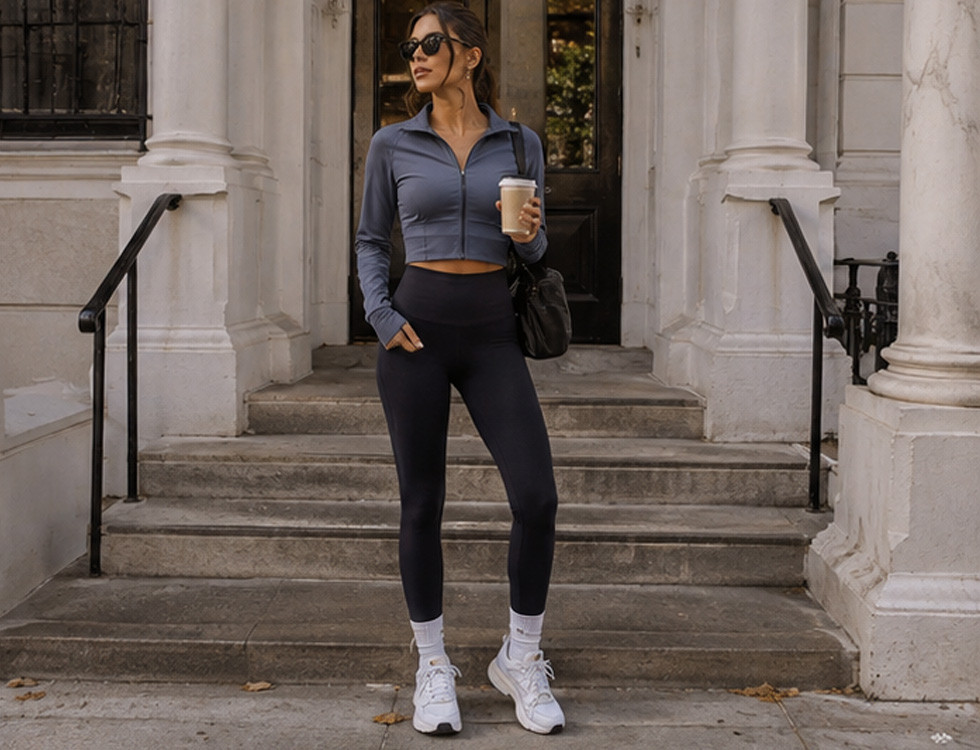
The Unwavering Dominance of High-Waist Styles: The high-waisted legging is not a trend; it's the new standard. Consumers overwhelmingly prefer this style for its comfort, coverage, and flattering silhouette. A high, supportive waistband offers a secure "held-in" feeling without digging in, making it ideal for everything from high-intensity workouts to all-day wear. For brands, offering a well-constructed high-waisted legging is the absolute baseline for a successful collection.
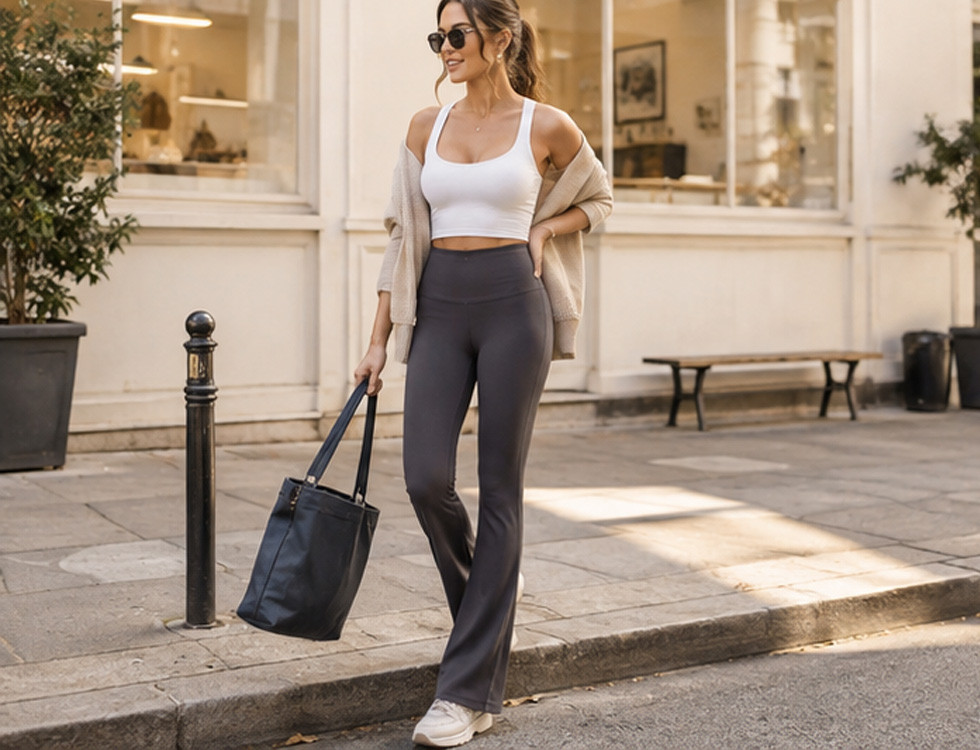
The Resurgence of Flare Leggings: The flare legging, a modern take on the iconic 70s bell bottom and early 2000s yoga pant, is making a powerful comeback. Recent data shows a dramatic increase in searches and sales for flare and bootcut styles. Today's versions feature the high-performance fabrics and flattering high-waist construction of modern leggings, but with a flared hem from the knee down. This silhouette is celebrated for its versatility, effortlessly transitioning from a yoga class to a casual street style look. It offers a refreshing alternative to the skinny silhouette and is often seen as more universally flattering as it helps balance proportions.
Emerging Silhouette Variations: Beyond the flare, other styles are also gaining traction. Capri-length and stirrup leggings are reappearing, offering a retro-fashion edge that appeals to style-forward consumers. These variations allow brands to add depth and novelty to their collections, catering to specific aesthetic niches.
For everyday leggings, the key takeaway is that consumers now expect options. A successful product line should be anchored by a stellar high-waisted design while also capitalizing on the significant momentum of the flare silhouette to attract a fashion-conscious audience.
Advanced Fabric Technologies: Ensuring Squat-Proof Design, Moisture-Wicking, and Optimal Support for Every Wearer’s Experience
Beyond aesthetics, the true value of an athleisure legging lies in its technical performance. For brands, engineering a product that delivers on key performance indicators is what builds trust and earns repeat customers. This requires a deep understanding of fabric technology and construction.
Achieving 'Squat-Proof' Opacity: This is the non-negotiable benchmark for premium leggings. Squat-proof means the fabric maintains complete opacity, with no sheerness or transparency, even when stretched to its maximum during movements like deep squats. This is achieved through specific technical choices. High-quality squat-proof leggings typically use dense, interlock knit fabrics, often with a weight of over 200 grams per square meter (GSM), made from nylon-spandex or polyester-spandex blends. The combination of dense knit construction and high-quality fibers ensures the fabric remains opaque under any lighting or angle. Brands should rigorously test their materials to guarantee this critical feature.
Mastering Moisture Management: An essential performance feature of activewear is its ability to manage sweat. Moisture-wicking fabrics are engineered to pull perspiration away from the skin and move it to the fabric's outer surface, where it can evaporate quickly. This is accomplished through a process called capillary action, where the structure of synthetic fibers like polyester and nylon creates tiny channels that transport moisture. This keeps the wearer dry, cool, and comfortable, preventing the heavy, clammy feeling of sweat-soaked apparel and reducing the risk of chafing.
Dialing in Support with Compression and Stretch:
- Compression: This refers to the "hug" the fabric provides. Measured in mmHg (millimeters of mercury), compression levels are tailored for different activities. Light compression (around 15-20 mmHg) is ideal for everyday comfort and gentle support, while medium to high compression (20-30 mmHg) offers enhanced muscle support during intense workouts and can aid in post-exercise recovery. For athleisure, a light-to-medium compression is often preferred, providing a sculpted look without feeling restrictive.
- 4-Way Stretch and Recovery: This is the fabric's ability to stretch both lengthwise and crosswise and, crucially, to snap back to its original shape. This property, primarily delivered by the spandex (or elastane) in the blend, ensures total freedom of movement without the leggings bagging at the knees or losing their supportive fit over time. A fabric with excellent 4-way stretch and recovery moves like a second skin, adapting to the body's every motion.
By investing in these advanced fabric technologies, brands can create a legging that not only looks great but also delivers a superior wearing experience, justifying a premium price point and building a reputation for uncompromising quality.
Differentiating Between Yoga Pants, Performance Workout Leggings, Activewear Leggings, and Everyday Casual Styles to Meet Specific Needs
Not all leggings are created equal. For a brand, the biggest mistake is developing a single "legging" product and expecting it to serve all purposes. A successful leggings strategy involves creating distinct products tailored to specific use cases, each with its own technical specifications. This demonstrates expertise and meets nuanced consumer needs.
Here is a breakdown of the key legging categories:
| Legging Type | Primary Use Case | Key Fabric Characteristics | Design & Construction Focus |
|---|---|---|---|
| Performance Workout Leggings | High-intensity training, running, HIIT, cycling | High compression (20-30% spandex blend) for muscle support, excellent moisture-wicking (polyester or nylon base), maximum opacity, quick-drying. | High, secure waistband that won't roll down, flatlock seams to prevent chafing, durable and abrasion-resistant fabric, often includes pockets for phone/keys. |
| Yoga Pants | Yoga, Pilates, barre, studio activities | Buttery-soft handfeel, exceptional 4-way stretch for maximum flexibility, light-to-medium compression, breathable, opaque. Sometimes offered in flared or bootcut styles. | Comfortable, wide waistband that moves with the body, minimal seams or seamless construction to reduce irritation during floor work, gusseted crotch for full range of motion. |
| Activewear Leggings | All-day wear, travel, light activity, "athleisure" | Moderate compression for a sculpted but comfortable feel, matte or low-sheen finish for a less "gym-like" look, good shape retention, soft handfeel. | Versatile, stylish design that can be dressed up or down, clean seam lines, often features subtle branding and a flattering high-waist. This category balances performance with everyday aesthetics. |
| Everyday Casual/Fashion Leggings | Lounging, errands, casual styling, layering | Primary focus is comfort and softness. Often made from cotton, modal, or jersey blends with a lower percentage of spandex (5-10%). Usually lightweight with minimal compression. | Simple pull-on design, often with a basic elastic waistband. Less focus on performance features and more on style, color, and print. May not be squat-proof or moisture-wicking. |
By clearly defining the product's role, brands can make more intelligent decisions about fabric, fit, and features. Offering distinct styles for "training," "yoga," and "everyday" allows you to market more effectively and build a reputation for creating the right product for the right moment.
Strategic Material Selection for Unparalleled Durability and Comfort, a Core Principle for AOLAFREE's Athleisure Offerings
At the heart of any exceptional athleisure piece is a strategic and uncompromising approach to material selection. For a brand like AOLAFREE, which is committed to creating confident and free sportswear, the fabric is not just a component; it is the product's very soul. The goal is to develop garments that deliver an unparalleled experience of durability and comfort, justifying consumer trust and building long-term brand loyalty.
This philosophy is built on a few core principles:
Prioritizing a Nylon-Spandex Blend for the Core Collection: While polyester has its merits, especially for printed garments, a nylon-spandex blend is often the superior choice for premium, solid-color athleisure leggings. Nylon is known for its exceptional strength and abrasion resistance, making it more durable than polyester in high-friction scenarios. Crucially, it also possesses a softer, smoother handfeel, which translates to a more luxurious and comfortable next-to-skin experience. For leggings intended for all-day wear, this combination of durability and superior comfort is paramount. A typical high-performance blend consists of 75-80% nylon and 20-25% spandex, ensuring both longevity and the necessary stretch and recovery.
Engineering for All-Day Comfort: Durability without comfort is meaningless in the athleisure space. The strategic material selection must deliver on key comfort metrics:
- Buttery-Soft Handfeel: The fabric must feel good against the skin for hours on end. This is achieved through the use of high-quality nylon yarns and sometimes a light brushing on the fabric surface.
- Breathability: The knit structure must allow for air circulation to prevent overheating during light activity or in warmer climates.
- Supportive, Not Restrictive, Fit: The ideal fabric, like the 78% nylon and 22% spandex blend used in AOLAFREE yoga sets, offers moderate compression that sculpts and supports without feeling constrictive, making it perfect for transitioning from a workout to the rest of the day.
A Commitment to Eco-Conscious Innovation: Modern material strategy must include a path toward sustainability. As a forward-thinking manufacturer, AOLAFREE integrates eco-friendly options like recycled nylon and recycled polyester (rPET) into its offerings. These materials provide performance qualities comparable to their virgin counterparts but with a significantly lower environmental footprint. This commitment allows partner brands to build compelling sustainability stories and meet the demands of the conscious consumer.
Ultimately, a brand's reputation is woven into every yard of fabric it chooses. By strategically selecting materials that fuse elite durability with sublime comfort, a manufacturer provides the foundation for athleisure collections that truly perform and delight.
Elevating the Everyday: A Comprehensive Guide for Activewear Manufacturer Collaborations on Innovative Tops and Outerwear
A successful athleisure line extends far beyond leggings. A well-curated collection of tops and outerwear is essential for creating a complete brand story and maximizing customer value. The global activewear market, valued at over $430 billion in 2025, sees apparel like tops, hoodies, and jackets as a primary driver of growth. Collaborating with an experienced activewear manufacturer is key to navigating the technical and stylistic demands of these crucial product categories.
Designing for Optimal Support and Style: The Evolution of Sports Bras and Versatile Athletic Tops for All Activities
The global market for sports bras alone is projected to reach nearly $40 billion by 2026, driven not only by fitness but by a consumer shift toward wearing comfortable, supportive bras for everyday life. Modern brands must design tops that are both technically proficient and stylistically versatile.
The Science of Support in Sports Bras: A sports bra is a highly technical garment. Brands must offer a clear system of support levels tailored to different activities and body types.
- Low Impact: Designed for activities with minimal bounce like yoga, Pilates, and walking. These bras prioritize comfort and flexibility, often featuring softer fabrics and simpler construction.
- Medium Impact: Ideal for gym training, cycling, and hiking. These offer a balance of compression and comfort, with more structured support than low-impact bras.
- High Impact: Engineered for running, HIIT, and other high-intensity sports. These bras provide maximum support to minimize bounce through features like strong compression, encapsulation (separate cups), wider underbands, and adjustable straps. A brand that educates its customers on how to choose the right support level demonstrates expertise and builds trust.
The Rise of Versatile Athletic Tops: Consumers want activewear tops that function beautifully in a workout and look chic on the street. This has led to the popularity of several key silhouettes:
- The Longline Sports Bra: A hybrid between a bra and a crop top, the longline silhouette offers more coverage and can be worn on its own with high-waisted leggings, making it a highly versatile piece.
- The Cropped Tank: This style staple pairs perfectly with high-waisted bottoms for a balanced, modern look. Designs range from form-fitting performance tanks in moisture-wicking fabrics to more relaxed-fit cotton blends for casual wear.
- Seamless and Ribbed Tops: Utilizing seamless knitting technology creates tops that are incredibly comfortable, with no irritating side seams. Ribbed textures add a fashionable element, visual interest, and a comfortable, body-hugging fit.
Successful top design in 2026 is about a fusion of function and fashion. By offering a range of support levels in sports bras and creating versatile tops with thoughtful silhouettes and premium fabrics, brands can cater to the modern consumer's dynamic lifestyle.
Mastering Layering: The Appeal of Sophisticated Hoodies, Cozy Sweatshirts, and High-Performance Lightweight Jackets
Layering pieces are not just functional additions; they are central to the athleisure aesthetic and a significant revenue opportunity for brands. A sophisticated collection of hoodies, sweatshirts, and jackets allows customers to build complete, multi-seasonal outfits. The key is to balance cozy comfort with a polished, modern look.
Sophisticated Hoodies and Sweatshirts: The classic hoodie and sweatshirt are elevated in athleisure through superior fabrics and refined fits.
- Fabric and Feel: Brands should move beyond basic fleece and explore options like high-quality French terry, double-faced knits, and cotton-modal blends. These fabrics offer a luxurious handfeel, beautiful drape, and enhanced durability, resisting pilling and stretching.
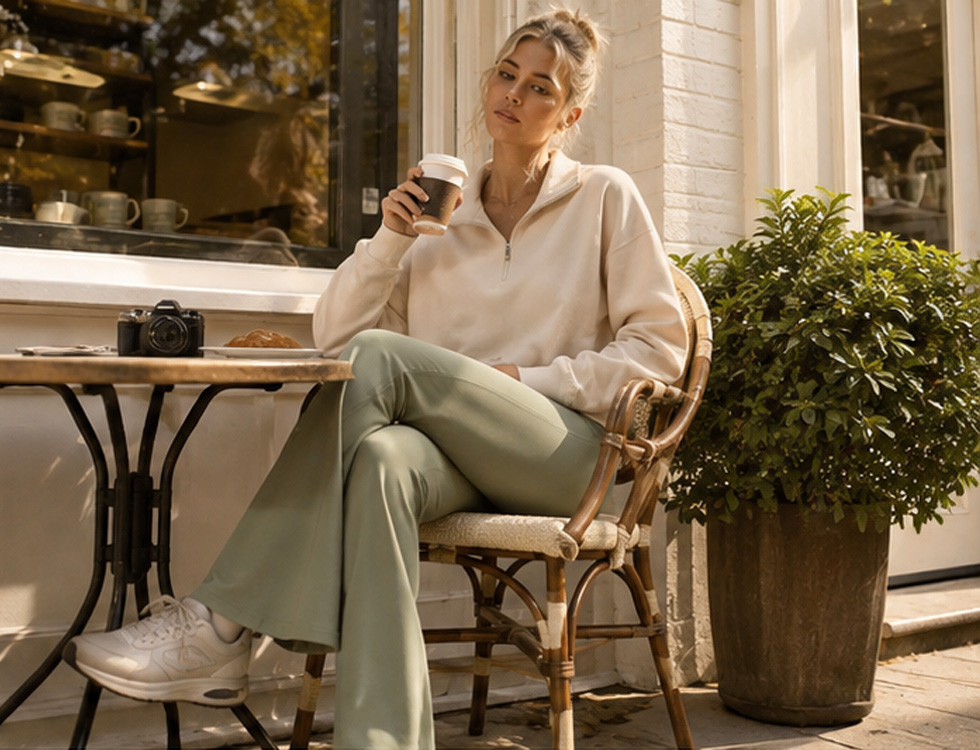
- Silhouette: The fit is crucial. Options should include both slightly oversized, relaxed fits for a modern, street-style look and more structured, tailored silhouettes that can be styled for more polished occasions. Details like drop shoulders, ribbed side panels, and high-quality hardware (for zip-ups) elevate the garment from a simple gym layer to a fashion staple.
High-Performance Lightweight Jackets: The perfect athleisure jacket is a versatile workhorse that provides protection from the elements without adding bulk.
- Technical Fabrics: Lightweight jackets should utilize performance fabrics. Nylon and recycled polyester are excellent choices as they are inherently wind-resistant and can be treated with a durable water-repellent (DWR) finish to shed light rain. Technical features like breathability and moisture-wicking properties are also vital to ensure comfort during light activity.
- Versatile Styles: Popular silhouettes include minimalist windbreakers, sleek bomber jackets, and modern anoraks. These styles are designed to be easily packable and can be thrown on over a t-shirt or layered over a hoodie. The most successful designs blend a technical, sporty aesthetic with clean lines, making them just as appropriate for a city commute as for a morning hike.
By offering a thoughtful assortment of these layering pieces, brands empower customers to embrace the athleisure lifestyle year-round, creating stylish and functional outfits for any weather or occasion.
Expanding Beyond the Gym: Integrating Stylish Lounge Sets and Athleisure Blazers for Elevated Casual and Professional Wear
The bleeding edge of athleisure is its expansion into traditionally formal or semi-formal categories. Driven by the rise of hybrid work models and a cultural shift towards comfort, a new category—”workleisure”—has emerged. This trend sees the technical properties of activewear integrated into polished, office-appropriate silhouettes. For brands, this is a powerful opportunity to extend their product lines and capture a new dimension of the modern consumer's wardrobe.
Stylish Lounge Sets for Elevated Comfort: The matching set is no longer just for the gym. Sophisticated lounge sets, often featuring wide-leg or straight-leg pants and coordinating sweatshirts or hoodies, have become a low-effort, high-impact uniform for travel, errands, and work-from-home days. The key to elevating these sets beyond pajamas is the fabric. Materials like premium French terry, double-faced jersey, and cashmere blends provide a luxurious drape and feel that reads as intentional and chic. When styled with clean sneakers and a structured tote or jacket, these sets epitomize modern, comfortable style.
The Rise of the Athleisure Blazer: One of the most innovative developments in workleisure is the athleisure blazer. This garment combines the professional silhouette of a classic blazer with the comfort and performance of activewear fabrics.
- Fabric Innovation: Instead of rigid wool or linen, these blazers are crafted from technical knit fabrics that offer 4-way stretch, wrinkle resistance, and breathability. This allows for complete freedom of movement and all-day comfort, whether commuting, traveling for business, or sitting through meetings.
- Styling Versatility: An athleisure blazer is incredibly versatile. It can be layered over a simple athletic tank and leggings to instantly elevate a post-workout look for a lunch meeting. Paired with tailored stretch trousers or even dark-wash denim, it creates a smart-casual outfit that is perfect for the modern, flexible workplace.
By venturing into these new categories, brands can position themselves at the forefront of the athleisure movement, offering solutions that cater not just to the consumer's workout, but to their entire lifestyle.
AOLAFREE's Focus on Developing Multi-Functional and Aesthetically Pleasing Top Designs that Empower Confidence and Comfort
At its core, the AOLAFREE brand philosophy is about conveying a lifestyle of confidence, freedom, and well-being through thoughtfully designed sportswear. This isn't just about creating clothes that look good; it's about engineering garments that empower the wearer in every facet of their life. The development of multi-functional and aesthetically pleasing tops is a perfect embodiment of this mission.
The approach is holistic, integrating several key principles:
Design for Real Life, Not Just the Studio: AOLAFREE's design process begins with the understanding that an activewear top must perform in real-world scenarios. A top should offer the technical properties needed for a workout—like four-way stretch and moisture-wicking—while also featuring a clean, versatile aesthetic that transitions seamlessly to a coffee run or a casual lunch. As the brand philosophy states, the goal is to make every user feel confident and comfortable during their workouts and beyond.
Aesthetic and Functional Harmony: Beauty and performance are not treated as separate pursuits. The design team focuses on creating flattering silhouettes that also enhance function. This can be seen in the use of ergonomic seam placement that both sculpts the body and reduces chafing, or in the selection of premium fabrics that offer a luxurious feel while delivering superior technical performance. The result is apparel that is both practical and aspirational.
Empowerment Through Comfort and Confidence: The ultimate goal is to create clothing that makes the wearer feel good. This is achieved through an unwavering focus on fit and fabric. By using high-quality, soft-touch materials and perfecting the cut of each garment, AOLAFREE ensures a "second-skin" feel that allows for unrestricted movement. When clothing is this comfortable and fits perfectly, it fosters a sense of confidence that empowers the individual to move freely and live authentically. This commitment is evident in the brand's continuous innovation and rigorous testing of each product line to ensure superior real-world performance.
In essence, AOLAFREE's focus is on creating activewear tops that are more than just athletic gear; they are trusted companions in a modern, active lifestyle, designed to instill a sense of confidence and ease in every woman who wears them.
Building an Ethical Future: Why Sustainable Practices Are Non-Negotiable for Athleisure Activewear Manufacturers Today
In the contemporary market, sustainability is no longer a "nice-to-have" feature—it's a core tenet of a responsible and forward-thinking brand. For athleisure and activewear manufacturers, who predominantly work with synthetic fabrics, addressing the environmental impact of their products and processes is a critical business imperative. The modern consumer is more informed and values-driven than ever, actively seeking out brands that demonstrate a genuine commitment to ethical and eco-conscious practices.
Addressing the Environmental Impact of Traditional Synthetic Fibers and Mitigating Microplastic Pollution
The activewear industry has historically relied heavily on virgin synthetic fibers like polyester and nylon. These petroleum-based materials, while offering excellent performance characteristics, come with a significant environmental cost. Their production is energy-intensive and contributes to greenhouse gas emissions.
A more pressing and widely discussed issue is microplastic pollution. Every time a synthetic garment is washed, it sheds hundreds of thousands of microscopic plastic fibers. A single wash load can release over 700,000 microfibers into the water system. These tiny particles are too small to be effectively captured by wastewater treatment plants and inevitably end up in our rivers and oceans, where they are ingested by marine life and accumulate in the food chain. This persistent pollution poses a long-term threat to ecosystems and, potentially, human health.
For manufacturers, addressing this means taking a multi-pronged approach:
- Fabric Innovation: Developing fabrics with tighter weaves and higher-quality yarns can help reduce the rate of fiber shedding.
- Consumer Education: Informing consumers about best laundry practices—such as washing in cold water, using a gentler cycle, and using microfiber-catching laundry bags—can help mitigate the problem at the household level.
- Shifting Material Palettes: Most importantly, manufacturers must actively transition away from a sole reliance on virgin synthetics toward more sustainable alternatives.
Embracing Biodegradable, Organic, and Recycled Materials for a Lighter Footprint and Enhanced Brand Appeal
The most effective way for athleisure manufacturers to reduce their environmental footprint and appeal to conscious consumers is to strategically shift their material portfolio. embracing a mix of recycled, organic, and biodegradable fabrics is key.
Recycled Materials (rPET & Recycled Nylon): This is the cornerstone of sustainable synthetic activewear. Recycled polyester (rPET) is made by melting down post-consumer plastic like water bottles and re-spinning the material into new fiber. According to some reports, this process can use up to 60% less energy and reduce CO2 emissions by about a third compared to producing virgin polyester. It effectively diverts plastic waste from landfills and oceans while delivering performance characteristics—durability, moisture-wicking, colorfastness—that are comparable to virgin polyester. Similarly, recycled nylon offers a high-performance, durable option with a significantly lower environmental impact.
Biodegradable and Plant-Based Fibers: These materials offer a path away from plastic altogether.
- TENCEL™ Lyocell: Derived from sustainably sourced wood pulp, TENCEL™ is a standout fiber for athleisure. It is exceptionally soft, breathable, and moisture-wicking. Its production occurs in a closed-loop process, meaning the water and non-toxic solvents used are recycled at a rate of over 99%. As a plant-based fiber, it is also biodegradable.
- Organic Cotton & Hemp: For the "leisure" side of athleisure, organic cotton and hemp are excellent choices. Grown without synthetic pesticides or fertilizers and using significantly less water than conventional cotton, they offer a soft, natural, and breathable option. Hemp is particularly notable for its high durability and natural antimicrobial properties, which help reduce odor.
By diversifying their fabric library to include these innovative materials—and securing certifications like the Global Recycled Standard (GRS) to validate their claims—manufacturers can build a powerful sustainability story. This not only mitigates environmental harm but also provides a compelling point of differentiation that resonates deeply with modern consumers.
The Business Case for Ethical Manufacturing, Fair Labor Practices, and Complete Supply Chain Transparency in Our Industry
Adopting sustainable materials is only half the battle. True ethical manufacturing extends to the human element of production and the radical act of being transparent about it. In today's market, these are not costs to be minimized but powerful strategic advantages with a clear business case.
Building Brand Trust and Reputation: Modern consumers, particularly Millennials and Gen Z, are increasingly skeptical of corporate claims and demand proof of ethical conduct. Complete supply chain transparency—openly sharing information about factory locations, working conditions, and labor practices—is the most effective way to build genuine trust. This transparency transforms a brand from a mere seller of goods into a trusted partner in the consumer's value system, a move that fosters deep and lasting loyalty.
Mitigating Risk and Enhancing Resilience: Opaque supply chains are risky. They can hide potential issues like labor abuses, non-compliance with environmental regulations, or quality control failures, which can lead to reputational damage, legal fines, and sudden disruptions. A transparent supply chain allows brands to identify and address these risks proactively. Studies show that companies with transparent supply chains are better able to manage disruptions and collaborate more effectively with their suppliers to solve problems.
Attracting and Retaining Talent and Investment: A strong ethical posture is a competitive advantage in the talent market. Employees are more motivated and loyal to companies that are committed to social and environmental responsibility. Likewise, investors are increasingly using environmental, social, and governance (ESG) criteria to evaluate a company's long-term viability. Fair labor practices and supply chain transparency are clear indicators of a well-managed, forward-thinking company, making it more attractive to capital investment.
Ultimately, ethical manufacturing is not about charity; it's about building a stronger, more resilient, and more reputable business. By championing fair labor and transparency, activewear manufacturers and the brands they partner with are not just doing the right thing—they are making a strategic investment in their own long-term success.
How AOLAFREE Champions Eco-Conscious Production and Responsible Sourcing to Meet Modern Consumer Expectations
For a manufacturer like AOLAFREE, which is dedicated to creating confident and freeing sportswear, sustainability is not a secondary goal but a foundational pillar of its entire operation. This commitment is demonstrated through a proactive and multi-faceted approach to eco-conscious production and responsible sourcing, designed to meet and exceed the expectations of the modern, values-driven consumer.
The core of this strategy includes:
Prioritizing a Sustainable Material Portfolio: AOLAFREE actively champions the use of environmentally friendly materials. This includes offering a robust selection of innovative, eco-conscious fabrics such as recycled polyester (rPET) and recycled nylon, which reduce reliance on virgin petroleum and divert waste from landfills. The company also embraces plant-based and biodegradable fibers like organic cotton and Tencel™, providing brand partners with a versatile palette of sustainable options that align with a powerful eco-friendly narrative.
Implementing Eco-Conscious Manufacturing Processes: Sustainability extends beyond materials to the factory floor. AOLAFREE invests in and utilizes technologies and processes designed to minimize environmental impact. This includes:
- Waste Reduction: Employing advanced pattern-making software and automated cutting machines to maximize fabric utilization and significantly reduce textile waste.
- Water and Energy Conservation: Equipping factories with modern, energy-efficient machinery and utilizing water-saving dyeing techniques to lower the consumption of natural resources.
- Ethical Labor Practices: Ensuring responsible manufacturing through certifications like BSCI, which guarantee fair wages, safe working conditions, and a zero-tolerance policy for unethical labor practices.
Ensuring Supply Chain Transparency and Traceability: AOLAFREE adheres to a philosophy of ethical procurement and a transparent supply chain. By maintaining strong partnerships with global suppliers and implementing rigorous quality control at every stage—from raw material inspection to final product testing—the company ensures its production processes are both environmentally friendly and fully traceable. This provides a clear and honest story for partner brands to share with their end consumers.
By integrating these eco-conscious principles into every facet of its business, AOLAFREE not only fulfills its own commitment to sustainability but also empowers its brand partners to build collections that are high-performing, stylish, and fundamentally responsible.
Strategic Partnering: Key Considerations for Brands When Selecting Athleisure Leggings Vendors and Activewear Manufacturer Collaborators
For any brand, but especially for those in the competitive athleisure market, the choice of a manufacturing partner is one of the most consequential decisions it will make. This partnership is the foundation upon which product quality, brand reputation, and long-term scalability are built. A transactional, price-focused approach is short-sighted; what is required is a strategic alliance built on shared goals and mutual respect.
Rigorous Vetting: Ensuring Quality, Consistency, and Innovation from Your Manufacturing Supply Chain Partners
Before committing to a production run, a brand must conduct thorough due diligence on any potential manufacturing partner. This process goes far beyond a simple price comparison; it is an audit of the manufacturer's capabilities, ethics, and reliability.
A rigorous vetting process should include:
- Specialization and Technical Expertise: Does the factory specialize in activewear? A manufacturer experienced with high-stretch, performance fabrics will understand the specific machinery and construction techniques required, such as flatlock stitching to reduce chafing and proper waistband construction. Ask for specific data and test results on fabric performance, such as moisture-wicking speed, colorfastness after washing, and stretch recovery percentages. A capable partner will have this information readily available.
- Quality Control Systems: A reputable manufacturer has a robust, multi-stage quality control process. Inquire about their specific procedures. This should include raw material inspections, in-line checks during sewing, and a final inspection of finished garments against your approved tech pack and "golden sample" (the final, approved pre-production sample). Consistent quality is the bedrock of customer trust, and it is the manufacturer's primary responsibility.
- Ethical and Sustainable Certifications: Ask for proof of ethical and environmental compliance. Key certifications to look for include BSCI (Business Social Compliance Initiative) for labor practices and OEKO-TEX or bluesign® for textile safety and environmental standards. If using recycled materials, the Global Recycled Standard (GRS) is essential for verifying content and chain of custody. Do not just take their word for it; ask to see the certification documents.
- References and Reputation: Don't hesitate to ask for references from other brands they have worked with, particularly brands within your niche. Positive testimonials and a strong industry reputation are powerful indicators of a reliable and trustworthy partner.
By being thorough and asking the right questions at this stage, brands can avoid costly production errors, protect their reputation, and build a foundation for a successful and scalable product line.
The Critical Role of Clear Communication and Supply Chain Transparency for Fostering Long-Term Success
A successful product launch and long-term brand growth are impossible without a strong, communicative partnership with a manufacturer. While vetting establishes a baseline of competence, it is the day-to-day interaction and shared commitment to transparency that transform a vendor relationship into a strategic alliance.
The cornerstone of this collaboration is clear, unambiguous communication. Misunderstandings lead to production errors, delays, and wasted resources. The most effective tool for preventing this is a comprehensive tech pack. A tech pack is more than just a design sketch; it is the definitive blueprint for a garment. An effective tech pack should include:
- Detailed technical drawings of the garment from all angles.
- A complete Bill of Materials (BOM), specifying every fabric, trim, thread, and label.
- Precise measurement specifications for each size in the product run (the spec sheet).
- Clear construction details, such as stitch types (e.g., "5-thread flatlock seam") and seam placements.
- Colorway information with universal references like Pantone codes.
When a brand provides a manufacturer with a detailed tech pack, it eliminates guesswork and ensures both parties are working from a single source of truth. This simple document is the most powerful tool for minimizing errors, controlling quality, and streamlining the entire production process.
Beyond the tech pack, fostering a culture of open and respectful communication is essential. Treating the manufacturer as a valued partner, rather than just a vendor, builds the trust necessary for a long-term, mutually beneficial relationship. This includes maintaining clear lines of communication for progress updates, addressing concerns proactively, and respecting production timelines and agreements. This collaborative spirit is what enables brands and manufacturers to navigate challenges effectively and grow together.