Beyond the Mat: A Manufacturer's Guide to Engineering the Perfect Custom Yoga Bra
- Share
- Issue Time
- May 13,2026
Summary
Discover the art and science behind creating the perfect custom yoga bra. This guide explores how to balance support, comfort, and style, covering impact-specific design, material selection, and the detailed manufacturing process required to produce high-performance, custom activewear for your brand.
Finding Your Flow: Engineering the Perfect Custom Yoga Bra for Your Brand
In the ever-growing wellness market, a yoga bra is no longer just a simple garment; it's a piece of technical apparel engineered for performance, comfort, and style. For brands looking to create a custom yoga bra line, understanding the intricate balance between support, material science, and manufacturing excellence is paramount. A successful product goes beyond aesthetics—it must meet the specific needs of its user, whether they are in a gentle Hatha class or a dynamic Vinyasa flow. This guide will delve into the essential principles of designing and manufacturing a high-quality custom yoga bra that truly resonates with the modern yogi.
H2: The Foundation of Support: Impact Levels in Yoga Bra Design
Before a single thread is stitched, the intended impact level must be defined. While yoga is generally considered low-impact, styles like Power Yoga or Ashtanga involve more dynamic movements, demanding greater support. A manufacturer must engineer bras for specific needs.
- Low-Impact Support: Ideal for styles like Yin or Restorative yoga, focusing on maximum comfort, soft fabrics, and minimal compression.
- Medium-Impact Support: Suited for Vinyasa or Power Flow, this requires a balance of flexibility and compression to manage movement without restriction.
- High-Impact Support: Though less common for yoga, this is crucial for larger-busted individuals or for crossover activities like HIIT. These designs incorporate stronger structural elements.
Understanding these distinctions is the first step in creating a product that is not just beautiful, but truly functional.
H2: Compression vs. Encapsulation: The Science of Support
High-performance sports bras rely on two primary support mechanisms: compression and encapsulation. The best designs often use a hybrid approach tailored to the activity.
- Compression: This method involves gently pressing the breasts against the chest wall to minimize movement. It's common in simpler, pull-on styles and is effective for low-to-medium impact activities.
- Encapsulation: This style uses individual cups to support each breast separately, much like a traditional bra. It offers superior shape and support, making it ideal for higher-impact activities and larger cup sizes.
- Hybrid Approach: The most sophisticated designs combine an encapsulation structure within a compressive outer layer, offering the best of both worlds in terms of bounce control and comfort.
H2: The Material Matrix: Building a System of Performance Fabrics
A yoga bra is not made from a single fabric but a coordinated system of materials, each with a specific job. Choosing the right blend is critical for performance and feel.
| Material | Primary Function | Common Blends |
|---|---|---|
| Nylon | Durability, Soft Feel, Moisture-Wicking | Nylon/Spandex |
| Polyester | Excellent Moisture-Wicking, Durability | Polyester/Spandex |
| Spandex (Lycra) | Stretch, Shape Retention, Flexibility | Used in nearly all blends |
| Mesh | Breathability, Ventilation | Placed in high-sweat zones |
| Cotton Blends | Softness, Comfort (for low-sweat use) | Cotton/Spandex |
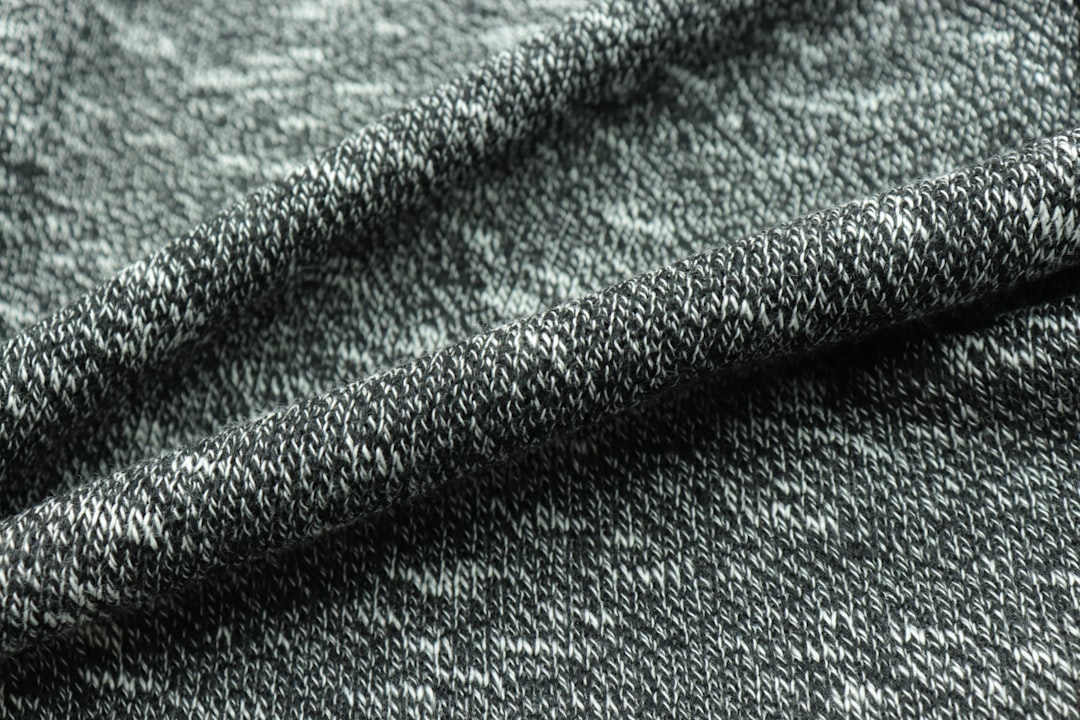
A successful manufacturer sources and combines these fabrics to create a 'fabric system' where a soft, moisture-wicking inner lining works in concert with a supportive, durable outer shell and breathable mesh panels.
H2: The Blueprint: From Tech Pack to Pattern Making
The manufacturing journey begins with a detailed tech pack. This is the garment's blueprint, containing every specification from stitching type to color codes.
- Tech Pack Creation: Your vision is translated into a technical document specifying measurements, materials, seam types, and branding placement. A detailed tech pack prevents costly errors.
- Pattern Making & Grading: Expert pattern makers use CAD software to create digital templates for each size in your range. This process, known as grading, ensures a consistent fit across all sizes.
- Prototyping & Sampling: Before mass production, a pre-production sample (PPS) is created. This "golden sample" allows you to test the fit, feel the fabric, and scrutinize every detail. Approval of the PPS is a critical milestone before committing to a bulk order.
H2: The Anchor of the Bra: The Importance of the Underband
Many designers mistakenly focus on the cups and straps, but up to 80% of a sports bra's support comes from the underband. It is the chassis of the entire garment. A high-performance yoga bra must have:
- A Firm, Wide Elastic: The band should be made from a low-stretch, high-modulus elastic that anchors the bra securely to the ribcage without riding up.
- A Snug Fit: It should fit snugly but comfortably, allowing for deep breathing without being restrictive. You should be able to fit two fingers underneath, but no more.
- Adjustability: For high-support designs, a hook-and-eye closure provides a customizable fit, which is a significant performance advantage.
H2: Structure and Style: Strap and Back Design
The straps and back design are a crucial intersection of function and fashion. They must distribute weight evenly while allowing for a full range of shoulder motion.
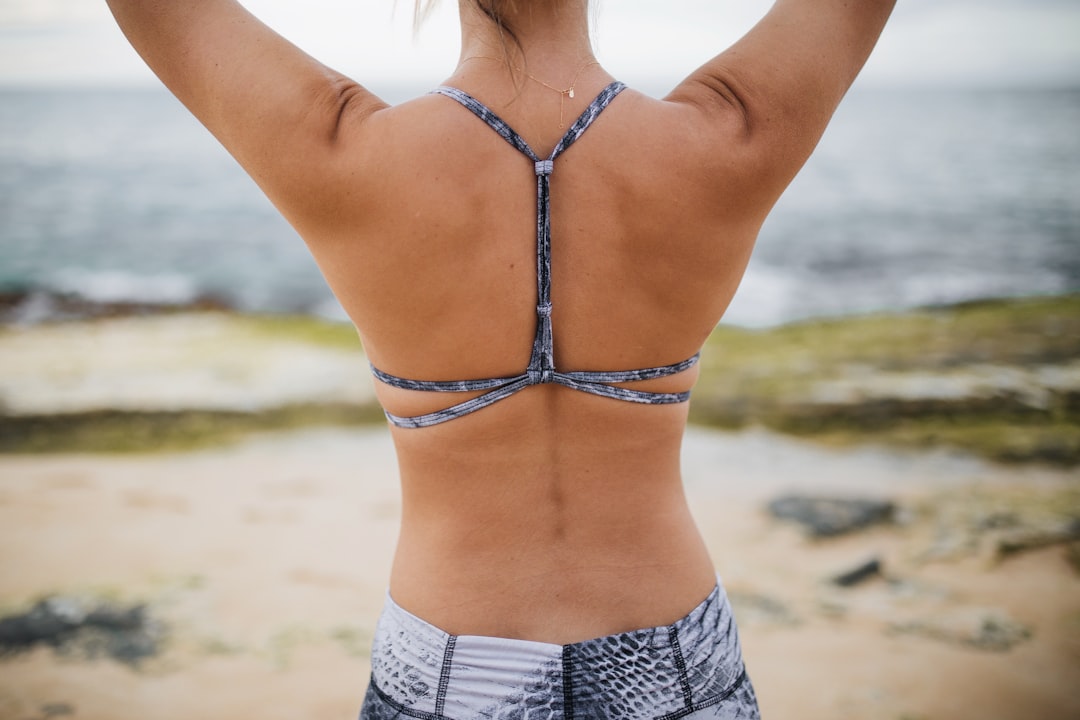
- Racerback: A popular choice that provides excellent support and prevents straps from slipping.
- Cross-Back: Offers both style and stability, distributing pressure across the back.
- Wide Straps: Essential for comfort, especially in medium-to-high support bras, as they reduce pressure on the shoulders.
- Adjustable Straps: Allow for a fine-tuned, personalized fit, enhancing both comfort and support.
H2: The Art of Assembly: Cutting, Stitching, and Decoration
With patterns and fabrics ready, the bra begins to take physical form. Precision is key at every stage.
- Cutting: Automated machines cut the fabric panels with precision, minimizing waste.
- Stitching: Skilled workers assemble the pieces. The choice of stitch is vital. Flatlock seams, for example, are essential for preventing chafing during movement. Reinforced stitching is used at stress points like strap joints to ensure durability.
- Decoration: This is where your brand's identity is applied. Methods include sublimation for vibrant all-over prints, heat transfer for logos, and embroidery for a premium finish.
H2: Quality Control: The Uncompromising Final Step
No product should leave the factory without rigorous quality checks. A multi-stage inspection process is a hallmark of a reputable manufacturer.
- Fabric Inspection: Before cutting, to check for flaws.
- In-Line Inspection: During the sewing process to ensure stitch consistency.
- Final Inspection: A detailed check of the finished garment for measurements, defects, construction, and brand accuracy before it is packed and shipped.
H2: Design for Longevity and Sustainability
A well-made yoga bra is an investment. Designing for durability is both a quality and a sustainability feature. This includes using high-quality elastics that retain their shape, colorfast dyes that resist fading, and reinforced construction. Furthermore, a growing trend is the use of sustainable materials, such as recycled polyester and nylon, allowing brands to align their products with the eco-conscious values of many yoga practitioners.
H2: Partnering with the Right Manufacturer: Your Key to Success
Creating an exceptional custom yoga bra requires a manufacturing partner with deep expertise in performance apparel. Look for a partner who understands the engineering principles of support, has access to high-performance material systems, and maintains transparent, quality-controlled processes from design to delivery. Your manufacturer is more than a supplier; they are a collaborator in bringing your brand's vision to life with quality, integrity, and performance.