Building a Yoga & Pilates Practice Collection: A B2B Product Development Guide
- Share
- publisher
- AOLAFREE
- Issue Time
- Aug 25,2026
Summary
A step-by-step B2B guide for brands creating a yoga and Pilates practice collection — from style selection and fabric specs to sizing, sampling, and shipping — with an OEM yoga suits factory.
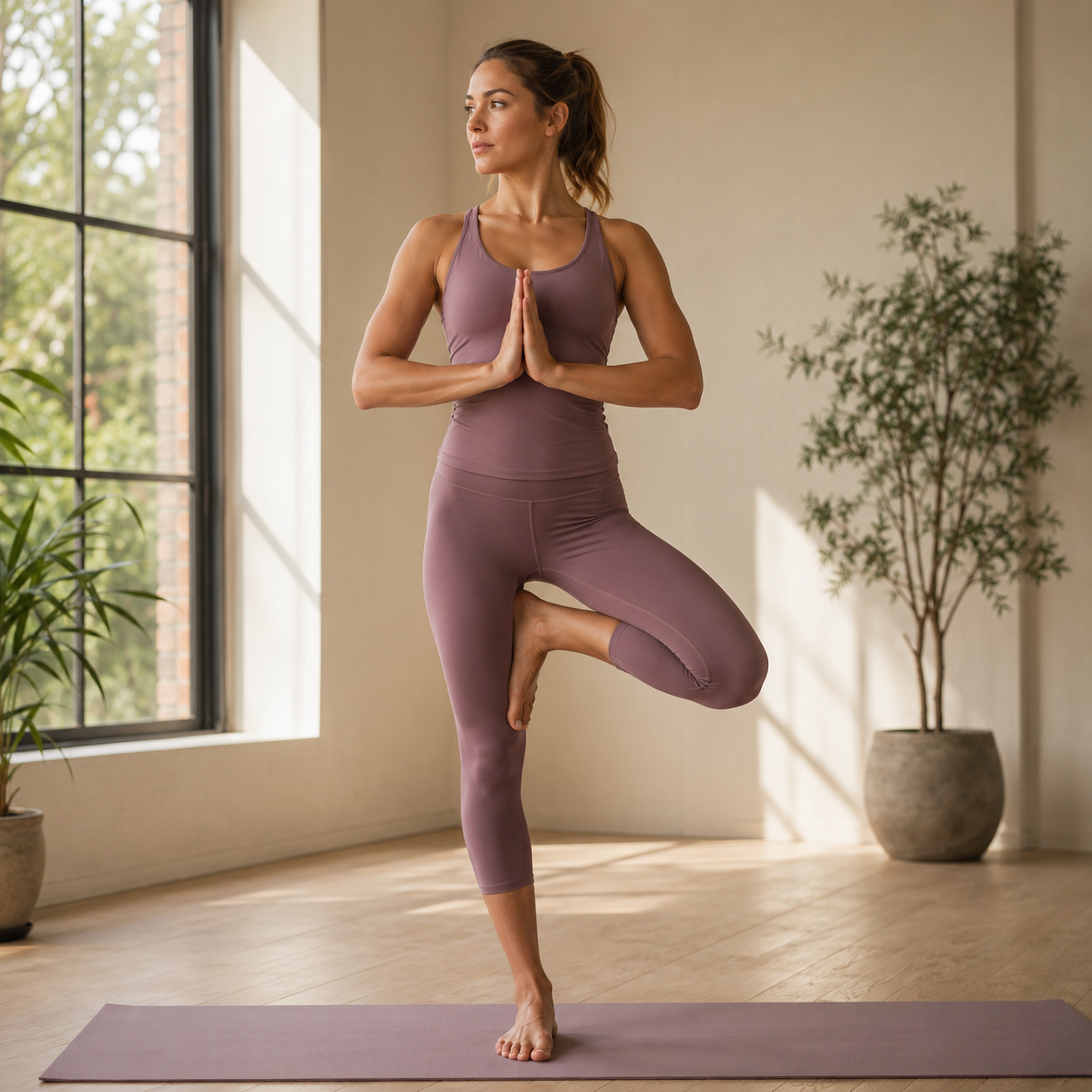
Developing a successful yoga and Pilates collection takes more than selecting popular styles. Activewear brands need to align product design, fabric performance, fit, color, branding, and production planning before moving into bulk manufacturing.
Step one is defining the style matrix. Core practice wear includes leggings, sports bras, tops, shorts, and full sets. Many brands start with hero styles — a seamless legging, a color-blocked yoga set, a quick-dry bra top. Browse our custom yoga set portfolio for style inspiration. Step two is specifying fabric and performance. Nylon-spandex and polyester-spandex blends are common options for yoga and Pilates apparel, but the right choice depends on the garment's intended use, desired hand feel, stretch and recovery, durability, and target cost.
Before sampling, brands should define key fabric requirements such as weight (GSM), surface finish, stretch and recovery, opacity under tension, and color expectations. Relevant performance checks, including pilling resistance and colorfastness, should be evaluated against the agreed product specifications. Recycled fibers and other material options can also be considered based on brand positioning and material availability. AOLAFREE, China yoga wear manufacturer, will document all fabric parameters for your records. Step three is color and size development. Brands can use Pantone references, physical swatches, or other agreed color standards to communicate their color requirements. Lab dips, sample approval, and appropriate production color checks help manage shade consistency across batches.
Sizing should reflect the brand's target market, customer profile, and fit objectives. Establishing a measurement chart, grading rules, and fit expectations early helps create a more consistent collection across styles and sizes. For brands targeting a broader size range, fit validation across representative sizes is an important part of development. Talk to our team about custom size grading for your market. Step four is sampling and approval. Sample development allows brands to evaluate fabric hand feel, fit, measurements, seam quality, waistband stability, and appearance before bulk production. Checks should follow the garment's intended use and agreed product specifications.
Sample timing depends on design complexity, fabric availability, customization requirements, and the number of revisions. Before bulk production, confirm the approved sample, key measurements, fabric specifications, color standards, and branding details in writing. AOLAFREE, China custom sportswear supplier, provides signed sample spec sheets to avoid deviations in mass production. Step five is logo, label, and packaging. Decoration options include silicone logos, PU transfers, printing, jacquard, embroidery, and braid. Labels, hang tags, and packaging should be specified together — one-piece-per-bag packing with 80 pieces per carton is common, but everything can be customized. Step six is bulk production and shipping. Production lead time should be confirmed according to order quantity, material readiness, product complexity, and the agreed production schedule. Shipping time is separate and depends on the destination, shipping method, and delivery terms.
Before placing a bulk order, brands should confirm the production schedule, quality checkpoints, packaging requirements, shipping terms, and responsibilities for final approval. For brands developing their first yoga and Pilates range, starting with a focused collection can make product development easier to manage. Instead of launching too many styles at once, identify the products that best represent your brand and target customer. Consider these three areas when planning your initial range: Before confirming the range, review the target retail price, estimated order quantity, size range, and customization requirements with your manufacturing partner. This helps align product ambition with realistic development and production plans.
For brands working with an OEM/ODM activewear manufacturer, a clear product development process helps reduce avoidable sampling revisions, establish consistent quality expectations, and build a collection that reflects the brand's identity.
This guide outlines six practical steps for developing yoga and Pilates apparel, from defining your initial style range to approving samples and preparing for bulk production.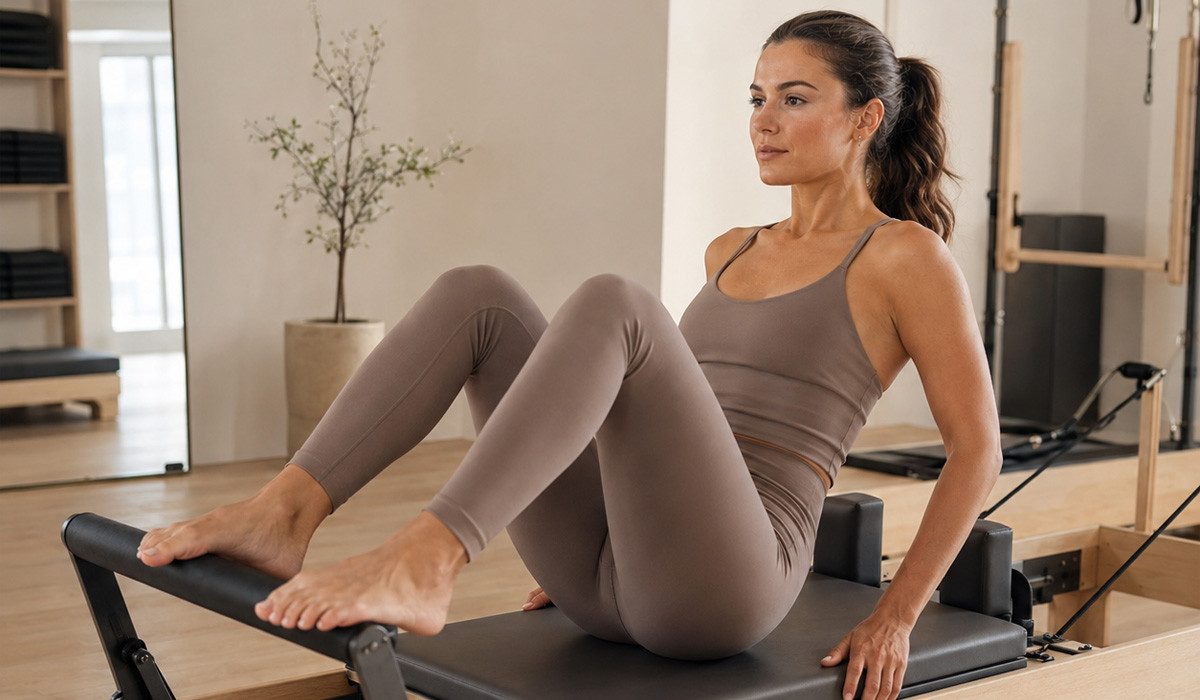
The Six Steps of Product Development
Partner with an OEM Factory
Planning Your First Yoga & Pilates Collection
AOLAFREE supports activewear brands with fabric selection, custom product development, sampling, private labeling, and OEM/ODM manufacturing for yoga and Pilates apparel.
Share your initial product ideas, target customers, preferred styles, and development requirements with our team to discuss the next steps for your collection.
Start Your Collection Development
Contact AOLAFREE to discuss your product and manufacturing requirements.