From Concept to Collection: The Complete OEM Activewear Manufacturing Journey
- Share
- Issue Time
- Jul 8,2026
Summary
This comprehensive guide outlines the end-to-end OEM activewear manufacturing process, emphasizing the critical role of strategic partnerships in transforming creative visions into high-quality products. The journey begins with establishing a strong strategic foundation, including defining brand identity and product strategy, well before any design work commences. Design development then translates these visions into technical blueprints, with a significant focus on selecting high-performance fa
As a brand navigating the competitive activewear market, transforming a creative vision into a high-quality product is a complex yet rewarding journey. This guide details the complete OEM activewear manufacturing process, emphasizing the crucial role of strategic partnerships in bringing innovative designs to life. The goal is to demystify the intricacies of custom activewear production. The focus is on how a dedicated OEM activewear manufacturer ensures excellence, efficiency, and consistent innovation at each stage, enabling brands to deliver high-performance garments that meet rigorous customer demands.
Key Takeaways
This article provides a comprehensive roadmap for apparel brands, breaking down the OEM activewear manufacturing journey into distinct, manageable phases. Here are the crucial points to remember:
- Strategic Foundation is Non-Negotiable: The process begins long before a sketch is made. It starts with a clear Brand Idea, defining your target audience, unique value proposition, and market positioning. This leads to a robust Product Strategy, where you determine the specific styles, performance features, and price points for your collection. A strong strategic foundation guides every subsequent decision and prevents costly pivots later.
- Design and Materials Go Hand-in-Hand: Your creative vision is translated into a technical blueprint through Design Development. This phase is not just about aesthetics but also about function. The selection of High-Performance Fabrics is critical; materials must align with the intended use, offering properties like moisture-wicking, four-way stretch, compression, and durability. Your OEM partner is instrumental in sourcing innovative and suitable materials that bring your design to life.
- The Tech Pack is Your Blueprint: A detailed tech pack is the single most important document in manufacturing. It serves as the official instruction manual for the factory, containing everything from graded measurements and seam types to fabric composition and artwork placement. A thorough tech pack minimizes errors, ensures accurate pricing, and bridges communication gaps between the designer and production team.
- Iterative Sampling Prevents Production Disasters: The journey from Sample Creation to approval is a collaborative process of refinement. Expect multiple rounds of samples—from the initial prototype to the final pre-production (PP) sample—to perfect the fit, function, and feel of the garment. This iterative feedback loop with your OEM partner is where you fine-tune details and give the final green light for Production. haste at this stage often leads to quality issues in the final batch.
- Quality Control is a Continuous Process: Rigorous Quality Control (QC) is not just a final step; it is integrated throughout the manufacturing journey. It begins with inspecting raw materials, continues with in-line checks during sewing, and concludes with a final inspection of the finished collection. Adhering to standards like Acceptable Quality Level (AQL) ensures consistency and minimizes defects, protecting your brand's reputation.
- A Strong Partnership is Your Greatest Asset: The entire journey, from Concept to Collection Launch, hinges on the expertise and reliability of your OEM manufacturing partner. A partner like AOLAFREE doesn't just produce garments; they provide strategic guidance on materials, construction, and logistics. This partnership empowers you to navigate the complexities of production, ensuring your final collection is market-ready and meets global standards of excellence.
From Concept to Design Blueprint: Partnering for Perfect Custom Activewear
The initial phase of creating a custom activewear collection is about transforming an abstract idea into a concrete plan. This involves a deep-dive into your brand's identity and a meticulous selection of materials that will define your product's performance. A strategic OEM partner is invaluable here, guiding you from a creative vision to a manufacturable design blueprint.
Crafting the Vision and Selecting High-Performance Materials
Before the first stitch is ever sewn, a successful activewear line begins with a powerful vision and the right materials to bring it to life. This foundational stage is about defining your brand's "why" and "what." Who is your target audience? Are you designing for high-intensity training, yoga and wellness, or outdoor adventures? Your brand's identity and the specific needs of your customer will dictate every choice you make, especially regarding fabric.
The selection of high-performance materials is paramount in activewear. Your OEM partner can provide access to a vast library of technical fabrics, each with unique properties. Key considerations include:
- Functionality: Fabrics are chosen for performance features like moisture-wicking (to draw sweat away from the skin), breathability, thermal regulation, and UPF protection.
- Stretch and Recovery: For garments like leggings and sports bras, four-way stretch is essential for freedom of movement. Equally important is recovery—the fabric's ability to return to its original shape and prevent sagging. Spandex, Lycra, and elastane blends are popular choices here.
- Texture and Handfeel: The fabric's feel against the skin is a crucial element of customer experience. Options range from buttery-soft peached finishes to sleek, compressive surfaces.
- Sustainability: With growing consumer demand for eco-conscious products, many brands are opting for sustainable materials. These include recycled polyester (rPET) made from post-consumer plastic bottles, nylon from recycled fishing nets, and innovative plant-based fibers like Tencel™ and Modal.
Collaborating with an experienced OEM manufacturer provides the expertise needed to navigate these choices, ensuring the selected materials align with your design intent, performance requirements, and brand values.
The Essential Tech Pack and Precision Pattern Making
Once the vision and materials are defined, the next critical step is creating the technical package, or "tech pack." A tech pack is the master document for your garment; it's an instruction manual that communicates every single detail to the manufacturer. Without a comprehensive tech pack, you leave room for interpretation and costly errors.
A standard tech pack includes:
- Flat Sketches: Technical drawings of the garment from the front, back, and side views, detailing all seams, stitching, and hardware.
- Bill of Materials (BOM): A complete list of all materials needed, including main fabric, secondary fabrics (like mesh), threads, zippers, drawstrings, and labels.
- Graded Spec Sheet: A table of measurements for every size you plan to produce, ensuring a consistent fit across the range.
- Construction Details: Specific instructions on how the garment should be sewn, such as the type of stitches (e.g., flatlock, overlock), seam allowances, and hem finishes.
- Artwork and Color Information: Details on logo placement, print designs, and Pantone color codes for fabrics and trims.
Parallel to the tech pack, pattern making translates the 2D design into 3D templates for cutting the fabric. While historically done by hand, modern manufacturers increasingly use Computer-Aided Design (CAD) software for this process. Digital pattern making offers unparalleled precision, reduces fabric waste, and allows for quick adjustments, ensuring that every piece is cut consistently for a perfect fit. This function serves as the crucial link between the design concept and physical production.

From Prototype to Production: Iterative Refinement and Seamless Execution with Your OEM Activewear Partner
With a solid design blueprint in hand, the journey moves into the tangible realm of sampling and strategic planning. This phase is all about iteration and refinement, where prototypes are tested, feedback is implemented, and a clear path to mass production is established. A collaborative relationship with your OEM partner is crucial for perfecting the product and ensuring a smooth transition to large-scale manufacturing.
Perfecting Fit and Function Through Collaborative Sampling
The sampling process is arguably one of the most critical stages in activewear development. It’s where your design concept becomes a physical product you can see, touch, and test. This phase is inherently iterative and requires close collaboration between the brand and the manufacturer to ensure the final garment is perfect. Don't expect the first sample to be flawless; it's a starting point for refinement.
The sampling workflow typically involves several stages:
- Prototype/Fit Sample: This is the first version of the garment, created to check the pattern, construction, and overall fit. The brand provides detailed feedback on aspects like seam placement, length, and comfort. For example, you might conduct a squat test to check for opacity in leggings or assess whether a sports bra provides adequate support during movement.
- Revised Sample(s): Based on the initial feedback, the manufacturer makes adjustments and produces a second (or even third) sample. This cycle continues until the fit and function meet the brand's exact specifications.
- Salesman Sample: These are used for marketing photoshoots or to present the collection to potential buyers before the main production run is ready. They should be very close to the final product but may use similar, rather than final, fabrics and trims.
- Pre-Production (PP) Sample: This is the final and most important sample. It is made with all the correct fabrics, trims, labels, and packaging. Once the brand approves the PP sample, it becomes the "golden standard" that the entire bulk production run will be measured against.
This meticulous, back-and-forth process ensures that all issues are resolved before thousands of units are made, saving time, money, and protecting brand reputation.
Strategic Sourcing and Production Planning for Scale
Once the pre-production sample is approved, the focus shifts to preparing for bulk manufacturing. This involves strategic sourcing of all raw materials and detailed production planning to ensure a seamless and efficient workflow. Scaling from a single sample to thousands of units requires a completely different approach and robust planning.
Strategic Sourcing goes beyond just the main fabric. Your OEM partner will manage the procurement of everything in your Bill of Materials (BOM), including:
- Trims: Zippers, buttons, drawcords, and clasps.
- Brand Elements: Custom-branded labels, heat transfers, and hangtags.
- Packaging: Polybags, tissue paper, and shipping boxes.
Building strong relationships with reliable suppliers is key to avoiding delays and ensuring consistent quality. An experienced OEM has a network of vetted suppliers, which is crucial for managing lead times and meeting production deadlines.
Production Planning for Scale involves scheduling every step of the manufacturing process. The manufacturer will book capacity on their production lines, create a timeline that accounts for material delivery, cutting, sewing, and quality control, and allocate skilled labor accordingly. For brands looking to scale, this is where the operational expertise of a seasoned Factory becomes indispensable. They implement strategies like lean manufacturing to optimize workflow, minimize waste, and ensure that your growing demand is met without compromising the quality you worked so hard to perfect during the sampling phase.
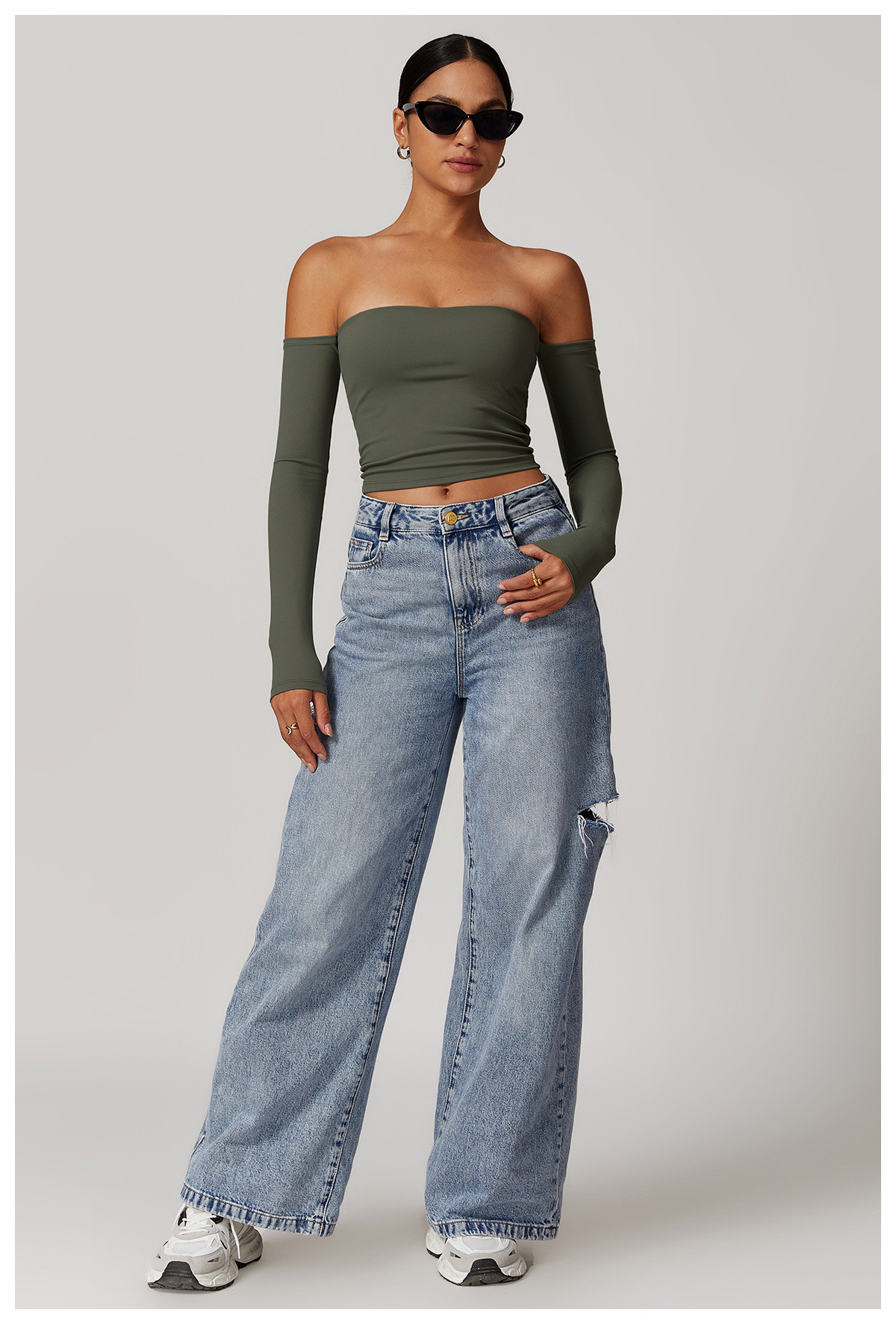
Bringing Your Vision to Life: The Production Process at a Leading OEM Activewear Manufacturer like AOLAFREE
With the sample approved and materials secured, the factory floor becomes the center of action. This is where your digital designs and raw fabrics are transformed into thousands of finished garments. A leading OEM activewear manufacturer like AOLAFREE leverages a combination of precision technology, skilled craftsmanship, and efficient processes to bring your collection to life at scale, ensuring every piece reflects your brand's commitment to quality.
Precision Cutting, Innovative Printing, and Distinctive Embellishments
The first step in mass production is cutting the fabric. To ensure consistency across thousands of units, modern factories use automated cutting machines. These computer-guided systems lay out the pattern pieces digitally to maximize fabric usage and minimize waste, a practice that is both cost-effective and sustainable. The precision of these machines ensures that every piece is dimensionally identical, which is critical for achieving a uniform fit in the final garments.
After cutting, the flat fabric pieces move on to printing and embellishment. This is where your brand's unique aesthetic is applied. Common techniques in activewear include:
- Sublimation Printing: Ideal for intricate, all-over prints. The design is printed onto special paper and then transferred to the fabric using heat. The ink turns into a gas and bonds directly with the fibers, resulting in vibrant, permanent prints that won't crack or fade and don't compromise the fabric's breathability.
- Screen Printing: A traditional method used for applying logos or graphic designs in specific areas. It's durable and cost-effective for simpler, bold designs with a limited number of colors.
- Heat Transfer: Often used for applying logos, care instructions, or reflective details. The design is printed on a transfer material and then applied to the garment with a heat press. This allows for fine detail and is a popular choice for branding.
- Embroidery: For a premium, textured look, logos and designs can be stitched directly onto the garment. This adds a touch of distinction and durability.
The choice of technique depends on the design complexity, fabric type, and desired aesthetic, and your OEM partner can advise on the best method for your specific needs.
Advanced Stitching Techniques and Efficient Assembly Lines
Once the pieces are cut and decorated, they are moved to the sewing floor for assembly. The durability and comfort of activewear are heavily dependent on the stitching techniques used. Manufacturers use specialized machines to create seams that are both strong and comfortable against the skin.
| Stitching Technique | Description | Best For |
|---|---|---|
| Flatlock Seam | Butts two fabric edges together and stitches them flat with interlocking threads, creating a seam with no raised ridge. This significantly reduces chafing. | Leggings, base layers, compression wear—any garment worn close to the skin. |
| Overlock Seam | Wraps thread around the fabric edges to create a secure, finished seam. It is strong and fast to produce but leaves a slight ridge on the inside. | Joining structural seams where comfort is less critical or for more relaxed-fit garments. |
| Reinforced Stitching | Extra rows of stitching (bar tacks) are added to high-stress points like pocket corners, crotch seams, and strap connections to enhance durability. | All activewear, especially for high-intensity use. |
These specialized stitches are executed on efficient assembly lines. Rather than one person sewing an entire garment, production is broken down into a series of smaller, sequential tasks. This method, often informed by lean manufacturing principles, improves speed, ensures consistency, and allows workers to become experts at their specific operation. This systematic approach is crucial for producing a high-quality Final Garment at scale, with every item meeting the approved standard.
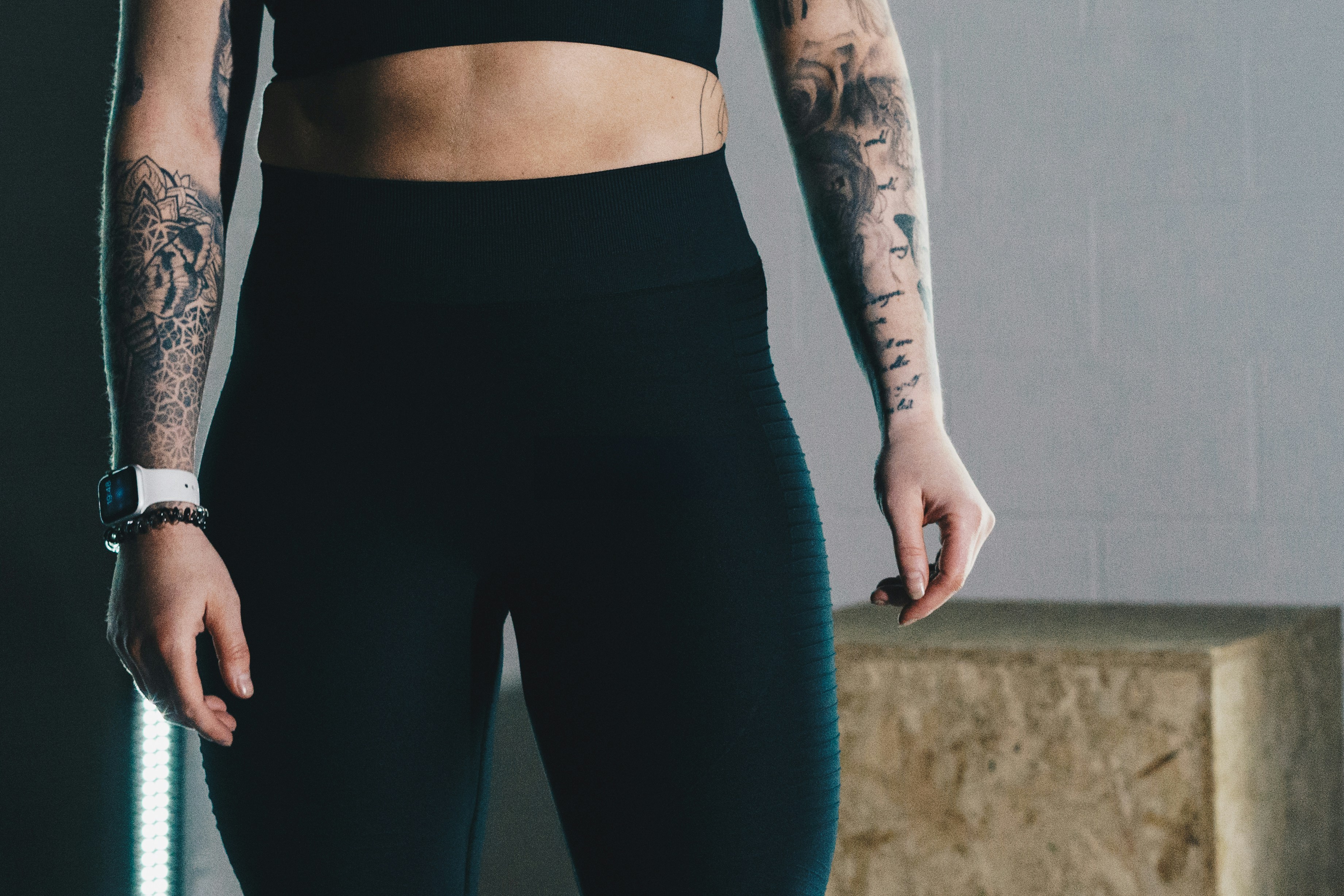
Quality Beyond Stitching: Multi-Stage Assurance and Global Delivery for Your Custom Activewear Collection
The journey doesn't end when the last stitch is sewn. The final, critical phases of manufacturing involve ensuring that every single garment meets your brand's quality standards and then successfully delivering the finished collection to your warehouse. A top-tier OEM partner provides end-to-end services, from rigorous multi-stage quality control to streamlined global logistics, ensuring your vision is perfectly executed and ready for the market.
Implementing Rigorous Multi-Stage Quality Control
Quality Control (QC) in garment manufacturing is not a single event but a continuous process designed to identify and correct issues at every stage. Relying solely on a final inspection is risky and inefficient; a multi-stage approach prevents defects from being replicated across an entire production run.
The key QC stages include:
- Raw Material Inspection: Before production begins, fabrics and trims are inspected for defects, color consistency, and correct specifications. This prevents flawed materials from entering the production line.
- In-Line Inspection: As garments move through the assembly line, QC teams conduct checks at critical points. For example, they might inspect a batch after the pockets are attached or before the side seams are closed. This catches errors early, allowing for immediate correction without disrupting the entire flow.
- Final Garment Inspection: Once garments are fully assembled, they undergo a comprehensive final check. Inspectors use the approved pre-production sample and tech pack as their guide, verifying measurements, stitching quality, fabric appearance, and label placement.
To standardize this final inspection, manufacturers often use the Acceptable Quality Level (AQL) framework. AQL is a statistical sampling method that determines the maximum number of defective items acceptable in a batch. Defects are categorized as critical, major, or minor, with different tolerance levels for each. For apparel, AQL 2.5 for major defects and 4.0 for minor defects are common industry standards. This systematic approach ensures that quality is objective and consistent across the entire collection.
Efficient Packaging and Streamlined Global Logistics
After passing the final quality inspection, garments are prepared for their journey to your brand. The packaging process is performed with care to ensure products arrive in pristine condition. This typically includes:
- Final Pressing and Folding: Garments are steamed or pressed to remove any wrinkles from production.
- Tagging and Bagging: Hangtags, price tags, and any other required branding are attached. Each garment is then folded and placed in an individual polybag for protection. Many brands are now opting for sustainable packaging, using recycled or compostable bags to reduce their environmental impact.
- Carton Packing: The bagged garments are packed into export-ready cartons according to a pre-defined ratio of sizes and colors.
Once packed, the OEM’s logistics team takes over. Streamlined global logistics is a key service offered by experienced manufacturers. They manage the complexities of international shipping, including:
- Booking freight with reliable carriers (air or sea).
- Preparing all necessary customs documentation to ensure smooth clearance.
- Tracking the shipment from the factory to its final destination.
- Coordinating with freight forwarders to manage the entire transport chain.
This end-to-end service frees brands from navigating the challenges of international trade, ensuring your collection is delivered efficiently and on time. If you are ready to start this journey or have questions about the process, feel free to Contact US to speak with an expert.
Frequently Asked Questions (FAQ)
1. What is the typical Minimum Order Quantity (MOQ) for custom activewear?
Minimum Order Quantity (MOQ) varies significantly depending on the manufacturer and the complexity of the design. For a specialized OEM Factory, MOQs for fully custom designs often start between 500 to 1,000 pieces per style, per color. Some manufacturers may offer lower MOQs, especially for simpler items or if they have a stock fabric program. It's important to clarify this early in your discussions. While a high MOQ can be a barrier for new brands, it allows the manufacturer to achieve economies of scale in fabric purchasing and production line setup, which ultimately lowers the per-unit cost.
2. How long does the entire OEM manufacturing process take from concept to delivery?
The total timeline can range from 4 to 9 months, depending on several factors. A typical breakdown is as follows:
- Design, Tech Pack & Material Sourcing (1-2 months): This initial phase involves solidifying designs and sourcing the right fabrics.
- Sampling and Refinement (1-3 months): This is highly variable. Typically, a first sample takes 2-4 weeks. If multiple rounds of revisions are needed to perfect the fit and function, this stage can extend.
- Bulk Production (1-2 months): Once the PP sample is approved, mass production begins. The timeline depends on the order quantity and factory capacity.
- Quality Control & Packaging (1-2 weeks): Final inspections and packing for shipment.
- Shipping (1-2 months): Sea freight is the most common and cost-effective method, taking 30-50 days depending on the route. Airfreight is much faster (5-10 days) but significantly more expensive.
3. What is the difference between OEM and ODM manufacturing?
- OEM (Original Equipment Manufacturer): In this model, you (the brand) provide the complete design, including the tech pack and material specifications. The manufacturer produces the garments exactly according to your instructions. You own the design intellectual property. This route offers full creative control and is ideal for brands with a unique vision.
- ODM (Original Design Manufacturer): In this model, the manufacturer already has pre-designed products (a "white-label" collection) that you can choose from. You can then add your own branding (logos, tags). This process is much faster and requires less design work from the brand, but it offers limited customization and your products may not be unique in the market.
4. How can I protect my design's intellectual property (IP) when working with an OEM manufacturer?
Protecting your IP is a valid concern. The best practice is to work with reputable manufacturers who have long-standing relationships with international brands. Additionally, you can take these steps:
- Sign an NNN Agreement: Before sharing any sensitive design information, have the manufacturer sign a Non-Disclosure, Non-Use, and Non-Circumvention (NNN) agreement. This is more robust than a standard NDA and is specifically designed for manufacturing in countries like China, preventing them from using your design, producing it for other clients, or bypassing you to sell it directly.
- Work with Vetted Partners: Choose partners with a proven track record. Reputable manufacturers like AOLAFREE understand the importance of IP protection for building long-term business relationships.
- Register Your Trademarks: Register your brand name and logo in the countries where you plan to manufacture and sell your products.
5. What are the most important factors to consider when choosing an OEM activewear manufacturer?
Choosing the right partner is crucial for success. Look beyond just the price and evaluate these factors:
- Specialization: Do they specialize in activewear? Performance apparel requires specific machinery (e.g., for flatlock seams) and expertise in technical fabrics.
- Quality Control Systems: Ask about their QC processes. Do they follow a multi-stage inspection system and adhere to AQL standards?
- Communication and Transparency: A good partner communicates clearly and provides regular updates. Language barriers should be minimal, and they should be transparent about their timelines and any potential issues.
- Ethical and Sustainable Practices: Inquire about their labor standards (e.g., certifications like BSCI or Sedex) and their capabilities in sourcing and using sustainable materials.
- References and Reputation: Ask for references from other brands they have worked with. A manufacturer with a strong reputation is more likely to be a reliable, long-term partner.
Conclusion
Throughout this comprehensive journey, the role of a skilled OEM activewear manufacturer is indispensable. They act as a strategic partner, transforming concepts into high-quality, market-ready custom activewear that embodies a brand's values and performance promises. A reliable AOLAFREE team guides you from your initial idea to the final collection, ensuring every detail is executed with precision.
By understanding each phase—from initial design and product strategy to meticulous sampling, scaled production, and global delivery—brands empower themselves to make informed decisions. This knowledge fosters transparency and collaboration, ensuring the final activewear collection consistently meets global standards of innovation and excellence. The path from concept to collection is complex, but with the right partnership, it becomes a clear roadmap to success. If you are ready to bring your vision to life, we encourage you to Contact US and begin your manufacturing journey today.