Hot Yoga and Heated Pilates: Managing Sweat and Heat in Practice Apparel
- Share
- publisher
- AOLAFREE
- Issue Time
- Aug 25,2026
Summary
Hot yoga and heated Pilates push both body and fabric to the limit. How moisture-wicking, quick-dry, and breathable materials keep practice comfortable — and why a custom yoga quick dry supplier matters for your brand.
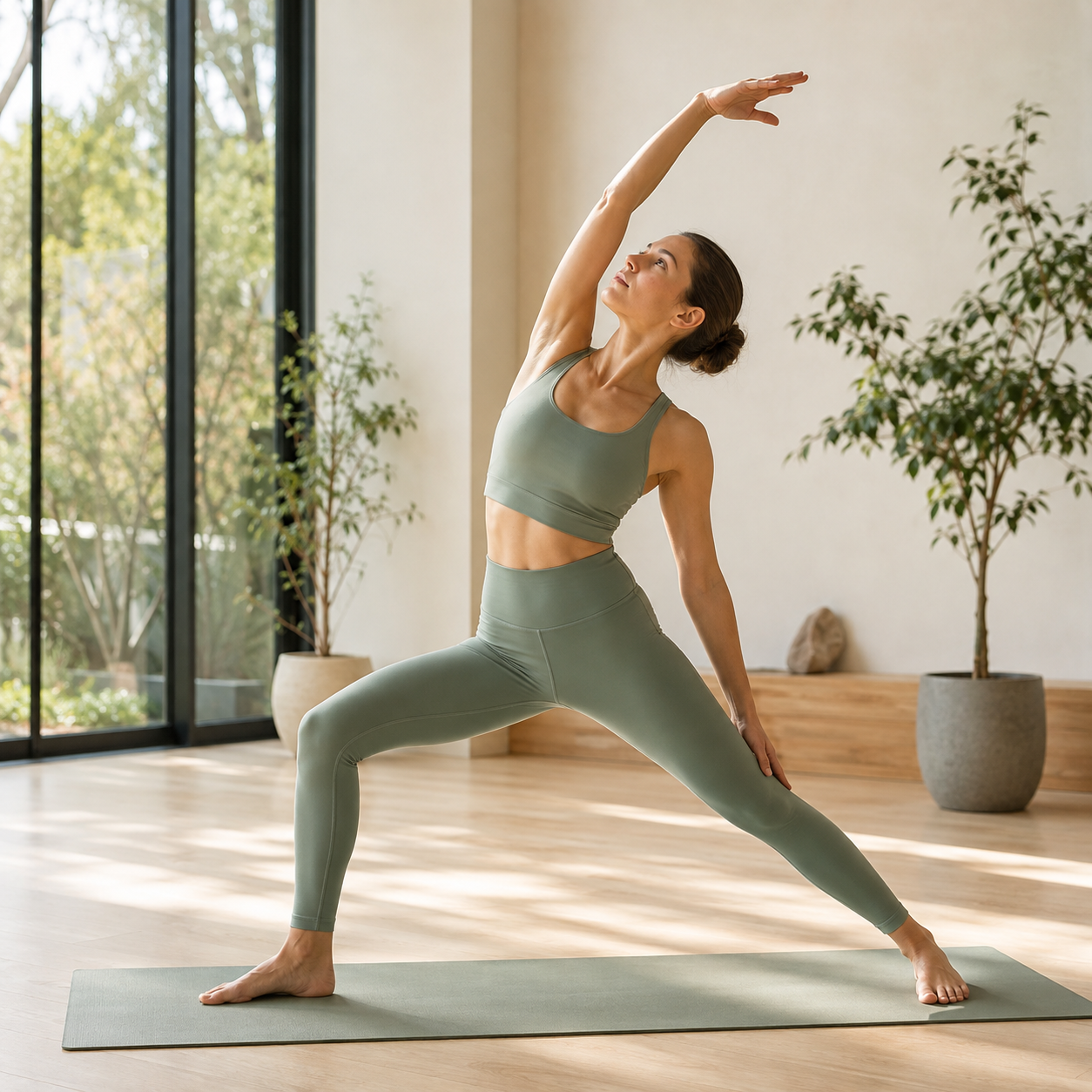
Hot yoga and heated Pilates place specific demands on activewear. High temperatures, perspiration, repeated movement, and close-fitting garments make moisture management, breathability, fit, and coverage important considerations during product development.
Fabric selection is one of the first decisions when developing apparel for hot yoga and heated Pilates. Nylon-spandex and polyester-spandex blends are common options, but neither fiber composition alone guarantees effective moisture management or quick-drying performance.
A suitable manufacturing partner should help brands translate performance goals into clear product specifications. For hot yoga and heated Pilates apparel, this means considering fabric performance alongside garment construction, fit, and the intended level of support.
For activewear brands, creating apparel for heated studio workouts involves more than choosing a quick-dry fabric. Fabric construction, garment design, seam placement, waistband stability, and the performance of the finished garment all influence the wearer's experience.
This guide explains what brands should consider when developing hot yoga and heated Pilates apparel, from selecting suitable materials to evaluating samples and working with an OEM/ODM activewear manufacturer. Contact our team to discuss your custom hot yoga apparel project.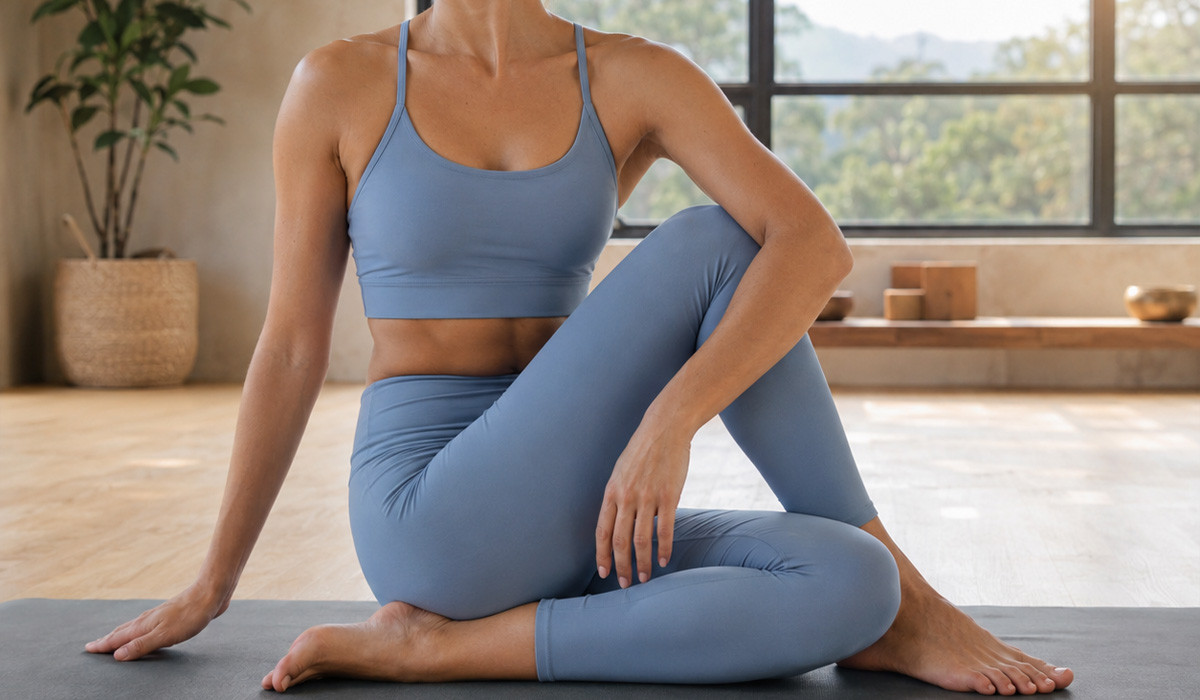
Fabric Technology for Sweat Management
Brands should evaluate fabric weight (GSM), surface feel, stretch and recovery, moisture management, drying performance, and durability according to the intended garment. A fabric that feels comfortable when dry should also be assessed for how it feels against the skin after perspiration.
Coverage is another important consideration for close-fitting leggings and sports bras. Opacity under stretch, color choice, lining requirements, and garment construction should be evaluated together rather than relying on fabric composition alone.
Before bulk production, brands can establish agreed fabric specifications and assess relevant performance test results or sample evaluations. This helps align material selection with the intended use, target customer, and product price point. Explore our custom yoga sets to see available styles and discuss product development options. for fabric and style references.
Working with the Right Supplier
Moisture management and drying performance: Ask which fabrics are available for your target product and whether relevant performance data or testing can be provided. Quick-drying results depend on fabric construction, finishing, and testing conditions.
Breathability and garment design: Mesh inserts, open-back sports bra designs, and strategically placed panels can support ventilation. Their placement should be evaluated alongside coverage, support, durability, and the garment's intended use.
Fit and construction: Waistband stability, seam placement, stretch recovery, and comfort during repeated movement should be reviewed during sample evaluation. For leggings and sports bras, coverage and fit should be checked on appropriate fit models.
Specifications and production consistency: Before bulk production, confirm the approved sample, fabric specifications, color standards, measurements, branding details, and packaging requirements. Relevant quality checks should be agreed upon according to the product specifications.
Sample development and bulk production timelines depend on design complexity, material availability, order quantity, and customization requirements. AOLAFREE, China custom sportswear manufacturer, confirms the applicable schedule according to each project's specifications and production needs.
AOLAFREE supports activewear brands with custom product development, fabric selection, sampling, private labeling, and OEM/ODM manufacturing. Brands can discuss their intended use, material preferences, target price, and customization requirements with the team before finalizing a product range. Send your inquiry to start your development.