How AOLAFREE Helps Brands Gain a Competitive Edge Through Advanced Fabrics
- Share
- Issue Time
- Jun 11,2026
Summary
The activewear market is experiencing significant growth, driven by the athleisure trend and evolving consumer demands for versatile, high-performance, and sustainable apparel.
The activewear market is undergoing a significant transformation, driven by the athleisure trend and consumer demand for performance, comfort, and sustainability. We at AOLAFREE understand that the innovative quality of your activewear fabrics is the core of competitive differentiation. As a leading manufacturer, we believe leveraging advanced custom performance fabrics is essential for brands to elevate their products and meet these evolving consumer expectations.
Key Takeaways
This article will explore how partnering with a specialized fabric manufacturer like AOLAFREE can provide a distinct competitive advantage. Here are the key points we will cover:
- Understanding Market Demands: The modern consumer seeks versatile, high-performance, and sustainable activewear that seamlessly transitions from workouts to daily life. We'll analyze these expectations and the shortcomings of traditional materials.
- The Science of Performance Fabrics: We will delve into the essential properties of advanced fabrics, such as moisture-wicking, breathability, elasticity, and durability, and explain how they contribute to superior garment performance.
- AOLAFREE’s Innovative Edge: Discover how our commitment to research, development, and ethical manufacturing provides brands with tailored fabric solutions that set them apart in a crowded marketplace.
- Application in Specialized Markets: We will showcase how our advanced fabrics can revolutionize specific apparel categories, with a special focus on the demands of the innovative yoga apparel market.
Navigating the Modern Activewear Landscape with Advanced Activewear Fabrics
The global activewear market is experiencing explosive growth, projected to expand from USD 451.0 billion in 2025 to over USD 1,016.4 billion by 2034. This surge is not just about an increased interest in fitness; it's about a fundamental lifestyle shift. Athleisure—the blending of athletic and leisure wear—has moved from a fleeting trend to a dominant force, redefining consumer expectations and compelling brands to innovate from the fiber up.
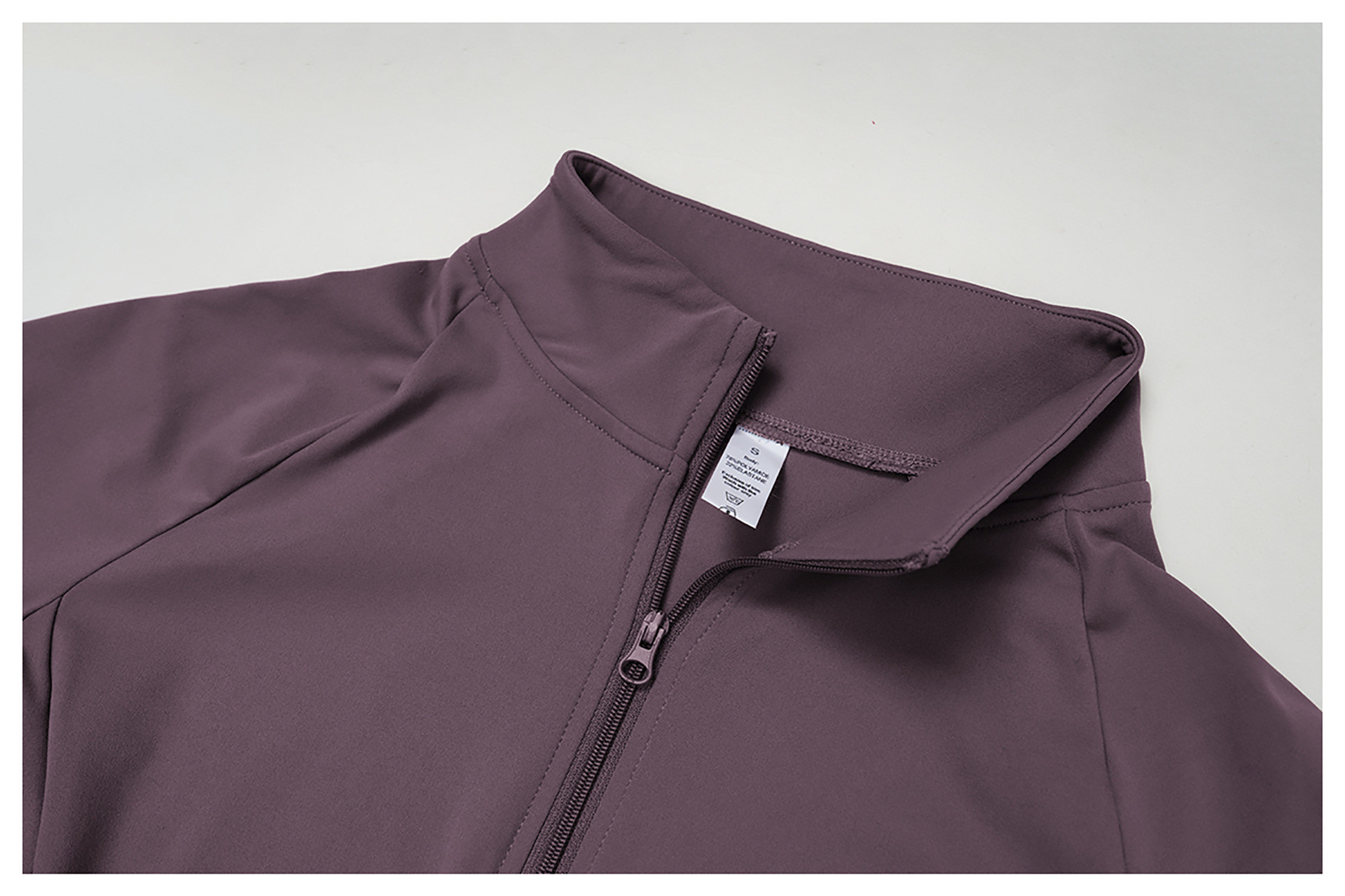
The Evolving Demands of the Athleisure Market
The consumer of today is more discerning than ever. They are not just buying a product; they are investing in a piece of apparel that needs to perform across multiple aspects of their lives. This has created a complex set of demands that traditional fabrics often fail to meet.
Consumer demand for multi-functional athletic wear from workout to daily use.
The line between the gym and the street has blurred. Today's consumers demand apparel that offers seamless versatility, transitioning effortlessly from a morning workout to a work-from-home video call, and then to a casual social gathering. This demand for multifunctional clothing is a primary driver in the athleisure market, with studies showing over 75% of consumers prefer activewear that blends style, comfort, and functionality. The rise of hybrid work models has further accelerated this trend, making comfort and performance essential features for everyday wardrobes. Consumers are increasingly looking for elevated basics that are not only practical for exercise but also stylish enough for daily life.
Limitations of traditional fabrics, such as poor breathability and moisture-wicking.
For decades, cotton was a go-to fabric for casual and athletic apparel due to its softness and breathability in low-sweat situations. However, its performance limitations become glaringly obvious during physical activity. Traditional fabrics like cotton are hydrophilic, meaning they absorb moisture and become heavy and saturated with sweat. This leads to several significant drawbacks:
- Discomfort and Clinging: Sweat-soaked cotton feels heavy, damp, and clings to the skin, creating a significant source of discomfort during exercise.
- Slow Drying Time: Unlike modern synthetic alternatives, cotton dries very slowly. This prolonged wetness can cause a post-exercise chill and makes the garment impractical for quick turnarounds.
- Increased Friction and Chafing: Damp fabric increases friction against the skin, leading to painful irritation and chafing, a common issue that can deter physical activity.
- Poor Shape Retention: Cotton lacks the elasticity and resilience of performance fibers, causing it to stretch out and lose its shape with use and washing.
These limitations make traditional materials unsuitable for the high-performance demands of modern activewear.
High consumer focus on performance, comfort, and sustainability in activewear.
Modern consumers have a multi-faceted value system. While performance is a given, comfort and sustainability have become equally critical purchasing factors. The demand for eco-friendly fabrics has surged significantly, with some reports noting a 60% increase, reflecting a major shift in consumer consciousness. This includes a preference for materials like recycled polyester, organic cotton, and other biodegradable options, as well as a demand for transparency in supply chains and ethical production practices.
Comfort is no longer a luxury but the very foundation of modern design. Consumers expect fabrics to feel good against the skin, offer freedom of movement, and maintain a stable, comfortable environment during and after exercise. This combination of performance, all-day comfort, and ethical, sustainable sourcing is the new standard that successful activewear brands must meet.
Why Fabric Selection is Critical for Brand Success
In a market saturated with options, the choice of fabric has become a primary differentiator. It is the foundation upon which a garment's performance, comfort, and perceived value are built. For a clothing brand, selecting the right material is not just a technical decision—it's a strategic one that directly influences brand identity and customer loyalty.
Direct impact on garment performance, comfort, and durability.
The quality of a fabric directly determines the core attributes of the final garment. High-quality materials ensure that activewear can withstand the rigors of intense workouts and repeated washings, a key factor in customer satisfaction and long-term value perception. Premium fabrics maintain their shape, color, and technical properties over time, preventing common issues like pilling, fading, or loss of elasticity. This durability not only builds brand reputation but also aligns with consumer demands for more sustainable, long-lasting products. Comfort, another critical factor, is also dictated by fabric choice, with properties like softness, breathability, and stretch enhancing the overall user experience.
Crucial for preventing chafing and ensuring stable microclimates against the skin.
An often-overlooked but vital function of activewear fabric is its role in maintaining skin health during physical exertion. The space between the skin and the garment creates a "microclimate," where heat and moisture can build up. When managed poorly, this environment can lead to significant problems.
Friction from clothing, especially when combined with moisture from sweat, is the primary cause of chafing—a painful skin irritation that can affect the inner thighs, underarms, and other sensitive areas. Traditional fabrics like cotton exacerbate this by trapping moisture against the skin. In contrast, advanced performance fabrics are engineered to prevent this. They are often seamless or have smooth, flatlock seams to minimize friction points.
Furthermore, the right fabric helps regulate the skin's microclimate by managing temperature and humidity. Fabrics that trap heat and moisture can disrupt the skin's natural microbiome, potentially encouraging the growth of odor-causing bacteria. Proactive temperature-regulating textiles can even manage heat before sweating begins, preventing overheating from the start. By choosing fabrics with superior moisture-wicking and breathable properties, brands can provide a more stable, comfortable, and hygienic microclimate for the wearer, significantly enhancing the performance experience and preventing discomfort.
Unlocking Peak Performance: The Power of Custom Performance Fabrics for Activewear Brands
To create activewear that genuinely empowers athletes and everyday users, brands must look beyond aesthetics and focus on the science of the materials. A Custom Fabric is not just a component; it is the engine of performance, directly influencing comfort, efficiency, and the wearer's ability to push their limits. Understanding the key technical features of these textiles is the first step toward creating a product that stands out.
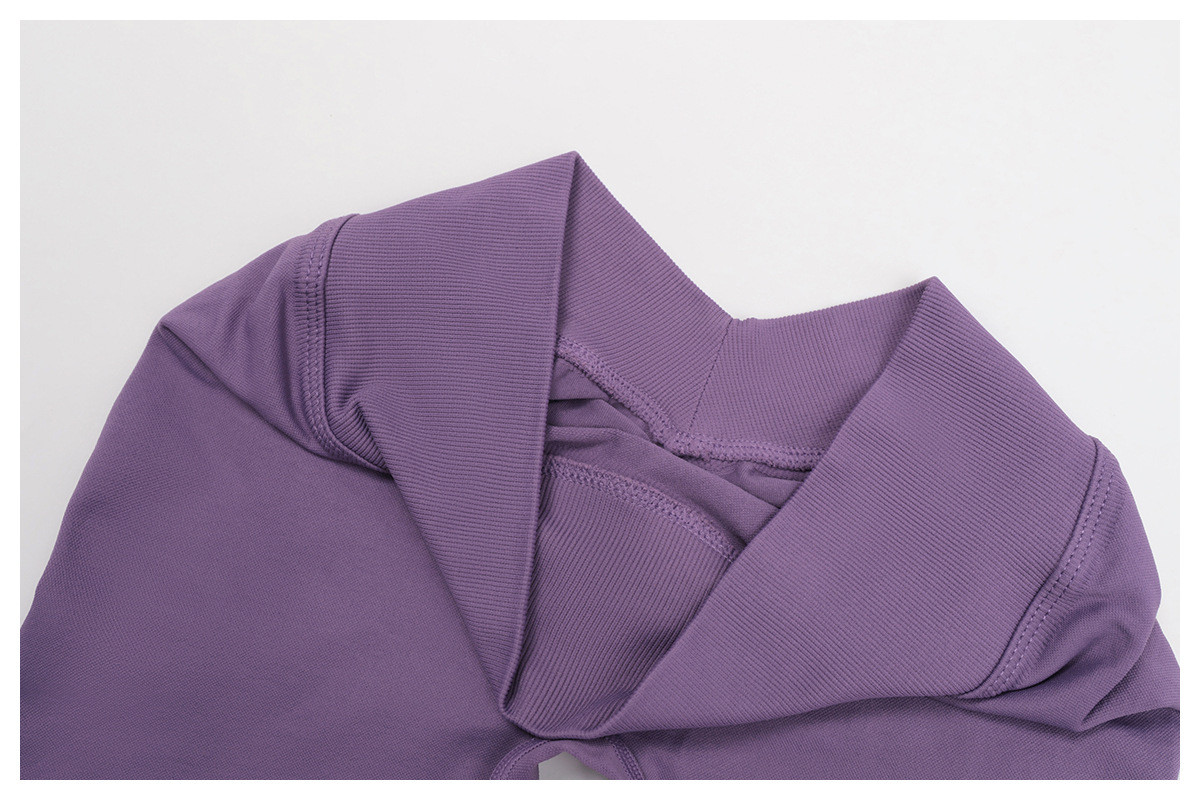
Essential Features for Optimal Athletic Wear
The difference between a good workout and a great one can often come down to the apparel. Modern performance fabrics are engineered with specific properties that work in harmony with the body's natural functions.
Key properties include moisture-wicking, breathability, and quick-drying capabilities.
These three properties form the cornerstone of high-performance activewear, working together to manage sweat and heat.
- Moisture-Wicking: This is the fabric's ability to pull moisture away from the skin and move it to the outer surface. This process, known as capillary action, uses the fabric's fibers as channels to transport sweat, preventing it from pooling on the skin. Synthetic fibers like polyester and nylon are hydrophobic (water-repelling), so they don't absorb the sweat but rather facilitate its movement. This is critical for preventing the clammy, heavy feeling associated with sweat-soaked cotton.
- Breathability: This refers to the fabric's capacity to allow air and water vapor to pass through it. Good airflow helps dissipate the significant amount of heat the body generates during intense exercise, preventing overheating. Breathable fabrics keep the wearer cooler, reduce skin irritation, and even help with odor control by minimizing the buildup of sweat and bacteria.
- Quick-Drying: Once moisture has been wicked to the fabric's surface, it needs to evaporate rapidly. Quick-drying fabrics spread the moisture over a large area to speed up this process. This is crucial not only for comfort during a workout but also for preventing post-exercise chill, which can occur when damp clothing cools the body down too quickly. This feature also adds convenience, as garments are ready for reuse much faster after washing.
Crucial for body temperature regulation and enhanced athlete comfort.
During exercise, the body's primary cooling mechanism is the evaporation of sweat. Clothing can either help or hinder this process. A garment that traps heat and moisture increases the body's core temperature and thermal stress, which can negatively impact endurance and overall performance. The right performance fabrics, however, act as a second skin, enhancing the body's natural thermoregulation. By wicking sweat away and allowing it to evaporate, these fabrics create an efficient cooling effect that helps maintain an optimal body temperature. This regulation is vital for sustaining high levels of performance and ensuring the athlete remains comfortable and focused, rather than distracted by feelings of being too hot, cold, or damp.
Strategic material selection, often featuring advanced synthetic fibers.
The foundation of these performance features lies in the choice of fibers. While natural fibers have their place, synthetic materials overwhelmingly dominate the high-performance activewear space due to their engineered properties.
- Polyester: The workhorse of activewear, polyester is highly durable, wrinkle-resistant, and excels at moisture-wicking. It is hydrophobic, meaning it repels water and dries quickly, making it ideal for high-intensity workouts where heavy sweating is expected.
- Nylon (Polyamide): Known for its exceptional strength, abrasion resistance, and silky-smooth feel, nylon is often used in premium activewear. It is lightweight, durable, and provides excellent stretch and recovery, making it suitable for everything from leggings to outerwear.
- Spandex (Elastane/Lycra): Spandex is the key to stretch and flexibility. Rarely used alone, it is blended with other fibers like polyester or nylon to add remarkable elasticity, allowing the fabric to stretch significantly and then return to its original shape. This is essential for ensuring a full range of motion.
Blends of these materials are common, combining the durability of polyester or nylon with the extreme stretch of spandex to create the perfect balance of functionality and comfort.
The Role of Elasticity, Durability, and Fit
Beyond moisture and temperature management, the structural integrity and physical behavior of a fabric are what define its fit, feel, and longevity. Elasticity, durability, and a proper fit work in concert to create a garment that feels like an extension of the body.
Elasticity is vital for achieving perfect fit and unrestricted freedom of movement.
Elasticity is a fabric's ability to stretch and, just as importantly, recover its original shape. This quality is paramount in activewear, where the body bends, twists, and flexes through a wide range of motions. Fabrics with high elasticity, typically achieved by blending in fibers like spandex, conform to the body's contours to provide a snug, supportive fit without being restrictive.
This is often described in terms of 2-way vs. 4-way stretch:
- 2-Way Stretch: This fabric stretches in one direction, typically from selvage to selvage (crossgrain). It offers a moderate level of flexibility and is common in apparel where stretch is needed for comfort but not for extreme mobility.
- 4-Way Stretch: This is the gold standard for activewear. The fabric stretches both crosswise and lengthwise, offering multi-directional flexibility. This superior range of motion is crucial for activities like yoga, gymnastics, and weight training, where unrestricted movement is essential for proper form and performance.
By enabling a full range of motion, highly elastic fabrics allow athletes to perform without being held back by their clothing.
Durability ensures product longevity and resilience against wear and tear.
Activewear is subjected to intense physical stress, including friction, repeated stretching, and frequent washing. A fabric's durability is its capacity to withstand this wear and tear without degrading. Several factors contribute to durability:
- Abrasion Resistance: This measures a fabric's ability to resist surface wear caused by rubbing against another surface. Nylon, for example, has very high abrasion resistance, making it an excellent choice for high-contact areas.
- Pilling Resistance: Pilling is the formation of small, fuzzy balls of fiber on a fabric's surface, which can make a garment look old and worn. Pilling resistance is tested using methods like the Martindale test, which simulates natural wear by rubbing fabric samples together. High-quality synthetic fibers and specific fabric constructions can minimize pilling.
- Tensile Strength: This is the fabric's ability to resist breaking under tension or a pulling force. Strong fibers like nylon ensure that seams stay intact and the fabric doesn't tear during strenuous movements.
A durable fabric ensures a longer product lifespan, which not only provides better value for the consumer but also enhances the brand's reputation for quality.
Fabrics prevent restriction, allowing the body to move naturally.
The ultimate goal of a well-designed piece of activewear is to feel like it’s not even there. This requires a perfect synergy between fabric and fit. A properly fitting garment, made from a non-restrictive fabric, enhances an athlete's biomechanics and allows for efficient, natural movement patterns. Ill-fitting clothing can be a major distraction, forcing an athlete to constantly adjust their apparel and lose focus. Worse, clothing that is too tight can physically restrict movement and even impact physiological functions like breathing. By selecting fabrics with the right balance of elasticity, structure, and weight, brands can create apparel that supports the body's movements, reduces the risk of injury, and empowers the wearer with the confidence to perform at their absolute best.
AOLAFREE's Strategic Advantage: Your Partner in Custom Activewear Solutions
In a market defined by high consumer expectations and fierce competition, choosing the right manufacturing partner is as critical as choosing the right fabric. A partner should be more than a supplier; they should be a strategic collaborator invested in your brand's vision and success. This is where AOLAFREE provides a decisive edge. We merge cutting-edge fabric technology with a deep commitment to ethical and flexible manufacturing, empowering brands to not only compete but lead.
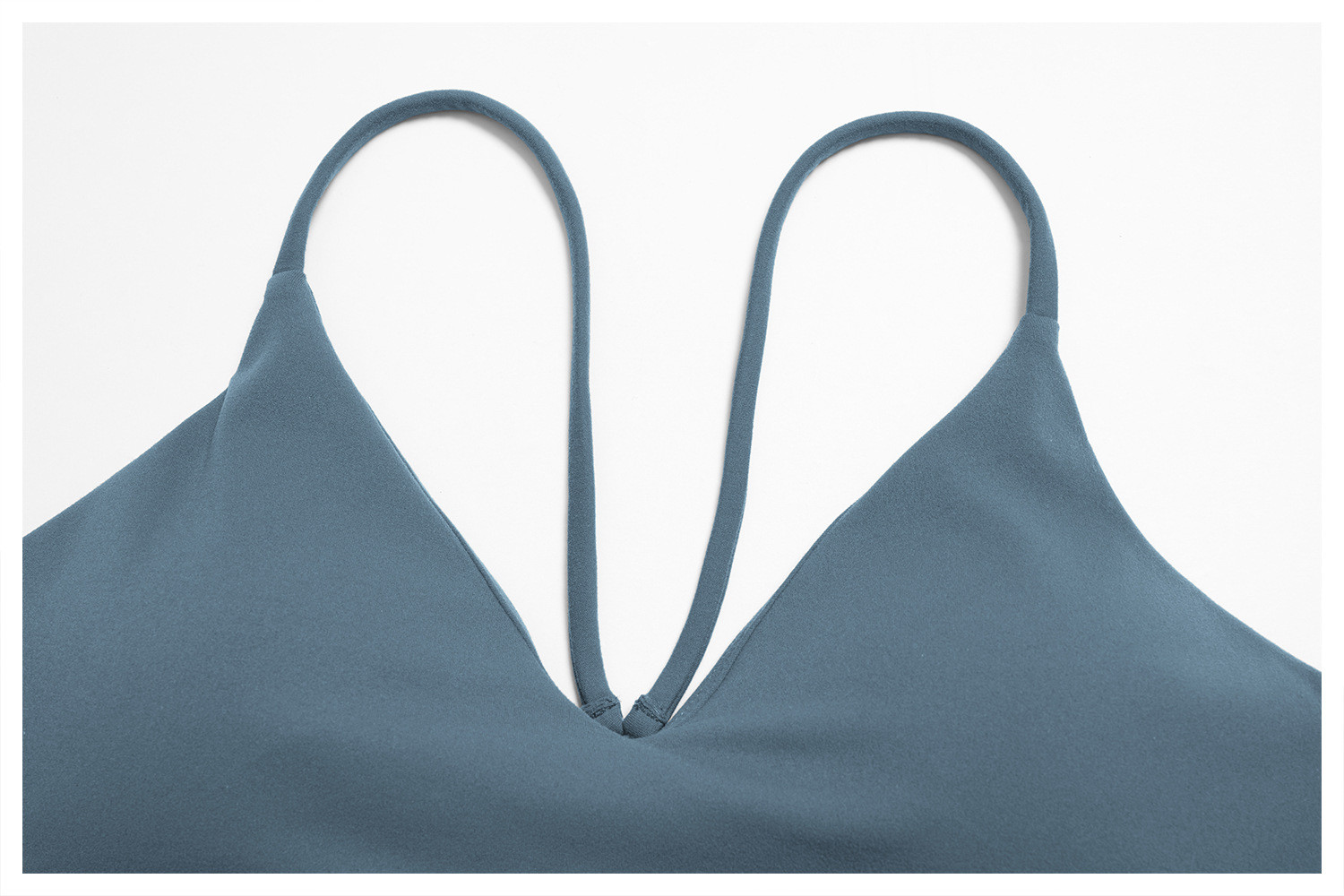
Our Commitment to Innovation and Ethical Manufacturing
At the core of AOLAFREE's philosophy is an unwavering dedication to three pillars: superior quality, relentless innovation, and uncompromising ethical principles. We understand that a brand's reputation is built on trust, and we provide the foundation for that trust through transparency and proven excellence.
AOLAFREE is a leading supplier of custom activewear fabric solutions in China.
As a premier sportswear manufacturer in China, AOLAFREE has established itself as an expert in providing custom solutions for the global activewear market. Our specialization in activewear means we have a nuanced understanding of the performance requirements and market trends that define the industry. Our fabric research and development team is constantly exploring new textile technologies, from advanced synthetic blends to innovative eco-friendly fibers, to create materials that are both functional and fashionable. We leverage this expertise to offer a one-stop-shop for brands, from fabric development and material customization to full garment production.
We focus on superior quality, innovative performance, and ethical production practices.
Our commitment to quality is embedded in every stage of our process. It begins with the strict selection of the highest-grade raw materials and extends through a production process governed by rigorous quality control standards. But quality is more than just defect-free production; it's about integrity. We believe that true quality encompasses a commitment to ethical and responsible manufacturing. This is why we have earned and maintain several internationally recognized certifications:
- OEKO-TEX® STANDARD 100: This certification ensures that our textiles are free from harmful substances and are safe for direct skin contact—a non-negotiable for activewear.
- Global Recycled Standard (GRS): This standard verifies the recycled content in our fabrics and tracks it through the supply chain, while also ensuring strict social and environmental processing requirements.
- BSCI (Business Social Compliance Initiative): This demonstrates our commitment to fair labor practices and ethical social compliance throughout our supply chain.
- WRAP (Worldwide Responsible Accredited Production): This certification proves our dedication to lawful, humane, and ethical manufacturing processes.
These certifications are more than just logos; they are tangible proof of our dedication to creating products that are safe for consumers, fair to workers, and kind to the planet. Further information on our commitment can be found on the About AOLA page.
Our solutions help brands enhance competitiveness and overcome traditional fabric limitations.
By partnering with AOLAFREE, brands gain access to innovative fabrics designed to solve the very problems that limit traditional activewear. Where conventional materials are restrictive and retain moisture, our advanced textiles offer superior flexibility, breathability, and moisture management. We create fabrics with a "push-pull" effect, using hydrophilic and hydrophobic fiber combinations to actively pull sweat away from the skin and disperse it for rapid evaporation, keeping the wearer dry and comfortable. This focus on overcoming the functional-performance gap allows our brand partners to offer products that deliver a demonstrably better user experience, thereby enhancing their competitive position in the market.
Tailored Fabric Solutions for Unique Brand Visions
In a world of mass production, uniqueness is a powerful asset. Customization allows a brand to translate its specific identity and values into a tangible product that cannot be easily replicated. We believe that every brand has a unique story to tell, and the fabric is a primary medium for telling it.
We provide flexible custom activewear solutions to meet diverse brand needs.
AOLAFREE specializes in bringing unique brand visions to life through flexible and comprehensive customization services. We understand that both startups and established brands have different needs, which is why we offer solutions like low Minimum Order Quantities (MOQ) to help new brands launch without the burden of massive inventory. Our customization goes beyond just logos and colors. We offer deep, collaborative development in several key areas:
- Custom Fabric Development: Work with our R&D team to engineer a fabric with the exact performance characteristics, weight, texture, and color your collection requires.
- Design and Trim: We offer full customization of logos, zippers, elastics, and other trim components to ensure every detail reflects your brand identity.
- Fit and Sizing: Our technical team collaborates with you to develop a proprietary fit and custom sizing scale tailored to your target audience.
This flexibility allows brands to create truly exclusive product lines that stand out.
We aid global brands in developing high-quality, comfortable, and sustainable activewear collections.
Our mission is to serve as a strategic partner for global brands aiming to create superior activewear collections. We achieve this by focusing on the intersection of quality, comfort, and sustainability. Our commitment to sustainable manufacturing is not an afterthought; it is integrated into our core operations. We actively source and develop eco-friendly materials, including:
- Recycled Polyester (rPET) and Nylon: These materials reduce our reliance on virgin resources and divert plastic waste from landfills and oceans.
- Bio-Based and Plant-Based Fibers: We are continually exploring innovative fibers derived from renewable resources like bamboo, corn, and eucalyptus trees (Tencel™), which offer a lighter environmental footprint.
- Responsible Production Processes: We invest in technologies like water-saving dyeing techniques and zero-waste pattern cutting to minimize our environmental impact.
By combining these sustainable practices with our expertise in high-performance materials, we help brands create collections that appeal to the growing market of eco-conscious consumers without compromising on quality or function.
Our fabrics directly influence brand image and customer satisfaction through properties like softness and sustainability.
The tactile experience of a fabric, known as its "hand feel," is one of the first and most impactful interactions a customer has with a garment. It communicates quality, comfort, and luxury before the garment is even tried on. Studies have shown that over 60% of consumers cite fabric feel as a key factor in their purchasing decisions. A superior hand feel—whether it's exceptionally soft, smooth, or has a pleasant weight—can justify a premium price point and build immense customer loyalty.
At AOLAFREE, we engineer fabrics with a specific hand feel to match the end-use and brand positioning, from the buttery-soft texture desired for yoga leggings to the slick, compressive feel needed for high-intensity training gear. This, combined with a verifiable commitment to sustainability, creates a powerful brand story. When a product not only performs exceptionally but also feels incredible to the touch and aligns with the customer's values, it fosters a deep connection that transforms a one-time purchase into lasting brand loyalty.
Mastering Specialized Markets: Advanced Activewear Fabrics for Yoga Apparel Innovation
The yoga apparel market, a significant and rapidly growing segment of the broader activewear industry, is undergoing its own transformation. No longer confined to the studio, yoga wear has become a staple of everyday fashion, merging high performance with lifestyle versatility. For brands to succeed in this specialized space, they must understand the nuanced demands of the modern yoga practitioner, where comfort, performance, and mindful values intersect.
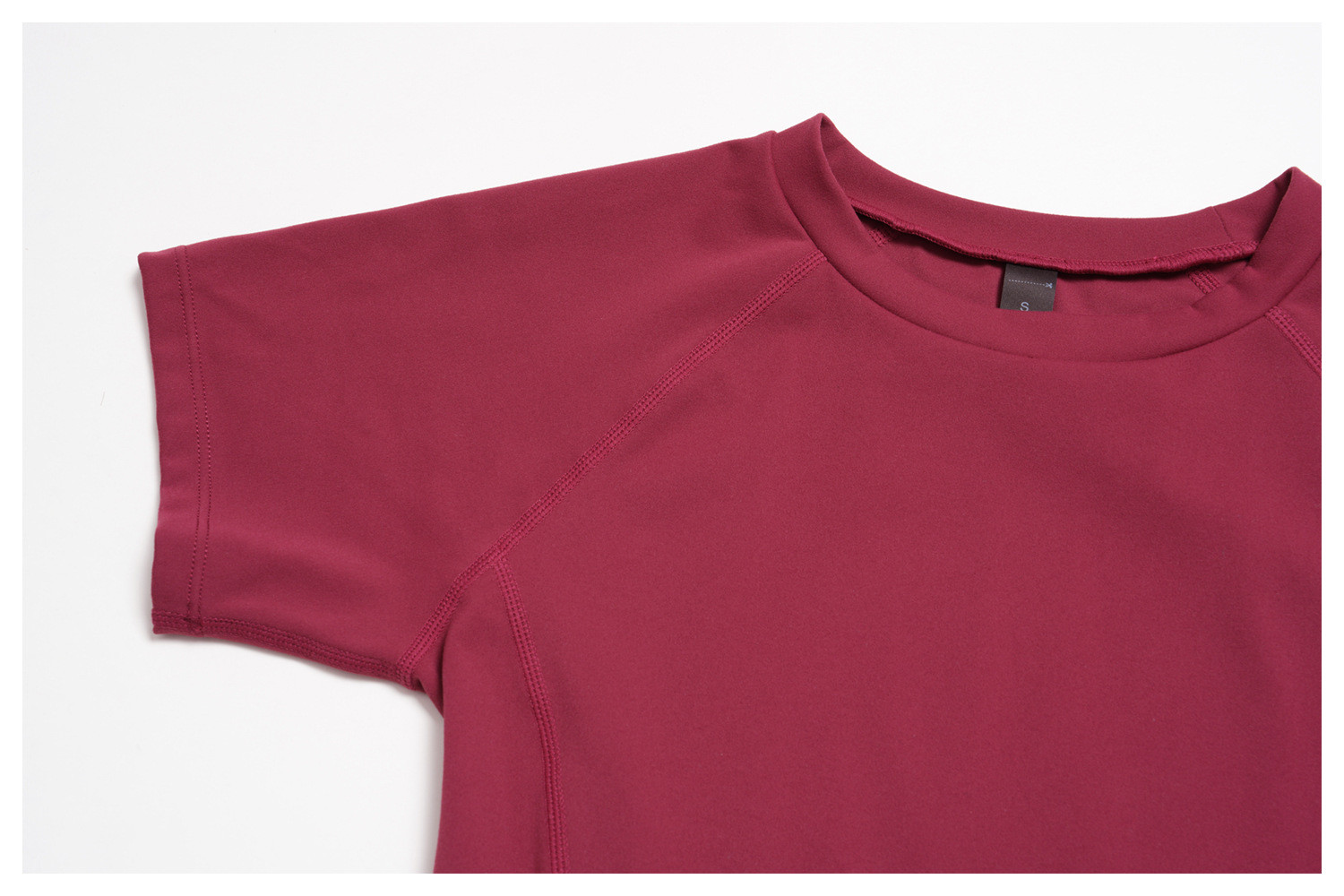
Transforming Yoga Apparel with Cutting-Edge Textile Technology
The evolution of yoga from a niche practice to a global wellness movement has driven a parallel evolution in its apparel. Practitioners now expect clothing that not only stretches but also supports, breathes, and lasts, all while feeling like a second skin. This has pushed fabric technology to the forefront of innovation in yoga wear design.
The yoga apparel market is undergoing significant transformation, driven by athleisure trends.
The global yoga clothing market is projected to see sustained growth, fueled by a consumer base that prioritizes health, wellness, and comfort. The "studio-to-street" phenomenon is a major driver, with consumers seeking versatile pieces that can be worn for a yoga session, while running errands, or for casual social outings. This trend has expanded the market beyond just functional workout gear, blending it with everyday fashion. As a result, design elements like minimalist luxury, clean silhouettes, and earthy, nature-inspired color palettes are becoming just as important as technical performance. This convergence of lifestyle and fitness means brands must deliver on both aesthetics and functionality to capture the modern consumer's interest.
Advanced fabric innovations offer superior moisture management, unrestricted movement, and eco-friendly production.
Modern yoga fabrics are scientifically engineered to provide a superior experience on the mat. The limitations of traditional materials like cotton—which absorbs sweat and restricts movement—are being overcome by a new generation of technical textiles. Key innovations include:
- Superior Moisture Management: High-performance fabrics made from synthetic blends like nylon and polyester use advanced moisture-wicking technology to pull sweat away from the skin. This keeps the practitioner dry, comfortable, and focused, which is especially important in heated or high-intensity classes.
- Unrestricted Movement: Four-way stretch is now a baseline expectation in quality yoga wear. The inclusion of a high percentage of spandex or Lycra (often 15-25%) allows the fabric to move seamlessly with the body, providing the freedom needed for deep stretches and complex poses without bagging or losing shape.
- Eco-Friendly Production: A significant trend is the rise of sustainable fabrics. Brands are increasingly using materials like recycled polyester (from plastic bottles), recycled nylon (from fishing nets), organic cotton, and plant-based fibers like bamboo and Tencel™. This meets the growing demand from mindful consumers who want their apparel choices to align with their values.
Benefits include unparalleled performance, exceptional comfort, and enhanced sustainability.
The integration of these advanced fabrics provides tangible benefits that elevate the entire practice. Unparalleled performance is achieved through fabrics that are both supportive and flexible, allowing practitioners to push their boundaries without being hindered by their clothing. Exceptional comfort comes from features like a buttery-soft "peached" finish, seamless construction to prevent chafing, and high breathability to regulate body temperature. Finally, the emphasis on sustainability offers an emotional and ethical benefit, allowing consumers to invest in products that are not only durable and high-quality but also kinder to the planet. This trifecta of performance, comfort, and sustainability is what defines premium modern yoga wear.
Adapting to Consumer Trends with Sustainable and Ergonomic Designs
To thrive in the competitive yoga market, manufacturers and brands must be acutely responsive to the evolving priorities of consumers. This means going beyond basic functionality to embrace a holistic approach that incorporates sustainability, inclusivity, and intelligent design.
Manufacturers must utilize advanced activewear fabrics to meet evolving expectations.
Today's consumer is highly educated about fabric performance. They expect their yoga apparel to be sweat-wicking, breathable, quick-drying, and durable. They are also increasingly looking for added features like antimicrobial treatments to reduce odor and UPF protection for outdoor practice. To meet these high expectations, manufacturers must strategically select and develop advanced fabrics. This involves not just choosing the right fiber blend—like a premium nylon-spandex mix for a soft, compressive feel—but also applying specialized finishing processes like mechanical brushing to achieve a desired texture. The ability to offer these high-performance, feature-rich fabrics is a key differentiator in the market.
Integration of ergonomic designs and sustainable practices is key for modern consumers.
Ergonomics in apparel design is the science of creating clothing that works in harmony with the body's natural movements. In yoga wear, this translates to:
- Anatomical Fit: Using cuts and seam placements that follow the body's contours to reduce friction and allow for a full range of motion.
- Targeted Support: Incorporating compression zones in areas that require more stability, such as a supportive, high-waisted band on leggings.
- Seamless Construction: Utilizing seamless knitting technology to eliminate bulky seams that can cause irritation and chafing during long holds or repetitive movements.
When these intelligent, ergonomic design principles are combined with sustainable and ethical manufacturing practices, it creates a powerful value proposition. Consumers are increasingly loyal to brands that are transparent about their supply chain and demonstrate a real commitment to both environmental responsibility and fair labor practices.
Addressing the demand for versatility and responsible production methods.
The "studio-to-street" trend underscores the growing demand for versatility. Consumers want high-quality pieces that are stylish enough for everyday wear, reducing the need for an extensive wardrobe and promoting a "buy less, buy better" mentality. This aligns perfectly with the principles of sustainability. By creating durable, timeless, and multi-functional apparel, brands can encourage more conscious consumption. Responsible production, which includes everything from using eco-friendly materials and water-saving dye processes to ensuring fair wages for workers, is no longer a niche expectation but a mainstream demand. Brands that successfully integrate these elements into their core identity are best positioned to connect with the modern yoga consumer and build a loyal community.
Frequently Asked Questions (FAQ)
Q1: What are the biggest limitations of traditional fabrics like cotton for activewear? Traditional fabrics, especially 100% cotton, have significant drawbacks for activewear. They absorb and retain moisture, becoming heavy, wet, and slow to dry. This leads to discomfort, chafing from increased friction, and can even cause a post-exercise chill. They also lack the elasticity and shape retention of modern performance blends, often stretching out and losing their fit.
Q2: What is the difference between 2-way and 4-way stretch, and why is it important? 2-way stretch fabric stretches in one direction (usually horizontally), while 4-way stretch fabric stretches both horizontally and vertically. 4-way stretch is crucial for activewear, especially for activities like yoga, because it provides unrestricted freedom of movement, allowing the garment to move with the body in every direction without resistance. This ensures a comfortable, non-restrictive fit during dynamic poses.
Q3: How does AOLAFREE ensure its manufacturing is ethical and sustainable? AOLAFREE demonstrates its commitment through internationally recognized certifications, including OEKO-TEX® STANDARD 100 (ensuring fabrics are free from harmful chemicals), GRS (Global Recycled Standard), BSCI (Business Social Compliance Initiative), and WRAP (Worldwide Responsible Accredited Production). These certifications validate our adherence to consumer safety, the use of recycled materials, environmental responsibility, and fair labor practices throughout our supply chain.
Q4: What is "fabric hand feel" and why does it matter for a brand? Fabric "hand feel" refers to the tactile sensation of a fabric when touched—its softness, smoothness, and weight. It's a critical component of perceived quality and a major factor in purchasing decisions. A superior hand feel can create an immediate impression of luxury and comfort, justify a premium price, and build strong customer loyalty by enhancing the overall wearing experience.
Q5: Can I develop a completely new and exclusive fabric with AOLAFREE? Yes. One of our core services is providing tailored fabric solutions. Our R&D team collaborates with brands to engineer a completely Custom Fabric with specific performance features, textures, weights, and colors to help your collection stand out and embody your unique brand vision.
Conclusion
In today's dynamic market, selecting exceptional fabrics is paramount for creating activewear that captures consumer loyalty and provides a genuine competitive edge. The modern athlete and lifestyle-oriented consumer demand apparel that delivers on all fronts: superior performance, lasting comfort, versatile style, and a commitment to sustainability. As we’ve explored, the journey from raw fiber to a finished garment is a complex science, where every choice—from moisture-wicking capabilities and four-way stretch to ergonomic design and ethical sourcing—contributes to the final product's success.
We at AOLAFREE are your dedicated partner in this journey. We provide the innovative fabrics and custom solutions necessary to transform your brand’s vision into reality, empowering you to not only meet but exceed the expectations of today's discerning consumer. By leveraging our expertise in advanced textile technology and our unwavering commitment to ethical manufacturing, you can build a brand that leads the industry in quality, innovation, and trust. Let's create something extraordinary together. If you are ready to elevate your brand, please Contact US to start the conversation.