How AOLAFREE Helps You Choose the Perfect OEM/ODM Activewear Manufacturer Partner
- Share
- Issue Time
- May 26,2026
Summary
Choosing the right manufacturing partner is a pivotal decision for any activewear brand, directly influencing product quality and market success.
For an activewear brand, the journey from a brilliant concept to a tangible, market-leading product is paved with critical decisions. None is more pivotal than choosing the right manufacturing partner. This choice is the bedrock of your brand's success, influencing everything from the quality of your apparel to your ability to scale. Whether you are creating high-performance athletic gear or trendy athleisure collections, partnering with the perfect OEM/ODM activewear manufacturer can define your brand’s trajectory and reputation in a competitive market. At AOLAFREE, we recognize the intricate challenges of custom activewear production. We are dedicated to being more than just a manufacturer; we are your partner, guiding you through the process of selecting a reliable ally who aligns perfectly with your brand’s values, vision, and ambitious goals.
Understanding Your Needs: OEM vs. ODM for Activewear Manufacturers
The first step in your manufacturing journey is understanding the fundamental production models: Original Equipment Manufacturing (OEM) and Original Design Manufacturing (ODM). This decision shapes your product development process, level of creative control, and speed-to-market. Choosing the right path depends entirely on your brand's resources, design capabilities, and strategic objectives. Let's explore which model is the perfect fit for your activewear line.
The OEM Path: When Your Brand Has the Design
The OEM, or Original Equipment Manufacturer, path is ideal for activewear brands that have a strong, clear design vision and prefer to maintain complete creative control. In this model, your brand provides the manufacturer with detailed designs, technical specifications (tech packs), and material requirements. The manufacturer's role is to execute your vision precisely. This approach allows you to create truly unique and exclusive product lines that are not available to other brands.
Choosing the OEM route offers several significant advantages:
- Full Creative Control: Your brand dictates every single detail, from the specific fabric blend and compression level to the type of stitching and placement of seams. This ensures the final product is a perfect reflection of your brand's identity and performance standards.
- Brand Exclusivity and IP Protection: Since the design belongs to you, the resulting product is entirely proprietary. This is crucial for building a unique brand identity and protecting your intellectual property in a crowded market.
- Focus on Core Strengths: By outsourcing the complex manufacturing process, your team can concentrate on what it does best: design innovation, brand building, marketing, and connecting with your customers.
- Quality Assurance: Direct involvement and clear specifications from the start of the OEM process allow you to enforce rigorous quality standards, ensuring consistency across every piece produced.
The OEM process typically begins when you submit your tech pack—a detailed blueprint of your garment—to the manufacturer. This document is critical as it contains everything from measurements and material lists to color codes and construction details. At AOLAFREE, our expert team reviews your tech pack to ensure feasibility and provides a detailed consultation. We then move to the sampling stage, creating prototypes for your approval before commencing bulk production. This meticulous, collaborative process ensures that we bring your unique vision to life with precision and care, making us the ideal partner for brands that demand perfection and own their designs.
The ODM Advantage: Partnering for Design and Speed-to-Market
In contrast to the control-focused OEM path, the Original Design Manufacturer (ODM) model offers a powerful advantage for brands prioritizing speed, efficiency, and lower initial investment. With ODM, the manufacturer provides a catalog of pre-designed, market-tested activewear styles. Your brand can then select these designs and customize them with your own logo, colorways, and branding elements. This model is often referred to as "private label" manufacturing.
The ODM advantage is particularly compelling for startups and emerging brands for several reasons:
- Accelerated Speed-to-Market: By eliminating the lengthy design and development phase, ODM allows you to launch a new collection in a fraction of the time. You can capitalize on trends quickly without starting from scratch.
- Lower Upfront Costs: ODM significantly reduces R&D expenses because you are not investing in creating patterns and initial prototypes from zero. This conserves capital that can be redirected toward marketing and brand building.
- Reduced Risk: The designs offered by an ODM manufacturer have often been produced before, meaning they are tested for fit, function, and manufacturability. This minimizes the risk of unforeseen production issues.
- Access to Design Expertise: Brands without an in-house design team can leverage the manufacturer's expertise in activewear trends, materials, and construction.
At AOLAFREE, we offer a robust ODM program that combines the best of speed and customization. Our talented design team continuously develops innovative and on-trend activewear collections that you can choose from. We work closely with you to apply your unique branding, select fabrics, and adjust colors to ensure the final product aligns with your brand identity while getting you to market faster.
Making the Strategic Choice for Your Activewear Line
Deciding between an OEM/ODM manufacturing model is not just a production choice; it's a core business strategy that impacts your brand's identity, budget, and growth potential. There is no single "better" option—the right path depends on your brand's current stage and future ambitions.
Choose the OEM path if:
- You have a strong, unique design vision. If your brand's value proposition is built on proprietary designs, unique fits, or innovative features, OEM is the only way to ensure your product is exclusive.
- Brand differentiation is a top priority. In a competitive market, having a product that is unmistakably yours is a powerful asset. OEM allows you to control every detail to build a strong, recognizable brand identity.
- You have the resources for R&D. OEM requires more upfront investment in design development, tech packs, and sampling, making it better suited for established brands or well-funded startups.
Choose the ODM path if:
- You are a startup or new brand. ODM is perfect for testing the market with minimal risk and lower upfront investment, making it a popular choice for new entrepreneurs.
- Speed-to-market is critical. If you need to capitalize on a fast-moving trend or launch a collection quickly, ODM's pre-designed solutions are the most efficient route.
- You have a limited budget or no in-house design team. ODM allows you to launch a professional-looking collection without the high costs of design and development.
Many successful brands employ a hybrid strategy, starting with ODM to establish a market presence and then transitioning to OEM for core products as they grow and gather customer feedback. A versatile manufacturing partner that offers both services provides the flexibility to adapt your strategy as your brand evolves.
Here is a comparison table to help you decide:
| Feature | OEM (Original Equipment Manufacturer) | ODM (Original Design Manufacturer) |
|---|---|---|
| Design Control | 100% brand-driven; full control over every detail. | Supplier-driven designs; limited customization (logo, color). |
| Intellectual Property | Designs are owned by the brand. | Designs are owned by the manufacturer. |
| Time-to-Market | Longer (months) due to design, sampling, and revisions. | Faster (weeks) as designs are ready-made. |
| Upfront Cost | Higher, due to R&D, pattern making, and sampling. | Lower, as design and development costs are minimal. |
| Product Uniqueness | High. Creates exclusive, differentiated products. | Low. The same base designs may be sold to other brands. |
| Best For | Established brands with a unique vision and design team. | Startups, fast-fashion brands, and those testing the market. |
Ultimately, the best choice aligns with your long-term vision. Do you want to build a brand known for its unique products, or do you need to launch quickly and efficiently? Answering this question is the first step toward finding the perfect manufacturing partner.
Key Considerations for Selecting an OEM/ODM Activewear Manufacturer Partner
Once you’ve decided between OEM and ODM, the next critical step is vetting potential manufacturing partners. This selection process goes far beyond comparing price quotes. A true partner contributes to your brand’s quality, scalability, and reputation. Evaluating candidates on their production capabilities, commitment to quality, technical expertise, and communication is essential to building a resilient and successful supply chain.
Evaluating Production Capabilities and Minimum Order Quantities (MOQ)
A manufacturer's production capability is a cornerstone of a successful partnership. It dictates their ability to meet your deadlines, handle your order volume, and scale with your brand. However, this evaluation must also include their Minimum Order Quantity (MOQ).
Assessing Production Capabilities: A manufacturer's claimed capacity and their actual, effective capacity can be two different things. A thorough evaluation should include:
- Machinery and Technology: A factory's equipment is a direct indicator of its capabilities. For activewear, look for specialized machinery like flatlock stitch machines, seamless knitting machines, and laser cutters. Outdated or poorly maintained equipment can lead to production delays and quality inconsistencies.
- Workforce Size and Skill: The number of workers and their expertise are critical. An experienced workforce, particularly one skilled in technical activewear construction, is invaluable for ensuring high-quality output. Ask about their team structure, including pattern makers, QC staff, and line workers.
- Production Output Data: Don't just take their word for it. Ask for recent production logs that show average units produced per day or week, defect rates, and on-time delivery percentages. This data provides a realistic picture of their performance.
- Scalability: A great partner can grow with you. Discuss their ability to handle increased order volumes. Do they have the infrastructure to scale from a few hundred pieces to several thousand? How do they manage production scheduling to accommodate growing brands?
Understanding Minimum Order Quantities (MOQ): MOQ is the smallest number of units a factory is willing to produce for a single order. This is a crucial factor, especially for startups and small brands.
- Why MOQs Exist: Factories set MOQs to cover the costs of setup, materials, and labor, ensuring each production run is profitable. Fabric mills also have their own MOQs, which directly impacts the garment manufacturer's requirements.
- Typical MOQs for Activewear: For startups, a reasonable MOQ for custom activewear typically ranges from 100 to 300 pieces per style. Larger factories may require 500 pieces or more.
- The Importance of Flexibility: High MOQs can be a major barrier for new brands, tying up capital in inventory and increasing financial risk. A manufacturer with a flexible MOQ policy demonstrates a willingness to partner with growing brands. This flexibility allows you to test new styles, manage cash flow more effectively, and reduce the risk of unsold stock.
At AOLAFREE, we pride ourselves on our state-of-the-art factory and massive production capacity, which allows us to serve large, established brands. However, we are also deeply committed to fostering new talent. We offer flexible MOQ solutions designed specifically for startups and growing brands, allowing you to launch your vision without the burden of excessive inventory.
Ensuring Quality, Certifications, and Sustainable Manufacturing
In today's conscious consumer market, product quality is intrinsically linked to ethical and sustainable production. A manufacturer's commitment in these areas is not just a bonus—it's a critical component of your brand's story and long-term viability.
A Multi-Stage Quality Control Process: Exceptional activewear is the result of rigorous quality control (QC) at every stage of production. A reliable manufacturer should have a clearly defined and documented QC process. This includes:
- Raw Material Inspection: Before any cutting or sewing begins, fabrics and trims must be inspected for defects, color consistency, and correct weight (GSM).
- In-Process Quality Control (IPQC): QC checks should be performed during the sewing process. This involves pulling random garments from the assembly line to check for stitch quality, seam strength, and pattern accuracy, catching errors before they affect the entire batch.
- Final Quality Control (FQC): Every finished garment should undergo a final inspection. This check verifies measurements, overall appearance, correct label and logo placement, and packaging.
- Performance Testing: For activewear, it is crucial to test for functional attributes like moisture-wicking capability, color fastness, stretch and recovery, and anti-pilling resistance.
Verifying Certifications for Trust and Transparency: Certifications from independent, third-party organizations provide objective proof of a manufacturer's claims regarding quality, safety, and ethics. Key certifications to look for include:
- ISO 9001: A globally recognized standard for quality management systems. It indicates that a factory has established and maintains effective processes to ensure consistent product quality.
- OEKO-TEX® STANDARD 100: This certification ensures that every component of a garment—from the fabric to the thread and zippers—has been tested for harmful substances and is safe for human health.
- WRAP (Worldwide Responsible Accredited Production): This is the world's largest independent certification program for the apparel industry, focusing on lawful, humane, and ethical manufacturing. A WRAP certification demonstrates a factory's commitment to fair labor practices and safe working conditions.
- Sustainable and Ethical Manufacturing: Beyond certifications, inquire about a manufacturer’s commitment to sustainability. Do they use recycled or bio-based materials? Do they have systems for reducing water and energy consumption? A commitment to ethical production means creating activewear that is not only good for the consumer but also for the planet and the people who make it.
At AOLAFREE, we enforce a stringent, multi-stage QC process to guarantee a defect rate of less than 0.1%. We are committed to ethical production, and you can learn more about our values and practices on our About AOLA page. We believe that superior activewear is born from a synthesis of quality craftsmanship and responsible manufacturing.
The Importance of Technical Fabric Expertise and Innovative Designs
Activewear is defined by its performance, which comes directly from the fabrics used. A manufacturer's expertise in technical fabrics is not just a bonus—it is a fundamental requirement. Their ability to source, recommend, and work with advanced materials directly impacts the functionality, comfort, and durability of your final product. Likewise, a partner with a strong design team can elevate your collection from standard to standout.
Why Technical Fabric Expertise is Non-Negotiable: Technical fabrics are engineered materials designed for specific functions beyond aesthetics. A partner with deep expertise can guide you in selecting the right materials based on your product's intended use. Key fabric properties include:
- Moisture-Wicking: Fabrics like polyester and certain nylon blends are designed to pull sweat away from the skin to the fabric's surface, where it can evaporate. This keeps the wearer dry and comfortable.
- Breathability: Materials that allow air to circulate are essential for preventing overheating during intense activities.
- Stretch and Recovery: Fabrics with elastane (like Spandex or Lycra) offer the flexibility needed for a full range of motion and return to their original shape after being stretched.
- Thermoregulation: Some advanced fabrics can help regulate body temperature, keeping the wearer warm in cold conditions or cool in the heat.
- Durability and Abrasion Resistance: Activewear must withstand frequent use and washing. Materials like nylon are known for their strength and resistance to friction.
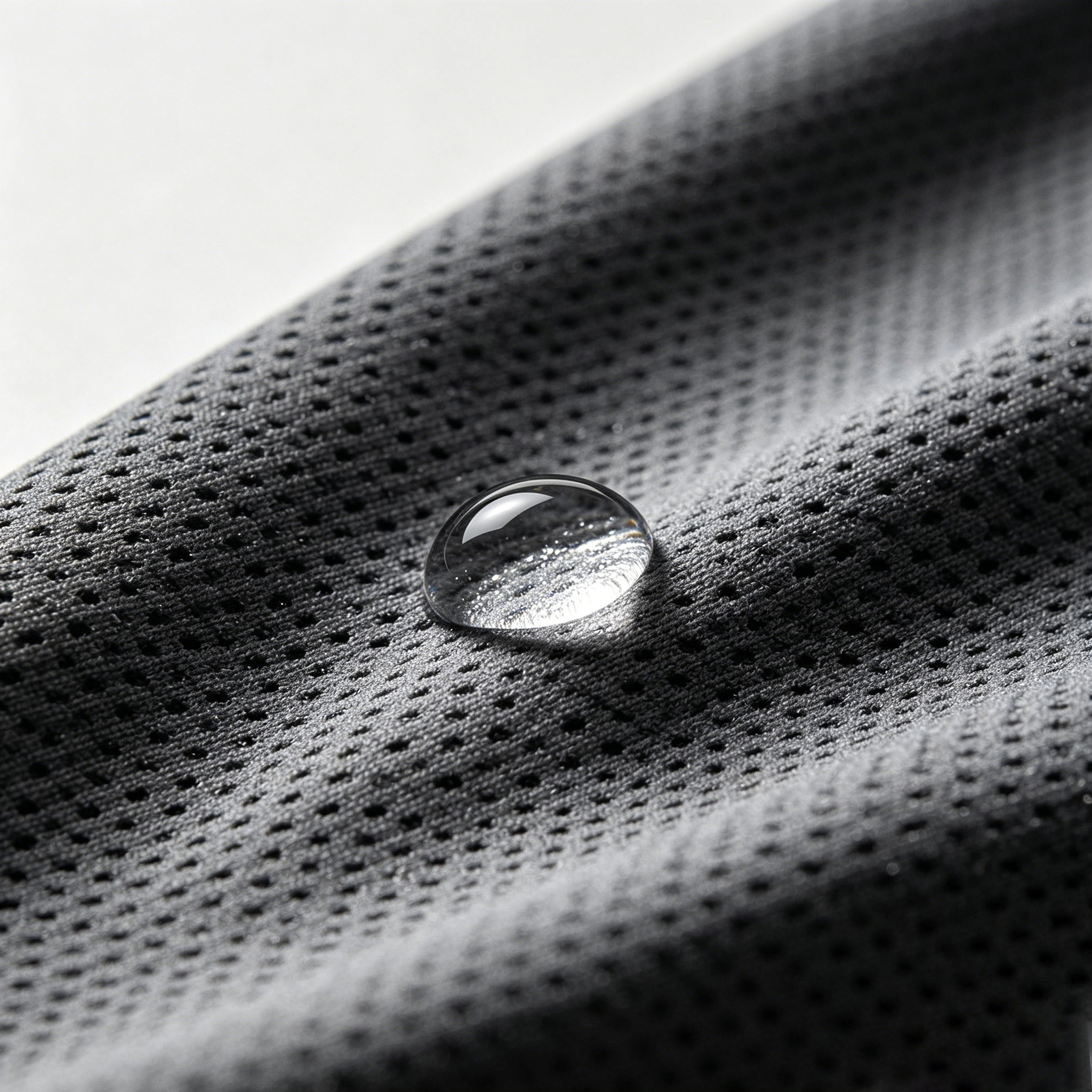
The Power of Innovative Design: In the increasingly crowded athleisure market, innovative design is a key differentiator. A manufacturing partner with a strong in-house design and development team is an invaluable asset. They can:
- Translate Trends into Commercial Products: They stay ahead of market trends, such as the move towards multifunctional pieces, bold patterns, and seamless silhouettes, and help you incorporate these elements into your collection.
- Enhance Functionality: A great design team understands how to create garments that are not just stylish but also functional. This includes the strategic placement of mesh panels for ventilation, ergonomic seam placement for comfort, and the design of pockets and other features.
- Drive Innovation: Manufacturers often drive innovation by experimenting with new construction techniques, fabric blends, and performance finishes.
At AOLAFREE, our strength lies at the intersection of material science and cutting-edge design. Our R&D team works tirelessly to source and develop exclusive high-performance fabrics, while our design experts help brands create activewear that is both on-trend and technically superior. This synergy ensures your product performs at the highest level and captures the attention of the modern consumer.
Transparent Communication and Reliable Partnership
Beyond the machinery, fabrics, and certifications lies the most critical element of a successful manufacturing journey: the relationship you build with your partner. A manufacturer is not merely a vendor; they are an extension of your team. Transparent communication and a reliable, trust-based partnership are the glue that holds the entire production process together, especially when working with overseas partners.
The Power of Clear and Consistent Communication: Effective communication prevents costly mistakes, minimizes delays, and ensures that the final product aligns perfectly with your vision. Key aspects of strong communication include:
- A Dedicated Point of Contact: Having a single, dedicated account manager who understands your brand and project history is invaluable. This prevents information from getting lost and ensures you always know who to turn to with questions.
- Responsiveness and Proactivity: A great partner doesn't just react to problems; they anticipate them. They should be responsive to your inquiries and proactive in communicating potential delays or issues with production.
- Clarity and Detail: Vague instructions lead to vague results. Ensure all your requirements are clearly documented in tech packs and other official communications. A good manufacturer will ask clarifying questions to ensure they understand your needs perfectly.
- Cultural and Language Understanding: When working with overseas manufacturers, cultural nuances and language barriers can pose challenges. A partner with a strong command of English and an understanding of Western business practices can bridge this gap, leading to a smoother collaboration.
Building a Partnership You Can Rely On: A reliable partnership is built on a foundation of trust, mutual respect, and shared goals. This transforms the relationship from a simple transaction into a strategic alliance.
- Transparency: A trustworthy manufacturer is transparent about their processes, timelines, and costs. They provide clear, honest updates, even when there's bad news.
- Shared Vision: The best manufacturing partners invest in your success. They understand your brand's goals and work with you to achieve them, offering suggestions and solutions along the way.
- Problem-Solving Mentality: Issues are inevitable in manufacturing. A reliable partner doesn't just present problems; they come to the table with potential solutions, demonstrating their commitment to finding a path forward.
At AOLAFREE, we believe that exceptional service is as important as the products we create. That’s why we offer 24/7 one-on-one service with a dedicated project manager for every client. Our team is committed to transparent, proactive communication to ensure your project runs smoothly from start to finish. We invite you to Contact US to experience a truly collaborative and reliable manufacturing partnership.
Key Takeaways
Choosing the right OEM/ODM activewear manufacturer is a foundational decision that will profoundly shape your brand's future. It’s a strategic process that requires careful consideration of your own needs and a thorough evaluation of potential partners. The goal is to find a manufacturer who acts not just as a supplier, but as a true partner invested in your growth and success.
For brands with a strong, unique design vision and a desire for complete creative control, the OEM (Original Equipment Manufacturer) path is ideal. This model allows you to build a product that is exclusively yours, protecting your intellectual property and fostering a distinct brand identity. It requires a detailed tech pack and a clear vision, but the result is a truly differentiated product. Conversely, the ODM (Original Design Manufacturer) model offers a significant advantage for startups and brands prioritizing speed-to-market and cost-efficiency. By choosing from a manufacturer's catalog of pre-developed styles, you can launch quickly, test market trends with lower risk, and conserve capital for marketing and brand-building activities. Many successful brands even use a hybrid approach, beginning with ODM to gain traction and then transitioning to OEM for their signature products.
When vetting potential manufacturers, several key factors must be scrutinized. Production capabilities and Minimum Order Quantities (MOQs) are paramount. You need a partner whose factory is equipped with the right technology for activewear and who can support your current order volume while being able to scale with you. Equally important is a flexible MOQ policy, which is critical for emerging brands to manage cash flow and minimize inventory risk.
Quality control is non-negotiable. A reliable partner will have a robust, multi-stage QC process, from inspecting raw materials to final garment checks. Look for internationally recognized certifications like ISO 9001 (quality management), OEKO-TEX® (chemical safety), and WRAP (ethical production). These serve as third-party validation of a manufacturer's commitment to quality, safety, and social responsibility. Furthermore, in today's market, sustainability is not a buzzword but a core business principle. A partner dedicated to using eco-friendly materials and ethical practices adds immense value to your brand story.
Finally, the relationship is held together by transparent communication and reliability. The best partnerships are built on trust. Look for a manufacturer who provides a dedicated point of contact, communicates proactively, and approaches challenges with a problem-solving mindset. At AOLAFREE, we integrate these principles into our core services, offering immense production capacity, advanced design capabilities, flexible MOQs for growing brands, and a 24/7 one-on-one service model to ensure a seamless and collaborative partnership. By focusing on these critical areas, you can forge a relationship that not only brings your activewear vision to life but also drives your brand's long-term growth and success.
Discovering AOLAFREE: Your Ideal OEM/ODM Activewear Manufacturer
Navigating the world of activewear manufacturing can be complex, but finding a partner that truly understands your needs can transform your business. AOLAFREE is more than just a manufacturer; we are a full-service partner dedicated to helping activewear brands of all sizes thrive. With our powerful factory advantages, robust design capabilities, and client-centric services, we provide the ideal platform for both established brands and emerging startups to create high-quality, market-ready activewear.
Flexible MOQs and Comprehensive Support for Growing Activewear Brands
One of the biggest hurdles for new and growing activewear brands is managing the financial risk associated with high Minimum Order Quantities (MOQs). Traditional manufacturers often require large orders that tie up capital and leave startups vulnerable to the costs of unsold inventory. This is where AOLAFREE stands apart. We have built our business model to empower brands at every stage of their journey.
While our massive factory is fully equipped to handle large-scale orders for established global brands, we are passionately committed to nurturing the next generation of activewear innovators. We understand that flexibility is key to growth. That's why we offer flexible MOQs, allowing you to test new designs, launch capsule collections, and manage your inventory with greater agility and less financial risk. This approach enables you to be more responsive to market trends and customer feedback without the pressure of a warehouse full of stock.
Our support extends far beyond production. We provide comprehensive, end-to-end service to guide you through every step. For new brands, navigating the complexities of production can be daunting. Our dedicated team acts as your partner, offering expert consultation on everything from material selection to production planning. We believe in building long-term relationships, and that starts with providing the scalable solutions and supportive infrastructure that allow your brand to grow confidently. Whether you need a small test run or a large-scale production, AOLAFREE has the capacity and the commitment to support your vision.
Full-Service Design, Development, and Branding Capabilities
Bringing an activewear concept to life requires more than just production machinery—it demands a partner with deep expertise in design, development, and branding. At AOLAFREE, we offer a true full-service partnership that transforms your initial idea into a polished, retail-ready product. Our comprehensive capabilities ensure a seamless journey from sketch to customer.
The apparel development process begins with your vision. Whether you come to us with a detailed tech pack (for an OEM/ODM project) or just a mood board and a concept (for an ODM project), our process is designed to support you. Our expert design and R&D teams collaborate with you to:
- Refine the Concept: We help translate your inspiration into a tangible and commercially viable design, offering insights on market trends, silhouettes, and functionality.
- Source the Perfect Materials: With access to a vast network of premium fabric mills, we source the ideal technical fabrics and trims that match your performance requirements and aesthetic goals.
- Develop Patterns and Prototypes: Our skilled pattern makers create precise digital or physical patterns. We then produce prototype samples to test and perfect the garment's fit, construction, and feel before moving to bulk production.
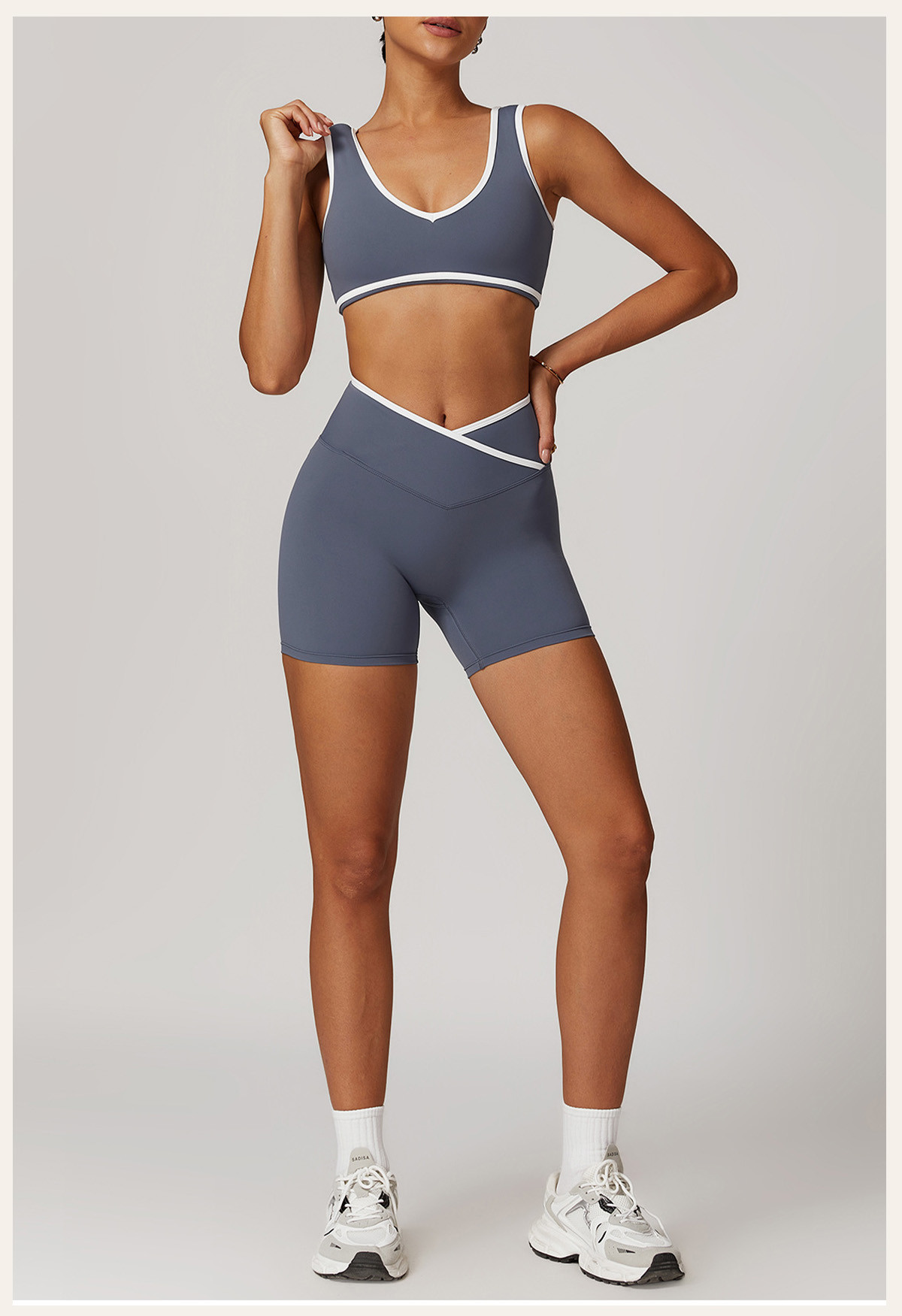
Beyond the garment itself, we understand that branding is what creates a memorable customer experience. Our full-service capabilities extend to every detail of your brand presentation, including:
- Custom Labeling: We offer a range of branding options, from woven neck labels to heat-transfer and sublimated labels that provide a seamless feel perfect for activewear.
- Personalized Hang Tags: Elevate your product with custom hang tags that tell your brand’s story, designed in various materials and thicknesses to reflect your quality standards.
- Branded Packaging: The unboxing experience is the first physical interaction a customer has with your brand. We can create custom poly mailers and product sleeves that protect your garments and reinforce your brand identity from the moment they arrive.
By integrating design, development, and branding into a single, streamlined process, AOLAFREE ensures that every element of your product is cohesive and executed to the highest standard.
Our Commitment to Ethical and Sustainable Activewear Production
In today's transparent marketplace, consumers are increasingly conscious of the environmental and social impact of their purchases. For an activewear brand, a commitment to ethical and sustainable production is no longer a niche preference but a core component of brand integrity and long-term success. Choosing a manufacturing partner who shares these values is essential.
At AOLAFREE, we believe that high-performance apparel and responsible manufacturing go hand-in-hand. This commitment is woven into every aspect of our operations:
- Ethical Labor Practices: We are proud to operate a factory that is BSCI (Business Social Compliance Initiative) and WRAP (Worldwide Responsible Accredited Production) certified. These globally recognized certifications are a testament to our dedication to lawful, humane, and ethical manufacturing. They ensure that our employees are provided with fair wages, safe working conditions, and are treated with dignity and respect. Partnering with a certified factory not only aligns with modern brand values but also mitigates supply chain risks and enhances your brand's reputation.
- Sustainable Material Sourcing: We are at the forefront of incorporating sustainable materials into activewear. A significant portion of our production utilizes eco-friendly fabrics, including recycled polyester (rPET) and recycled nylon. These materials deliver the same high-performance characteristics—durability, stretch, and moisture-wicking—as their virgin counterparts while dramatically reducing environmental impact. By using fabrics made from post-consumer waste like plastic bottles and fishing nets, we help decrease landfill waste, conserve crude oil, and lower carbon emissions.
- Eco-Conscious Production Processes: Our commitment to sustainability extends to our manufacturing processes. We continuously work to improve energy efficiency and water conservation within our factory. This includes adopting modern technologies and optimizing production workflows to minimize our environmental footprint.
By choosing AOLAFREE, you are partnering with a manufacturer that not only delivers exceptional quality but also upholds the highest standards of social and environmental responsibility. To learn more about our foundational principles and how we integrate sustainability into our work, please visit the About AOLA page.
Advanced Technology for Consistent Quality and Performance
In the world of activewear, quality is not just about durable stitching; it's engineered. The performance of a garment—its comfort, functionality, and longevity—is determined by the technology embedded in its creation. Partnering with a manufacturer that invests in advanced technology is crucial for producing activewear that consistently meets the highest standards of quality and performance.
At AOLAFREE, our state-of-the-art factory is the heart of our operations, where we leverage cutting-edge technology to achieve unparalleled precision and efficiency. This commitment to innovation is evident in several key areas of our production process:
Automated and Laser Cutting Systems: Precision starts with the cut. We utilize advanced automated cutting machines that translate digital patterns into perfectly cut fabric pieces with microscopic accuracy. This technology minimizes human error and significantly reduces material waste compared to manual cutting. For intricate designs and delicate performance fabrics, our laser cutting systems ensure clean, sealed edges that prevent fraying and contribute to a superior final product.
Advanced Sewing and Construction: Our production lines are equipped with specialized sewing machines designed for the unique demands of technical fabrics. We employ techniques like flatlock stitching to create smooth, chafe-free seams that are essential for comfort during movement. This focus on advanced construction methods ensures every garment is both durable and comfortable.
Seamless Knitting Technology: For the ultimate in comfort and performance, we offer seamless knitting technology. This innovative process creates entire garments on circular knitting machines, eliminating the need for most cut-and-sew seams. The benefits are significant:
- Enhanced Comfort: Without side seams, the risk of chafing and irritation is virtually eliminated, creating a "second-skin" feel.
- Improved Fit and Flexibility: Seamless construction allows for a body-contoured fit that moves with the wearer without restriction.
- Engineered Performance: We can integrate different knit structures, like compression zones and breathable mesh panels, directly into the garment for targeted support and ventilation.
- Sustainability: This method drastically reduces fabric waste, making it a more environmentally friendly option.
Rigorous Technology-Aided Quality Control: Technology is also integrated into our quality control processes. We use digital inspection tools and systems to monitor every stage of production, from raw material verification to final garment inspection. This systematic, data-driven approach allows us to maintain strict quality standards and deliver a consistent, high-performance product batch after batch.
By investing in and mastering these advanced technologies, AOLAFREE ensures that every piece of activewear we produce is a testament to quality, innovation, and performance excellence.
Building a Successful, Long-Term Relationship with Your Activewear Manufacturer
Finding the right manufacturer is only the beginning. The real key to sustained success lies in cultivating a strong, collaborative, and long-term relationship. This partnership should be viewed as a strategic alliance, where both parties are invested in mutual growth. By establishing clear guidelines around sampling and contracts, working together to navigate market shifts, and fostering a spirit of collaboration, you can build a resilient supply chain that becomes a true competitive advantage for your brand.
The Role of Sampling, Contracts, and Intellectual Property Protection
Once you've shortlisted potential partners, formalizing the relationship through a structured process is essential for laying a solid foundation. This stage involves transforming your designs into physical products via sampling, legally defining the partnership with a robust contract, and implementing measures to protect your most valuable asset: your intellectual property (IP).
The Critical Role of the Sampling Process: Sampling is where your design concept becomes a tangible product. It is a crucial diagnostic step that allows you to verify fit, construction, and material performance before committing to a full production run. A professional sampling process involves several stages:
- Proto Sample: This is the first physical sample created based on your tech pack. Its purpose is to check the basic construction, silhouette, and design details.
- Fit Sample: After initial revisions, a fit sample is produced in the correct fabric. This sample is used to assess the garment's fit on a model, checking for comfort, movement, and accurate sizing.
- Pre-Production (PP) Sample: This is the final sample made with all the correct fabrics, trims, labels, and packaging. The approved PP sample serves as the "golden standard" that the bulk production must match.
A thorough sampling process is not a failure if it reveals problems; its entire purpose is to identify and fix issues early when they are cheap and easy to correct.
Formalizing the Partnership with a Manufacturing Agreement: A detailed manufacturing agreement is a non-negotiable legal document that protects both you and the manufacturer. It replaces ambiguity with clarity and sets clear expectations for the entire production process. Key clauses that must be included are:
- Product Specifications: The contract should explicitly reference the approved tech packs and PP sample, detailing all materials, color codes, and construction methods.
- Quality Control Standards: Define your quality expectations, including acceptable quality levels (AQL), inspection protocols, and the process for rejecting defective goods.
- Timelines and Penalties: Specify deadlines for every stage, from material sourcing to the final shipment date. Include clauses for penalties in case of late delivery.
- Payment Terms: Clearly outline the payment schedule (e.g., 30% deposit, 70% upon completion), currency, and payment methods.
- Intellectual Property: This clause should state unequivocally that your brand owns all rights to the designs, patterns, and logos.
Protecting Your Intellectual Property (IP): Your designs are your competitive advantage. When manufacturing overseas, it is vital to take proactive steps to protect your IP.
- Non-Disclosure Agreements (NDAs): Before sharing any sensitive information, have your potential partner sign a comprehensive NDA. This legally binds them to confidentiality regarding your designs, tech packs, and business strategies.
- IP Ownership in Your Contract: Your manufacturing agreement should contain a clause that prevents the factory from selling your designs or any overstock to other parties. It should also prohibit them from using your products in their own marketing materials without your consent.
- Registering Your IP: For the strongest protection, consider registering your trademarks (brand name and logo) and design patents in the country of manufacture. This provides a much stronger legal footing in case of infringement.
By focusing on these three pillars—rigorous sampling, comprehensive contracts, and proactive IP protection—you create a secure and transparent framework for a successful long-term manufacturing relationship.
Scaling Production and Adapting to Market Trends Together
A static manufacturing relationship cannot keep pace with the dynamic nature of the fashion industry. A truly successful partnership is one that evolves, allowing your brand to scale efficiently while staying agile enough to adapt to ever-changing market trends. This requires a collaborative approach where both your brand and your manufacturer work in sync towards long-term growth.
Building a Scalable Production Model: As your brand grows, your production needs will change. What works for an initial run of a few hundred pieces is not sustainable for an order of thousands. A great manufacturing partner has the infrastructure and systems in place to scale with you. This involves:
- Graduated Production Processes: A scalable partner can seamlessly transition your production from small, hands-on batches to larger, more automated runs without sacrificing quality. They have documented Standard Operating Procedures (SOPs) that ensure consistency, whether they are producing 500 or 50,000 units.
- Capacity Planning: Your partner should have transparent production planning systems. This allows them to forecast capacity, schedule your orders efficiently, and accommodate your growth without creating bottlenecks.
- Flexible MOQs and Volume-Based Pricing: A strategic partner will often offer more flexible MOQs during the initial validation phase of your brand and provide better per-unit pricing as your order volumes increase, creating a win-win scenario for growth.
Adapting to Market Trends Together: The activewear market is driven by rapid trend cycles. An agile manufacturing partnership enables you to respond quickly and effectively. Collaboration in this area is key:
- Shared Trend Forecasting: A manufacturer with a strong design team and market insight can be an invaluable source of information. By collaborating on trend forecasting, you can anticipate shifts in consumer preferences for certain styles, colors, and fabrics.
- Agile Manufacturing: This modern approach to production emphasizes flexibility and responsiveness. An agile partner can help you quickly develop and launch small capsule collections to test new trends, allowing you to react to market signals without committing to large, risky inventory investments.
- Continuous Improvement: The partnership should foster a culture of continuous improvement. Regular feedback and open dialogue about what’s selling, what isn't, and what customers are asking for can lead to collaborative innovation in design, materials, and features.
By treating your manufacturer as a strategic ally, you can build a production ecosystem that not only scales efficiently but also actively contributes to your brand's ability to innovate and stay ahead of the competition.
A Partnership that Drives Your Activewear Brand's Growth
Ultimately, the goal is to move beyond a simple transactional relationship with your manufacturer and build a true strategic partnership. This evolution from vendor to partner is what separates successful, resilient brands from those that struggle with supply chain issues. A genuine partnership is an investment that pays dividends in quality, innovation, and long-term, sustainable growth.
When a manufacturer is treated as a partner, they become an extension of your team—invested in your success because it is also their success. This collaborative model fosters a range of benefits that directly drive brand growth:
- Improved Quality and Innovation: A partner who understands your brand's vision and goals is more likely to go the extra mile. They will proactively suggest improvements to materials or construction, collaborate on innovative designs, and invest their expertise to elevate your product.
- Enhanced Reliability and Risk Mitigation: Long-term partnerships are built on trust and transparency. This leads to a more stable and reliable supply chain, with better communication and more effective problem-solving when disruptions occur.
- Greater Efficiency and Cost-Effectiveness: As a manufacturer becomes more familiar with your products and standards, production becomes more efficient. This familiarity, combined with the predictable volume of a long-term relationship, can lead to better pricing and more favorable terms.
- Shared Commitment to Growth: A true partner is committed to helping you scale. They will work with you on production planning, offer scalable solutions, and adapt their processes to support your brand's growth trajectory.
This shift from a transactional to a partnership model requires a commitment from both sides. It involves open communication, mutual respect, and a shared focus on long-term objectives rather than short-term gains.
At AOLAFREE, our entire business philosophy is built around this partnership model. We don’t just manufacture garments; we build brands. Our dedicated one-on-one service, extensive design and development support, and flexible, scalable production solutions are all designed to foster a collaborative environment. We are committed to being the trusted partner that not only manufactures your activewear but actively contributes to your brand’s enduring success.
Frequently Asked Questions (FAQ)
1. What is the fundamental difference between an OEM and an ODM activewear manufacturer? The primary difference lies in who owns the design. With an OEM (Original Equipment Manufacturer), you, the brand, provide the complete design, tech packs, and specifications. The manufacturer’s job is to produce your unique vision exactly as you've defined it. This gives you full creative control and product exclusivity. With an ODM (Original Design Manufacturer), the manufacturer offers a collection of their own pre-designed products that you can choose from and customize with your brand's logo, colors, and packaging. This model is much faster and more cost-effective, making it ideal for startups or brands looking to quickly test new market trends.
2. What should I have ready before I contact a manufacturer like AOLAFREE? To have the most productive conversation, it's helpful to come prepared.
- For an OEM project: The ideal starting point is a tech pack. This document should include technical sketches of your design, a list of materials (Bill of Materials), measurement charts, construction details, and branding placement. If you don't have a full tech pack, clear sketches, reference garments, and a detailed list of your requirements are also a great start.
- For an ODM project: Have a clear idea of your brand identity, target audience, and the types of products you're interested in. A mood board, color palette, and your logo files are excellent materials to bring to the initial discussion. The more information you can provide about your vision, the better we can assist you.
3. How does a manufacturer like AOLAFREE ensure consistent quality across large orders? Ensuring consistent quality is a multi-step process rooted in technology and rigorous protocols. At AOLAFREE, we implement:
- Strict Raw Material Inspection: All fabrics and trims are checked against specifications before production begins.
- Advanced Technology: We use automated and laser cutting machines for precision, along with specialized sewing technology like flatlock stitching to ensure consistency.
- In-Process Quality Control (IPQC): Our QC teams conduct inspections at multiple points along the production line to catch and correct any deviations early.
- Standardized Final Inspection: Every finished garment is inspected against the approved pre-production sample to verify measurements, stitching, and overall quality, ensuring our defect rate remains below 0.1%.
- Certifications: Our adherence to global standards like ISO 9001 provides a framework for our entire quality management system.
4. What does "flexible MOQ" mean and why is it important for my brand? MOQ stands for Minimum Order Quantity. Many large factories require high MOQs (often thousands of pieces per style), which can be a significant barrier for new or growing brands due to the high upfront cost and inventory risk. A "flexible MOQ" means a manufacturer is willing to produce smaller quantities, often as low as 100-300 pieces per style. This is incredibly important for several reasons:
- Reduces Financial Risk: It lowers your initial investment, freeing up capital for marketing and other business areas.
- Allows for Market Testing: You can launch new styles or colorways in small batches to see what sells before committing to a large production run.
- Minimizes Waste: It prevents over-production and reduces the risk of being left with unsold inventory, which is both more sustainable and better for your bottom line.
5. How do you protect my brand's designs and intellectual property (IP)? Protecting your IP is a top priority. We employ a multi-layered approach to ensure your designs remain yours:
- Non-Disclosure Agreements (NDAs): We are committed to signing a comprehensive NDA before any sensitive design information is shared. This legally binds us to confidentiality.
- Strict Internal Controls: Access to your designs is limited to the essential personnel directly involved in your project. We have robust systems in place to prevent unauthorized sharing.
- Manufacturing Agreements: Our contracts explicitly state that all intellectual property developed for your brand belongs to you. This includes clauses that prohibit us from selling your designs or overruns to any other party. We are dedicated to building a relationship based on trust and ensuring your unique brand identity is secure. If you have more questions, we encourage you to Contact US to speak with one of our experts.
Conclusion
Choosing the right OEM/ODM activewear manufacturer is a defining moment for your brand. This strategic decision resonates through every aspect of your business, fundamentally shaping everything from the tactile quality of your products to your presence and reputation in a competitive market. It’s about more than just finding a factory to produce your garments; it's about discovering a true partner who provides an ecosystem of support, including stringent quality assurance, scalable flexibility, crystal-clear communication, and a genuinely shared vision for your brand’s success.
This partnership is the engine that will propel your brand forward. A reliable manufacturer empowers you to focus on your core strengths—design, marketing, and community-building—with the confidence that your production is in expert hands. They become an extension of your team, dedicated to navigating challenges and celebrating successes alongside you.
At AOLAFREE, we are passionately dedicated to being that trusted partner. Our mission is to help you transform your most innovative ideas into high-quality, market-ready activewear that resonates with your customers. We combine our immense production power, advanced design capabilities, and unwavering commitment to quality with a client-centric approach that ensures your vision is realized with precision and care. We invite you to begin this journey with us. Contact US today, and let’s build the future of your activewear brand, together.