How Modern Manufacturing Technology Improves Activewear Production Efficiency
- Share
- Issue Time
- Jun 27,2026
Summary
Modern manufacturing technology is revolutionizing the activewear industry, enabling brands to deliver products faster, with superior quality, and a reduced environmental footprint. This transformation moves beyond traditional methods, integrating advanced automation and artificial intelligence (AI) to enhance efficiency and consistency. Key benefits for brands include a quicker speed to market, unwavering product quality, minimized production errors, reliable on-time delivery, and consistent re
Modern manufacturing technology is not just about automation—it is about delivering faster, more consistent, and higher-quality activewear for growing brands. In a market where consumers demand peak performance, comfort, and sustainability, the generic production methods of the past are no longer sufficient. Today, cutting-edge technology redefines sportswear production by enhancing efficiency, ensuring consistent quality, and promoting a smaller environmental footprint.
At a time when health and wellness are paramount, consumers expect activewear to be an extension of their performance. This requires a sophisticated approach to manufacturing that goes beyond simple sewing. It's about creating garments that can withstand intense workouts, manage moisture effectively, and offer unparalleled comfort. For growing brands, navigating these complex demands is the key to success. This is where modern manufacturing becomes a critical partner. At AOLAFREE, we believe in the power of innovation to meet these industry needs head-on, delivering tangible benefits that purchasing managers and brand owners truly care about: faster speed to market, unwavering quality, fewer production errors, on-time delivery, and reliable reordering.
Key Takeaways
- Faster Speed to Market: Digital tools like 3D prototyping and automated workflows drastically reduce the time from concept to consumer, allowing brands to react quickly to market trends.
- Consistent Quality: Automation, AI-driven inspections, and advanced material testing ensure that every garment meets the highest standards, reducing defects and building brand trust.
- Fewer Errors: From precision robotic cutting to automated sewing, technology minimizes human error, leading to less material waste and more accurate production runs.
- On-Time Delivery: Optimized smart factory workflows and real-time supply chain visibility ensure production schedules are met, preventing costly delays.
- Reliable Reorders: Digital-first processes mean that designs and production parameters are perfectly saved, making reorders identical in quality and fit to the original batch, ensuring consistency for scaling brands.
Leveraging Automation and AI for Unprecedented Sportswear Production Efficiency
The transition from traditional, labor-intensive apparel factories to interconnected smart factories marks a pivotal shift in activewear manufacturing. This evolution is not merely about replacing human hands with machines; it's about creating an intelligent, responsive, and highly efficient production ecosystem. By integrating automation and artificial intelligence (AI), manufacturers can now address the core concerns of apparel brands: speed, consistency, and reliability. This technological leap allows for a level of precision and efficiency that was previously unattainable, directly translating to a stronger bottom line and a more competitive market position.
The Shift from Manual Labor to Smart Factories
For decades, apparel production was characterized by its heavy reliance on manual labor, a model that is increasingly challenged by the demands for faster turnarounds and flawless quality. Today, the industry is undergoing a digital transformation, moving towards smart factories where IoT, AI, and robotics create a seamless and data-driven workflow. This shift helps mitigate rising labor costs while simultaneously boosting output and product quality, creating a win-win for manufacturers and the brands they serve.
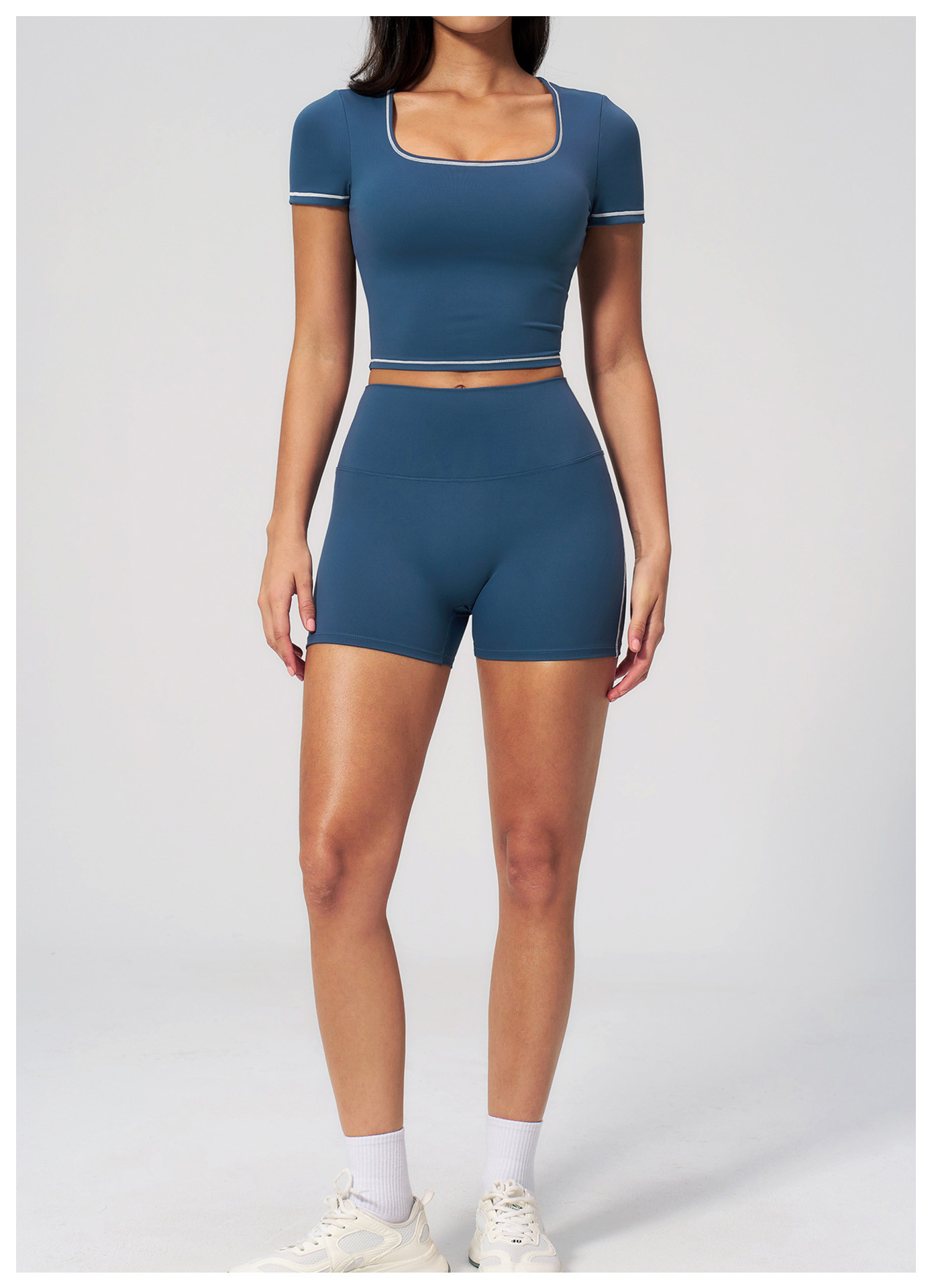
Advanced robotics and AI-driven sewing machines are now instrumental in modern apparel manufacturing technology, reducing reliance on intensive manual labor.
Advanced robotics and AI are at the forefront of this revolution. AI-guided robotic sewing arms can handle complex curved seams with incredible speed and precision, tasks that are traditionally time-consuming and prone to error. These systems work tirelessly, ensuring that every stitch is perfect, which is crucial for the high-stretch fabrics used in activewear that demand seam durability and flexibility. By automating these repetitive tasks, skilled human workers can be redirected to more complex, value-added roles, such as quality assurance and machine oversight. This not only increases production speed by up to 40% but also drastically reduces errors, leading to more consistent quality and fewer rejected garments.
Automated cutting, computer embroidery, and digital printing systems are rapidly speeding up production cycles and lowering manufacturing costs.
The journey to greater efficiency begins at the very first stage of production: cutting. Automated fabric cutting systems, using laser or knife-based technology, can cut multiple layers of fabric with a precision of 0.1mm. This minimizes material waste, a significant cost factor in apparel manufacturing. Digital printing has also replaced time-consuming traditional methods like screen printing, allowing for intricate, custom designs to be printed directly onto fabric with minimal waste and faster turnaround. These automated processes shorten production timelines significantly, allowing brands to bring products to market much faster and respond to fast-changing trends.
Companies are investing heavily in automation, robotics, and camera technology to boost quality and overall sportswear production efficiency.
Investment in smart factory technology delivers a clear return by enhancing quality control. Smart factories use AI-powered camera systems for real-time quality inspections, detecting micro-defects invisible to the human eye. These automated quality checks ensure that every garment meets exact specifications, from stitch consistency to fabric integrity. This reduces the rate of faulty products reaching the market, saving brands from the high cost of returns and protecting their reputation for quality. This commitment to technology is a direct commitment to delivering a superior and more reliable product.
Optimizing Production Workflows with Digital Tools
Beyond the factory floor, digital tools are transforming the pre-production and planning stages, where critical decisions impacting cost, waste, and speed are made. The integration of Computer-Aided Design (CAD) and 3D virtual prototyping software has created a digital thread that runs from initial concept to final product, eliminating inefficiencies and fostering a more agile manufacturing model. This digital workflow is the key to unlocking faster speed to market and more reliable reorders.
CAD software combined with automated cutting systems drastically reduces fabric waste by creating optimal pattern layouts, saving both material and resources.
One of the most significant sources of waste in apparel manufacturing is fabric. Traditional pattern-making and cutting often result in substantial scrap material. Modern CAD software addresses this by using powerful algorithms to create the most efficient "marker," or layout of pattern pieces on the fabric. When this digital marker is sent to an automated cutting system, fabric utilization is maximized, cutting waste from up to 15% down to less than 5%. This not only provides considerable cost savings on raw materials but also aligns with the growing consumer demand for sustainable and eco-friendly production practices.
Virtual prototyping with software like 3D CLO minimizes errors and material waste before physical production, leading to a much more reliable and cost-effective process.
The traditional process of creating and shipping physical samples is one of the biggest bottlenecks in apparel production. It's slow, expensive, and environmentally taxing. 3D design software like CLO3D has revolutionized this stage by allowing designers to create photorealistic virtual prototypes. These digital samples can be viewed from any angle, tested for fit on virtual avatars, and adjusted in real-time without ever cutting a piece of fabric. This "digital twin" approach can reduce the need for physical samples by up to 40-50%, dramatically shortening product development cycles and costs. Brands can make faster decisions, confirm designs in days instead of weeks, and move to production with confidence, knowing the final product will be exactly as envisioned.
This deep integration of technology significantly enhances activewear manufacturing technology, bringing about greater consistency and speed.
When digital design tools are fully integrated with automated production machinery, the result is a seamless workflow that delivers unparalleled benefits. Digital patterns are sent directly to laser cutters, AI-driven sewing machines are programmed with precise stitching parameters, and quality control systems are calibrated to the digital model. This end-to-end digital process ensures that every garment produced is identical to the last, which is crucial for reliable reorders. It removes the variables that can lead to inconsistencies in manual production, providing brands with the assurance that their product quality will remain high as they scale. This is how modern manufacturing delivers not just garments, but reliable, repeatable success.
The Game-Changing Role of Adhesives in Modern Activewear Manufacturing Technology
While automation and AI are digitizing production workflows, innovations in material science are fundamentally changing how garments are constructed. In activewear, where comfort and performance are non-negotiable, adhesive bonding technology is emerging as a revolutionary alternative to traditional stitching. This method, often referred to as "seamless" construction, is not just an aesthetic choice; it delivers tangible performance benefits that elevate the final product. For brands focused on high-performance apparel, understanding the role of modern adhesives is key to creating garments that stand out in a crowded market.
Beyond Stitching: Seamless Performance and Durability
Traditional seams, with their bulky threads and potential for friction, can be a major point of irritation and failure in high-performance activewear. Adhesive bonding eliminates these issues by joining fabric panels together with specialized films, creating a smooth, flat connection that moves with the body. This technology unlocks a new level of comfort and enables designers to create sleek, modern aesthetics that are impossible to achieve with a sewing machine.
Adhesives are increasingly replacing traditional sewing methods in activewear manufacturing technology to create truly 'seamless' garments, improving comfort and aesthetics.
The term 'seamless' in this context refers to the absence of stitched seams. Instead of needles and thread, heat and pressure are used to activate a thermoplastic adhesive film placed between two layers of fabric. The result is a bond that is incredibly strong yet flexible, eliminating the chafing and irritation caused by raised stitches. This is particularly important in compression wear, sports bras, and leggings, where the garment is in constant contact with the skin. The clean finish also provides a minimalist, premium look that is highly sought after by consumers.
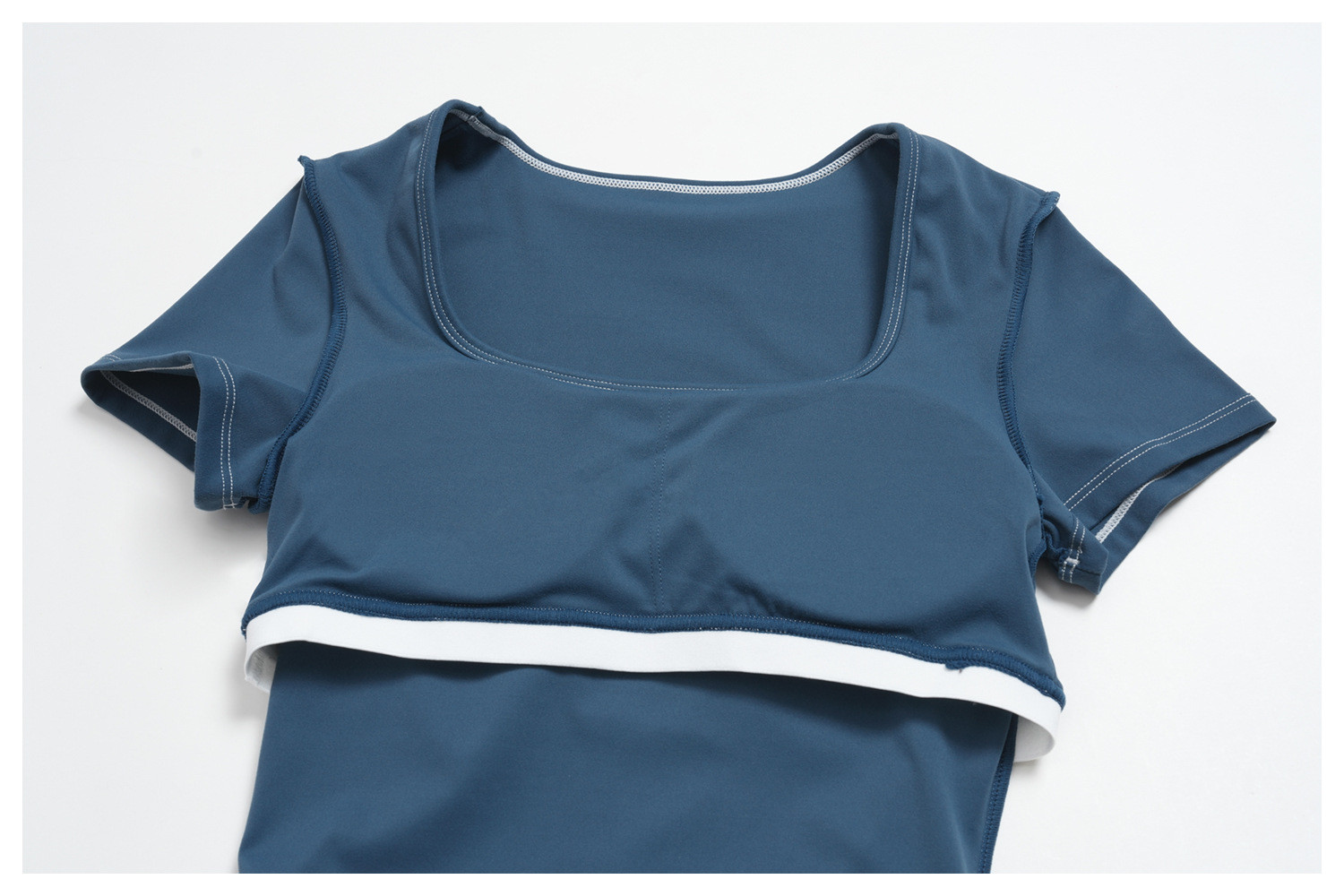
This bonding method enhances critical properties like anti-yellowing, washability, elasticity, and softness, all essential for high-performance apparel.
Modern adhesives are engineered to outperform traditional threads in several key areas. They are designed to withstand repeated washing and stretching without losing their bond strength. High-quality adhesive films offer excellent elasticity and recovery, ensuring that the garment moves with the athlete without restriction. They are also formulated to be resistant to yellowing from UV exposure and heat, maintaining the garment's appearance over time. Manufacturers conduct rigorous testing to ensure these bonded seams meet high standards for tensile strength and durability, guaranteeing a product that lasts.
Multi-layered activewear for protection against elements (windproof, waterproof, thermal) now uses special adhesives to maintain breathability and reduce bulk without compromising sportswear production efficiency.
For technical outerwear, adhesives play a critical role in creating multi-layered laminated fabrics. In a 3-layer shell jacket, for example, a waterproof and breathable membrane is bonded between an outer face fabric and an inner lining. Adhesives allow for this lamination without perforating the membrane with needle holes, which would compromise its waterproof properties. This bonding technique creates a fabric that is windproof, waterproof, and warm, yet remains lightweight and breathable—a trifecta of performance that is nearly impossible to achieve with traditional sewing.
Sustainable Adhesion for a Greener Future in Apparel Manufacturing
As the apparel industry faces increasing pressure to become more environmentally responsible, every component of a garment is being scrutinized—including the materials used to hold it together. In response, adhesive manufacturers are developing innovative, eco-friendly solutions that align with the sustainability goals of modern brands. This focus on green chemistry ensures that high-performance products don't have to come at a high cost to the planet.
Innovations in apparel manufacturing technology include sustainable adhesives made from renewable raw materials, helping to reduce our reliance on fossil fuels.
The shift away from petrochemicals is a major trend in materials science. Adhesive producers are now creating formulations that incorporate a significant percentage of bio-based raw materials, derived from sources like corn or castor oil. These renewable resources help to reduce the product's overall carbon footprint and decrease the industry's dependence on finite fossil fuels. While still a developing field, these sustainable adhesives are proving that eco-friendly alternatives can deliver the performance and durability required for activewear.
Low-monomer, hazard-free adhesives that meet stringent environmental standards are ensuring safer production for workers and the planet.
Worker safety and environmental health are paramount in modern manufacturing. Leading adhesive suppliers now offer low-monomer, hazard-free formulations that are certified by international standards like OEKO-TEX®. These certifications guarantee that the adhesives are free from harmful substances, ensuring they are safe for both the factory workers who handle them and the end consumers who wear the garments. This commitment to non-toxic chemistry is a critical component of responsible manufacturing.
These specialized adhesives must endure rigorous washing and aging tests, proving their long-term durability and impact on effective sportswear production efficiency.
Sustainability isn't just about raw materials; it's also about product longevity. A garment that falls apart after a few washes is the opposite of sustainable. For this reason, bonded seams undergo extensive durability testing. They are subjected to dozens of wash cycles, prolonged exposure to heat and humidity, and stretch-and-recovery tests to simulate years of wear. Only adhesives that can pass these rigorous tests are used in high-quality activewear, ensuring that the resulting garments are not only high-performing and eco-friendlier but also built to last—a key factor for both consumer satisfaction and reliable reorders.
Enhancing Product Quality and Sustainability Through Advanced Activewear Manufacturing Technology
In today's competitive market, product quality and sustainability are no longer optional extras; they are core pillars of a successful brand. Consumers expect activewear that not only performs well but is also made to last and produced responsibly. For brands, this means partnering with manufacturers who have institutionalized quality at every step and are committed to transparent, sustainable practices. Modern manufacturing technology provides the tools to achieve both, ensuring consistent quality through data-driven testing and enabling a more eco-conscious supply chain.
Precision Testing and High-Performance Materials
The perceived quality of an activewear garment is a direct result of the materials used and the rigor of the quality control processes. Top-tier manufacturers don't leave quality to chance; they use scientific methods and advanced equipment to verify that every component and finished product meets exacting performance standards. This focus on precision is what separates premium activewear from the rest.
Quality assurance is paramount in activewear manufacturing technology, supported by advanced fabric testing labs that evaluate strength, elasticity, and moisture-wicking capabilities.
Before a single garment is cut, the fabric itself undergoes a battery of tests in a dedicated lab. Tensile strength tests measure the force required to tear the fabric, ensuring its durability. Stretch and recovery tests evaluate how well the material returns to its original shape after being stretched, which is crucial for maintaining fit in garments with spandex. Moisture management tests assess how quickly the fabric wicks sweat away from the skin and dries. Only fabrics that pass these stringent performance benchmarks are approved for production, guaranteeing the foundation of a high-quality product.
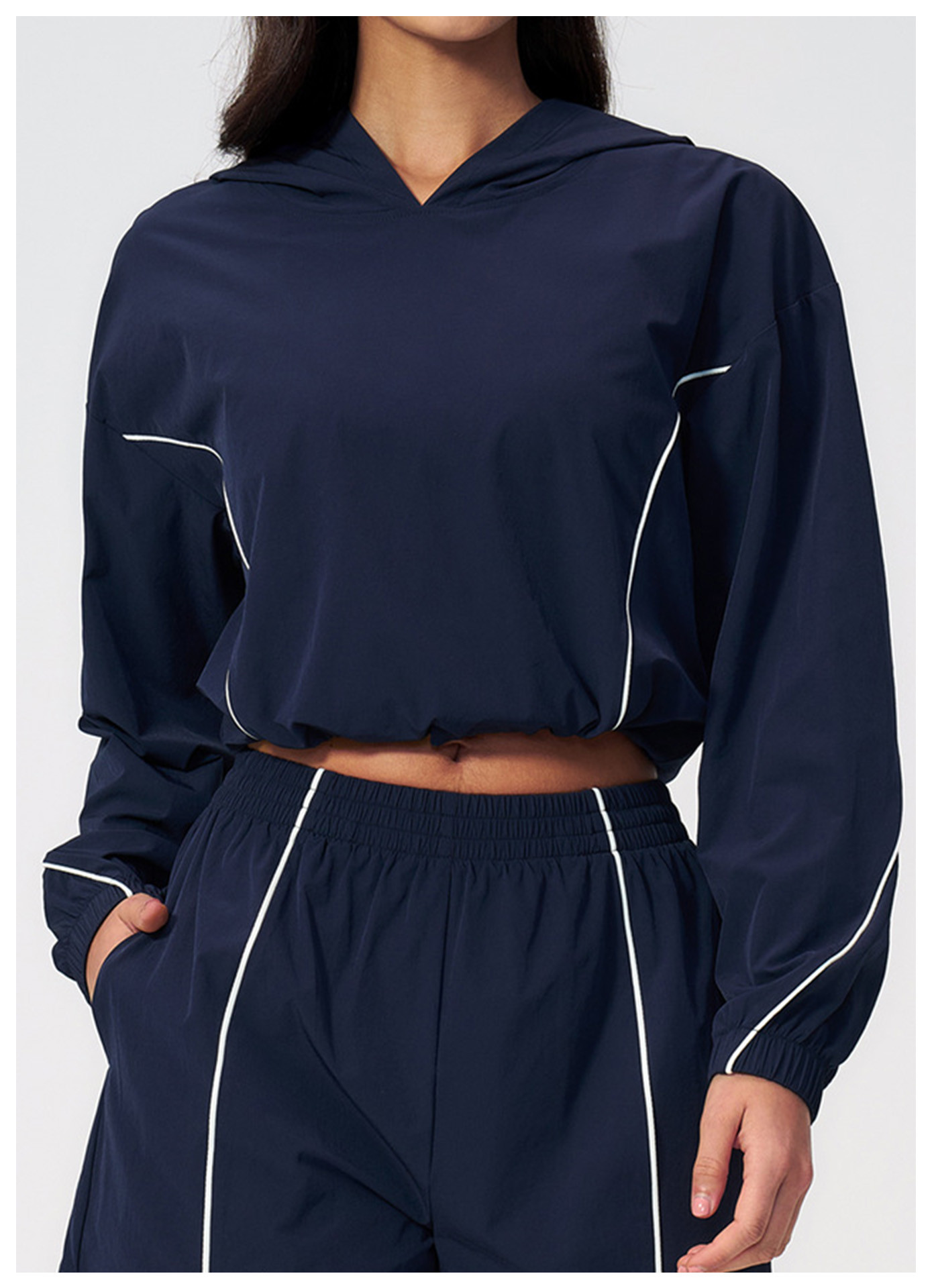
The strategic use of innovative materials, such as 4-way stretch and superior moisture-wicking fabrics, is crucial for optimal activewear performance and comfort.
Material selection is a strategic decision that defines a garment's functionality. Manufacturers work closely with mills to source and develop innovative textiles. Fabrics with 4-way stretch offer unrestricted movement, essential for activities like yoga or weightlifting. Advanced moisture-wicking yarns are engineered at a microscopic level to pull moisture away from the body, keeping the wearer dry and comfortable. The use of these high-performance materials is a key differentiator, directly impacting the end user's experience and their perception of the brand's quality.
Rigorous quality control measures are integrated at every stage to ensure that products meet the highest industry standards and customer expectations.
Quality control is not just a final inspection; it's a philosophy embedded throughout the production process. Checks are performed after cutting, during sewing, and before packing. Automated systems can monitor for sewing defects in real-time, while human inspectors check for cosmetic flaws and measurement accuracy. By integrating these multi-stage quality gates, manufacturers can catch potential issues early, reducing rework and ensuring that every piece in a bulk order is consistent. This meticulous attention to detail is what allows brands to confidently place reorders, knowing the quality will be identical every time.
Driving Sustainable Practices and Transparency
Sustainability has become a powerful driver of consumer choice, especially among younger demographics. Modern brands are expected to demonstrate a genuine commitment to ethical sourcing and environmental responsibility. Advanced manufacturing partners help brands meet these expectations by embedding sustainable practices into their core operations and providing the transparency needed to build consumer trust.
Modern apparel manufacturing technology increasingly incorporates sustainability, from ethical material sourcing to reducing our carbon footprint across the supply chain.
A sustainable approach encompasses the entire supply chain. It starts with sourcing materials like recycled polyester and organic cotton from certified suppliers. In the factory, smart technologies help optimize energy and water usage. For instance, automated dyeing machines can use significantly less water and fewer chemicals than traditional methods. Data analytics can identify inefficiencies in the production process, leading to resource-saving measures that reduce the overall carbon footprint. These efforts contribute to a more sustainable product and a more responsible brand image.
Innovative recycling programs are transforming old activewear into new materials, actively fostering a circular economy within the textile industry and boosting sportswear production efficiency in an eco-friendly way.
The ultimate goal for many sustainable brands is to create a circular economy, where old products are used to make new ones. Progressive manufacturers are participating in this by developing processes to recycle post-consumer garments and textile waste back into usable fibers. These recycled materials, such as rPET (recycled polyester from plastic bottles), reduce the need for virgin resources, divert waste from landfills, and lower the environmental impact of production. By building products with recycled content, brands can tell a powerful sustainability story that resonates with conscious consumers.
Transparency in our manufacturing processes and practices builds trust with environmentally conscious consumers and reinforces our commitment to responsible production.
In an age of information, consumers want to know where and how their clothes are made. Forward-thinking manufacturers embrace this by providing transparency into their operations. This could include sharing information about their supply chain, factory certifications (like WRAP or BSCI for social compliance), and the sustainable materials used in their products. By being open about their practices, manufacturers empower brands to communicate their commitment to ethical and responsible production authentically. To learn more about our commitment to these values, you can read more About US. This transparency is no longer a liability but a powerful asset for building a loyal customer base that shares your values.
Frequently Asked Questions (FAQ)
1. How does automation really lower costs for a new activewear brand?
Automation lowers costs in several keyways. Firstly, it drastically reduces material waste through precision cutting, which means you pay for less wasted fabric. Secondly, it minimizes production errors and defects, which cuts down on the costs associated with rework and rejected items. Finally, by increasing production speed and efficiency, it lowers the per-unit labor cost and enables a faster time-to-market, allowing your brand to capitalize on trends and generate revenue sooner.
2. Is seamless (bonded) activewear as durable as traditionally stitched clothing?
Yes, when done with high-quality adhesives and proper technique, bonded activewear is exceptionally durable. Modern adhesive films are engineered to be highly flexible and resilient, and they undergo rigorous testing for washability, stretch, and strength. In many high-stress applications, a bonded seam can be stronger than a stitched one because it distributes force over a wider surface area instead of concentrating it along a line of perforation (the stitch holes).
3. What is the most significant benefit of 3D virtual prototyping for a startup?
For a startup, the most significant benefit is speed and cost savings in the development phase. Traditional sampling can take weeks or months and requires significant investment in materials and shipping. With 3D virtual prototyping, you can see a realistic version of your design in days, make instant revisions, and finalize fits and colors without creating a single physical sample. This dramatically accelerates your speed to market and conserves precious startup capital.
4. How can I ensure my manufacturer is truly sustainable and not just "greenwashing"?
Look for concrete proof and third-party certifications. Ask potential manufacturing partners for documentation of their material sources (like GRS for recycled materials or BCI for cotton) and factory compliance audits (like WRAP, BSCI, or SA8000). A truly sustainable partner will be transparent about their processes, be able to quantify their water and energy reduction efforts, and show a clear chain of custody for their eco-friendly materials.
5. I have a great idea for an activewear line. What's the first step to making production more efficient?
The very first step is to partner with a manufacturer who is already equipped with these modern technologies and can guide you. An experienced partner can help you optimize your designs for efficient production from the outset. They can advise you on material selection, construction techniques, and how to leverage tools like 3D prototyping to make the process smoother. If you’re ready to bring your vision to life, the best first step is to connect with experts who can help you navigate the process. Start Your Brand with a team that understands how to build for efficiency and quality from day one.
Conclusion
Modern activewear manufacturing technology is fundamentally reshaping the industry, moving far beyond the assembly lines of the past. It offers a sophisticated, integrated system that delivers tangible competitive advantages for growing brands. From the precision of AI-driven automation and the innovation of seamless adhesives to the assurance of advanced quality control and the responsibility of sustainable science, these advancements are setting new benchmarks for performance and production. They directly address the core needs of any apparel brand: achieving a faster speed to market, ensuring consistent and reliable quality, minimizing errors, and guaranteeing on-time delivery.
The adoption of these technologies is not just an operational upgrade; it is a strategic necessity for brands that want to thrive in a demanding market. By enhancing sportswear production efficiency, delivering superior quality, and promoting environmental responsibility, modern manufacturing empowers brands to meet and exceed consumer expectations. At AOLAFREE, we are dedicated to championing these forward-thinking approaches. We are committed to continuously pushing the boundaries of what's possible in the apparel industry, forging a path toward a more efficient, high-quality, and sustainable future for the brands we partner with.