How to Choose the Best Activewear for Fitness & Strength Training
- Share
- Issue Time
- Aug 28,2026
Summary
Choosing the right activewear is crucial for maximizing fitness and strength training performance, offering comfort, protection, and a psychological boost. The foundation of effective activewear lies in its fabric.
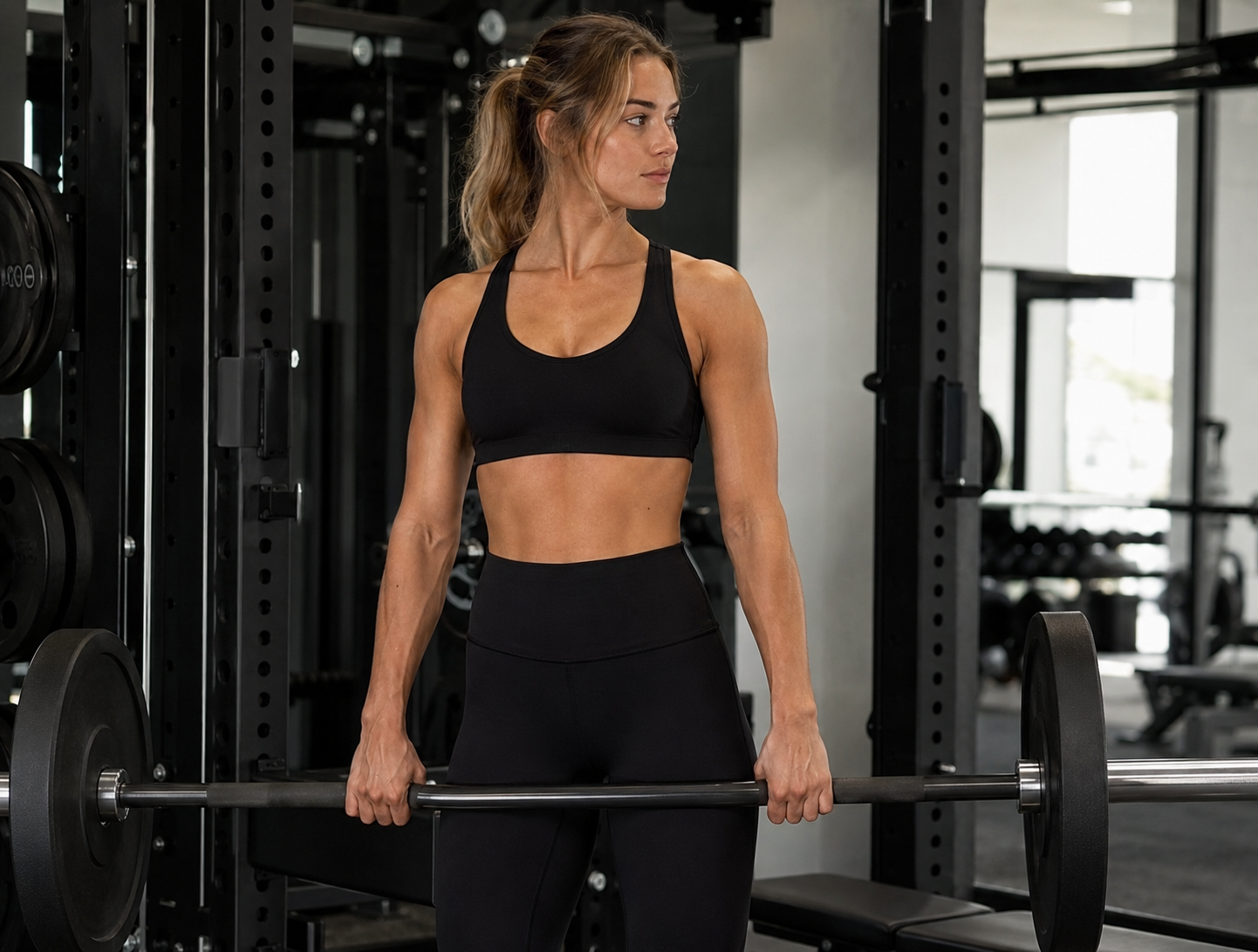
As a fitness enthusiast, I know how crucial the right gear can be for a great workout. It's not just about looking good; it’s about performance, comfort, and protection. Choosing the best activewear, especially for fitness and strength training, can truly elevate your experience and help you focus on your goals.
At aolafree, we believe your workout gear should work as hard as you do. Today, I'll guide you through selecting the perfect fitness activewear, whether you're hitting the pavement or lifting weights, to ensure you get the most out of every session.
Key Takeaways
This guide delves deep into selecting the perfect activewear for your fitness and strength training needs. Here's a quick summary of the essential points to help you make informed choices:
- Fabric is Foundational: The material of your activewear is the most critical factor. Synthetic fabrics like polyester and nylon are superior for most workouts due to their moisture-wicking properties, which pull sweat away from your skin to keep you dry and comfortable. Cotton, while comfortable for casual wear, absorbs moisture, becoming heavy, restrictive, and inefficient at cooling your body down during intense exercise.
- Activewear is Activity-Specific: Your gear should match your workout.
- For Cardio & HIIT: Prioritize high-support sports bras to minimize impact, along with lightweight, chafe-free bottoms that allow for a full range of motion.
- For Strength Training: Focus on durability, flexibility, and stability. Squat-proof leggings with good compression offer muscle support, while comfortable upper wear allows unrestricted movement for lifts.
- Don't Underestimate Fit and Features:
- Support: Compression gear can improve blood flow, reduce muscle soreness, and aid in recovery. This applies to sports bras for women and compression tops, shorts, or tights for men.
- Construction: Look for practical design elements like flatlock seams to prevent chafing, reinforced stitching for durability, and wide, secure waistbands that stay in place.
- Functionality: Features like pockets for your essentials and reflective details for outdoor safety add significant value to your workout experience.
- Invest in Quality for Longevity: High-quality activewear is an investment. It not only performs better but also lasts longer, resisting pilling, stretching, and fading through numerous workouts and washes. Proper care, such as washing in cold water and air-drying, can further extend the lifespan of your garments.
- The Psychological Boost is Real: Wearing an outfit you feel good in can significantly boost your confidence and motivation. This phenomenon, known as 'enclothed cognition', suggests that the clothes you wear can activate psychological changes that positively influence your performance.
By understanding these core principles, you can build a versatile and effective activewear wardrobe that not only enhances your performance but also makes you feel more confident and prepared to tackle any fitness challenge.
Elevating Your Performance: Why Choosing Quality Fitness Activewear is Key
The right activewear does more than just make you look the part; it's a fundamental component of a successful workout. From boosting your performance to ensuring your comfort and safety, investing in high-quality gear transforms your fitness experience. Let's explore why making a thoughtful choice is crucial for anyone serious about their training.
The Core Benefits of Proper Activewear
Wearing appropriate fitness clothing can significantly enhance your athletic performance and efficiency. The right garments are designed to support your movements, reduce friction, and allow you to train with fewer distractions. Well-fitting, functional activewear can also provide a substantial psychological boost, increasing your confidence and motivating you to push harder towards your goals. Furthermore, certain types of gear, such as compression wear, play a role in injury prevention by improving circulation and supporting key muscle groups. After a tough session, these same garments can even aid in recovery by reducing muscle soreness.
Fabric Matters: The Best Choices for Your Workout Session
The material of your clothing is arguably the most critical element determining its performance. Innovations in textile technology have led to fabrics that are specifically engineered for athletic endeavors, offering benefits that traditional materials simply can't match.
Breathable and Moisture-Wicking Wonders
During any workout, your body sweats to regulate its temperature. Effective activewear facilitates this process through two key properties: breathability and moisture-wicking.
Breathability allows air to circulate freely through the fabric, preventing you from overheating. This is often enhanced with features like mesh panels strategically placed in high-sweat zones such as the back and underarms.
Moisture-wicking is the fabric's ability to pull sweat away from your skin and move it to the outer surface, where it can evaporate quickly. This process, known as capillary action, is crucial for keeping you dry, comfortable, and cool. Fabrics like polyester, nylon, and spandex blends are champions in this regard. By managing sweat effectively, they prevent the uncomfortable, clingy feeling of a sweat-soaked shirt and reduce the risk of chafing and skin irritation.
Why Cotton Might Not Be Your Best Friend
While cotton is a beloved staple for its softness and breathability in casual wear, it's one of the worst choices for intense workouts. Cotton is hydrophilic, meaning it absorbs and holds onto moisture. Instead of wicking sweat away, it becomes saturated, heavy, and clingy.
This creates a "wet microclimate" against your skin that traps moisture, hinders your body's natural cooling process, and can lead to discomfort and chafing. A wet cotton shirt loses its shape, restricts movement, and can actually make you feel colder once your workout intensity drops. While it may be suitable for very low-impact activities like gentle stretching or walking, for anything that makes you sweat, synthetic performance fabrics are the superior choice.
The Investment in Quality: Durable Fitness Activewear
Investing in high-quality activewear pays off in the long run. Durable materials and superior construction mean your gear can withstand the rigors of intense training and frequent washing without losing its shape, color, or performance features. Cheaper garments may stretch out, pill, or have seams that unravel quickly, diminishing their supportive and functional qualities.
Quality activewear maintains its integrity, ensuring that compression leggings continue to support your muscles and sports bras provide consistent stability. Reputable brands use robust fabrics and reinforced stitching to ensure longevity. This durability not only saves you money over time, as you won't need to replace items as frequently, but it also ensures your gear performs reliably every time you work out.
Customizing Your Comfort: Differentiating Activewear for Strength Training and Cardio
Not all workouts are created equal, and your apparel should reflect that. The demands of a long run are vastly different from those of a heavy lifting session. Choosing clothing tailored to your specific activity improves comfort, enhances performance, and even reduces the risk of injury. Differentiating your wardrobe allows you to get the most support and flexibility exactly where you need it.
Running and High-Intensity Cardio: What to Look For
Cardio workouts like running, HIIT, and spinning involve continuous, high-impact motion. Your clothing needs to manage intense sweat, minimize friction, and provide unwavering support to keep you focused and comfortable from start to finish.
Essential Support for High-Impact Movement
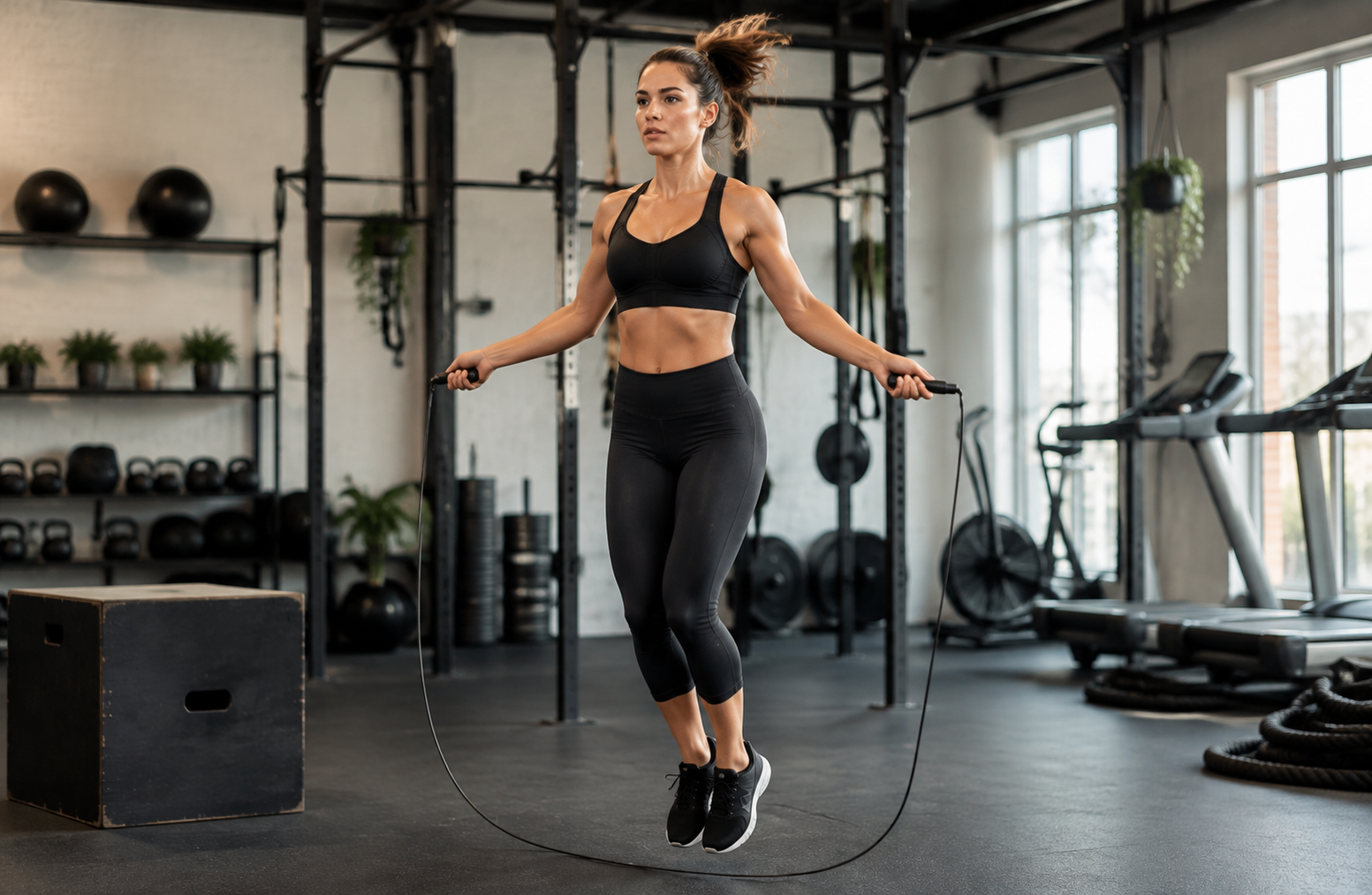
For any activity involving jumping or running, a high-support sports bra is non-negotiable. These bras are specifically designed with features like molded cups, wider bands, and adjustable straps to minimize bounce and protect breast tissue. Choosing a bra with a high-impact rating ensures everything stays securely in place, preventing discomfort and potential ligament damage.
Lightweight and Chafe-Free Bottoms
When you're logging miles or powering through burpees, the last thing you want is heavy, restrictive fabric. Running shorts are designed to be shorter, lighter, and more breathable than general training shorts to allow for a full range of motion in your stride. They often feature built-in liners for comfort and support, minimal pockets to reduce bounce, and split hems for unrestricted leg movement. For those who prefer more coverage, lightweight leggings made from moisture-wicking materials are an excellent alternative, offering a second-skin feel that prevents chafing over long distances.
Strength Training Clothes: A Focus on Stability and Flexibility
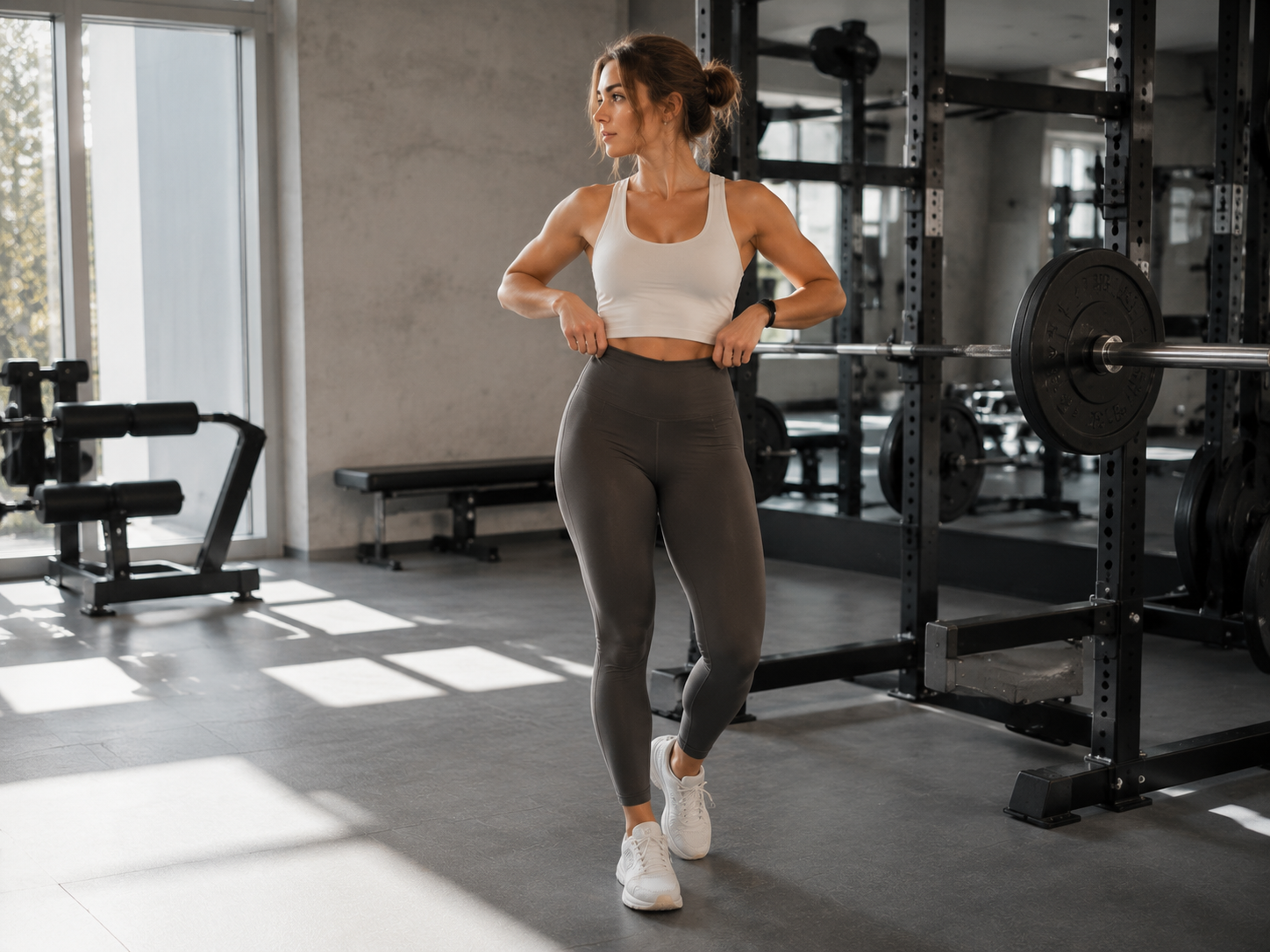
Weightlifting and strength training require a different kind of apparel—one that prioritizes stability, durability, and the flexibility to perform deep, controlled movements. This is where your Fitness & Strength Training Apparel needs to be carefully selected. The right gear allows you to maintain proper form, feel secure in your lifts, and move without restriction.
Medium Support for Optimal Movement
While high support is crucial for cardio, medium-support sports bras often strike the perfect balance for strength training. They offer enough compression to feel secure during movements like presses and rows without being so restrictive that they impede your range of motion or breathing during heavy lifts. For activities with moderate bounce and movement, a medium-impact bra provides the ideal blend of support and flexibility.
Leggings and Shorts for Targeted Support
The cornerstone of any strength-training wardrobe is a great pair of bottoms. Look for leggings or shorts made from durable, flexible fabrics like nylon and spandex blends. Key features to prioritize include:
- Squat-Proof Fabric: This is essential. "Squat-proof" means the material is thick and opaque enough that it won't become sheer when you stretch into a deep squat or deadlift. It gives you the confidence to focus on your form without worrying about your underwear showing.
- Compression: Leggings with moderate to firm compression can offer significant benefits. They support your muscles, improve blood flow, and can even enhance your sense of stability and body awareness during lifts. This compression helps reduce muscle vibration, which can delay fatigue and decrease post-workout soreness.
- High, Secure Waistband: A wide, high-rise waistband that stays in place is crucial. It prevents your leggings from rolling or sliding down during exercises, offering core support and ensuring you're not constantly adjusting your clothes.
Comfort in Your Upper Wear for Lifting
For your top, the main goals are comfort and unrestricted movement. Many lifters prefer tops that are either fitted enough not to get in the way or have a relaxed, oversized fit. Moisture-wicking T-shirts or tank tops made from polyester blends are excellent choices because they keep you dry and comfortable. A tank top, in particular, allows for maximum shoulder and arm mobility, which is perfect for exercises like overhead presses and pull-ups.
Beyond Basics: Support, Fit, and Practical Features in Your Fitness Activewear
Once you've nailed down the right fabrics for your workout type, it's time to look at the details that elevate good activewear to great activewear. Support, fit, and smart design features work together to create a seamless workout experience, allowing you to move with confidence and without distraction.
Prioritizing Support Without Restriction
Proper support is crucial for both performance and injury prevention. A garment that fits well should feel like a second skin—supportive but not restrictive, allowing for a full range of motion.
The Role of Sports Bras
A well-fitted sports bra is arguably the most critical piece of activewear for women. Its primary job is to minimize breast movement during exercise, which is essential for comfort, performance, and long-term breast health. Excessive movement can cause pain and damage the delicate Cooper's ligaments that support the breasts.
Sports bras are categorized by impact level:
- Low Impact: Best for activities like yoga, Pilates, and walking. These bras prioritize comfort and flexibility with minimal compression.
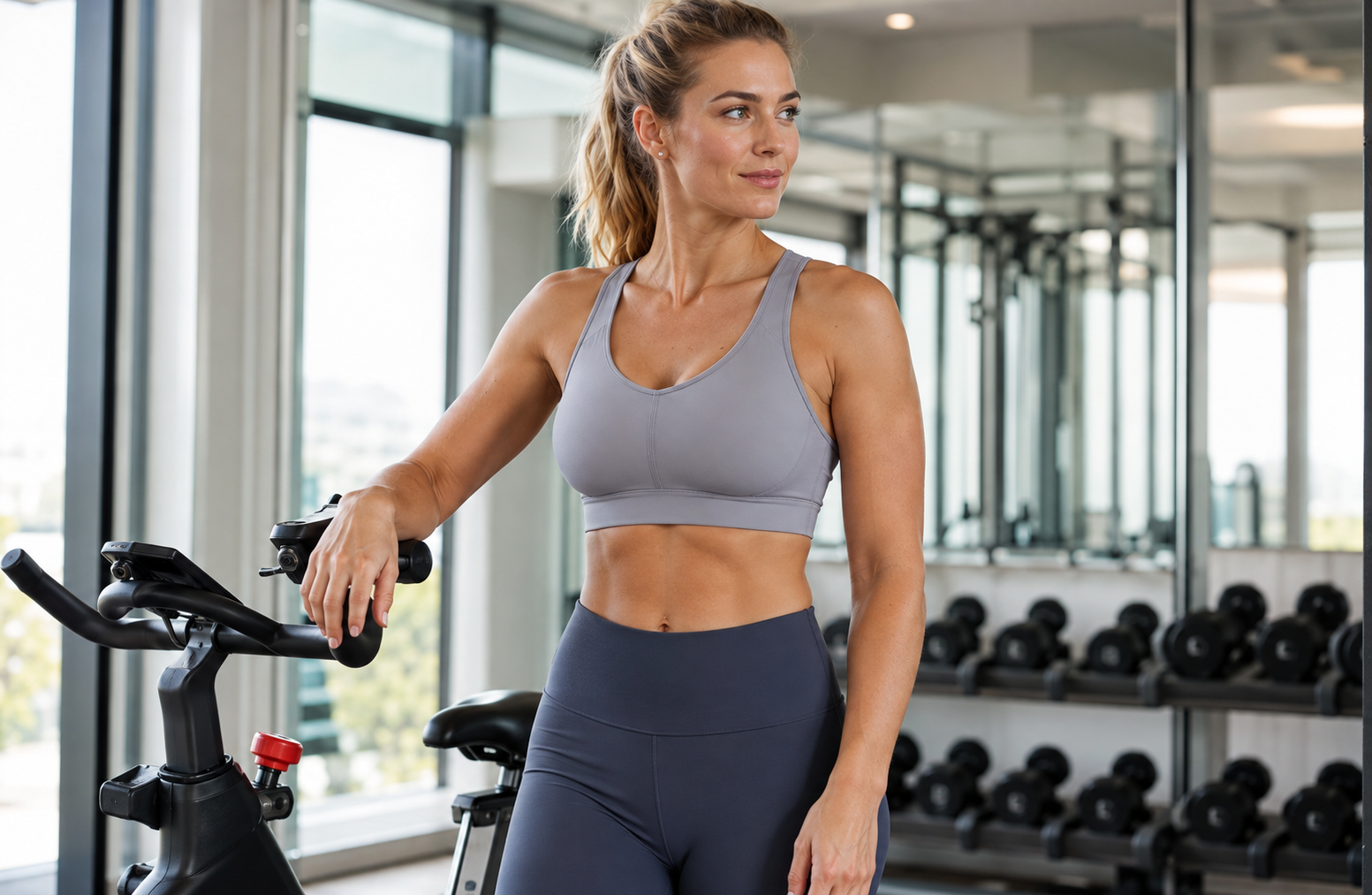
- Medium Impact: Ideal for strength training, cycling, and hiking. They offer a balance of support and flexibility for moderate movement.
- High Impact: Essential for running, HIIT, and any activity with jumping. These provide maximum compression or encapsulation to keep everything locked in place.
When choosing a sports bra, the band should provide about 80% of the support. It should fit snugly around your ribcage without being too tight to breathe, and the straps shouldn't dig into your shoulders.
Compression for Men
Compression gear isn't just for pro athletes. For men, compression shorts, tights, and tops offer significant benefits for any type of training. This gear applies gentle pressure to the muscles, which can enhance blood circulation, delivering more oxygen to working tissues. Studies suggest this can improve performance and reduce perceived effort during endurance activities. Furthermore, compression wear stabilizes muscles, reducing vibrations that can lead to fatigue and soreness. It also offers a secure, chafe-free fit and can speed up recovery post-workout.
Smart Design: Practical Features for Every Athlete
The difference between good and great activewear often lies in the details. Thoughtful construction and functional features improve durability, comfort, and convenience.
Flat Seams, Elastic Waistbands, and Reinforced Stitching
- Flat Seams (Flatlock Stitching): Traditional seams have a raised edge on the inside that can rub against the skin, causing chafing and irritation during repetitive movements. Flatlock seams join fabric panels edge-to-edge, creating a completely smooth, flat surface that minimizes friction and enhances comfort. This has become a hallmark of high-quality activewear.
- Elastic Waistbands: A well-designed elastic waistband ensures your shorts or leggings stay put without digging in. Look for wide, flat waistbands that distribute pressure evenly and don't roll or slide down during activity. This adaptability provides a secure yet flexible fit that moves with you.
- Reinforced Stitching (Bartacking): Activewear endures a lot of stress, especially at points like crotch inseams, pocket corners, and where straps connect. Reinforced stitching, such as bartacks, involves adding dense clusters of stitches to these high-stress areas to prevent seams from tearing or pulling apart. This small detail dramatically improves the garment's durability and lifespan.
Convenient Pockets and Reflective Elements
- Pockets: The functionality of pockets in leggings and shorts cannot be overstated. They offer a convenient, hands-free way to carry essentials like your phone, keys, or cards. Look for thigh pockets that hold your phone snugly against your leg or discreet waistband pockets for smaller items. This practicality allows you to transition seamlessly from the gym to errands.
- Reflective Elements: For anyone who runs or exercises outdoors in the early morning or evening, reflective details are a crucial safety feature. These elements are designed to bounce light back towards its source, like car headlights, making you significantly more visible to drivers in low-light conditions. Placed strategically on moving parts of the body like arms and legs, they create a flash of motion that alerts others to your presence, enhancing your safety on the road.
My aolafree Guide: FAQs and the Psychology of Choosing Your Strength Training Clothes
Choosing activewear involves more than just technical specs; it’s about what makes you feel ready and capable. This section answers common questions and explores the psychological impact of your clothing choices, helping you build a workout wardrobe that’s both functional and motivating. If you’re considering creating your own line, this insight can help you when you decide to start your brand.
Answering Your Top Activewear Questions
Here are the answers to some of the most frequently asked questions about choosing and caring for fitness apparel.
What Fabric is Best for Activewear?
There’s no single "best" fabric, as the ideal choice depends on your workout. However, certain materials consistently outperform others for athletic use.
- Polyester: This is a workhorse in the activewear world. It's durable, wrinkle-resistant, and, most importantly, hydrophobic, meaning it repels water. Polyester excels at moisture-wicking, pulling sweat to the fabric's surface to evaporate quickly, which makes it ideal for high-sweat activities like running and HIIT.
- Nylon: Known for its exceptional strength, durability, and a soft, smooth feel, nylon is another top contender. It has excellent stretch and recovery, meaning it snaps back into shape after being stretched, making it perfect for yoga and strength training where flexibility is key. While it absorbs slightly more moisture than polyester, its "buttery" texture and abrasion resistance make it a premium choice.
- Spandex (Elastane/Lycra): Spandex is what gives activewear its incredible stretch. Blended in small amounts with other fibers (like polyester or nylon), it allows for a full range of motion without restricting movement.
- Merino Wool: A natural wonder, merino wool is excellent at temperature regulation, keeping you warm in the cold and cool in the heat. It’s naturally moisture-wicking and odor-resistant.
The key is to select garments made from a blend of these performance fabrics, tailored to the demands of your training.
Should Workout Clothes Be Tight or Loose?
The debate between tight (compression) and loose-fitting workout clothes depends heavily on the activity and personal comfort.
- Tight-Fitting (Compression) Clothes: These garments are ideal for high-impact activities and strength training. The snug fit provides muscle support by reducing oscillation (muscle vibration), which can decrease fatigue and soreness. They also enhance blood flow, offer a streamlined fit that won't get caught on equipment, and are better for monitoring your form.
- Loose-Fitting Clothes: A looser fit offers superior airflow and can feel less restrictive, making it a great choice for activities like yoga, dance, or for warming up. However, overly baggy clothes can get in the way, snag on equipment, or be a distraction.
Ultimately, the best choice is often a combination. Many people prefer tight leggings or shorts for lower-body support paired with a looser-fitting top for breathability and comfort. The most important factor is choosing a fit that allows you to move freely and feel confident.
How Many Sets of Workout Clothes Do I Need?
The ideal number of workout outfits depends on how often you train and your laundry schedule. A good rule of thumb for someone who works out consistently is to have between five to eight complete outfits.
- If you work out 3 times a week: Aim for 4-5 sets. This gives you a fresh outfit for each session, plus a backup in case of laundry delays.
- If you work out 5-7 times a week: Having 5-8 sets is more realistic. This ensures you’re not re-wearing sweaty clothes (which can lead to bacteria growth and skin irritation) and reduces the wear and tear on each individual item.
Building a small, curated collection of high-quality, versatile pieces is more effective than having a large wardrobe of low-quality items.
Motivation Through Style: Look Good, Feel Good
The impact of your workout attire extends beyond physical comfort. Researchers have identified a phenomenon called "enclothed cognition," which suggests that the clothes we wear can influence our psychological processes and behavior. When you put on an outfit that you associate with strength and capability—like a well-fitted set of activewear—it can trigger a mental shift, signaling to your brain that it's time to perform.
Wearing an outfit that makes you feel confident and powerful can directly translate into better performance at the gym. It can boost your motivation to show up, help you maintain better posture, and encourage you to push through challenging sets. The colors you choose can also play a role; bold, energetic colors can elevate your mood, while classic, solid colors can channel a sense of focus and strength.
The Lifespan of Your aolafree Fitness Activewear
Even the highest quality activewear doesn't last forever. The elastic fibers that provide stretch and support inevitably break down over time due to sweat, friction, and washing. Here’s a general guide for when to consider replacing your gear, along with tips to extend its life:
When to Replace:
- Sports Bras (6-12 months): This is the item with the shortest lifespan. If the band rides up, the straps slip, or you notice more bounce, it's time for a new one.
- Leggings & Shorts (1-2 years): If they become see-through during squats, sag at the knees or waistband, or lose their compressive feel, it's time for a replacement. Visible pilling and frayed seams are also clear signs of wear.
- Tops (1-2 years): Look for fabric thinning, persistent odor even after washing, and loss of shape.
How to Make Them Last Longer:
- Wash in Cold Water: Hot water degrades elastic fibers. Always use a cold, gentle cycle.
- Wash Separately & Inside Out: Wash activewear with similar fabrics to prevent abrasion from rough items like jeans or towels. Turning them inside out protects colors and logos.
- Skip the Fabric Softener: Fabric softeners can clog the pores of technical fabrics, reducing their moisture-wicking capabilities and trapping odors.
- Air Dry Whenever Possible: The high heat of a dryer is a major enemy of stretch fabrics. Hang dry your activewear to preserve its elasticity and shape.
- Let Them Breathe Before Washing: Don't leave sweaty clothes crumpled in a gym bag. Hang them up to air out first to prevent bacteria and mold growth.
By caring for your activewear properly, you ensure it continues to provide the performance and support you need for every workout.
Conclusion
Ultimately, investing in the right fitness activewear, specifically for your strength training and cardio needs, is an investment in your fitness journey. With aolafree, you can find durable, functional, and motivating gear that supports your active lifestyle. Whether you're an established brand or looking to start your brand, focusing on these quality principles is the key to success.
Remember, comfort, support, and functionality are key. By choosing your activewear wisely, you'll be ready to tackle any workout with confidence and focus.