How to Choose the Right OEM Activewear Manufacturer for Scalable Production
- Share
- Issue Time
- Jun 13,2026
Summary
Choosing the ideal Original Equipment Manufacturer (OEM) activewear partner is crucial for any brand aiming for scalable production and a distinct identity.
A key decision invo
Choosing the right manufacturing partner is a pivotal decision for any activewear brand, especially for companies aiming for scalable production and a unique identity. We understand that finding an Original Equipment Manufacturer (OEM) activewear manufacturer who aligns with your vision can be the difference between market success and missed opportunities. This guide will demystify the process, helping you navigate the complexities of selecting an OEM partner that not only meets your current needs but also supports your future growth and ambitious scaling plans.
The global activewear market is experiencing explosive growth, driven by a cultural shift towards health, wellness, and the ubiquitous "athleisure" trend. Consumers are no longer purchasing activewear just for the gym; they are wearing it for leisure, work, and daily activities. This has led to a demand for apparel that is not only functional but also stylish, comfortable, and sustainable. Today's shoppers are discerning; they look for high-performance fabrics, innovative designs, and brands that align with their values, particularly regarding ethical production and environmental responsibility. For a brand like AOLAFREE, tapping into this dynamic market requires a manufacturing partner who can deliver on all these fronts. Join us as we explore the critical factors, key questions, and strategic insights necessary to make an informed choice for your next OEM activewear manufacturer partner.
Understanding the Activewear Market: What Do Today's Consumers Want?
Before diving into the specifics of selecting a manufacturer, it’s crucial to understand the landscape of the activewear market. The consumer of 2026 is more informed and intentional than ever before. Their purchasing decisions are shaped by a blend of performance needs, aesthetic desires, and ethical considerations.
One of the most significant driving forces is the athleisure movement, which has blurred the lines between workout clothes and everyday wear. A report on market trends indicates that consumers expect versatility from their activewear; they want pieces that can transition seamlessly from a yoga class to a coffee meeting or a work-from-home setup. This means fabrics must be comfortable, moisture-wicking, and durable, while designs need to be modern and aesthetically pleasing.
Furthermore, there is a growing demand for inclusivity. Brands that offer a wide range of sizes and styles that cater to different body types are gaining significant traction. Consumers are actively seeking out brands that promote body positivity and representation in their marketing and product lines.
Sustainability has also moved from a niche concern to a mainstream expectation. Shoppers are increasingly scrutinizing brands for their environmental impact. This includes the materials used (with a preference for recycled and organic fabrics), the manufacturing processes (low-water usage, non-toxic dyes), and the overall carbon footprint of the supply chain. Partnering with a manufacturer that holds certifications like the Global Recycled Standard (GRS) or OEKO-TEX® is no longer just a bonus—it's a powerful marketing tool and a testament to a brand's commitment to corporate social responsibility.
For a brand to succeed, it must address these key consumer demands. This is where the right OEM/ODM Manufacturer becomes a strategic asset. A capable partner will not only produce your designs but will also provide access to the innovative materials, ethical production lines, and scalable capacity needed to compete and thrive. A partner like AOLAFREE is built on this understanding, offering comprehensive solutions that empower brands to meet and exceed consumer expectations.
Understanding Your Needs: OEM vs. ODM for Your Activewear Brand
Choosing between an Original Equipment Manufacturer (OEM) and an Original Design Manufacturer (ODM) is one of the first and most critical decisions you'll make. This choice fundamentally shapes your product development process, brand identity, and level of creative involvement. While both models result in finished goods, they offer vastly different pathways for your activewear line.
Defining OEM: Why an OEM Activewear Manufacturer Offers Full Creative Control for Your Brand
OEM, or Original Equipment Manufacturing, is a partnership model where you, the brand, provide a complete and detailed design, often in the form of a "tech pack." The OEM activewear manufacturer then uses your specific designs, material requirements, and construction guidelines to produce the garments exclusively for your brand. This approach provides you with maximum creative control over every aspect of the final product.
With an OEM partner, you are the architect of your collection. You dictate the exact fabric composition, color palettes, stitching techniques, fit, and branding elements like logos and tags. This level of control is essential for brands that have a unique design vision and want to establish a distinct market presence. If your brand's competitive edge lies in its proprietary designs, innovative features, or specific aesthetic, the OEM model is almost certainly the right choice. It ensures that your intellectual property is brought to life precisely as you envisioned it, without compromise. An OEM partnership is about transforming your unique vision into a tangible, market-ready product.
Advantages and Challenges of Partnering with a Dedicated OEM Activewear Manufacturer
Opting for an OEM activewear manufacturer offers significant benefits, but it also comes with a unique set of challenges. Understanding both sides is key to making a well-informed decision that aligns with your brand's capabilities and goals.
| Advantages | Challenges |
|---|---|
| Complete Creative Control: Your unique design vision is executed precisely. | Requires Technical Expertise: You must provide detailed tech packs and specifications. |
| Brand Differentiation: Creates a unique product that stands out from competitors. | Higher Development Costs: Prototyping and sampling can be more expensive. |
| Intellectual Property Ownership: You own the designs, protecting your brand's uniqueness. | Longer Lead Times: The design, sampling, and approval process can take more time. |
| Stronger Supplier Relationship: A collaborative partnership is built over time. | Higher Minimum Order Quantities (MOQs): OEM runs often require larger initial orders. |
| Quality Specification: You can dictate the exact quality standards for materials and construction. | Greater Responsibility: Your team is responsible for the success or failure of the design. |
The primary advantage of the OEM model is unparalleled control, which allows for true brand building. However, this path requires a significant investment in design and development. Your team needs the expertise to create detailed technical specifications, as the manufacturer will produce exactly what you provide. Any ambiguity in the tech pack can lead to costly errors and delays. For established brands or startups with a strong design team, the advantages of OEM partnership far outweigh the challenges, as it is the only way to create a truly bespoke product line.
When ODM Might Be a Stepping Stone Before Engaging an OEM Activewear Manufacturer
ODM, or Original Design Manufacturing, presents a different approach. In this model, the manufacturer already has a collection of pre-developed product designs, often called "white-label" or "private-label" products. You can select from their catalog, make minor modifications (like adding your logo or changing colors), and sell the products under your brand name.
ODM can be an excellent starting point for new brands or businesses looking to test the market with less upfront investment and risk. The primary benefits of ODM are speed and cost-effectiveness. Since the designs are already developed and tested, lead times are significantly shorter, and MOQs are often lower. This allows a new brand to launch a collection quickly and gauge consumer response without committing to the intensive design and development process required by OEM.
However, the major drawback of ODM is the lack of uniqueness. Because these designs are available to other brands, you risk seeing very similar products in the market under different labels. This can make it difficult to build a strong, differentiated brand identity in the long run.
Therefore, many brands use ODM as a strategic stepping stone. They might launch an initial collection using ODM products to generate revenue and build a customer base. As the brand grows and gains a clearer understanding of its target audience and market position, it can then transition to an OEM activewear manufacturer. This evolution allows the brand to reinvest its profits into developing unique designs that truly represent its vision, ultimately moving towards a more sustainable and defensible market position.
Key Criteria for Selecting a High-Quality OEM Activewear Manufacturer
Once you’ve decided that the OEM model is the right path for your brand, the next step is the rigorous process of vetting potential partners. Not all manufacturers are created equal, and the right choice will impact your product quality, brand reputation, and ability to scale. For a quality-focused brand like AOLAFREE, this selection process is paramount.
Evaluating the Manufacturer's Experience, Reputation, and Certifications
A manufacturer's history is a strong indicator of its reliability and capability. Look for a partner with extensive experience specifically in the activewear category. Manufacturing performance apparel is a specialized skill; it requires expertise in handling technical fabrics like spandex, nylon, and polyester blends, as well as proficiency in construction techniques such as flatlock stitching and seamless knitting. An experienced OEM activewear manufacturer will understand the nuances of creating garments that need to stretch, breathe, and endure intense physical activity.
Reputation is equally important. Seek out testimonials, case studies, or references from other brands they have worked with. A reputable manufacturer will be transparent about their client history (within the bounds of confidentiality agreements) and proud of the products they’ve produced. Industry reputation often reflects their consistency in meeting deadlines, communicating effectively, and resolving issues.
Finally, certifications serve as third-party validation of a manufacturer's standards. Look for globally recognized certifications, which can include:
- ISO 9001: For quality management systems, indicating a commitment to consistency and customer satisfaction.
- WRAP (Worldwide Responsible Accredited Production): Ensures lawful, humane, and ethical manufacturing practices.
- Bluesign® System: Guarantees that the entire manufacturing process is environmentally safe and sustainable.
- OEKO-TEX®: Certifies that textile products are free from harmful substances.
- GRS (Global Recycled Standard): Verifies the recycled content of materials and tracks the chain of custody.
These certifications are not just logos on a website; they are proof that the manufacturer adheres to high standards for quality, ethics, and environmental stewardship—qualities that consumers increasingly demand. Our company profile (read more on our About US page) reflects a deep commitment to these certified standards.
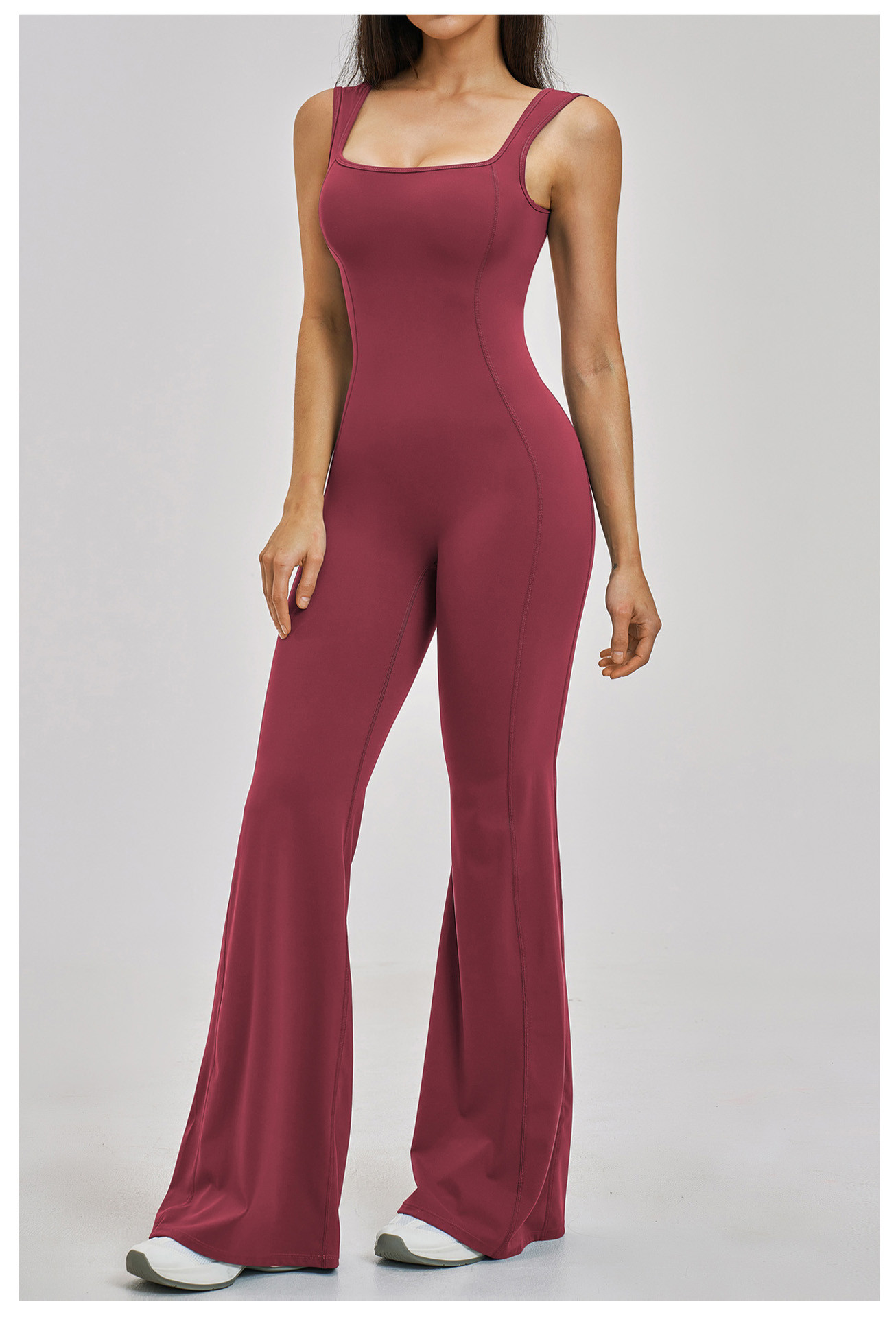
Ensuring Robust Quality Control and Ethical Manufacturing Practices
A manufacturer's quality control (QC) process is the backbone of product excellence. A high-quality OEM activewear manufacturer should have a comprehensive QC system integrated at every stage of production, not just a final inspection. Ask potential partners to detail their QC procedures:
- Incoming Material Inspection: Do they test fabrics and trims upon arrival to ensure they meet your specifications for color, weight, and performance?
- In-Process Inspection: Are there quality checkpoints during cutting, sewing, and assembly to catch errors early?
- Final Inspection: What is their process for inspecting finished garments? Do they follow an established standard like AQL (Acceptable Quality Limit)?
Beyond product quality, ethical manufacturing is a non-negotiable criterion. Your brand's reputation is directly tied to the working conditions of the people who make your products. In an age of supply chain transparency, any hint of unfair labor practices can cause irreparable damage to your brand. Verify that the manufacturer provides a safe working environment, pays fair wages, complies with local labor laws, and has a strict policy against child or forced labor. Certifications like WRAP and SA8000 are strong indicators of social compliance, but it’s also wise to inquire about their internal audit processes and staff welfare programs. Partnering with an ethical manufacturer is not just the right thing to do; it’s a crucial component of modern risk management.
Access to Innovative and Sustainable Materials from Your OEM Activewear Manufacturer Partner
The activewear market is driven by innovation, particularly in fabric technology. A top-tier OEM activewear manufacturer should be more than just a production facility; they should be a gateway to the latest advancements in materials. Your partner should have a well-established network of fabric mills and suppliers, giving you access to:
- Performance Fabrics: Textiles with advanced properties like superior moisture-wicking, four-way stretch, compression, thermal regulation, and UV protection.
- Sustainable Materials: A wide range of eco-friendly options, including recycled polyester (from PET bottles), recycled nylon (from fishing nets), organic cotton, Tencel™, and other bio-based fibers.
- Innovative Finishes: Special treatments that can be applied to fabrics to add functionalities like anti-odor, anti-bacterial, or water-repellent properties.
Your manufacturer should be proactive, suggesting new materials that could enhance your products or align better with your brand's sustainability goals. Their ability to source and work with these innovative materials can provide you with a significant competitive advantage. As a leading OEM/ODM Manufacturer, AOLAFREE prides itself on its extensive material library and strong relationships with forward-thinking fabric mills, ensuring our clients are always at the forefront of activewear technology.
Customization, Scalability, and Timelines with Your OEM Activewear Manufacturer
Finding a manufacturer with the right experience and quality standards is only half the battle. To truly succeed, your OEM partner must also align with your brand's specific needs for customization, your ambitions for growth, and your go-to-market timelines. This synergy is what transforms a simple supplier relationship into a strategic partnership.
Achieving Unique Brand Identity Through Customization Capabilities of Your OEM Activewear Manufacturer
In a crowded marketplace, brand identity is everything. The ability to create a product that is uniquely yours is the core promise of the OEM model. A great OEM activewear manufacturer will offer a wide array of customization options that go far beyond simply sewing your design. Inquire about the full extent of their capabilities:
- Fabric Customization: Can they source custom-dyed fabrics to match your brand's Pantone colors? Can they work with mills to develop a unique fabric blend or finish?
- Printing and Embellishment: What types of printing do they offer (e.g., screen printing, sublimation, digital printing)? Can they execute complex embellishments like embroidery, appliqué, or heat transfers?
- Construction Details: Are they proficient in specialized techniques like flatlock seams for comfort, laser cutting for ventilation, or bonded seams for a sleek, modern look?
- Branding and Trims: Do they offer custom-branded trims like zippers, drawcords, and elastic bands? Can they produce custom-designed labels, tags, and packaging?
The more customization options a manufacturer provides, the more tools you have to build a distinct and memorable brand. A partner willing to experiment and collaborate on unique details is invaluable. They should function as an extension of your design team, helping you push the boundaries of what's possible in activewear.
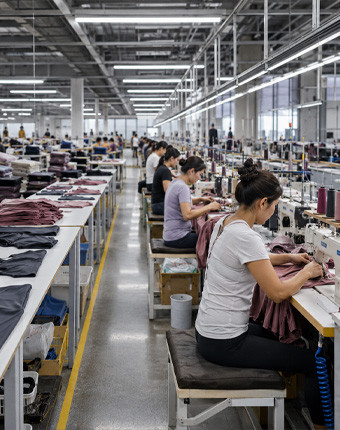
Assessing Production Capacity and Flexibility for Scalable Growth as an OEM Activewear Manufacturer
Your manufacturing partner needs to support not just your first order, but your tenth and your hundredth. Scalability is the ability of a manufacturer to grow with your brand. When vetting potential partners, it’s essential to assess both their current production capacity and their flexibility to adapt to your changing needs.
Key questions to ask include:
- What is your total monthly production capacity? This gives you a sense of their overall size and ability to handle large volumes.
- What is your typical production line allocation for a brand of our size? This helps you understand where you would fit into their priorities.
- How do you handle fluctuations in order volume? A flexible manufacturer will have strategies to ramp up production for best-selling items or accommodate smaller runs for new product tests.
- What is your process for scaling with a growing brand? A strategic partner will have a clear plan for dedicating more resources—from production lines to account managers—as your business expands.
A manufacturer that can only handle small startup orders may not be able to keep up as your brand gains traction. Conversely, a massive factory might not give a small brand the attention it needs. The ideal partner is one whose scale aligns with your current state but who also has a clear and proven ability to support significant growth. This ensures a stable supply chain as you scale, preventing production bottlenecks that could stifle your progress.
Understanding Lead Times, MOQs, and the Importance of Prototyping Services from an OEM Activewear Manufacturer
Operational details like lead times, Minimum Order Quantities (MOQs), and prototyping are the practical realities that govern your production cycle and inventory management.
- Lead Time: This is the time from when you place an order to when the finished goods are shipped. It typically includes material sourcing, cutting, sewing, inspection, and packing. Typical lead times can range from 60 to 120 days. Understanding this timeline is crucial for planning your product launches and managing your inventory. Ask for a detailed breakdown of the lead time for each stage.
- Minimum Order Quantity (MOQ): This is the smallest number of units a manufacturer is willing to produce for a single style or color. MOQs are often a major hurdle for new brands. While some factories have high MOQs (thousands of units), others are more flexible and may offer lower MOQs (a few hundred units), especially for new clients. It is crucial to find a partner whose MOQs align with your budget and sales forecasts.
- Prototyping and Sampling: This is arguably the most critical pre-production step. Before committing to a full production run, you must get samples to verify the fit, quality, and construction of your design. A reliable OEM activewear manufacturer will have a robust prototyping process, which typically includes:
- First Proto: The initial sample made from your tech pack.
- Fit Sample: A sample to test and refine the garment's fit on a model.
- Salesman Sample (SMS): Samples for your marketing and sales teams.
- Pre-Production Sample (PPS): The final sample approved before mass production begins.
The quality of the sampling process is a strong indicator of the manufacturer's attention to detail. A partner who rushes this stage is likely to deliver a final product that doesn't meet your expectations.
Key Takeaways for Choosing Your OEM Partner
Navigating the world of apparel manufacturing can be complex, but focusing on the right criteria will lead you to a partner that can elevate your brand. Here is a summary of the essential takeaways to guide your selection process for an OEM activewear manufacturer.
1. Align Your Manufacturing Model with Your Brand Vision (OEM vs. ODM):
- OEM (Original Equipment Manufacturer): Choose this path if you have a unique design vision and want full creative control. It's the best route for building a distinct, defensible brand identity. Be prepared for a more intensive design and development process, which requires detailed tech packs and technical expertise.
- ODM (Original Design Manufacturer): Consider this a potential starting point if you're new to the market. It offers faster launch times and lower initial costs by letting you choose from pre-designed products. However, be aware of the lack of uniqueness. Many successful brands use ODM to test the waters before transitioning to a full OEM model as they grow.
2. Scrutinize Experience, Reputation, and Certifications:
- Industry Specialization: Prioritize manufacturers with proven experience in activewear. They will understand the intricacies of performance fabrics and technical construction.
- Reputation and References: Don't just take their word for it. Look for reviews, ask for client testimonials, and check their industry standing. A good reputation is earned through consistent performance.
- Certifications as Proof: Certifications like ISO 9001, WRAP, Bluesign®, OEKO-TEX®, and GRS are not just jargon. They are independent verifications of a manufacturer's commitment to quality, ethical labor, and environmental sustainability. These are powerful trust signals for both your brand and your customers.
3. Prioritize Quality Control and Ethical Practices Above All Else:
- Multi-Stage QC: A reliable partner integrates quality control at every step: inspecting raw materials, checking for errors during production, and conducting a thorough final inspection based on established standards (AQL).
- Ethical Foundation: Your brand's image is tied to your supply chain. Ensure your partner adheres to strict ethical standards, including fair wages, safe working conditions, and zero tolerance for forced or child labor. This is both a moral imperative and a critical part of brand risk management in a transparent world.
4. Seek a Partner in Innovation, Not Just a Producer:
- Material Sourcing: A top-tier manufacturer should provide you with access to the latest in fabric technology, from high-performance synthetics to a wide array of sustainable options like recycled and bio-based fibers.
- Proactive Collaboration: The best partners are proactive. They should suggest new materials, finishes, and techniques that can enhance your product and give you a competitive edge. They should act as an extension of your R&D team.
5. Ensure Operational Alignment for Long-Term Growth:
- Customization is Key: Your manufacturer must have the capability to bring your unique branding to life through custom fabrics, colors, prints, and trims. Their versatility is your brand's creative playground.
- Scalability for the Future: Assess their production capacity. The ideal partner can handle your initial small orders but also has a clear plan to scale with you as your brand grows, preventing future supply chain disruptions.
- Clarity on MOQs and Lead Times: Have transparent conversations about Minimum Order Quantities (MOQs) and production lead times. These practical details are crucial for your financial planning, inventory management, and marketing calendar. A partner with flexible MOQs can be a significant advantage for a growing brand.
By meticulously evaluating potential partners against these key criteria, you move beyond simply finding a supplier and begin to build a strategic partnership. This diligence is the foundation upon which a successful, scalable, and respected activewear brand like AOLAFREE is built. To start this conversation, we encourage you to Contact US to learn how we can bring your vision to life.
Building a Long-Term Partnership with Your Chosen OEM Activewear Manufacturer
The goal is not just to find a factory to produce one collection but to build a lasting, strategic partnership that can support your brand for years to come. This kind of relationship is built on a foundation of trust, clear communication, and mutual respect. It requires effort from both sides and a shared commitment to long-term success.
The Importance of Clear and Consistent Communication with Your OEM Activewear Manufacturer
Effective communication is the single most important factor in a successful manufacturer partnership. Misunderstandings can lead to costly mistakes, production delays, and strained relationships. Establishing a clear and consistent communication protocol from the very beginning is essential. This should include:
- Designated Points of Contact: Both your company and the manufacturer should have a primary contact person who is responsible for all communication. This prevents conflicting information and ensures accountability.
- Regular, Scheduled Check-ins: Don't wait for problems to arise. Schedule regular meetings (e.g., weekly or bi-weekly calls) to discuss progress, address potential issues, and stay aligned on timelines.
- Utilizing Collaborative Tools: Use modern project management tools, shared documents (like Google Sheets for tracking), and clear communication platforms. This creates a documented trail of all decisions and feedback.
- Clarity in Documentation: All feedback, especially on samples, should be documented with extreme clarity. Use photos, sketches, and precise language to explain required changes. Vague feedback like "make it better" is a recipe for disaster.
Overcoming language and cultural barriers is also key when working with overseas partners. Be patient, be precise, and never assume something is understood. A good partner will also work hard to ensure clarity, often employing account managers who are fluent in your language and understand your cultural business norms.
Support Structures and Transparency: What to Expect from a Reliable OEM Activewear Manufacturer
A reliable OEM activewear manufacturer will operate as a true partner, providing support that goes beyond the factory floor. They should offer a robust support structure designed to make the entire process smoother and more transparent for you. Look for:
- A Dedicated Account Manager: This person is your advocate within the factory. They should have a deep understanding of your brand, manage your project's timeline, and be your go-to resource for any questions or concerns.
- Transparent Pricing: You should receive a detailed cost breakdown for each garment (often called a "costing sheet"). This sheet should clearly itemize the costs of fabric, trims, labor (cut, make, trim or CMT), and any special processes. This transparency helps you understand your margins and make informed decisions.
- Proactive Problem-Solving: Issues are inevitable in manufacturing. A great partner doesn't hide problems; they bring them to your attention early and come to the table with proposed solutions. Whether it's a fabric delay or a production challenge, their goal should be to collaborate with you to find the best path forward.
- Openness to Factory Visits: A transparent manufacturer will welcome you to visit their facilities. This allows you to see their operations firsthand, meet the team, and verify their quality and ethical standards for yourself.
This level of support and transparency builds the trust necessary for a long-term relationship. It shows that the manufacturer is invested in your success, not just in completing your order.
Strategic Considerations: Locating the Best OEM Activewear Manufacturer in a Global Supply Chain
The decision of where to manufacture your products has significant strategic implications for your cost, quality, lead times, and supply chain resilience. The two primary options are typically nearshoring (manufacturing in a nearby country) and offshoring (manufacturing in a distant country, often in Asia).
| Factor | Nearshoring (e.g., Mexico, Central America) | Offshoring (e.g., China, Vietnam, Bangladesh) |
|---|---|---|
| Lead Times | Shorter (2-4 weeks shipping) | Longer (4-6 weeks shipping, plus port delays) |
| Labor Costs | Higher | Lower |
| Communication | Easier (similar time zones, fewer cultural barriers) | More challenging (significant time zone differences) |
| Shipping Costs | Lower | Higher |
| Supply Chain Risk | Lower (less susceptible to global shipping crises) | Higher (more vulnerable to geopolitical and shipping issues) |
| Specialization | Strong in certain product types (e.g., knits) | Highly specialized with massive infrastructure and access to a vast array of materials and techniques. |
Historically, brands have flocked to Asia for its low costs and massive manufacturing infrastructure. Countries like China offer unparalleled expertise, a vast network of suppliers, and the ability to produce almost any type of garment at scale. However, the last few years have highlighted the risks of long-distance supply chains, including shipping disruptions, port congestion, and geopolitical tensions.
As a result, many brands are now exploring a "China Plus One" strategy or considering nearshoring to reduce lead times and mitigate risk. The best location depends on your brand's priorities. If your primary driver is the lowest possible cost, offshoring may still be the most attractive option. If you prioritize speed to market, supply chain stability, and easier communication, nearshoring could be a better strategic choice. A truly strategic approach might involve diversifying your manufacturing portfolio across different regions to balance cost, speed, and risk. Discuss these strategic considerations with potential partners to see how their location and capabilities align with your long-term business goals.
Frequently Asked Questions (FAQs)
Here are answers to some of the most common questions brands have when searching for an OEM activewear manufacturer.
1. What is a "tech pack" and why is it so important? A tech pack, or technical packet, is the master blueprint for your garment. It is a comprehensive document created by a technical designer that contains all the specifications a manufacturer needs to produce your design accurately. A complete tech pack typically includes:
- Technical Sketches (Flats): Detailed, flat drawings of the garment from the front, back, and sometimes side, with all stitching and seam details called out.
- Bill of Materials (BOM): A complete list of all materials needed, including the main fabric, secondary fabrics, thread, trims (zippers, buttons, drawcords), labels, and packaging.
- Construction Details: Written instructions on how the garment should be sewn, specifying seam types (e.g., flatlock, overlock), stitch per inch (SPI), and any special techniques.
- Graded Size Specifications: A measurement chart that lists the exact measurements for all key points of the garment across your entire size range (e.g., S, M, L, XL).
- Colorway Information: Details on the specific colors (often with Pantone codes) for the fabric and trims for each version of the style.
- Artwork Placement: Exact location and dimensions for any logos, prints, or embroidery.
The tech pack is the single most critical communication tool between you and your OEM activewear manufacturer. A detailed and accurate tech pack minimizes errors, reduces the number of sample iterations, and ensures the final product matches your vision. Without a professional tech pack, you are leaving critical details open to interpretation, which can lead to costly mistakes and delays.
2. How do I protect my intellectual property (IP) when sharing my designs with a manufacturer? Protecting your unique designs is a valid and important concern. Here are several steps you can take to safeguard your intellectual property:
- Non-Disclosure Agreement (NDA): Before you send any sensitive design information, have the potential manufacturer sign an NDA. This is a legal contract that binds them to confidentiality and prevents them from sharing your designs with third parties or using them for other clients.
- Work with Reputable Manufacturers: Established, reputable manufacturers have a vested interest in protecting their clients' IP. Their business relies on trust and long-term relationships. Scrutinizing a factory's reputation is your first line of defense.
- Trademark Your Brand Name and Logo: This is a fundamental step that protects your brand identity.
- Consider Design Patents (in some cases): For truly unique and inventive design elements, you may be able to file for a design patent. This provides strong legal protection but can be a costly and time-consuming process, so it's typically reserved for highly innovative features.
- Document Everything: Maintain a clear and dated record of all communications, design files, and samples sent to the manufacturer. This creates a paper trail that can be useful if a dispute ever arises.
While the risk can never be eliminated entirely, combining legal agreements with a strategy of working only with trustworthy and reputable partners like AOLAFREE significantly mitigates the danger of your designs being copied.
3. What are realistic Minimum Order Quantities (MOQs) for a startup activewear brand? MOQs vary widely depending on the manufacturer's size, location, and the complexity of the garment. For large, established factories in Asia, MOQs can be as high as 1,000-3,000 units per style, per color. This is often unattainable for startups.
However, many manufacturers are becoming more flexible to cater to the growing market of independent brands. You can often find high-quality manufacturers, both overseas and nearshore, that offer lower MOQs. For a startup, a realistic MOQ to look for might be in the range of 300-500 units per style, per color. Some smaller or specialized factories might even go as low as 100-200 units, but this will almost always come with a higher per-unit price.
When negotiating MOQs, be prepared for a trade-off: the lower the quantity, the higher the price per garment. This is because the manufacturer has fixed costs for setting up a production line, and these costs are spread over fewer units. A good strategy is to start with a core collection of your strongest designs to meet MOQs, rather than trying to produce a wide range of styles in very small quantities.
4. How much should I budget for samples and prototypes? Sampling is a critical investment in your product development, and it is not free. Manufacturers dedicate significant time and resources to their sampling departments. The cost of samples can vary greatly but expect to pay 2x to 4x the final production cost per unit for each sample. For example, if a legging's bulk production price is $15, the sample might cost you between $30 and $60.
This higher cost covers the manual labor of a skilled sample maker (who is often more experienced than a standard production line worker), the sourcing of small quantities of fabric and trims, and the administrative overhead of managing the sampling process.
A typical product development cycle may require 2-4 rounds of samples (first proto, fit sample, pre-production sample). Therefore, for a single style, you should budget several hundred dollars just for the sampling process. While it may seem expensive, paying for high-quality, accurate samples is far cheaper than correcting a major error in a bulk production run of thousands of units.
Conclusion
Selecting the ideal OEM activewear manufacturer is a foundational step toward building a successful and scalable activewear brand. For a brand with a unique vision like AOLAFREE, it means finding a partner who not only understands our design philosophy but also has the advanced capabilities to bring it to life with precision, quality, and efficiency. This selection process is a strategic endeavor that goes far beyond a simple price comparison.
By meticulously evaluating a manufacturer's experience, dedication to quality, ethical standards, customization options, and capacity for scalable growth, you empower your brand to forge a lasting and synergistic partnership. Such a partnership becomes a direct contributor to your brand's competitive edge, enabling you to innovate faster, maintain higher quality, and build a more resilient supply chain.
Armed with the insights from this guide, you are now better equipped to navigate the complexities of the global manufacturing landscape. The journey to excellence in the activewear industry begins with the right partner by your side. We encourage you to take these principles and apply them diligently, ensuring the manufacturer you choose truly embodies your brand's vision and supports your long-term journey. If you are ready to take the next step and discuss how a strategic manufacturing partnership can elevate your brand, Contact US today. We look forward to building the future of activewear together.