How to Create an Athleisure Capsule Collection for Your Activewear Brand
- Share
- publisher
- qiu
- Issue Time
- Sep 19,2026
Summary
Talk to AOLAFREE about your activewear concept, target market, styles, fabrics, colors, and customization requirements, and start building a collection designed for both movement and everyday life
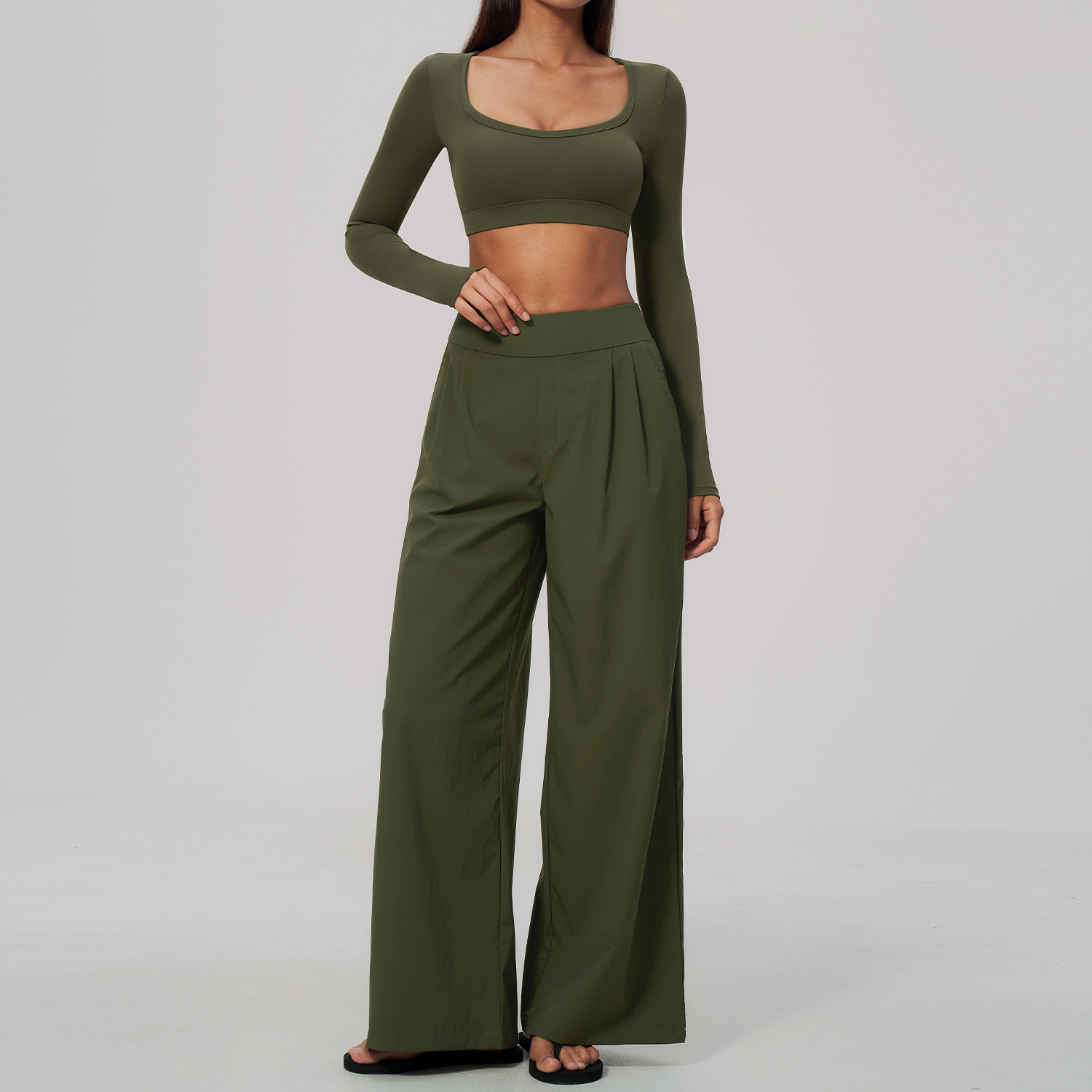
How to Create an Athleisure Capsule Collection for Your Activewear Brand
Activewear is no longer limited to the gym.
Today, many customers want clothing that can move between a morning workout, a coffee run, commuting, working from home, traveling, and casual social activities. This shift has helped athleisure become an important category for both established fashion brands and new activewear businesses.
For brands, however, entering the athleisure market does not mean developing dozens of products at once.
A focused athleisure capsule collection can be a smarter starting point.
Instead of launching a large range with many unrelated styles, a capsule collection brings together a smaller group of products that share similar fabrics, colors, fits, and design details. Each piece can work on its own, but it can also be mixed with other products in the collection.
This approach can make product development easier, create a stronger brand identity, and help customers understand how different pieces fit into their everyday lifestyle.
Whether you are building a new activewear collection or expanding an existing women's activewear line, the goal should be clear: create products that look coordinated, feel comfortable, and make sense in more than one part of the customer's day.
Here is how to develop an athleisure capsule collection from concept to bulk production.
What Is an Athleisure Capsule Collection?
An athleisure capsule collection is a small, coordinated group of activewear products designed to work together.
Unlike a traditional performance collection that may focus mainly on running, gym training, or yoga, athleisure combines sportswear functions with everyday styling.
A customer might wear the same high-waisted leggings for Pilates in the morning, pair them with a fitted top and jacket during the afternoon, and add an oversized shirt or sweatshirt for a casual evening look.
That versatility is one of the main strengths of everyday activewear.
For an activewear brand, a capsule collection also creates a clear product story. Instead of offering many individual products with different fabrics and design directions, the brand can build around a few core silhouettes.
For example, one capsule might include a supportive sports bra, a fitted top, high-waisted leggings, flared leggings, and a lightweight jacket.
The colors work together. The fabrics have a similar handfeel. The fit follows the same customer profile. The branding is consistent.
This creates more outfit combinations without requiring a very large number of SKUs.
For startup brands, this can also make it easier to test customer response before expanding into a larger activewear collection.
Start With Your Customer's Everyday Lifestyle
Before choosing fabrics or deciding which leggings to manufacture, start with one basic question:
Where will your customer actually wear these clothes?
Athleisure works best when product development is based on real lifestyle situations rather than individual product trends.
Think beyond "gym wear."
The same person may want performance features during exercise but a cleaner, more relaxed appearance outside the studio.
This means an athleisure collection must balance two needs.
The first is movement.
The garment still needs stretch, coverage, comfort, and enough support for its intended activity.
The second is everyday styling.
The garment should not look so technical that it becomes difficult to wear outside a fitness setting.
This is why details such as fabric surface, waistband construction, neckline, color, garment length, and compression level matter.
For example, a highly shiny compression fabric may perform well during intense training, but it may look too sporty for a casual office or coffee shop outfit.
A soft matte fabric with moderate compression may offer a better balance between performance and lifestyle wear.
Your target customer should therefore influence every part of product development.
Consider her age, preferred activities, climate, average daily routine, price range, fashion preferences, and the other items already in her wardrobe.
If your brand targets women who want clothing for Pilates, commuting, travel, and casual daily wear, your collection will probably need softer fabrics, simple silhouettes, practical layering pieces, and easy-to-match colors.
When the lifestyle is clear, choosing the right products becomes much easier.
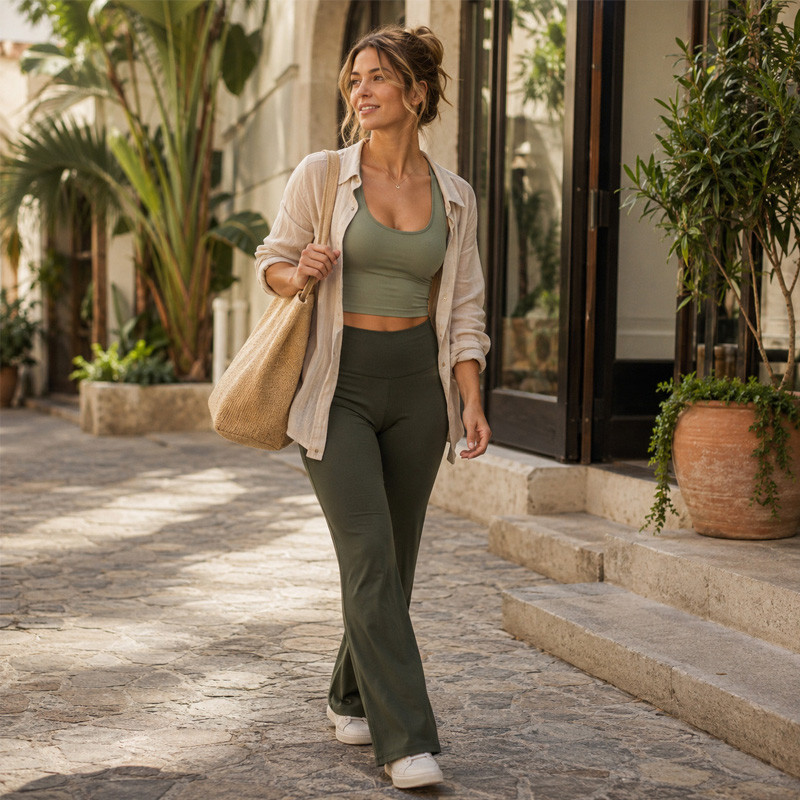
5 Essential Styles for an Athleisure Capsule
A strong capsule does not need twenty different products.
Five carefully selected styles can already create a complete foundation.
1. Sports Bra
The sports bra is one of the core products in women's activewear, but the right style depends on how your collection will be used.
For a lifestyle-focused athleisure collection, extreme compression is not always necessary.
Instead, consider a bra that provides comfortable everyday support with wider shoulder straps, a stable under-bust band, and a clean neckline.
Square-neck, scoop-neck, wrap-front, or simple cross-back designs can work well because they can be worn alone during exercise or under a jacket, shirt, or sweatshirt afterward.
The key is finding the balance between support and comfort.
If the band is too tight, the bra can become uncomfortable after several hours. If the structure is too light, customers may not feel secure during movement.
During development, test the bra both as activewear and as an all-day layering piece.
2. Fitted Top
A fitted top makes the capsule easier to style outside the gym.
This can be a cropped tank, fitted short-sleeve top, long-sleeve top, or another simple silhouette that follows the body without feeling restrictive.
Clean necklines and minimal construction often work especially well for athleisure.
The top should coordinate easily with leggings, flared pants, jackets, oversized shirts, or casual outerwear.
Fabric is important here.
Customers may wear the top for longer periods than a traditional gym garment, so softness and breathability should be considered together with stretch and shape retention.
A well-developed fitted top can become one of the most frequently worn items in the whole athleisure collection.
3. High-Waisted Leggings
High-waisted leggings remain one of the most useful pieces in an activewear capsule because they can work across many activities and outfits.
For everyday use, look beyond compression alone.
The waistband should stay secure without digging into the body. The fabric should provide enough coverage under stretch, and the surface should resist excessive pilling from regular contact with seats, bags, jackets, and other clothing.
Construction also affects how leggings look outside the gym.
A simple front and clean silhouette can create a smoother, more lifestyle-focused appearance.
For a capsule collection, choose a legging design that works with every top and outer layer in the range.
This helps one product create several different looks.
4. Flared Leggings
Flared leggings help connect performance activewear with casual fashion.
They keep the stretch and comfort customers expect from leggings while creating a silhouette that can look more like everyday pants.
This makes them useful for Pilates, travel, commuting, working from home, casual meetings, and relaxed weekend outfits.
When developing flared leggings, pay close attention to proportion.
The rise, thigh fit, knee position, flare opening, and total length should work together.
If the flare begins too high, the pants may lose their streamlined shape. If the length is wrong, the product can become difficult to wear with different shoes.
Brands should also consider several inseam options if their target market includes a wide height range.
A clean black, charcoal, brown, navy, or other neutral version can become an important commercial item because customers can style it with both athletic and casual pieces.
5. Lightweight Jacket
A capsule collection needs at least one layering piece.
A fitted zip-up jacket is a practical choice because it can be worn before and after exercise while also working as casual outerwear.
For a more fashion-focused customer, brands can also explore relaxed jackets, cropped jackets, light hoodies, or other simple layering silhouettes.
The jacket helps complete the outfit.
Without an outer layer, the collection can still feel like a group of gym products. Adding a jacket makes it easier to show how the same activewear can move into commuting, travel, streetwear, and everyday situations.
Whenever possible, use colors and fabrics that coordinate with the bottoms and tops in the collection.
The result should feel like one connected wardrobe rather than five unrelated products.
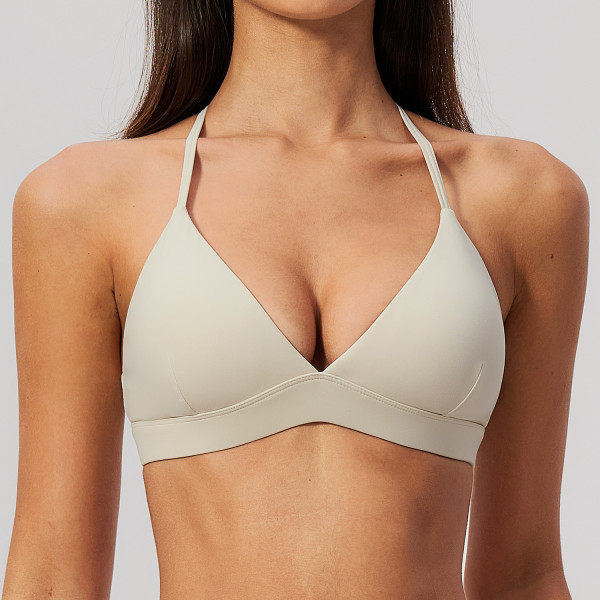
AOLAFREE, a top Chinese sportswear manufacturer, offers customizable, high-quality yoga bra for global brands.
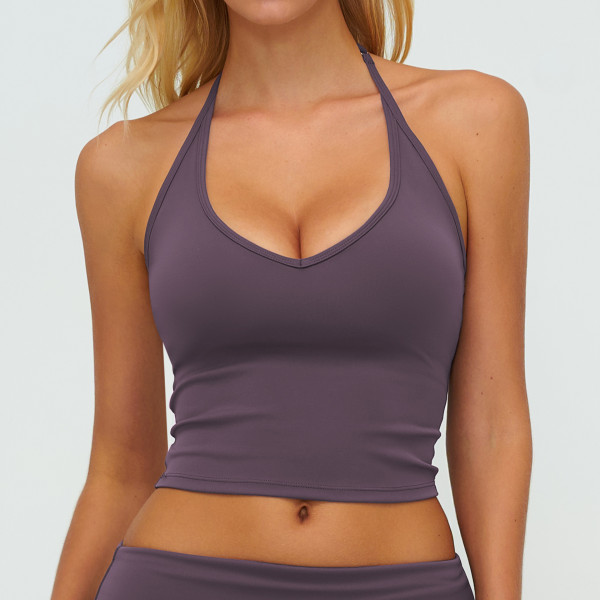
AOLAFREE, a top Chinese sportswear manufacturer, offers customizable, high-quality Yoga Vest for global brands.
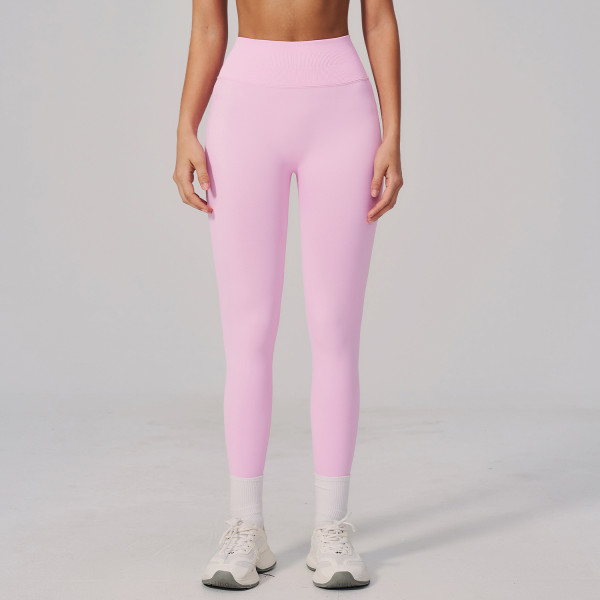
AOLAFREE, a top Chinese sportswear manufacturer, offers customizable, high-quality yoga leggings for global brands.
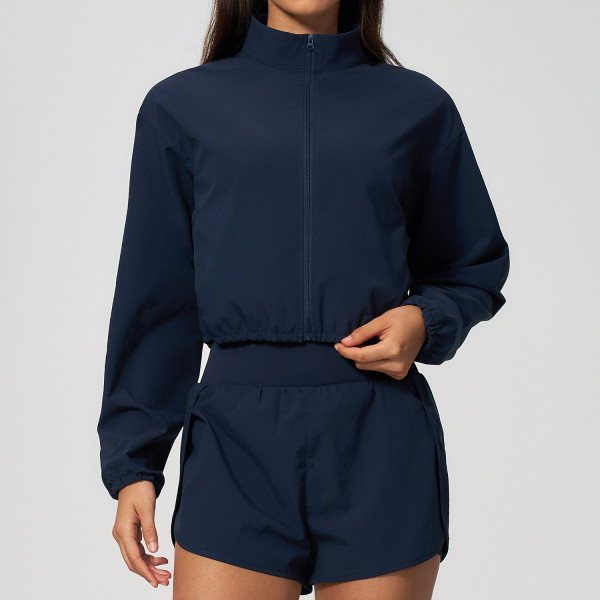
AOLAFREE, a top Chinese sportswear manufacturer, offers customizable, high-quality sun protection jackets for global brands.
Choose Fabrics for All-Day Wear
Fabric selection can determine whether an athleisure product feels like true everyday activewear or simply gym clothing worn outside the gym.
Performance is still important, but athleisure fabrics must also feel comfortable after several hours of wear.
Start with soft handfeel.
Customers are more likely to wear products repeatedly when the fabric feels smooth and comfortable against the skin. A soft surface can also create a more premium impression.
Next, consider a matte finish.
Highly reflective fabrics often communicate technical performance. Matte or soft-finish fabrics usually blend more naturally with shirts, jackets, sneakers, handbags, and other casual wardrobe pieces.
Four-way stretch is also important.
The fabric should move in multiple directions so customers can sit, walk, stretch, commute, and exercise comfortably.
Compression should normally match the purpose of the product.
For a high-intensity training legging, stronger compression may make sense. For an everyday athleisure legging, moderate compression often provides a better balance between support and long-term comfort.
Durability is another major consideration.
Everyday garments experience repeated friction from office chairs, car seats, handbags, outerwear, washing, and normal daily movement.
For this reason, brands should evaluate pilling resistance, abrasion resistance, shape recovery, shrinkage, and colorfastness during development.
Opacity should also be tested when the fabric is stretched.
Choosing fabric only by touching a swatch is not enough. The material should be tested on a real sample because the same fabric can behave differently depending on garment construction, color, size, and fit.
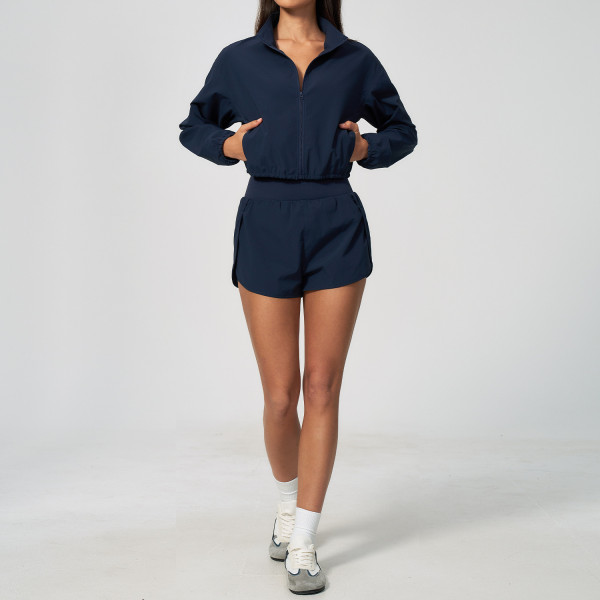
AOLAFREE, a top Chinese sportswear manufacturer, offers customizable, high-quality yoga sets for global brands.
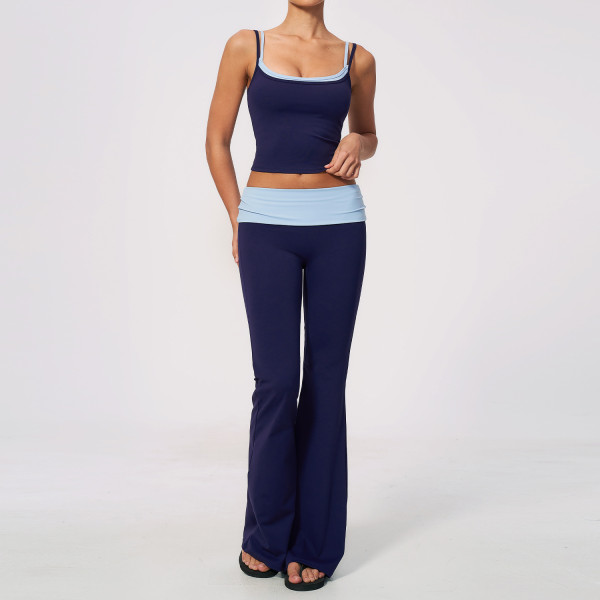
AOLAFREE, a top Chinese sportswear manufacturer, offers customizable, high-quality yoga sets for global brands.
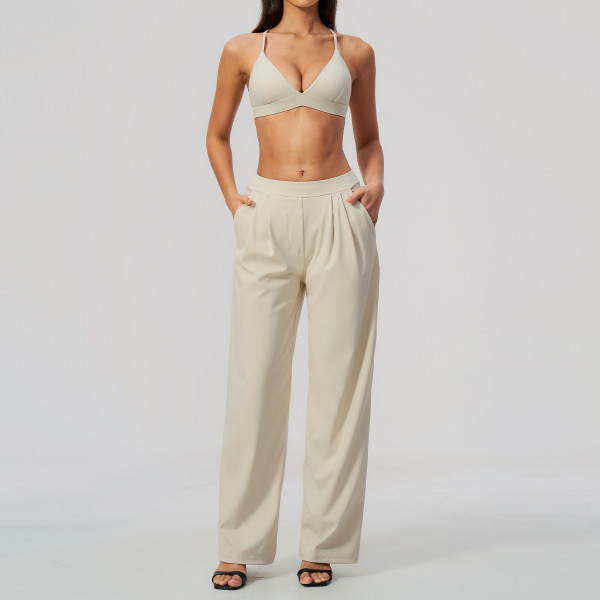
AOLAFREE, a top Chinese sportswear manufacturer, offers customizable, high-quality yoga sets for global brands.
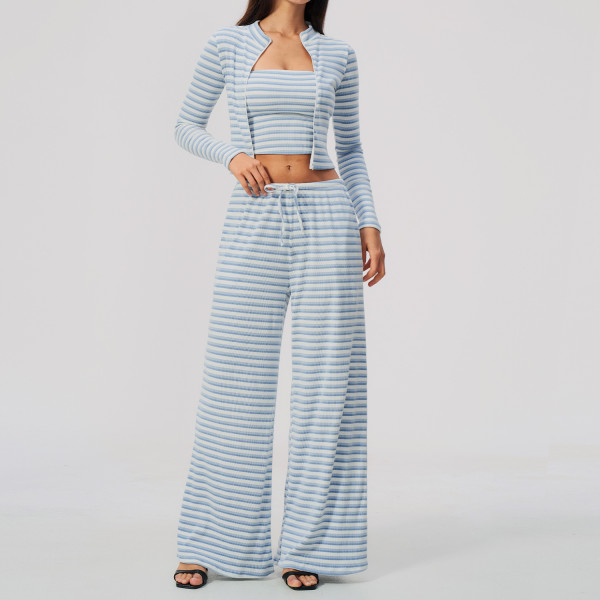
AOLAFREE, a top Chinese sportswear manufacturer, offers customizable, high-quality yoga sets for global brands.
Build a Commercial Color Palette
A capsule collection becomes much easier to merchandise when most of the colors can be mixed together.
Instead of selecting each color independently, develop a color system.
Start with core commercial shades.
Black, charcoal, navy, chocolate brown, beige, cream, and other neutral tones are useful because customers can easily combine them with clothing they already own.
These colors are especially important for products such as leggings, flared pants, and jackets.
Then add a smaller group of seasonal or brand-specific colors.
Dusty blue, olive green, muted purple, terracotta, burgundy, or soft pink can add personality without making the collection difficult to style.
Finally, use bright statement colors carefully.
A strong color may perform well as a marketing image or limited seasonal option, but too many unrelated bright colors can weaken the capsule concept.
One practical method is to build the collection around two or three core neutrals and add one or two accent shades.
For example, black leggings could coordinate with cream, dusty blue, and muted green tops. The same jacket could then work with several bottoms.
This gives customers more reasons to purchase multiple products.
Color planning also affects production.
Using a controlled color palette across several coordinated products can simplify collection planning and help the brand present a clearer visual identity on its website, social media channels, lookbooks, and wholesale materials.
How to Develop Samples Before Bulk Production
Sampling is one of the most important stages of building a private label activewear collection.
A design may look correct in a sketch but behave very differently when made in real fabric.
The first sample should therefore be treated as a development tool, not simply as a smaller version of the final order.
Start by checking the overall silhouette.
Does the product match the lifestyle and customer profile you originally planned?
Next, check fit.
For leggings, examine the waistband height, waist pressure, front and back rise, inseam, leg opening, and overall length.
For fitted tops, check neckline shape, chest fit, sleeve opening, garment length, and how the product moves when the wearer raises or extends her arms.
For sports bras, evaluate straps, under-bust support, coverage, and comfort.
Then test the fabric in actual use.
Walk, sit, stretch, bend, and wear the sample for a longer period.
A product designed for everyday activewear should not only feel good during a short fitting session. It should remain comfortable during extended wear.
You should also review the fabric surface after use and washing.
Look for pilling, excessive stretching, shrinkage, color changes, or loss of shape.
Once the basic fit is approved, confirm branding details such as logo position, labels, care labels, hangtags, and packaging.
Finally, compare all samples together.
A capsule collection should feel connected.
The black used on one garment should coordinate with the black used on another. Fits should reflect the same customer. Branding should appear consistent. Fabrics do not need to be identical, but they should belong to the same visual and tactile story.
Completing these checks before bulk production can reduce avoidable revisions later.
How AOLAFREE Supports Private Label Athleisure Collections
Developing an athleisure capsule requires more than finding individual products.
Brands need to coordinate design, fabric, fit, colors, branding, samples, production, and quality standards across the complete collection.
AOLAFREE supports brands with OEM, ODM, and private label activewear development, helping turn an initial product idea into a coordinated collection.
For brands that already have technical designs, OEM development can be used to customize details such as fabric, sizing, color, construction, logo application, labels, and packaging.
For brands that need more product development support, ODM services can help turn a market direction or collection concept into specific activewear styles.
This is especially useful when building an athleisure capsule because every product needs to work as part of the same system.
Instead of asking only, "Which leggings should we produce?" it is more useful to think about the complete customer wardrobe.
Which bra works with the fitted top?
Which leggings can be styled with the jacket?
Should the flared leggings use the same fabric as the standard leggings?
Which colors should repeat across multiple products?
Which product should become the hero style for marketing?
These decisions can influence both the appearance and commercial potential of the final collection.
AOLAFREE's current everyday athleisure product direction includes sports bras, cropped and training tops, zip-up tops, training leggings, flared pants and leggings, biker shorts, and coordinated activewear options designed for different lifestyle scenarios.
Brands planning a similar collection can explore our Daily Commute & Casual Wear Activewear solutions for more product development ideas.
For private label projects, the development process can also include fabric selection, color customization, logo techniques, labels, packaging, sample development, and bulk manufacturing.
The goal is not simply to manufacture separate garments. It is to build an activewear collection that feels consistent from the first product to the last.
Build a Smaller Collection With a Stronger Product Story
A successful athleisure brand does not need to launch the largest collection.
It needs to launch the right products for the right customer.
Start with her daily routine. Choose a small number of versatile silhouettes. Use fabrics that balance performance with all-day comfort. Build a color palette that makes products easy to mix, and test every style carefully before bulk production.
Most importantly, think about the collection as a complete wardrobe rather than a group of separate SKUs.
A sports bra, fitted top, high-waisted leggings, flared leggings, and lightweight jacket can already create multiple outfits for training, Pilates, commuting, travel, coffee runs, and casual everyday life.
That is the strength of a well-planned athleisure capsule collection.
If you are developing a new women's activewear line or expanding your current brand into private label activewear, AOLAFREE can support the process from product development and sampling to customization and bulk manufacturing.
Talk to AOLAFREE about your activewear concept, target market, styles, fabrics, colors, and customization requirements, and start building a collection designed for both movement and everyday life.