How to Prevent Fabric Pilling and Logo Peeling in Custom Activewear
- Share
- publisher
- qiu
- Issue Time
- Nov 11,2026
Summary
This article explains the common causes of these quality issues and how brands can reduce them through proper fabric selection, ISO 12945-2:2020 pilling evaluation, stretch-compatible logo applications, and systematic production inspections. Discover how a custom activewear manufacturer uses material testing, logo validation, and a five-stage quality control process to help brands improve garment durability and maintain consistent bulk production quality.
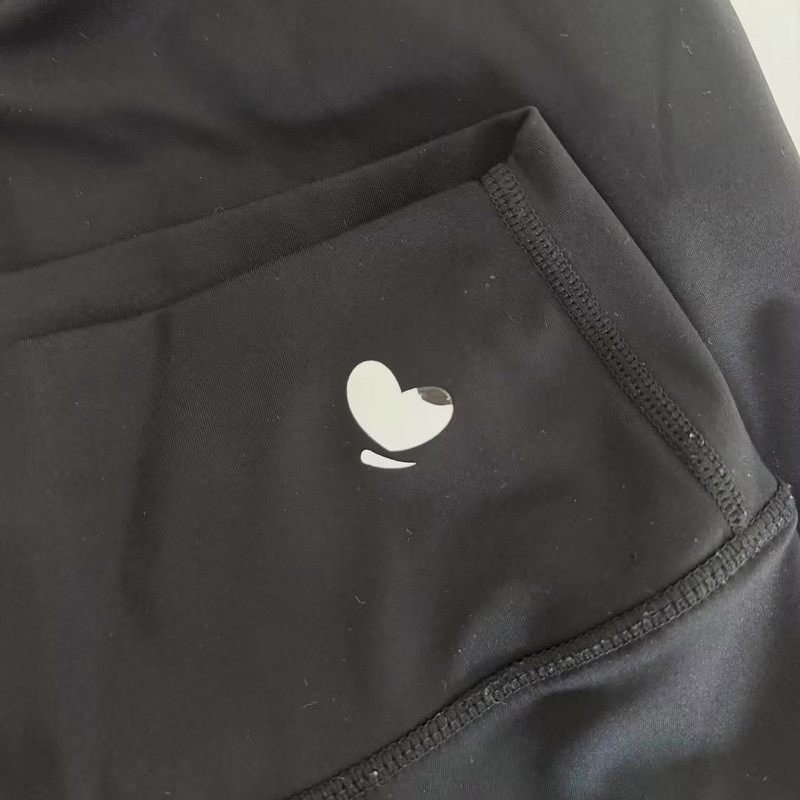
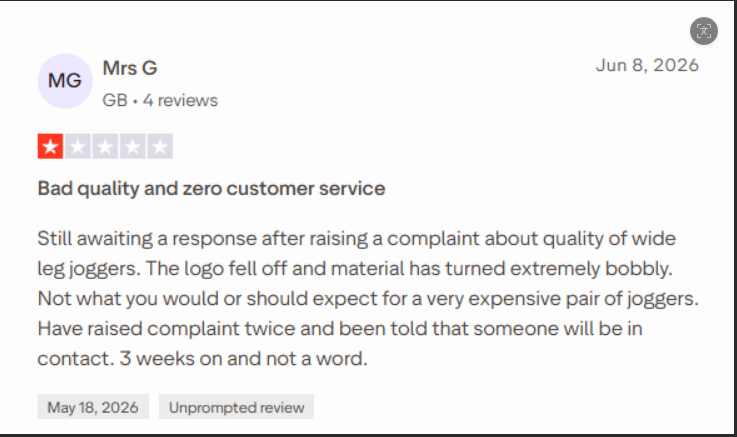
We recently came across a one-star review on a brand’s website that left a lasting impression. The customer reported that a pair of high-priced wide-leg sweatpants they purchased not only suffered from severe fabric pilling, but the printed brand logo also peeled off completely. To make matters worse, despite submitting two formal complaints, the customer received no response or updates from the brand for three full weeks. In this article, we aim to address a key question: As a trusted, China-based sportswear manufacturer, how does Aolafree handle quality issues—such as peeling logos or fabric pilling? Furthermore, what robust systems have we put in place to help our brand partners prevent such defects? If you would like to learn more about our quality control (QC) processes for custom sweatpants and yoga wear, please feel free to reach out to us.
Why Fabric Pilling and Logo Peeling Damage Activewear Brands
This review highlights two separate but equally damaging failures: a product quality breakdown, and a complete breakdown of customer support accountability. For many DTC yoga, gym and casual activewear brands, this combination is catastrophic. Your customers pay premium pricing expecting durable, long-lasting garments that hold their shape, print and fabric integrity through repeated wear and washing. When a jogger pills badly or loses its logo quickly, your customer does not blame the fabric mill or the printing technician — they blame your brand. And when complaints disappear into a silent support queue, the disappointment turns into permanent distrust, negative public reviews, social media backlash and lost repeat business.
As an experienced activewear manufacturer serving independent yoga brands, fitness startups and boutique sportswear labels, we believe quality control and after-sales accountability are not optional add-ons. They are the foundation of every custom order we produce. Browse our wide leg jogger fabric options to see the anti-pill material choices we offer for custom joggers. Many brand owners focus only on design, fit and cost when sourcing private label activewear, overlooking how fabric selection, print processes and inspection routines shape long-term customer satisfaction. Even well-designed custom joggers can hurt your brand reputation if they cannot stand up to regular wear and laundering, just like the product in this review.
How We Handle Activewear Quality Complaints
We understand the frustration of waiting weeks for a reply when a garment quality issue emerges. For this reason, we maintain clear communication workflows for all quality concerns raised by our B2B partners. When a quality concern is reported, our team reviews the order details, product photos, batch information and relevant production records. We then coordinate with our QC team to investigate the issue, identify possible causes and recommend appropriate corrective actions. Throughout the process, we keep our brand partners informed and work toward a practical resolution based on the inspection findings and agreed order specifications.
Once the relevant information is collected, our QC team begins root cause assessment. For defects matching the ones in this review, we split our investigation into two separate tracks: fabric pilling analysis, and logo adhesion failure analysis. For fabric pilling, we may request garment samples back to our lab, cross-check the fabric lot against the original approved fabric swatch, run abrasion and anti-pilling evaluation, and verify whether the fabric received the agreed finishing during textile processing. For logos that peel off, we review the print or heat transfer specification, curing temperature records, pressure settings from the production line, wash test reports and the batch of transfer film used for that order.
We document every finding, share supporting testing records and deliver a formal assessment report to our partner. The depth and timeline of this report depend on the complexity of the defect and required testing. The corrective path will be discussed mutually between both parties, guided by our signed order agreement and the root cause conclusion. Potential resolutions may include rework of affected garments, adjusted production terms for future orders, or other solutions aligned with our contract. Most importantly, we share every lesson learned internally across our production, sourcing and QC teams, so the same failure can be avoided on future orders. We do not close a quality case until we reach a mutually agreed resolution with our partner. This approach stands in contrast to the silent support experience described in that jogger review. We treat every complaint as a chance to refine our process, not as an inconvenience to delay or ignore.
How to Prevent Fabric Pilling in Custom Joggers
Fabric pilling can be significantly reduced through appropriate material selection, fabric finishing, laboratory testing and consistent production quality control. However, the actual performance depends on fiber composition, fabric construction, garment use and care conditions. This is a key point for brands to understand when sourcing custom joggers and private label activewear, as no fabric can be fully immune to pilling under heavy friction or improper washing routines.
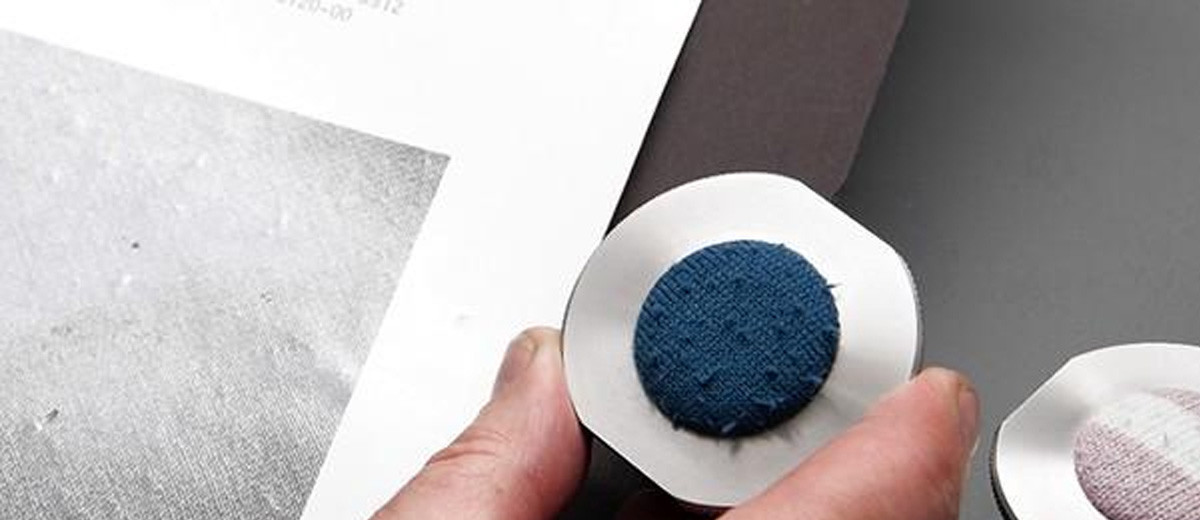
Our fabric pilling evaluation follows ISO 12945-2:2020, which specifies the modified Martindale method for assessing fabric resistance to pilling, fuzzing and matting. For custom activewear and jogger collections, we work with brand partners to establish appropriate testing conditions and acceptance grades based on fabric composition, garment use and agreed quality requirements. Where applicable, Grade 4 or above can be set as a project-specific target after testing. This means we do not apply a one-size-fits-all standard to every fabric blend; soft fleece blends, lightweight jersey and high-tenacity performance knits each have different realistic performance benchmarks.
Our fabric control process unfolds at multiple touchpoints. First, fabric mill sample approval: we sign off on a physical swatch with full test reports before the mill starts weaving or knitting the bulk roll. Second, bulk fabric inspection: when fabric rolls arrive at our facility, our QC team pulls random samples from every single lot, re-tests pilling resistance, weight, stretch recovery and color fastness, and cross-references the results against the approved swatch. If one roll fails the agreed pilling grade, we quarantine the entire lot and reject it before any cutting begins. Third, inline sewing inspection: our floor QC staff check fabric surface consistency while garments are being sewn, catching uneven texture or weak fabric areas before they become finished joggers. We also document full traceability for every fabric roll, so if a pilling issue ever emerges later, we can instantly identify which mill batch, delivery date and production run it came from, rather than guessing blindly.
We also work closely with our brand partners to set honest expectations. Some fiber blends are inherently more prone to pilling than others. If a partner selects a soft, cozy blend that has natural limits to abrasion resistance, we flag this upfront, offer alternative upgraded fabric options, and help craft accurate care instructions for end customers, such as turning garments inside out before washing, avoiding harsh fabric softeners and line drying instead of high-heat tumble drying. We never hide fabric limitations to win an order. Long-term trust matters more than a single sale. Learn more about custom fabric specification for your activewear line.
How to Prevent Logo Peeling on Activewear
The second major defect in this customer review was the logo falling off entirely. Printed and heat transfer logos on stretchy activewear are uniquely vulnerable, because the fabric stretches repeatedly during movement, stretches further when wet, and endures cycles of washing, detergent and heat. A logo that does not flex with the fabric will crack, lift and peel away quickly. This is not an unavoidable accident — it is often a failure of specification, material selection and production quality control.
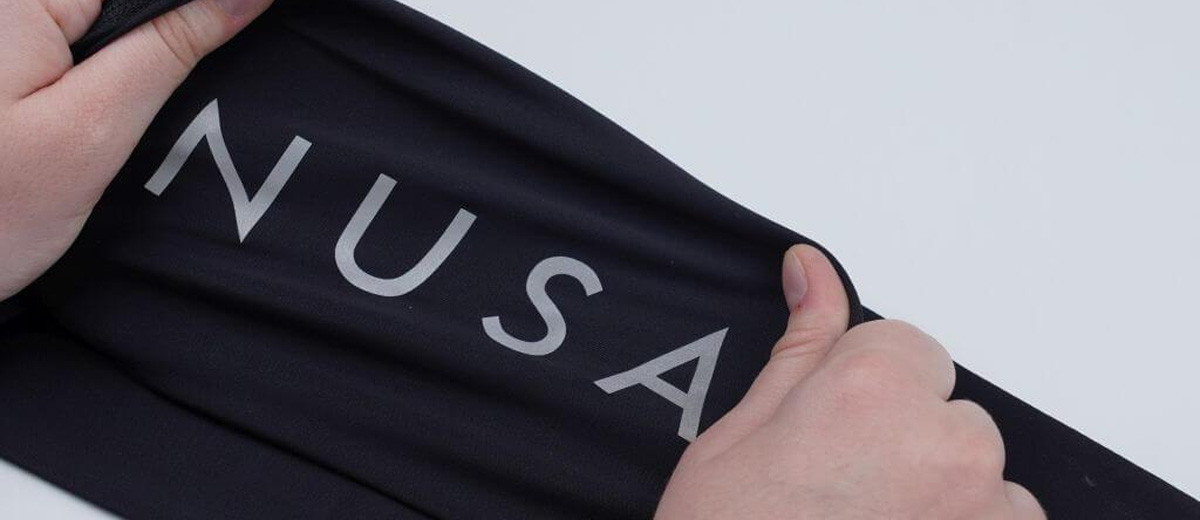
At Aolafree, we match every logo application method to the garment’s end use and fabric composition. For wide leg joggers, we offer multiple durable options: stretch heat transfer vinyl formulated for high-stretch knit fabrics, water-based screen print with elastic ink additives, silicone print, or embroidered branding for the highest wear resistance. We reject rigid, non-stretch transfer materials for jogger and yoga apparel, because rigid ink cannot follow the fabric stretch cycle and will delaminate rapidly. Before bulk production, we create a pre-production sample with the exact logo method, ink or transfer film, curing settings and fabric that will be used in the full order. That sample goes through our standard validation checks: wash durability testing, stretch recovery testing, logo adhesion inspection, edge lifting and cracking evaluation. Only when the logo passes this validation do we sign off for bulk production.
On the production floor, we maintain tight control over heat transfer parameters. Temperature, pressure and dwell time are calibrated for each fabric and transfer combination, and we run a test print at the start of every production shift, plus rechecks at regular intervals through the day. Our operators are trained to flag poor adhesion, edge lifting or incomplete transfer immediately, rather than continuing to print hundreds of defective joggers. Final inspection for every finished garment includes a visual check of logo placement, sharpness, and adhesion integrity. We gently test logo edges on a random sample basis to confirm there is no lift. If a logo batch fails this inspection, we hold the whole order and arrange rework before shipment, instead of shipping defective goods to our partner and leaving their end customers to discover the problem.
Our Quality Control Process for Custom Activewear
Our internal quality assurance system follows the 5-Stage Quality Control Process used across our factory, designed to catch risks such as fabric pilling and heat transfer logo peeling long before finished goods are shipped. Every stage includes targeted checks related to the two common defects highlighted in this customer review.
- Pre-production QC: We confirm fabric swatches, anti-pilling testing requirements, logo technique, ink/transfer material and wash validation criteria. All specs and acceptance standards are locked in with written approval from our partner before bulk manufacturing begins. No material or process change moves forward without alignment.
- Raw Material Incoming QC: All fabric rolls, transfer films, printing inks and trims are inspected upon arrival. Fabric samples are pulled for anti-pilling testing, stretch and color fastness verification. Printing consumables are checked for stretch compatibility to avoid logo delamination later on.
- Inline Production QC: QC technicians stay on the sewing and printing lines. They monitor fabric surface consistency during cutting and sewing, and verify heat transfer machine settings continuously. Early-stage samples are checked for weak fabric spots, incomplete transfer and logo edge lifting while production is still running.
- Mid-batch Audit QC: Partway through the production run, we pull completed garments from the line for secondary checks. This audit helps us catch gradual drift in machine heat, pressure, or fabric quality that may appear after the initial shift test. We recheck logo adhesion and fabric surface condition during this phase.
- Pre-shipment Final QC: Finished packed cartons are sampled under AQL 2.5 standards. Inspectors visually scan for pilling-prone fabric areas, test logo adhesion, check stitching, sizing consistency and packaging. If the batch fails the agreed inspection criteria, shipment is paused until rework or replacement is completed.
We also build lab testing into every order for partners who need third-party validation. We can arrange independent lab reports for pilling resistance, color fastness, stretch recovery, transfer print durability, OEKO-TEX chemical safety and heavy metal testing, so our partners have verified documentation to share with their customers. This is especially valuable for premium-positioned jogger and yoga brands, where shoppers pay higher prices and expect proof that the garment is built to last. The customer in that review expected durability matching their premium price tag, and that expectation is completely reasonable. Our five-stage QC workflow exists to help our partners meet that standard, every time.
You can learn more about our full framework on our dedicated quality control page: Aolafree Quality Control Process
What Activewear Brands Should Expect from a Manufacturing Partner
That one-star review is a powerful reminder for every brand owner: your supplier’s quality culture and after-sales process become your brand’s reputation. When you outsource your joggers, yoga leggings or activewear collection to an activewear manufacturer, you are not just buying fabric and sewing labor. You are buying their testing standards, their reaction to defects, their communication habits, and their willingness to take ownership when something goes wrong. A supplier who disappears for three weeks after a complaint creates a brand crisis for you. A supplier who acknowledges issues promptly, investigates thoroughly, documents findings and prevents repeats protects your brand and builds customer loyalty alongside you.
When you partner with Aolafree, we invite you to be part of the quality process. You can join pre-production sample reviews, specify your required Martindale pilling grade, choose your logo application method, define your wash validation requirements, and set your own quality benchmarks. We share photos, test reports and inspection records openly, so you never have to guess what is happening with your order. If you have had bad experiences with suppliers ignoring quality complaints, or receiving joggers that pill and peel shortly after launch, we understand how draining that can be. Our entire workflow is built to avoid that exact pain point for our B2B activewear partners.
Frequently Asked Questions
Pilling forms when loose short fibers on the fabric surface tangle together after repeated friction. Root factors include fiber type and staple length, yarn twist, fabric knit structure, finishing treatments, wear frequency and consumer washing habits. Even high-quality fabrics can pill under heavy, consistent friction.
We follow ISO 12945-2:2020, the modified Martindale method. Samples are rubbed against a standard abrading material for a set number of cycles, then evaluated visually against reference photographs to assign a pilling grade from 1 (heavy pilling) to 5 (no pilling). Testing parameters are customized for each fabric and project.
Select stretch-compatible transfer materials and elastic inks that match the fabric stretch rate. Confirm production parameters including temperature, pressure and pressing time on pre-production samples, and complete wash and stretch validation before bulk run. Schedule regular machine calibration checks during production.
Lock in fabric swatch approval with anti-pilling test reports, confirm pre-production sample validation for logos, review sewing construction standards, and define sampling rules and acceptance criteria for incoming fabric and final pre-shipment inspection. Keep all agreed specs in written order documentation.