OEM vs ODM vs Private Label Activewear: Which Model Is Right for Your Brand?
- Share
- publisher
- qiu
- Issue Time
- Oct 29,2026
Summary
Looking for a reliable activewear manufacturer? Compare OEM, ODM & private label activewear options for yoga apparel, sports bras and leggings. Check AOLAFREE’s MOQ, sampling process, lead times and custom fitness apparel development rules. Find the right manufacturing model that matches your brand’s tech pack, budget and launch timeline.
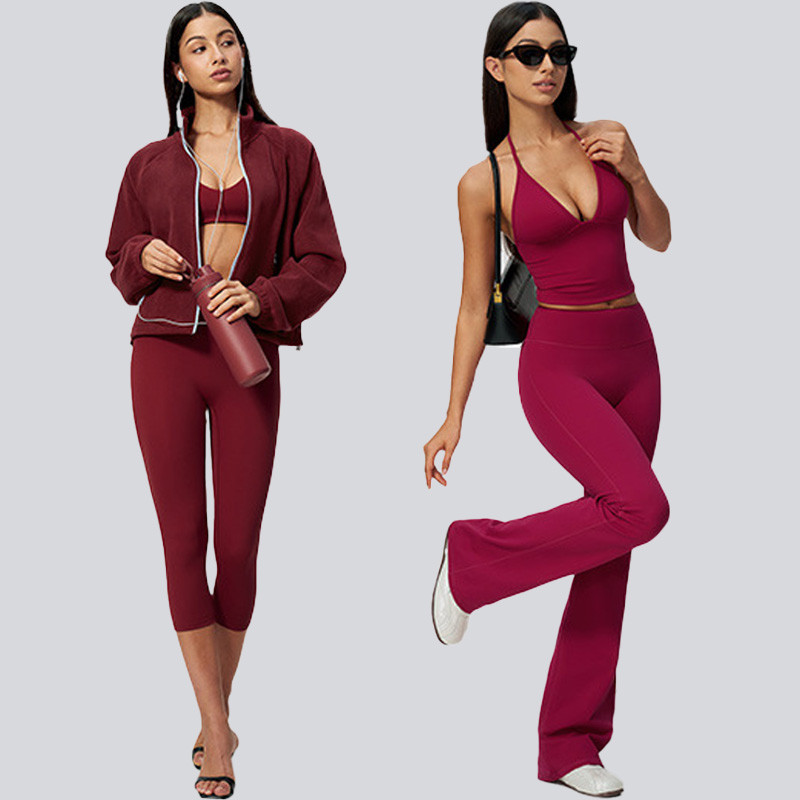
OEM vs ODM vs Private Label Activewear: Which Model Is Right for Your Brand?
If you are launching or scaling an activewear brand, the biggest early manufacturing decision is choosing between OEM, ODM, and private label. The wrong choice can blow your budget, delay your launch, or leave you with products that look identical to competitors. This article breaks down the three models by design control, development workload, and differentiation, tells you which setup fits your current stage (ready tech pack, rough concept, or fast launch priority), walks through the full sampling and production workflow, and explains how MOQ, sampling cost and lead time change with product complexity. As a trusted China activewear supplier, AOLAFREE activewear manufacturer supports all three routes for fitness apparel, yoga sets, sports bras, leggings and performance outerwear.
What Are OEM, ODM and Private Label for Activewear?
The core difference boils down to: who owns the base pattern, who develops the fit, and how much you can modify the garment.
Private Label
Private label means you select pre-developed, ready-to-go styles from the factory’s existing collection. The pattern, grading, fit and base fabric are already finalized by AOLAFREE activewear manufacturer. Your customisation is limited to branding: woven label, printed logo, hang tag, packaging, and sometimes standard colour swaps on in-stock fabrics.
- Design control: Low
- Development workload: Minimal
- Product differentiation: Low to moderate; limited unique silhouette or construction changes
- Best for: Brands that want to launch fast, test market demand with low risk, and do not need fully original cuts.
ODM (Original Design Manufacturing)
ODM sits in the middle. AOLAFREE activewear supplier provides existing base patterns, while you can customise fabric, colour, fit tweaks, seam details, embroidery, prints and hardware. The factory’s R&D team helps refine your concept into a sellable garment. Adjustments are built on the factory’s existing patterns and designs. The exclusive usage scope, rights to customised outputs and other restrictions need to be agreed in advance.
- Design control: Medium
- Development workload: Moderate
- Product differentiation: Medium to high
- Best for: Brands that have a design moodboard or concept, but no finished tech pack, and want unique products without building everything from scratch.
OEM (Original Equipment Manufacturing)
For OEM, the brand provides detailed design specifications. AOLAFREE activewear manufacturer develops and produces goods following agreed requirements. Ownership of designs and intellectual property shall be clearly defined within the contract.
- Design control: High, based on the brand's specifications and agreed development scope
- Development workload: High
- Product differentiation: High to very high
- Best for: Established brands or designers with detailed tech packs who require custom product development and clearly defined intellectual property arrangements.
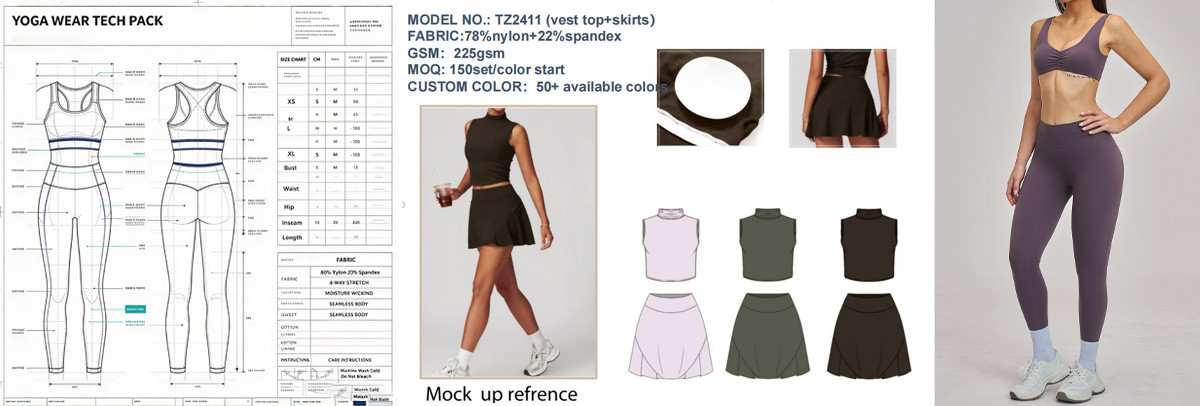
Which Model Matches Your Current Stage?
1. You already have a complete tech pack, measurement chart and construction notes → Choose OEM
You can formalise your design requirements and IP terms in the contract. OEM supports custom development based on your specifications. Expect more rounds of fit sampling, higher upfront development cost and longer lead time. Visit our OEM/ODM page to review our custom development checklist.
2. You only have a concept, mood board or sketch, no finished tech pack → Choose ODM
You have a vision but lack the technical files to start OEM. The AOLAFREE activewear supplier’s design and pattern team will turn your concept into a viable garment using proven base patterns. This cuts development risk and shortens the timeline compared with full OEM.
3. You want to launch your brand quickly, test styles and keep initial investment low → Choose Private Label
Private label skips pattern development. Once you confirm your logo, label and packaging, sampling is fast. It is ideal for first-time founders, DTC test collections and small-batch market validation. Review our sample policy for private label sampling turnaround.
End-to-End Workflow: Sampling, Fabric, Branding & Bulk Production
Regardless of the model, the standard workflow from inquiry to shipment follows these steps, though complexity varies widely:
1. Requirement confirmation
Share your style reference, target fabric options, sizing range, logo artwork and packaging specs. AOLAFREE activewear manufacturer reviews whether your request fits private label, ODM or OEM. We can source fabrics per your request and arrange third-party testing upon your requirement.
2. Fabric selection & colour matching
Private label uses factory stock fabrics. ODM can select from approved fabric libraries with custom colour dyeing. OEM supports custom fabric sourcing and colour matching as requested. Upon request, we can help coordinate third-party fabric or product testing and arrange available supporting documentation, subject to the material specifications, testing scope and service provider requirements.
3. Sample development
- Private label: Stock sample + branding; fastest turnaround
- ODM: Fit sample with adjusted fabric/colour/details, 1–2 revision rounds typical
- OEM: The process may include an initial prototype, fit sample, sales sample and pre-production sample, depending on the project scope. Multiple revisions may be required for complex designs.
All samples must receive the agreed written approval before bulk production begins. See our sample policy for details on sampling requirements and fees.
4. Pre-production confirmation
Lock grading, bulk fabric, colour, print/embroidery, labels, hang tags and packaging. We issue a pre-production sample for your final sign-off.
5. Bulk production, inline QC and final inspection
Cutting, sewing, decoration, quality inspection and packing. Our factory strength page covers our QC process, production standards and available supporting documents for fabric certifications.
6. Balance payment, shipment and logistics arrangement
MOQ, Sampling Cost & Lead Time: How Complexity Shapes Your Timeline
Below is the official MOQ standard of AOLAFREE:
- Cut & sew regular styles: 300 pcs per style, mix of 2 colours and 4–5 sizes available
- Seamless styles: 500 pcs per colour per style, minimum 2 colours per order, mixed sizes allowed
- Ready stock items: ~50 pcs per style
MOQ, sampling cost and lead time are directly tied to how much you change the base garment.
Private Label: Lowest MOQ, lowest sampling cost, shortest lead time. For ready-to-ship styles, MOQ starts at approximately 50 pieces per style. Stock availability, branding requirements and packaging choices affect the final fulfilment schedule. For customised orders using existing styles, sampling and bulk production timelines should be confirmed according to the selected products and agreed specifications.
ODM: Mid-range MOQ and sampling cost. Custom dyeing, specialised knits and non-stock fabrics may increase MOQ, sampling costs or production lead time, depending on supplier minimums, material availability and the complexity of the requested specifications. Our team can confirm the applicable requirements after reviewing your project details.
OEM: Higher sampling cost and longer timeline. Full pattern grading, custom fabric development or special construction work will extend the schedule. Sampling cycles can run 2–4 weeks before pre-production sample; bulk often 35–50 days. Complex styles such as seamless activewear, padded sports bras or multi-panel training sets add extra time and cost.
Key rule: Custom dyeing, specialised knits and non-stock fabrics may increase MOQ, sampling costs or production lead time, depending on supplier minimums, material availability and the complexity of the requested specifications. Our team can confirm the applicable requirements after reviewing your project details.
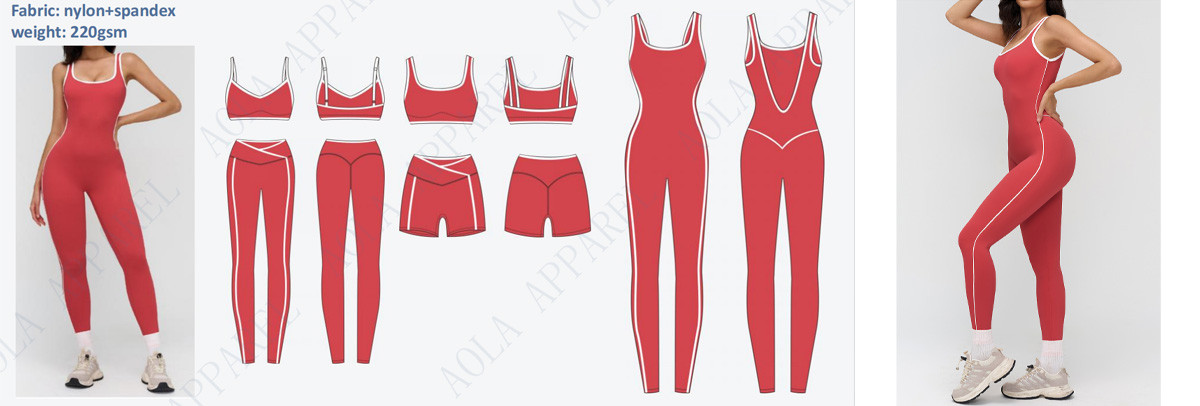
Quick Decision Cheat Sheet
| Scenario | Recommended Model |
|---|---|
| Have finished tech pack and need clear IP agreement for exclusive design | OEM |
| Have sketches/moodboard, need design support based on existing patterns | ODM |
| Fast launch, market test, limited budget | Private Label |
| Want high differentiation but avoid full OEM development risk | ODM |
| Low minimums with only logo and packaging customisation | Private Label |
Many growing brands use a hybrid strategy: start with private label to validate sales, roll out ODM for signature styles, then move high-performing bestsellers into OEM with formal IP contracts. AOLAFREE activewear manufacturer supports this phased roadmap for sportswear brands from startup to wholesale scale.
Final Thoughts
There is no universal “best” model for activewear manufacturing. The right choice depends on your design readiness, differentiation goals, budget, launch timeline and risk tolerance. Private label is speed and low risk; ODM balances uniqueness and workload; OEM offers custom development with clear IP terms defined in contract for brands ready to invest in original product development.
If you are not sure which path fits your collection, reach out to AOLAFREE activewear supplier for a free project assessment. We will review your references, budget and launch window and recommend the most efficient route.