Pilates Practice Explained: Why Core-Focused Workouts Need Engineered Apparel
- Share
- publisher
- AOLAFREE
- Issue Time
- Aug 25,2026
Summary
A practical look inside Pilates practice — from mat work to the reformer — and why core-focused movement demands engineered apparel from a trusted Pilates activewear supplier.
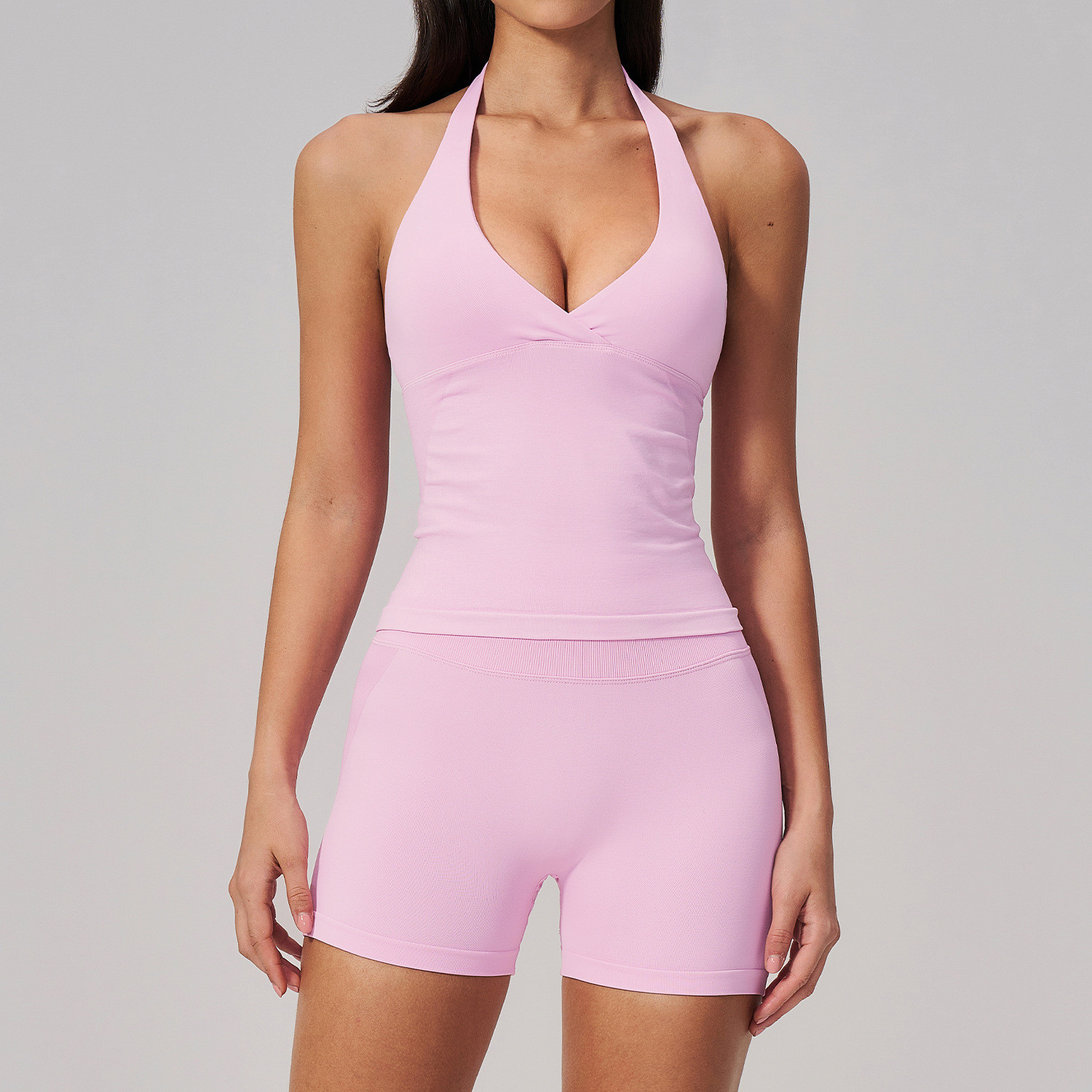
If you are an activewear brand planning to launch a Pilates apparel line, this guide explains how to turn Pilates movement requirements into engineered, manufacturable garments. AOLAFREE, a professional activewear manufacturer and supplier in China, breaks down fabric selection, fit engineering, testing standards and commercial considerations for your Pilates collection. A mat Pilates class centers on the powerhouse — the core, glutes, and back. Exercises such as the hundred, roll-up, and teaser require long, controlled holds that compress and flex the midsection. A high-waist legging is a functional requirement here, not a fashion choice: a supportive waistband with good grip prevents rolling and pinching during repeated crunching and rolling movements. Spinal articulation is another signature of Pilates. Movements like spine stretch and rolling like a ball demand fabric that glides over the body without riding up. Four-way stretch material with a smooth hand feel keeps coverage in place, while flatlock seams prevent the irritation that long repetitions can cause. For tops, a secure sports bra with medium support is essential, because Pilates involves significant range of motion in the upper body, from shoulder rolls to full-body extensions. Send us an inquiry if you want to review our existing Pilates wear samples for reference. Pilates apparel engineering connects movement patterns, fabric selection, pattern grading and practical validation. Below is the evaluation framework your product team can use directly, without relying on abstract marketing descriptions. Fabric evaluation: Compare nylon-spandex (nylon-elastane) and polyester-spandex blends. Review hand feel, elastic recovery, surface appearance and pilling resistance. Nylon-spandex often delivers softer hand feel and better recovery; polyester-spandex tends to offer stronger abrasion resistance and color fastness. Every fabric option needs to be assessed against sustained stretch and repeated body contact during slow, controlled Pilates movements. Pattern & waistband engineering: Define waistband height, waistband width and anti-roll controls. Test roll-down risk across different body shapes, including high-torso, short-torso and post-partum body types. A well-engineered waistband balances compression and comfort, avoiding excessive tightness that cuts into skin or insufficient grip that slides down during rolling and flexion. Performance validation checklist: Evaluate stretch coverage, rebound performance after repeated flexion, and dimensional stability after washing. These checks confirm whether leggings stay squat-proof and retain shape after regular studio use. Browse our activewear range to see how we apply these standards to our OEM and ODM projects. Garment action testing on fit samples: Fit samples must be tested through real Pilates movements to check fabric slippage, unwanted wrinkling and seam friction. Flatlock placement, panel cut lines and bra underband support all need adjustment based on live action feedback, not only static fit on a mannequin. Before launching a Pilates line, brands need to assess product mix, target audience, differentiation, fabric cost and development risk, rather than entering the market only based on general industry growth. Pilates consumers are loyal, repeat buyers, but they prioritize consistent coverage, comfort and subtle premium styling over loud fashion details. Your collection should separate core staple styles and limited-edition SKUs. Core styles include high-waisted leggings, medium-support sports bras and slim-fit tanks. Differentiators can include matte fabric finishes, seamless panels, custom waistband detailing and studio-friendly neutral color palettes. Budget planning needs to cover fabric sampling, multiple fit rounds and wash testing, which are higher priority for Pilates apparel than for casual activewear. Reformer Pilates introduces additional garment considerations because straps, springs, and equipment contact can affect comfort and movement. Brands should evaluate waistband stability, fabric recovery, seam placement, and the risk of excess fabric bunching during repeated transitions. These details can help create a more consistent fit and a product experience suited to studio-based training. AOLAFREE, a trusted activewear manufacturer in China, provides structured OEM and ODM support for your Pilates apparel line: We do not overpromise; all customizations are aligned with our actual production capability. Contact our team to start your Pilates collection development.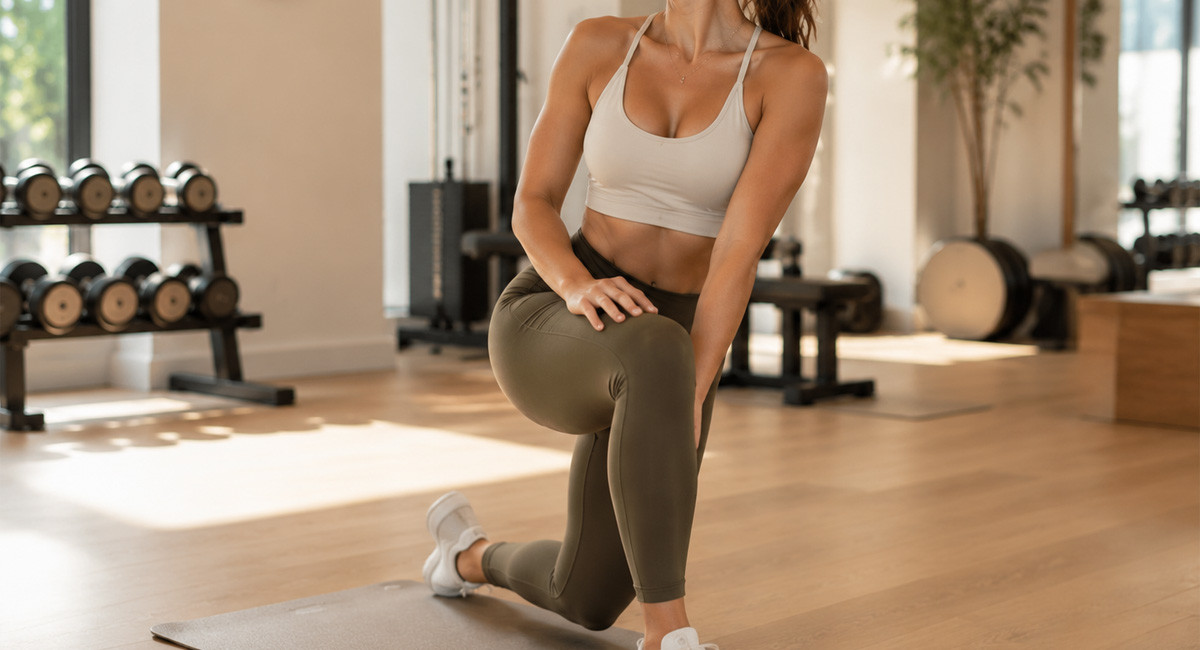
The Demands of Mat and Reformer Work
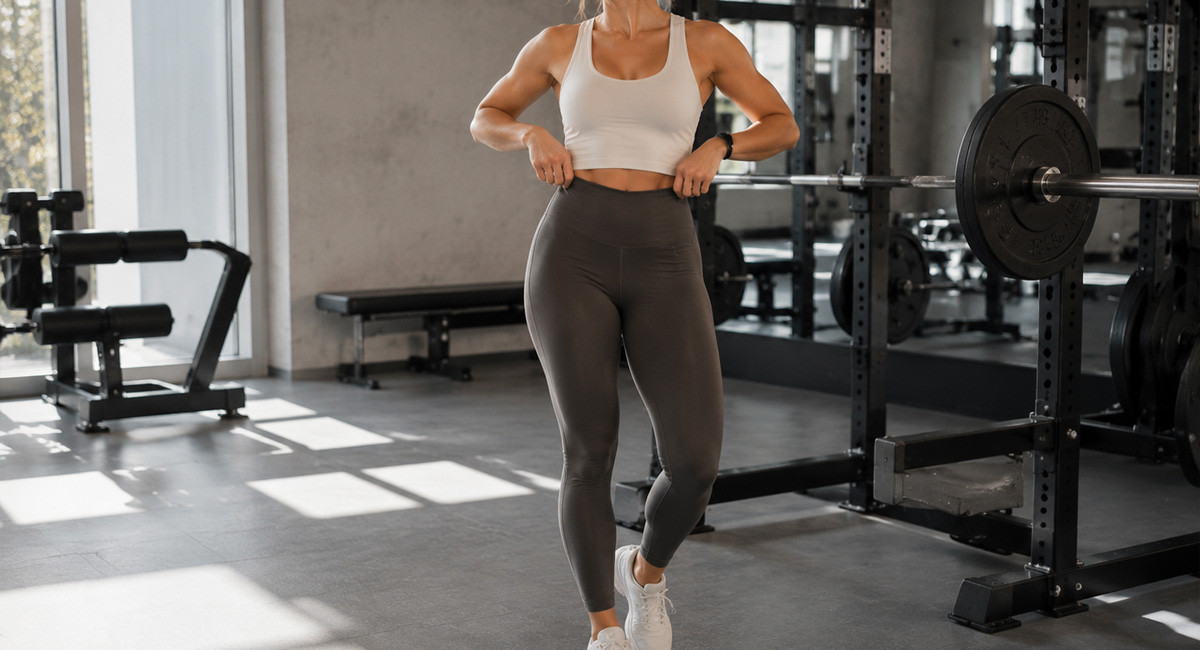
How to Engineer Pilates Apparel for Fit, Stretch and Coverage
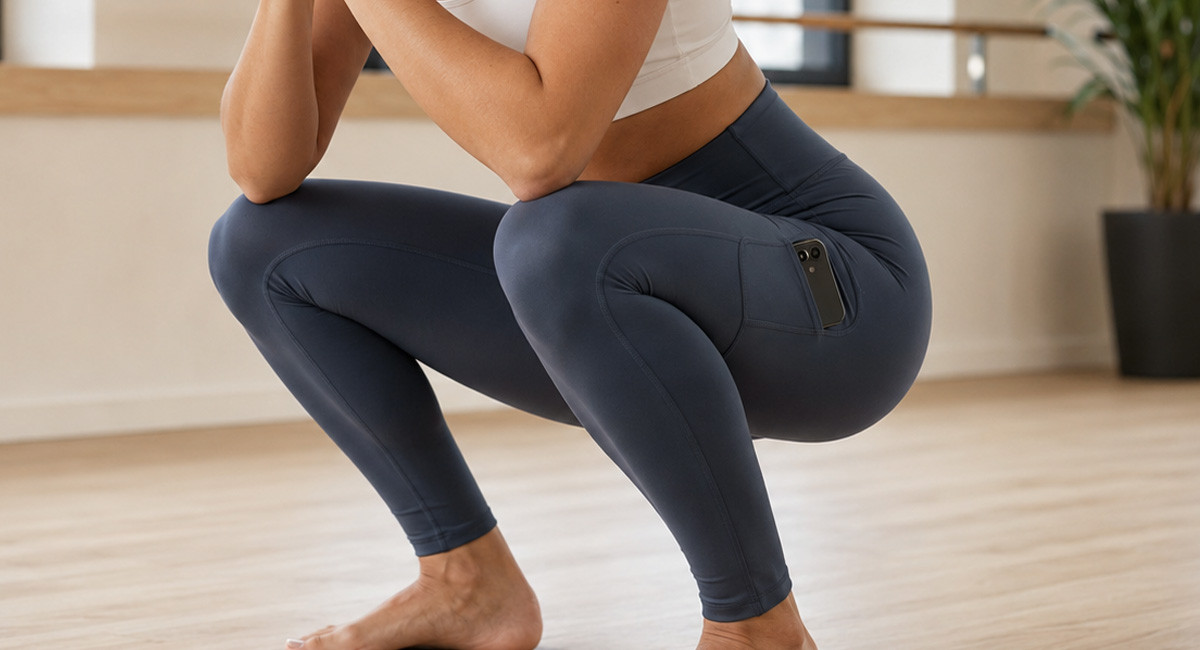
What Activewear Brands Need to Build a Pilates Collection
Manufacturing Support from AOLAFREE, China Activewear Supplier