Recycled rPET vs Lyocell vs Regular Nylon Activewear: Is Sustainable Yoga Wear Worth It?
- Share
- publisher
- qiu
- Issue Time
- Oct 22,2026
Summary
Compare rPET, Lyocell Tencel and regular nylon yoga wear fabrics: sustainability, moisture wicking, UV protection, price and GRS guide for activewear brands. Work with AOLAFREE, reliable China activewear manufacturer.
Recycled rPET vs Lyocell vs Regular Nylon Activewear: Is Sustainable Yoga Wear Worth It?
The core question for most activewear brands is simple: Should you add sustainable yoga wear to your line? The answer hinges on fabric performance and your target audience. Choosing eco fabrics blindly often leads to bad reviews, squeezed margins and greenwashing claims.
The activewear market is flooded with buzzwords: eco-friendly, plant-based, recycled, zero-waste. Many DTC activewear brands slap “sustainable” labels on yoga leggings and sports bras, but few brand buyers truly understand the real-world trade-offs behind rPET, Lyocell (Tencel™), and regular virgin nylon fabrics.
Is sustainable yoga wear worth the extra fabric cost? Do eco-friendly activewear fabrics deliver reliable performance for hot yoga, flow yoga or everyday loungewear? Whether you are an activewear brand buyer, DTC seller or sourcing custom yoga apparel with AOLAFREE-China activewear manufacturer, this side-by-side fabric comparison breaks down sustainability credentials, hand feel, moisture wicking, UV protection, price points, seasonal fit, and critical hidden weaknesses you will not see on marketing copy.
We will also unpack GRS certification rules, eco-premium market trends and greenwashing risks, plus clear sourcing guidance for niche sustainable DTC brands and mass-market value activewear labels. At the end, you will find a practical fabric decision matrix and sourcing checklist to avoid expensive fabric missteps.
What Are These Three Core Yoga Activewear Fabrics?
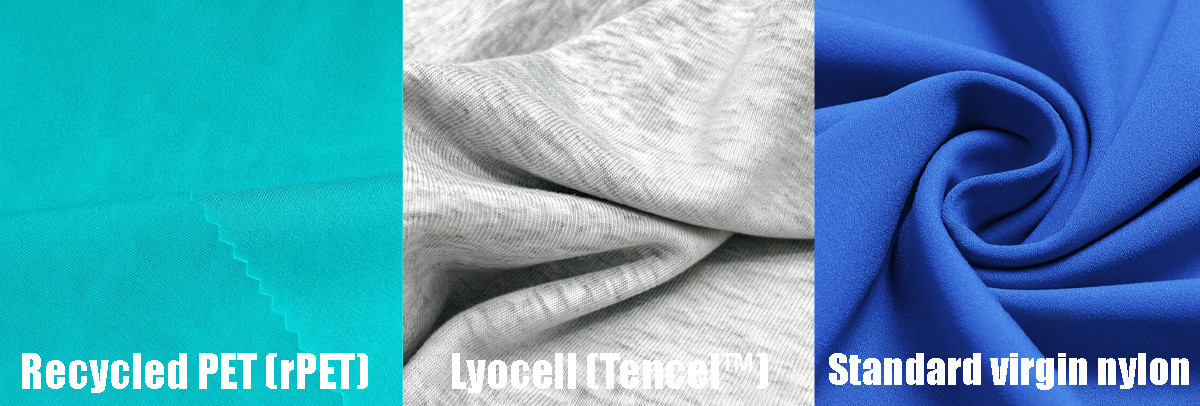
Before diving into comparisons, let’s define each fiber widely used in today’s yoga activewear industry.
Recycled rPET (Recycled Polyester)
rPET, or recycled polyethylene terephthalate, is mostly spun from post-consumer plastic bottles and recycled textile waste. It is the most widely adopted sustainable synthetic fiber for yoga wear, almost always blended with spandex (elastane) for stretch and recovery in leggings, tops and sports bras.
Lyocell (Tencel™)
Lyocell is a regenerated cellulose fiber made from sustainably sourced wood pulp, manufactured in a closed-loop solvent system that recovers nearly all processing chemicals. Marketed heavily for soft, plant-based activewear, Tencel Lyocell frequently appears in yoga loungewear and low-intensity yoga apparel.
Regular Virgin Nylon
Traditional petroleum‑based virgin nylon remains the performance benchmark for mainstream activewear. Famous for high stretch recovery, soft hand feel and abrasion resistance, regular nylon‑spandex blends dominate high‑support yoga leggings and performance sports bras, even though it carries no inherent sustainability benefits.
Side‑by‑Side Fabric Comparison: rPET vs Lyocell vs Regular Nylon Activewear
This comparison focuses on key metrics for yoga use: sustainability, hand feel, moisture management, UV protection, pricing, suitable seasons, plus stretch, durability and known fabric drawbacks.
| Comparison Item | Recycled rPET (Recycled Polyester + Spandex Blend) | Lyocell (Tencel™ + Spandex Blend) | Regular Virgin Nylon + Spandex |
|---|---|---|---|
| Sustainability Attributes | Diverts plastic waste from landfills; lowers carbon emissions vs virgin polyester. Requires GRS certification to verify recycled content. Still synthetic, sheds microplastics during washing. | Plant‑derived wood pulp feedstock; closed‑loop production; biodegradable at end‑of‑life. No plastic feedstock. Risk of greenwashing without supply chain traceability. | Virgin petroleum‑based fiber; high carbon footprint; no recycled material benefits. High‑performance but non‑sustainable base material. |
| Hand Feel & Drape | Smooth, cool‑to‑touch. Very similar hand feel to virgin polyester; most consumers cannot tell rPET apart by touch. | Incredibly soft, silky, luxe drape; skin‑friendly, premium tactile experience. | Supple, plush, high‑stretch handfeel; outstanding compression and support for tight yoga fits. |
| Moisture Wicking & Drying Speed | Excellent moisture wicking; fast drying performance, works well for sweaty workouts. | High moisture absorption, but slow drying once saturated. Holds sweat weight; prone to sticking to skin during heavy perspiration. | Moderate wicking; medium drying speed; balanced for all‑day active use. |
| UV Protection (UPF) | Easy to achieve UPF 50+ with standard fabric finishes; strong UV‑blocking performance for outdoor yoga. | Poor natural UV resistance; must add chemical post‑treatment to reach UPF ratings. | Low native UV protection; requires finishing treatments for anti‑UV function. |
| Price & MOQ | Moderate premium: +15‑25% cost above standard virgin polyester. GRS‑certified yarn carries small extra cost. Flexible MOQ for activewear production. | Medium‑high price premium; higher raw material cost. Careful dyeing needed, pushes manufacturing costs up. | Lowest baseline cost among the three; mature global supply chain, flexible MOQ for mass‑volume orders. |
| Best Suitable Seasons | Year‑round use; works for summer outdoor yoga and winter layered activewear. | Spring & summer; ideal for low‑sweat indoor practice. Not ideal for high‑heat, heavy‑sweat sessions. | All‑season performance staple for every yoga style. |
| Key Weaknesses for Yoga Wear | Microplastic shedding during washes; compression performance is average vs nylon. | Reduced wet strength when soaked; wet friction triggers fibrillation / surface pilling; heavy when sweat‑soaked; poor fit for hot yoga & power flow yoga. | High carbon footprint; no built‑in sustainability story for eco‑marketing. |
| Stretch & Durability | Good stretch recovery; decent pilling resistance with quality yarn. | Good dry‑state strength; durability drops sharply under repeated wet rubbing. | Industry‑leading stretch recovery, abrasion resistance for high‑intensity activewear. |
Market Reality: Eco‑Label Premiums, Greenwashing Risks and GRS Compliance
The global sustainable activewear market continues growing fast. Many DTC yoga wear brands can command a 20‑40% retail price premium for products carrying credible sustainable fabric labels. However, consumers are growing more educated, and vague “eco‑friendly” marketing without third‑party verification triggers accusations of greenwashing, negative social media feedback and higher product return rates.
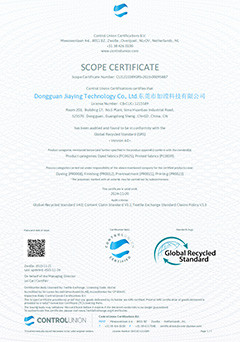
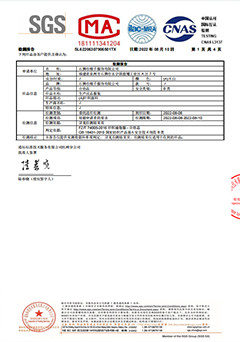
The Global Recycled Standard (GRS) is the most critical certification for rPET yoga activewear sourcing with AOLAFREE activewear supplier. Critical GRS rules every apparel brand must know:
- Minimum 20% recycled fiber content is mandatory to use the GRS mark; most yoga brands use 50‑100% rPET blends.
- Full‑chain traceability is required: yarn spinner, fabric mill, dyeing house and finished garment factory must provide valid GRS Transaction Certificates (TC). Verbal claims of “recycled fabric” mean nothing without TC documents.
- GRS audits cover both recycled material content, environmental manufacturing rules and labor standards, not only fiber composition.
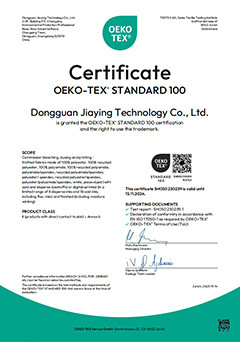
Supporting certifications for yoga activewear include OEKO‑TEX Standard 100, which confirms fabric safety for skin contact. Keep in mind: GRS validates recycled content; OEKO‑TEX validates harmful‑substance safety. They serve different purposes.
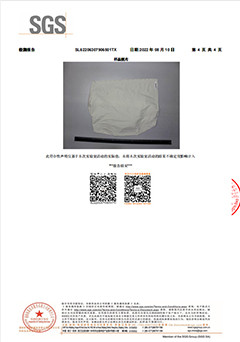
A common industry pitfall: some suppliers mix only a tiny fraction of rPET into blends and market the whole garment as recycled activewear. Always verify full documentation before committing to bulk production.
Hidden Trade‑Offs & Underrated Weaknesses of These Yoga Fabrics
Many emerging sustainable activewear brands run into costly product complaints by ignoring these real‑world fabric limitations.
Lyocell (Tencel™): Great Softness, But Wet‑Strength Drawbacks for Yoga
Lyocell is wonderfully soft for restorative yoga and loungewear. However, it struggles for hot yoga, power flow yoga and high‑sweat practice. When saturated with sweat, lyocell fabric gains weight, dries slowly and clings uncomfortably to skin. Repeated wet friction causes fibrillation: tiny surface fuzz that makes leggings look worn and pilled long before the fabric tears.
Lyocell is not “bad fabric” — it is a scene‑limited fabric. It shines for low‑intensity yoga loungewear, but it is risky for high‑sweat performance‑focused yoga leggings.
Recycled rPET vs Regular Polyester: Minimal Sensory Difference
Most customers cannot feel the difference between rPET and virgin polyester with their hands. The value of rPET lies in its environmental story and GRS traceability rather than superior tactile or workout performance. If your target shoppers do not prioritize sustainability values, they will not pay extra for rPET.
Recycled Nylon vs Regular Nylon (Reference Note)
Recycled nylon (such as ECONYL®) delivers nearly identical hand‑feel and performance compared to regular virgin nylon, yet carries a large cost premium. Shoppers almost never perceive tangible quality improvements, making it difficult to justify higher retail pricing for most yoga‑wear lines.
Regular Virgin Nylon: Performance Champion, Limited Eco‑Story
Regular nylon‑spandex delivers outstanding compression, stretch recovery and abrasion resistance for yoga leggings and sports bras. Its major downside is its petroleum‑based raw material, giving brands little to leverage for sustainable marketing messaging.
Sourcing Guide: Which Fabric Fits Your Brand?
Whether you operate a niche DTC sustainable yoga brand or a mass‑market value‑focused activewear label, match fabric selection to your brand positioning, target customers and product use‑cases.
For Niche DTC Sustainable Yoga Brands
Your core audience is conscious consumers actively searching for GRS certified yoga wear, eco‑friendly leggings and transparent supply chains.
- Top pick: GRS‑certified rPET + spandex blends. Balances solid workout performance, credible sustainability credentials and reasonable production costs, leaving room for sustainable retail premium pricing.
- Secondary option: Deploy Lyocell‑spandex blends for your low‑intensity yoga loungewear SKUs. Market it for restorative yoga and casual home wear, avoid marketing it for hot yoga or high‑sweat flow classes.
- Proceed with caution: Pure Lyocell leggings for high‑intensity workout lines; high‑volume recycled nylon collections, due to steep costs and low consumer sensory differentiation.
- Marketing tip: Lean into verifiable facts: post‑consumer plastic bottle diversion, valid GRS certification, and transparent supply chain stories instead of vague green buzzwords.
For Mass‑Market Value‑Focused Activewear Brands
Your shoppers prioritize fit, durability and affordable price tags over eco‑narratives.
- Top pick: Stick with well‑proven regular nylon‑spandex blends. Consistent stretch recovery, low defect rates, mature global supply chains keep your product quality stable and costs predictable.
- If you want to add sustainable SKUs: Launch small‑batch trial collections with GRS‑certified rPET, instead of switching your entire product portfolio. Test market feedback before scaling up.
- Avoid risk: Skip full Lyocell core lines. Higher return rates will appear from customers complaining about slow‑drying, pilling after sweaty workouts.
- Key warning: Do not raise retail prices across your whole catalog for sustainability features most buyers cannot physically feel.
Final Verdict: Is Sustainable Yoga Wear Worth It?
There is no universal “best yoga fabric”. Whether sustainable yoga wear is worth the investment depends entirely on your brand positioning, target audience and intended yoga use‑cases.
✅ Recycled rPET activewear is worth it: It is the most practical all‑round sustainable option for yoga leggings, tops and sports bras. Choose GRS‑certified rPET when you want eco‑credentials without sacrificing workout performance.
⚠️ Lyocell yoga wear is conditionally worth it: Incredible softness for restorative yoga and loungewear, yet poorly suited for hot yoga and heavy‑sweat activity. Manage customer expectations on product descriptions.
✅ Regular nylon remains worth it for performance‑first collections: It delivers unmatched stretch and durability, even if it lacks sustainability marketing hooks. It is the safe baseline for mass‑market performance yoga apparel.
Sustainable yoga wear does not automatically equal better quality. Real value comes from matching fabric performance to user scenarios plus valid third‑party compliance certifications. Without proper testing and certification, “sustainable” only becomes greenwashing.
Quick Decision Matrix & Sourcing Checklist for Activewear Brands
Fabric‑by‑Product Recommendation
| Product Type | Recommended Fabric |
|---|---|
| High‑intensity / Hot Yoga Leggings | GRS‑rPET blend / Regular Nylon |
| Restorative Yoga & Loungewear Bottoms | Lyocell‑spandex blend |
| High‑Support Sports Bras | Regular Nylon or GRS‑rPET blend |
| Loose Yoga Tops | Lyocell for low‑sweat; rPET for general‑purpose |
Critical Sourcing Checklist (for your production with AOLAFREE-China activewear manufacturer)
- ✅ Always request official GRS Transaction Certificates (TC) for any recycled fabric batches.
- ✅ Run lab or in‑house fabric tests: moisture‑drying performance, wet‑rub pilling, stretch recovery, and UPF rating if outdoor yoga is targeted.
- ✅ Wash test fabric samples at least 5 cycles to check for pilling, fuzzing and shape change.
- ✅ Calculate if your retail price margin can absorb sustainability‑fabric premiums before placing bulk orders.
Conclusion & Call‑To‑Action
Selecting yoga activewear fabrics means balancing sustainability stories, real‑world performance, and business reality. Do not let trendy “sustainable” buzzwords drive your sourcing decisions — let fabric test data and your customer’s actual workout habits guide you.
If you are building your yoga activewear line and want expert fabric guidance, explore more resources on aolafree.com. AOLAFREE is your trusted China activewear manufacturer and supplier for custom sustainable yoga apparel.
Leave a comment below: what type of yoga wear does your brand focus on? What fabric challenges are you facing right now?