Spring Yoga Apparel Fabric Guide: Nylon vs Polyester vs Recycled Fabrics
- Share
- publisher
- Spring Yoga Apparel Fabric Guide: Nylon vs Polyester vs Recycled Fabrics
- Issue Time
- Nov 13,2026
Summary
Compare nylon-spandex, polyester-spandex and recycled fabrics for spring yoga apparel. Learn how GSM, knit construction, stretch recovery, breathability, MOQ and sourcing lead times affect your private label collection. Aolafree, China-based private label activewear manufacturer, guides custom yoga apparel fabric selection for DTC and boutique brands.
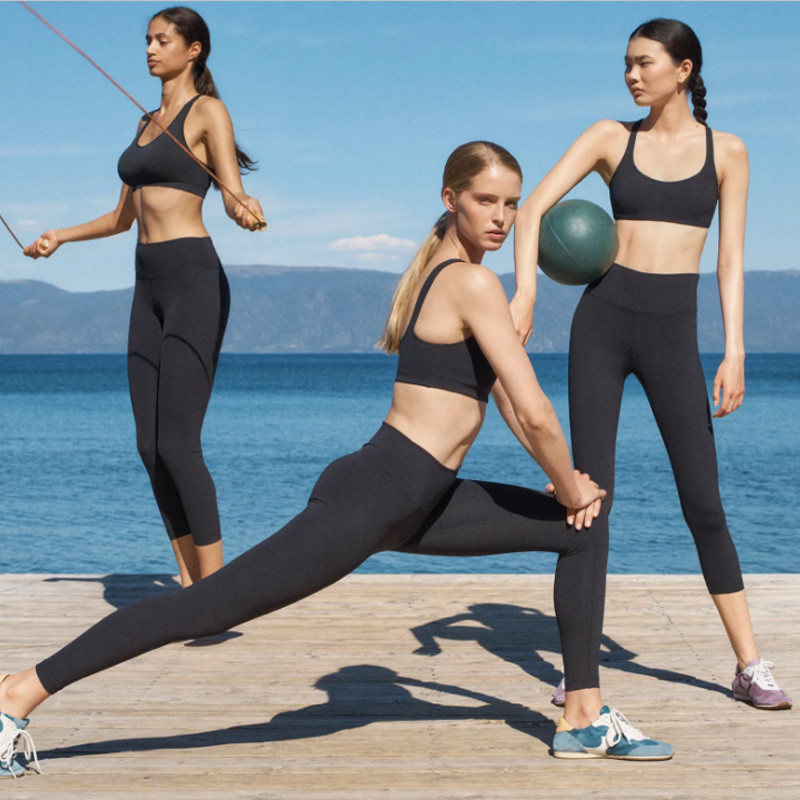
Spring yoga apparel needs to balance breathability, lightweight comfort and reliable stretch recovery. Choosing the wrong fabric can affect everything from garment fit and opacity to compression, durability and production cost. As a China-based private label activewear manufacturer, Aolafree helps brands compare nylon-spandex, polyester-spandex and recycled fabric options based on product requirements, target retail positioning and sourcing conditions. Discuss Your Spring Fabric Requirements
Fabric selection directly shapes the performance of your custom yoga leggings, sports bras and activewear sets, as well as final cost and MOQ arrangements. It is important to understand that fiber composition alone does not determine fabric performance. GSM, knit construction, yarn quality, spandex ratio and finishing processes all influence breathability, opacity, stretch recovery and compression.
Comparison of Common Spring Yoga Fabrics
| Fabric Type | Key Advantages | Potential Limitations | Best Fit For | Sourcing Considerations |
|---|---|---|---|---|
| Nylon + Spandex | Soft handfeel, good stretch and recovery, abrasion resistance and rich color options | Generally higher material cost than many standard polyester blends | Premium yoga leggings, supportive sports bras and core private label activewear | Check GSM, spandex ratio, opacity, stretch recovery and compression requirements |
| Polyester + Spandex | Lightweight options, quick-drying potential, cost efficiency and stable supply for many standard constructions | Handfeel and recovery vary by yarn quality, spandex content and fabric construction | Cost-conscious spring activewear, yoga tops, casual shorts and lightweight training apparel | Evaluate moisture management, pilling resistance, handfeel and colorfastness |
| Recycled Nylon / Recycled Polyester | Supports sustainability positioning, with recycled yarn options available for different performance needs | Material cost, MOQ and lead time depend on yarn availability, certification and custom dyeing requirements | Sustainable private label yoga clothing and eco-conscious activewear collections | Verify recycled-content documentation, certification scope, fabric performance and batch consistency |
Recycled nylon and recycled polyester should not be treated as identical materials. Their handfeel, stretch performance, durability and sourcing conditions vary depending on yarn specifications and fabric construction.
When sourcing recycled fabrics, brands should verify the applicable certification, recycled-content claims and transaction documentation for the specific material being purchased.
Our Factory Sourcing Recommendations
For Premium Yoga Leggings and Sports Bras
Consider nylon-spandex blends with suitable GSM, stretch recovery and opacity. Evaluate fabric construction and support requirements before confirming the material.
For Cost-Conscious Spring Activewear
Consider polyester-spandex options with suitable moisture management, handfeel and dimensional stability. Compare fabric performance and material cost before making a final selection.
For Sustainable Private Label Collections
Evaluate recycled nylon or recycled polyester based on certification availability, recycled-content documentation, color options, material cost and sourcing lead time.
The best fabric is not necessarily the most expensive one. It is the material that meets your product performance requirements, target retail price and production conditions.
How to Choose Spring Fabrics for Different Yoga Apparel Products
The right fabric depends on the garment's function, fit and target retail price. A fabric that works well for lightweight yoga tops may not provide enough support for high-waist leggings or sports bras. Even with the same fiber blend, adjusting knit density, spandex percentage and fabric weight can completely change the end-use experience.
Yoga Leggings
For yoga leggings, prioritize stretch recovery, opacity, abrasion resistance and a comfortable handfeel. Nylon-spandex blends are a popular option for premium collections, while selected polyester-spandex fabrics can provide a more cost-conscious alternative. Fabric weight and knit density should be evaluated together to balance coverage and breathability, especially for spring styles that lean lighter.
Sports Bras
Sports bras require careful consideration of stretch recovery, support, fabric stability and comfort against the skin. The fabric should be selected according to the intended support level and garment construction rather than fiber composition alone. High-support styles often rely on a heavier fabric structure plus lining, not simply a higher percentage of spandex.
Yoga Tops and Lightweight Layers
For spring yoga tops, prioritize lightweight construction, breathability, moisture management and softness. Polyester-spandex blends can be suitable for quick-drying training tops, while selected nylon blends offer a softer handfeel for premium lifestyle collections. Many spring tops also need to balance air flow with modest coverage during movement.
Matching Fabric to Your Brand Positioning
Before confirming a fabric, compare its performance, material cost, available colors, MOQ and sourcing lead time. This helps ensure that your fabric choice supports both your product concept and your target retail price. We encourage brands to test swatches in real wear conditions rather than relying only on data sheets.
Fabric Performance Checks Before Bulk Production
We coordinate with fabric suppliers and third-party laboratories to arrange relevant fabric performance evaluations before bulk production, based on the material specifications and quality requirements of each project. Key evaluation areas may include:
As your trusted activewear supplier in China, Aolafree can arrange fabric swatches, performance documentation and sample development for your spring collection. Request Fabric Swatches and a Quotation