Strength Training Activewear: What Brands Should Look for in Leggings, Sports Bras & Training Tops
- Share
- Issue Time
- Aug 28,2026
Summary
For brands entering the competitive fitness apparel market, understanding the intricacies of exceptional strength training activewear is crucial for success and customer loyalty.
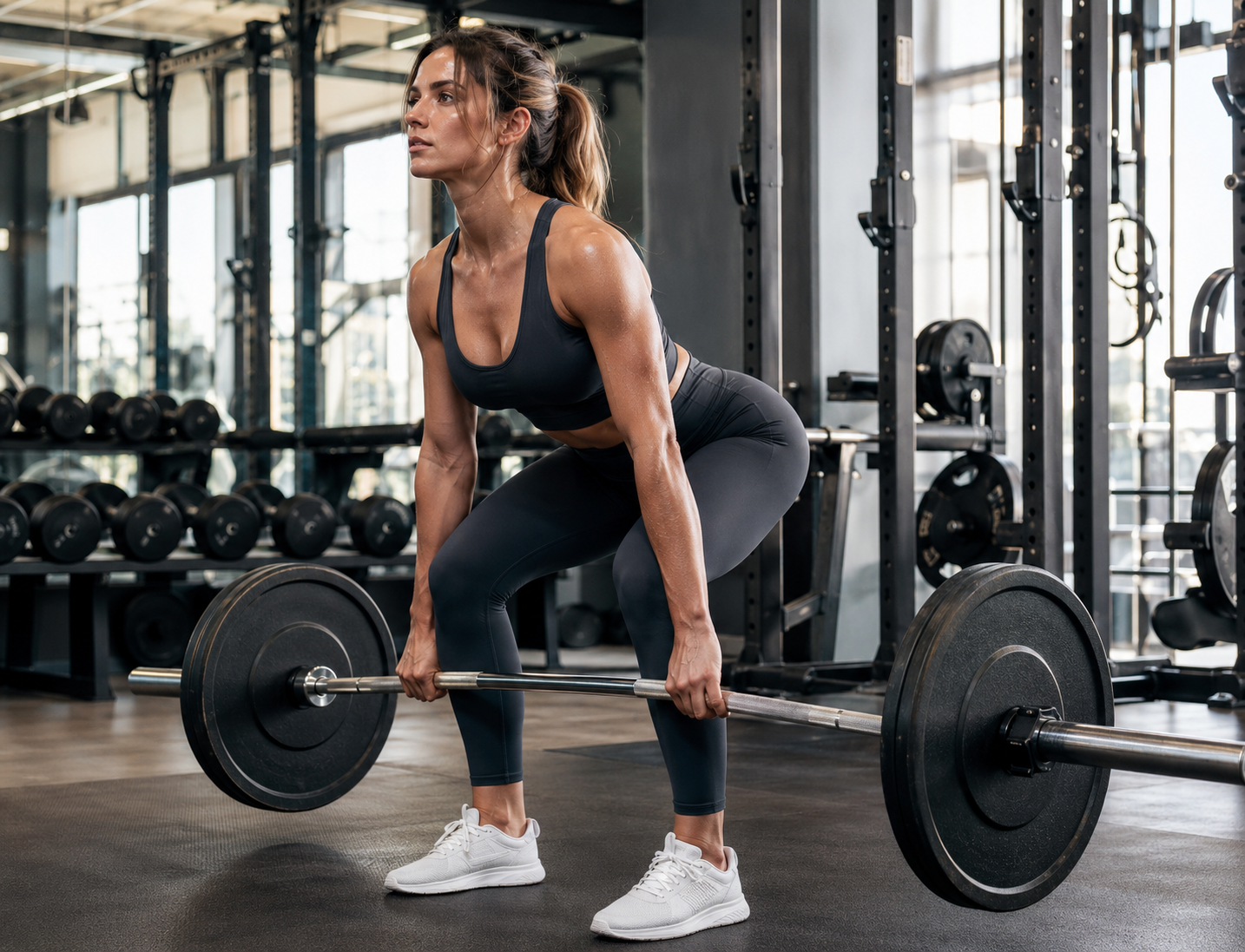
If you run a fitness apparel brand and plan to launch strength training sportswear, this guide walks you through practical product development rules, key quality checks, and common pitfalls. Badly engineered gym garments may become sheer during squats, lose compression quickly, or abrade against gym equipment. As Aolafree, a reliable China sportswear manufacturer & supplier, we cover leggings, sports bras, training tops, and standardized pre-production quality workflows. Send your inquiry if you need OEM & ODM support for your custom strength apparel line.
Table of Contents
- 1. What Should Brands Look for in Strength Training Activewear?
- 2. How to Develop Strength Training Leggings
- 3. How to Choose the Right Sports Bra Support and Construction
- 4. How to Develop Training Tops for Strength Workouts
- 5. How Brands Can Test Activewear Quality Before Bulk Production
- 6. How Brands Can Balance Performance, Design and Cost
- 7. Develop Your Custom Strength Training Collection with AOLAFREE
- FAQ
What Should Brands Look for in Strength Training Activewear?
For brands entering the competitive fitness apparel market, well-designed strength training sportswear directly shapes user experience and builds brand trust. All development work can be organized around four core dimensions: fabric selection, fit & construction, graded support, and abrasion-resistant durability.
- Fabric: Prioritize four-way stretch, consistent shape recovery, and reliable moisture-wicking performance. Nylon-spandex blends are widely adopted for leggings; polyester-spandex blends are common for high-support sports bras and training tops.
- Construction & Fit: Flatlock seams reduce chafing; crotch gussets expand movement range; stable waistbands and bra underbands minimize rolling or slipping during dynamic lifts.
- Targeted Support: Avoid one-size-fits-all support. Define tiered support levels for sports bras and adjustable compression grades for leggings to match different workout intensities and body types.
- Durability: Strength training creates repeated friction with barbells, benches and floor surfaces. Abrasion-resistant fabric and reinforced stitching reduce pilling and tearing after frequent training and washing cycles.
How to Develop Strength Training Leggings
Leggings are a core staple of strength training sportswear. Quality gym leggings need to stay comfortable and functional through deadlifts, squats, and repeated laundering. Focus on these actionable development points:
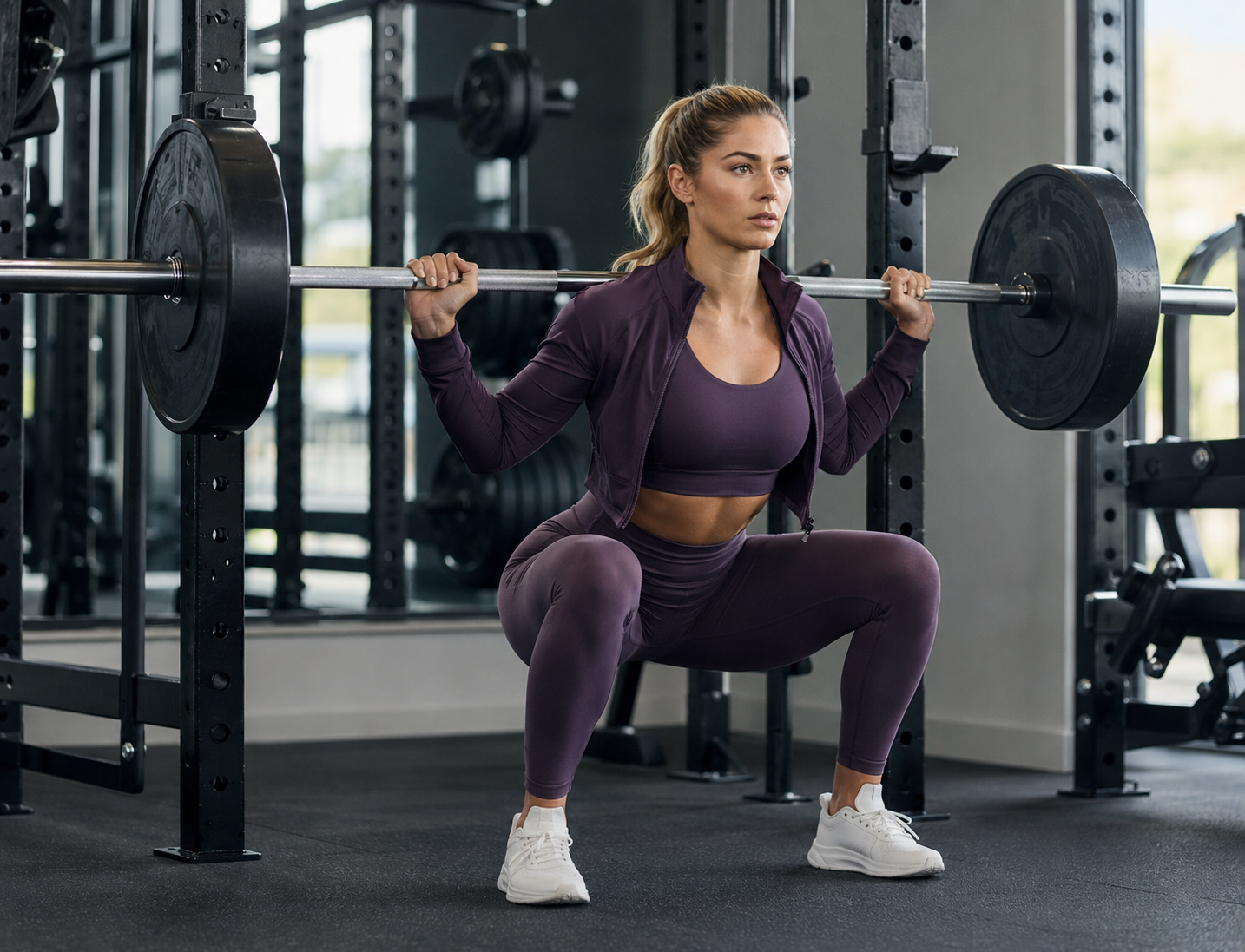
- Fabric Stretch & Recovery: Compression performance is not determined by spandex percentage alone. The final feel depends on fabric blend, knit structure, GSM, and stretch-recovery lab test results. The development team should test each candidate fabric under target stretch ratios before confirming specs.
- Squat Opacity Test: This test only evaluates coverage when the fabric is stretched to deep-squat ranges. It confirms whether the garment becomes see-through under movement. This is a separate check and cannot replace independent tests for color fastness, abrasion, or fiber durability.
- Waistband Stability: Wide high-rise waistbands are preferred for strength training. They deliver core hold and are engineered to resist rolling down during bending and lifting movements.
- Gusset Construction: Diamond-shaped crotch gussets disperse seam stress, expand mobility, and lower the risk of seam failure during deep squats and lunges.
- Abrasion Resistance Testing: Run Martindale or Wyzenbeek abrasion tests separately. Fabrics must withstand repeated contact with metal and hard gym surfaces without rapid pilling or breakage.
As Aolafree, China sportswear manufacturer, we schedule these isolated tests for every legging sample before bulk production approval.
How to Choose the Right Sports Bra Support and Construction
A properly engineered training sports bra is essential for female strength athletes. Poor fit or insufficient support causes discomfort and distracts users from training. Design your lineup around clear support tiers tied to specific workout scenarios:
- Low-impact bras: Simple compression construction, soft and flexible. Intended for yoga, mobility work and stretching. No rigid molded cups.
- Medium-impact bras: Combine compression and lightweight encapsulated cups. Suitable for moderate weight training, stationary cycling and elliptical workouts, balancing comfort and moderate stabilization.
- High-impact bras: Encapsulated cups or hybrid compression-encapsulation construction for heavy lifting, HIIT and CrossFit. Each breast receives independent containment to limit multi-direction movement. A wide, firm underband carries most of the support load.
Standard construction checklist: adjustable padded shoulder straps, hook-and-eye closure for fine fit tuning, mesh panels placed on high-sweat zones for airflow, and flatlock seams to prevent chafing. We do not claim medical, corrective or injury-prevention benefits; the core goal is reliable, consistent support during athletic movement.
How to Develop Training Tops for Strength Workouts
Training tops are often underprioritized, yet sleeve, underarm and hem design directly affects comfort during overhead press, pull-ups, bench press and other upper-body strength movements. Use these criteria when developing strength-focused tops:
- Fabric Performance & Wash Stability: Select quick-drying, moisture-wicking polyester-spandex or nylon-spandex blends. Confirm dimensional stability after repeated cold washes; the fabric should not shrink, twist or lose its hand feel after laundering.
- Shoulder, Sleeve and Armhole Geometry: Raglan or dropped sleeve patterns usually allow freer shoulder rotation than tight set-in sleeves. The armhole cut must avoid pinching the deltoids during overhead extension. Leave adequate clearance for pulling and pressing motions.
- Underarm Gusset & Zoned Breathability: Add articulated gusset panels or mesh inserts at the underarm. This reduces friction and improves airflow during repeated pushing and pulling. Place ventilating panels on the upper back while using more stable base fabric across the torso.
- Hem Stability: Use gently elasticated, wide bottom hems to stop the top from riding up during squats, deadlifts and hinging movements, so athletes do not need to re-adjust constantly.
- Combination of Pattern, Seam and Fabric: High-friction zones should use smoother, snag-resistant knit. Flatlock seams are preferred over raw overlocked seams to reduce skin irritation during long training sessions.
How Brands Can Test Activewear Quality Before Bulk Production
Pre-production validation reduces costly batch defects and post-purchase complaints. Follow this practical, step-by-step development and testing workflow:
- Define requirements: Lock target training scenarios, user demographics, compression grade and price tier before fabric sourcing.
- Fabric verification: Confirm composition, GSM, stretch ratio and recovery data from fabric mill test reports. Review color card, hand feel and performance test sheets before ordering bulk fabric.
- Prototype & pattern check: Make first-fit samples. Verify all measurements against the size spec sheet, check waistband, gusset, bra band, armhole and hem structure.
- Functional wear trial: Recruit testers across multiple body types to complete real strength training sequences. Record slipping, binding, chafing and opacity issues.
- Independent lab testing: Run separate tests for abrasion resistance, color fastness, moisture management, stretch recovery, and seam bursting strength. The squat opacity check remains a separate functional test.
- Wash stability test: Cycle samples through the recommended care routine multiple times and check for shrinkage, pilling, fading and elastic degradation.
- Pre-production sign-off: Freeze the final approved sample, fabric swatch, tech pack and artwork before releasing bulk manufacturing.
How Brands Can Balance Performance, Design and Cost
When building a strength training apparel line, product teams must decide which features are non-negotiable and which can be adjusted to fit the target retail price point:
- Non-negotiable performance indicators: Squat opacity, seam bursting strength, basic abrasion resistance, and color fastness to sweat and wash. These core functions directly shape user trust and return rates.
- Adjustable design details by tier: Budget lines may use single-layer construction and standard flatlock stitching. Mid-range lines can add mesh ventilation zones and adjustable closures. Premium tiers can adopt custom-knit fabrics, body-mapped paneling, custom hardware and branded woven labels.
- Cost-balancing strategies: Match fabric grades to product positioning instead of using the most expensive fabric everywhere. Standardize base patterns and limit custom trims for entry SKUs. Consolidate colorways to reduce dye setup cost, while reserving fully custom fabric development for flagship styles.
This approach helps procurement and product teams avoid over-engineering low-tier products while protecting the core functional requirements that strength athletes care about.
Develop Your Custom Strength Training Collection with AOLAFREE
Aolafree, China sportswear supplier & manufacturer supports end-to-end custom strength training sportswear development for global fitness brands. Our process is transparent and milestone-based:
- We help you select or develop fabrics aligned with your product positioning and budget, and share mill test data for review.
- Our pattern and sampling team returns fit feedback, marks tight or high-friction zones, and revises patterns iteratively until your fit standard is met.
- We support custom logo printing, heat transfer, woven labels, care tags and packaging customization.
- Before bulk production, we send pre-production samples for you to confirm sizing, color, trim, construction and artwork.
We provide OEM and ODM service for leggings, sports bras and training tops. If you want to start sample development for your strength collection, contact us to share your tech pack or design brief.
Frequently Asked Questions (FAQ)
Q1: What fabric certifications should a brand look for when sourcing materials?
A: OEKO-TEX® Standard 100 verifies textiles are free from harmful substances. GRS certification applies to recycled rPET fabrics, and bluesign® is recognized for environmentally responsible textile manufacturing.
Q2: How does MOQ affect customization for new sportswear brands?
A: Higher MOQ unlocks custom fabric blends, exclusive Pantone dyeing and bespoke prints. Lower MOQ projects typically use our in-stock fabric range. As a China sportswear manufacturer, Aolafree offers scalable MOQ plans for startup and growing brands.
Q3: What is the purpose of the squat opacity test?
A: It is a functional fit test only, used to confirm the fabric remains opaque under deep squat stretch. It does not replace formal lab tests for color fastness, abrasion or fiber quality.
Q4: Should brands prioritize compression or encapsulation in their sports bra designs?
A: A balanced lineup includes both. Compression-only styles suit low-to-medium impact activities. Encapsulation or hybrid designs are recommended for high-impact strength training, delivering better independent breast containment for a wider range of cup sizes.
Conclusion
Successful strength training sportswear is built on clear product positioning, thoughtful fabric selection, ergonomic pattern design, and separated, repeatable quality testing. Leggings, sports bras and training tops each have unique functional requirements that must be validated before mass production. If you are ready to launch a professional strength training apparel collection, partner with Aolafree, trusted China sportswear manufacturer.