The Competitive Advantage of Innovative Fabrics for Activewear Brands
- Share
- Issue Time
- Jun 29,2026
Summary
The highly competitive activewear market increasingly relies on innovative fabric selection, which directly impacts sales, customer loyalty, and product return rates.
In the hyper-competitive world of activewear, the difference between a brand that thrives and one that merely survives often comes down to a single, critical element: the choice of fabric. I've witnessed firsthand how textile innovation is no longer a simple feature but the very foundation upon which successful brands are built. For any entrepreneur asking, "Why should I care about fabric innovation when building my activewear brand?" the answer is simple. It directly impacts your sales, customer loyalty, and even your return rates.
The true competitive edge lies in a brand's ability to harness cutting-edge Fabric innovation, transforming not just athletic performance but the entire consumer experience. The days of one-size-fits-all materials are over. Today’s consumers demand apparel that works as hard as they do, and that expectation starts at the fiber level.
Join me as we explore how advanced textile science is revolutionizing the industry. We will delve into how innovative materials are pushing athletic boundaries, enhancing comfort and durability, lowering product return rates by meeting functional demands, and paving the way for a more sustainable future. This is the new benchmark for excellence, and it’s woven into every thread.
Key Takeaways
For activewear brand owners, understanding the strategic importance of fabric innovation is non-negotiable. It is the core driver of product performance, customer satisfaction, and long-term market success. Here’s a summary of why investing in advanced textiles is crucial for building a competitive and profitable brand:
- Boosts Sales and Brand Reputation: High-performance fabrics that deliver tangible benefits like improved comfort, better moisture management, and enhanced durability are a primary purchasing driver. When customers experience the superior feel and function of your products, they are more likely to become loyal, repeat buyers. Fabric quality is directly linked to brand reputation; consistent delivery of high-quality materials builds trust and justifies premium pricing.
- Lowers Return Rates: A significant reason for product returns in activewear is poor fit, lack of comfort, or failure to perform as expected. Innovative fabrics with superior stretch and recovery, precise compression, and effective moisture-wicking address these issues head-on. By engineering apparel that maintains its shape, supports the body correctly, and keeps the wearer comfortable, brands can drastically reduce return rates, protecting their bottom line.
- Enhances Athletic Performance and Comfort: The primary function of activewear is to support and enhance physical activity. Advanced textiles are engineered to achieve this through features like moisture-wicking, which keeps athletes dry; four-way stretch for unrestricted movement; and thermoregulation to maintain optimal body temperature. By focusing on these performance pillars, your brand provides a tangible benefit that helps customers achieve their fitness goals.
- Enables Market Differentiation Through Customization: In a saturated market, unique fabric properties become a powerful differentiator. Partnering with a specialized manufacturer like AOLAFREE allows brands to develop custom textiles with unique textures, compression levels, or performance features. This fabric-first approach creates a signature feel that competitors cannot easily replicate, giving your brand a distinct identity.
- Drives Higher Customer Loyalty and Perceived Value: Consumers recognize and appreciate quality. When a pair of leggings retains its shape after countless washes, or a running top remains fresh and dry during a marathon, it creates a lasting positive impression. This long-term product value translates into higher customer loyalty and a willingness to invest in the brand, fostering a community of advocates who champion your products.
- Aligns with Sustainability Goals: Modern consumers are increasingly eco-conscious and demand transparency from the brands they support. Integrating sustainable materials—such as recycled polyesters, bio-based nylons, and biodegradable fibers—is no longer a niche trend but a market expectation. Prioritizing sustainability in your fabric selection not only reduces environmental impact but also appeals to a growing segment of ethical consumers, strengthening your brand's market position.
The Transformative Power of Innovative Activewear Fabrics on Performance
In the quest for peak athletic achievement, the role of apparel has evolved from a simple covering to a critical performance-enhancing tool. The secret lies in advanced fabric technology, which has become the cornerstone of modern activewear. For brands, understanding this evolution is not just about keeping up with trends; it's about providing customers with a real competitive advantage, which in turn drives sales and builds unwavering brand loyalty. Traditional fabrics like basic cotton simply can't compete, as they trap moisture, restrict movement, and fail to provide the functional benefits that today's athletes demand. This performance gap is where innovative fabrics truly shine, directly addressing the business need for products that customers love, keep, and recommend.
Redefining Athletic Limits with Advanced Activewear Fabric Technology
Specialized performance fabrics are engineered at a molecular level to support the human body during intense physical exertion. These textiles are not merely materials; they are sophisticated systems designed to manage moisture, regulate temperature, and allow for maximum freedom of movement.
Key technologies that push athletic boundaries include:
- Moisture Management: The ability to pull sweat away from the skin is a game-changer. Fabrics made from synthetic fibers like polyester and nylon are designed with capillary action to wick moisture to the surface, where it can evaporate quickly. This keeps the athlete dry, prevents chilling post-workout, and significantly reduces the risk of chafing and skin irritation—common complaints that lead to customer dissatisfaction and returns.
- Thermoregulation: Maintaining an optimal body temperature is crucial for endurance. Advanced fabrics achieve this through breathable constructions, such as micro-perforations or mesh paneling, which allow heat to escape. Some next-generation materials even incorporate thermoregulating minerals or graphene-infused yarns that actively manage heat distribution, helping athletes perform at their peak for longer. Brands that master thermoregulation solve a major pain point for consumers who exercise in diverse climates.
- Enhanced Flexibility and Durability: Activewear must move like a second skin. The integration of elastane (spandex) provides four-way stretch, enabling a full range of motion without restriction. However, the real innovation lies in balancing this stretch with durability and shape retention. Fabrics that sag or lose their fit after a few uses are a primary driver of returns and negative reviews. Modern nylon and polyester blends are engineered for high abrasion resistance and excellent recovery, ensuring the garment maintains its performance-defining fit workout after workout.
For a brand, investing in these technologies means creating products that solve real problems. A runner who stays dry and comfortable on a long run, or a yoga enthusiast whose leggings don't turn sheer in a deep stretch, becomes a loyal customer. This is how fabric innovation directly translates to better business outcomes.

Smart Fabrics: Monitoring, Regulating, and Enhancing Performance Fabrics for Activewear Brands
The next frontier in performance wear is the integration of smart technology directly into textiles. Smart fabrics, or e-textiles, are embedded with sensors and conductive fibers that can monitor, react to, and even enhance an athlete's performance in real time. This moves apparel from a passive role to an active participant in an athlete's training regimen.
The business implications of smart fabrics are immense:
- Real-Time Biometric Data: Smart garments can seamlessly track vital signs such as heart rate, respiration, and muscle exertion without the need for cumbersome chest straps or watches. This data can be sent to a smartphone app, providing athletes and their coaches with invaluable insights to optimize training intensity, prevent overexertion, and reduce injury risk. Brands offering this technology position themselves as leaders in performance analytics.
- AI-Driven Performance Feedback: When combined with artificial intelligence, smart fabrics can provide instant, actionable feedback. Imagine a shirt that alerts a weightlifter to a breakdown in form or running shorts that analyze a sprinter's gait for inefficiencies. This level of personalized coaching turns a piece of clothing into an indispensable training partner, creating immense value and stickiness for the customer.
- Automated Environmental Response: Some smart textiles can autonomously adapt to changing conditions. For example, a garment might adjust its breathability or thermal properties in response to body temperature and ambient humidity. This automated comfort and regulation system ensures the athlete remains in an optimal performance state, showcasing a level of innovation that justifies a premium price point and sets a brand apart from the competition.
The smart fabric market is projected to grow significantly, indicating a clear consumer appetite for intelligent sportswear. For brands, this represents a powerful opportunity to create a new category of products that offer unparalleled personalization and performance benefits. By embedding intelligence into their apparel, brands are not just selling a garment; they are selling a data-driven performance ecosystem that leads to better results, fewer injuries, and unprecedented customer loyalty.
Engineering Comfort and Durability: Key Performance Fabrics for Activewear Brands
Why do some activewear brands inspire fierce loyalty while others end up in the discount bin? The answer is often woven into the very fabric of their products. For brands, focusing on comfort and durability isn't just about making better clothes—it's a core business strategy. When activewear feels good, performs reliably, and lasts longer, customers are not only more satisfied but also more likely to make repeat purchases. This directly tackles the high costs associated with product returns due to discomfort, poor fit, or premature wear and tear. By prioritizing these essential fabric characteristics, brands can build a reputation for quality that translates into a stronger bottom line and a loyal customer base.
The Essentials: Moisture-Wicking and Four-Way Stretch in Innovative Activewear Fabrics
At the heart of any high-performance garment are two non-negotiable features: the ability to manage sweat and the freedom to move without restriction. These are not just technical specs; they are the foundation of a positive customer experience.
Moisture-Wicking Excellence: The primary job of performance apparel is to manage sweat. Moisture-wicking fabrics are engineered with synthetic fibers like polyester and nylon that use capillary action to pull moisture away from the skin and move it to the fabric's outer surface for rapid evaporation. This process keeps the wearer feeling dry, comfortable, and lighter, which is crucial for sustaining performance and focus. For a brand, this is a direct solution to a major consumer pain point. Clothing that becomes heavy and saturated with sweat is uncomfortable and can lead to chafing and skin irritation, which are common reasons for returns. By excelling at moisture management, brands deliver on a core promise of performance activewear, enhancing comfort and even improving endurance.
The Freedom of Four-Way Stretch: Modern fitness is dynamic. From yoga and Pilates to HIIT and weightlifting, athletes need apparel that moves with them. Four-way stretch fabric, typically created by blending fibers like polyester or nylon with elastane (spandex), is the answer. It is engineered to stretch and recover both crosswise and lengthwise, providing an unrestricted range of motion and a supportive, body-hugging fit. This superior flexibility prevents the garment from hindering movement and reduces the risk of tearing during intense activity. More importantly for brands, fabrics with excellent stretch and recovery prevent sagging, bagging, and loss of shape over time—key indicators of quality that customers notice. A pair of leggings that maintains its snug, supportive fit after dozens of washes is a product that builds trust and encourages repeat business.
| Feature | How It Solves Customer Problems | How It Benefits Your Brand |
|---|---|---|
| Moisture-Wicking | Prevents the discomfort of sweat-soaked clothing, reduces chafing, and helps regulate body temperature. | Lowers return rates, enhances brand reputation for performance, and increases customer satisfaction. |
| Four-Way Stretch | Allows for complete freedom of movement, prevents restriction, and ensures a comfortable, secure fit. | Improves product durability, ensures long-lasting shape retention, and builds customer loyalty through superior comfort and fit. |
Hygienic Innovation and Compression: Extending Wearability with Advanced Activewear Fabric Technology
Beyond the basics of stretch and sweat-wicking, advanced fabric technologies are addressing deeper consumer needs for hygiene, support, and longevity. These innovations provide a powerful competitive advantage, enabling brands to offer products that not only perform better but also stay fresh longer and provide tangible physical benefits.
Hygienic and Odor-Control Fabrics: One of the biggest drawbacks of traditional activewear is the buildup of odor-causing bacteria. Modern fabrics address this with antimicrobial treatments that inhibit microbial growth. These technologies, often using silver or zinc ions, disrupt bacterial metabolism, keeping garments fresher for longer. For the consumer, this means activewear that doesn't retain odor after a workout and can even be worn multiple times between washes. For a brand, this is a significant value proposition. It extends the usable life of the garment, aligns with eco-conscious trends of washing less, and solves a pervasive customer complaint. Some cutting-edge approaches even use naturally odor-resistant fibers like Lyocell or plant-based treatments, offering a sustainable angle on hygiene.
The Power of Compression: Compression wear is another area where material science is making a huge impact. These garments, designed to apply gentle, graduated pressure to muscle groups, are proven to offer several benefits. Engineered from dense knits of nylon and spandex, compression fabrics improve blood circulation, which helps deliver oxygen to working muscles and can reduce fatigue. They also reduce muscle vibration during high-impact activities, which can help decrease soreness and support faster recovery.
The global compression wear market is expanding, with a projected CAGR of 9.6%, indicating strong consumer demand. For activewear brands, offering well-designed compression gear provides a clear performance benefit that resonates with serious athletes and fitness enthusiasts alike. It demonstrates a commitment to products that not only look good but actively aid in performance and recovery, justifying a premium price and fostering a reputation as a technically proficient brand.

By integrating these hygienic and compressive technologies, brands can elevate their products from simple apparel to essential performance tools, creating a powerful argument for why customers should choose them over competitors.
AOLAFREE's Blueprint: Delivering Competitive Advantage Through Advanced Activewear Fabric Technology
In a saturated market, standing out requires more than just a great design; it demands a fundamentally better product. This is where a fabric-first philosophy becomes a brand's most powerful asset. For activewear companies struggling with customer retention, high return rates, and intense competition, the solution lies in the very material of their garments. Partnering with an expert manufacturer like AOLAFREE allows brands to build their collections on a foundation of proprietary, high-performance textiles. This approach shifts the focus from competing on aesthetics alone to delivering a superior wearing experience—one that customers can feel. The result is a product that not only performs exceptionally but also becomes a unique selling proposition, driving sales and building a loyal following that competitors can't replicate.
From Concept to Consumer: AOLAFREE's Fabric-First Approach to Innovative Activewear Fabrics
Adopting a fabric-first approach means that material innovation leads the design process, rather than being an afterthought. It's a strategic decision to make the fabric the core of the product's value. AOLAFREE specializes in this methodology, collaborating with brands to engineer custom textiles that solve specific consumer problems and create a distinct brand identity.
The process involves:
- Market and Consumer Analysis: It begins with understanding the target customer's needs. Is the brand catering to high-impact training, yoga, or all-day athleisure? Each application requires different fabric properties. A yoga enthusiast may prioritize a soft, brushed feel, while a marathon runner needs maximum moisture-wicking and minimal weight.
- In-House R&D and Co-Creation: With a dedicated team of over 20 fabric engineers and designers, AOLAFREE empowers brands to move from idea to reality. This collaborative process involves developing textiles with specific blends of fibers (like nylon-spandex or recycled polyester), knit structures, and performance finishes. This ensures the final fabric delivers a unique combination of softness, compression, stretch, and functionality.
- Rigorous Lab Testing: Before any fabric goes into production, it undergoes comprehensive testing for key performance indicators. This includes stretch and recovery tests, moisture management analysis, colorfastness, pilling resistance, and antibacterial efficacy. This data-driven approach guarantees that the fabric will not only feel great but will also withstand the rigors of repeated use and washing, directly addressing issues that lead to customer dissatisfaction and returns.
- Flexible and Scalable Production: Developing a custom fabric doesn't have to mean committing to massive order volumes. With a focus on flexible MOQs (Minimum Order Quantities), even emerging brands can access custom fabric development, allowing them to test new concepts without taking on excessive inventory risk. As the brand grows, this production can scale to meet demand.
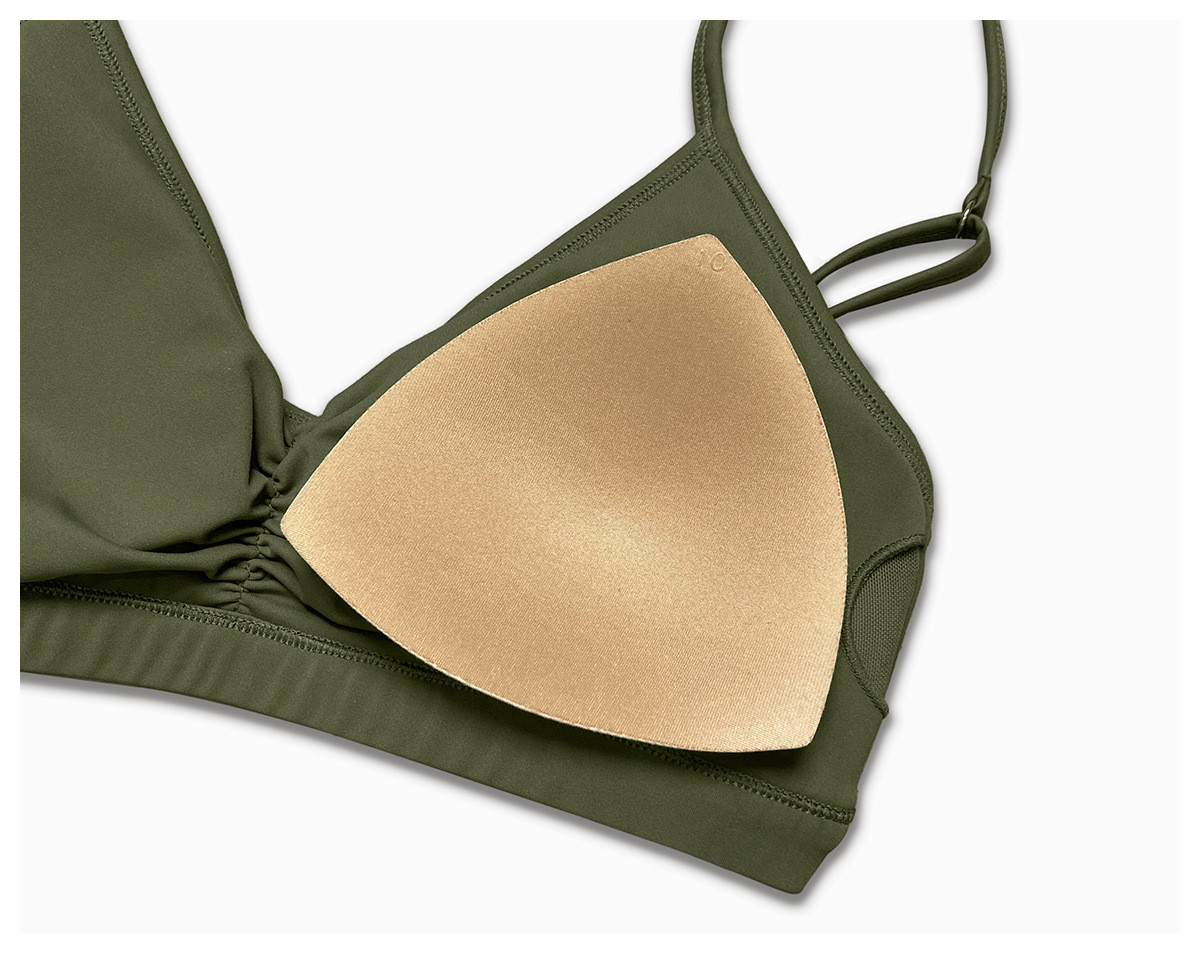
By integrating fabric development directly into the product creation cycle, brands can create apparel with a tangible "wow" factor. When a customer puts on a pair of leggings and immediately notices the superior softness, supportive fit, and squat-proof opacity, that experience becomes synonymous with the brand.
Customization and Distinctive Branding with Cutting-Edge Performance Fabrics for Activewear Brands
In a sea of look-alike products, custom fabric is the ultimate differentiator. It allows a brand to create a unique selling proposition (USP) that is difficult, if not impossible, for competitors to copy. This strategy is about building an identity that goes deeper than a logo.
Creating a Signature Feel: Brands like Vuori have built a loyal following based on the unmistakable softness and comfort of their fabrics. This signature feel is a direct result of investing in custom material development. By working with a manufacturer like AOLAFREE, brands can create their own unique textures, whether it's a double-brushed, ultra-soft finish for yoga wear or a sleek, cool-touch fabric for high-intensity training. This tactile experience creates a powerful emotional connection with the customer, turning a one-time purchase into a long-term preference.
Branding Through Performance: Customization extends to functional properties as well. A brand can choose to specialize in:
- Proprietary Compression: Engineering a unique compression fabric with a specific level of support and elasticity for different activities.
- Advanced Odor Control: Integrating cutting-edge, long-lasting antimicrobial treatments that become a key selling point for travelers or athletes who need multi-day wearability.
- Exclusive Prints and Colors: Digital printing technology allows for vibrant, unique patterns and custom color palettes that reinforce a brand's aesthetic identity.
By taking this path, the Fabric itself becomes a form of branding. It's not just part of the product; it is the product's story. When customers can rely on a brand for a consistent, high-quality experience rooted in its materials, they are more likely to return, recommend, and remain loyal. This fabric-centric blueprint turns apparel into a powerful tool for brand building, ensuring long-term growth and market leadership. If you're ready to build a brand with a true competitive edge, it's time to Start Your Project.
The Sustainable Horizon: Reshaping Performance Fabrics for Activewear Brands
The future of activewear is not just about performance; it’s about purpose. As consumers become more environmentally and ethically conscious, their purchasing decisions are increasingly driven by a brand's values. For activewear companies, sustainability is no longer a "nice-to-have" but a core business imperative. Embracing eco-friendly fabrics and ethical manufacturing is a powerful way to build brand loyalty, attract a new generation of consumers, and create a narrative that goes beyond the product itself. Shifting to sustainable practices directly addresses the market's demand for accountability and can significantly enhance a brand's reputation and competitive standing.
Ethical Innovation: Leading with Sustainable Activewear Fabric Technology
The move toward sustainability is reshaping the landscape of textile innovation, with a focus on materials that reduce environmental impact without sacrificing performance. Leading brands are championing this shift by integrating a new generation of eco-friendly fabrics into their collections.
Key Sustainable Material Trends:
- Recycled Polyester (rPET): One of the most widespread sustainable materials, rPET is made from post-consumer plastic bottles. This process gives a second life to plastic that would otherwise end up in landfills or oceans, requires significantly less energy than producing virgin polyester, and reduces CO2 emissions.
- Regenerated Nylon (ECONYL®): This innovative fiber is made from recycled waste like fishing nets, fabric scraps, and industrial plastic. ECONYL® offers the same high-performance qualities as virgin nylon—strength, softness, and stretch—making it ideal for premium activewear like compression leggings and swimwear.
- Bio-Based and Plant-Derived Fibers: Natural fibers are making a major comeback, engineered for performance. Tencel™ (Lyocell), derived from sustainably sourced wood pulp in a closed-loop system, is known for its exceptional softness, breathability, and moisture management. Other materials like organic cotton, bamboo, and hemp offer breathability and natural antimicrobial properties, making them excellent choices for low-impact activewear. These fibers are biodegradable, reducing end-of-life environmental impact.
Beyond Materials: Ethical Manufacturing and the Circular Economy True sustainability extends to the entire production process. Ethical manufacturing prioritizes fair labor practices, safe working conditions, and fair wages for workers, which are crucial for building brand trust and reputation. Consumers are increasingly demanding supply chain transparency, wanting to know where and how their clothes are made. Brands that provide this visibility can build a stronger, more authentic connection with their audience.
Furthermore, the industry is moving towards a circular economy model, which focuses on designing products to be long-lasting, repairable, and recyclable. This approach minimizes waste by keeping materials in use for as long as possible. While challenges in textile recycling remain, such as separating blended fibers and managing chemical dyes, the goal is to create closed-loop systems where old garments can be reborn as new ones, drastically reducing the industry's environmental footprint.
Strategic Partnerships and Quality Assurance for Market Leadership with Innovative Activewear Fabrics
Delivering a consistently high-quality product is the bedrock of a successful brand. In the activewear space, where performance is paramount, a robust quality assurance (QA) and quality control (QC) system is non-negotiable. This is where a strategic partnership with a reliable manufacturer becomes invaluable.
Building Quality into the Process: Quality isn't something that can be inspected at the end of the production line; it must be built in from the start. A comprehensive quality assurance framework includes several key stages:
- Defining Clear Quality Standards: The process begins with establishing detailed specifications for everything from fabric weight (GSM) and composition to stitch density and colorfastness. These standards act as a clear blueprint for the manufacturer.
- Pre-Production Inspection (PPI): Before mass production begins, all raw materials, including fabrics and trims, are inspected for defects. Samples are reviewed to ensure every detail matches the tech pack, catching potential issues before they become costly mistakes.
- In-Process Quality Control (IPQC): Inspections are conducted at key milestones during production. This allows for the early detection of any deviations in sewing, sizing, or construction, preventing widespread defects.
- Final Quality Control (FQC): A final, thorough inspection is performed before the garments are shipped. This check verifies everything from measurements and seam strength to label placement and packaging, ensuring the end product meets all customer specifications.
The Value of a Trusted Manufacturing Partner: For an activewear brand, partnering with a manufacturer that has a sophisticated quality control system is a strategic advantage. An expert partner like AOLAFREE provides:
- Expertise in Fabric Testing: Conducting rigorous tests for essential performance metrics like stretch and recovery, moisture-wicking capability, pilling resistance, and durability.
- Supply Chain Transparency: Offering visibility into material sourcing and production processes, which is crucial for ethical and sustainable claims.
- Consistency at Scale: Ensuring that the 10,000th garment is of the same high quality as the first approved sample.
By entrusting quality assurance to a capable partner, brands can mitigate risks, reduce defects, and avoid the financial and reputational damage of product recalls or high return rates. This allows them to focus on what they do best: building their brand and connecting with their customers, confident that the product they deliver is a true reflection of their commitment to excellence.
Frequently Asked Questions
1. Why is fabric choice so critical for an activewear brand's success? Fabric is the foundation of activewear performance and directly impacts customer satisfaction. A high-quality, innovative Fabric that delivers on comfort, durability, moisture-wicking, and stretch solves key customer problems. This leads to better reviews, higher brand loyalty, premium pricing potential, and, most importantly, lower return rates. In a competitive market, a unique or superior fabric can be a brand's most powerful differentiator and unique selling proposition (USP).
2. How can innovative fabrics help my brand reduce product returns? Many returns stem from poor fit, discomfort (like chafing), lack of durability (pilling or losing shape), or failure to perform as expected (e.g., not being "squat-proof"). Advanced fabrics with excellent four-way stretch and recovery ensure a consistent fit that doesn't sag. High-quality moisture-wicking materials prevent the clammy, uncomfortable feeling that leads to customer dissatisfaction, while durable fiber blends resist pilling and abrasion. By investing in fabrics that solve these common functional issues, you deliver a product that meets or exceeds customer expectations, drastically reducing the likelihood of a return.
3. What is the difference between a "fabric-first" approach and a traditional design process? In a traditional process, designers often create a silhouette and then search for a fabric that fits the design. A "fabric-first" approach, championed by partners like AOLAFREE, flips this model. It starts by engineering a custom fabric with a specific feel, performance characteristic, or sustainability story. This proprietary fabric then inspires and dictates the design. This method creates a product with a truly unique identity and a tangible quality difference that competitors can't easily replicate, turning the material itself into a key branding element.
4. Can my brand create a custom fabric without ordering huge quantities? Yes. Modern manufacturing partners are increasingly offering more flexible solutions. While developing a completely new fabric from scratch can require high volumes, many expert manufacturers like AOLAFREE offer services with lower MOQs (Minimum Order Quantities). This can include customizing an existing base fabric with a unique finish, color, or print, or accessing a library of pre-developed, innovative materials. This flexibility allows both emerging and established brands to innovate and test new concepts without the prohibitive financial risk of massive inventory.
5. How can my activewear brand be more sustainable? Sustainability in activewear involves a multi-faceted approach. Start with material selection by opting for recycled fabrics like rPET (recycled polyester) and ECONYL® (regenerated nylon), or plant-based fibers like Tencel™, organic cotton, and bamboo. Beyond materials, partner with a manufacturer that follows ethical production practices, ensuring fair wages and safe working conditions. Embrace supply chain transparency to build consumer trust. Finally, consider the product's entire lifecycle by designing for durability and embracing a circular economy model where garments can be recycled at their end of life. When you are ready to explore these options, you can Start Your Project with a knowledgeable partner.
6. What are "smart fabrics" and are they relevant for my brand? Smart fabrics are textiles embedded with electronic sensors or conductive fibers that can monitor biometric data like heart rate, breathing, and muscle activity. They can also provide real-time feedback to help improve form or regulate body temperature. While once niche, the smart fabric industry is growing rapidly. For activewear brands, this technology offers a powerful way to differentiate and provide significant added value, especially for performance-focused consumers. It shifts a garment from a passive item to an active training tool, creating an unparalleled user experience and justifying a premium price point.
Conclusion
Ultimately, the competitive advantage in the activewear industry belongs to brands that strategically invest in and integrate innovative fabrics into their core offerings. I have personally seen this strategy deliver significant returns and build lasting brand equity for our partners. It is the definitive answer to the question, "Why should I care about fabric innovation?" Because it is the most direct path to more sales, fewer returns, and deeper customer loyalty.
By focusing on the key pillars of performance, comfort, sustainability, and unique aesthetic applications, brands can meet and exceed the sophisticated expectations of today's consumers. This establishes them not just as apparel companies, but as indispensable partners in their customers' fitness and wellness journeys. This fabric-first philosophy is what separates fleeting trends from enduring industry leaders.
I believe the journey of activewear innovation is an ongoing and exciting one. The advancements on the horizon promise to continue redefining the boundaries of athletic apparel, empowering athletes and active individuals worldwide. We encourage you to be a part of this movement—share these insights, join the conversation, and consider how a fabric-centric approach can transform your brand.