The Future of Activewear: Fabric Innovation That Drives Brand Success
- Share
- Issue Time
- Jul 20,2026
Summary
The activewear industry is experiencing a profound transformation, moving beyond traditional gym wear to integrate seamlessly into daily life, comfort, and style.
Sustainability is no longer op
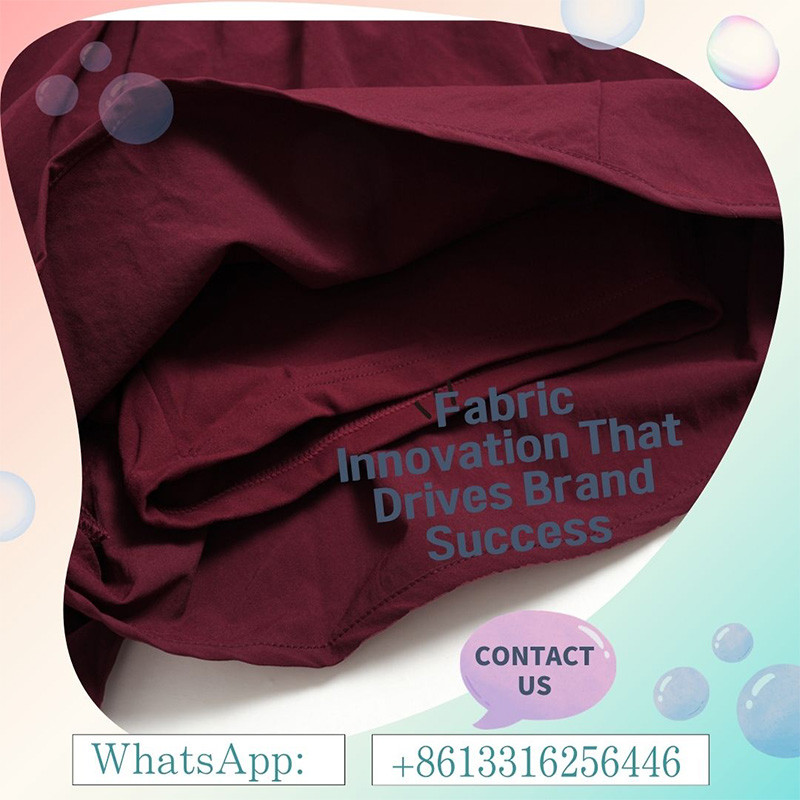
As we look to the horizon of activewear in 2026 and beyond, it's clear that this dynamic industry is undergoing a profound transformation. What was once confined to the gym has now seamlessly integrated into our daily lives, demanding a blend of versatility, comfort, and style that pushes the boundaries of apparel design. For brand founders, product managers, and purchasing managers, the critical question is no longer just "What's next?" but "How do we build a brand that lasts?"
At the heart of this evolution lies remarkable fabric innovation—the true engine driving brand success and shaping what's possible for both established and startup activewear brands. The fabric you choose is no longer a simple component; it is the core of your product's identity, its performance, and its promise to the consumer. We believe that mastering these advancements is not just a trend but a strategic necessity for any brand aiming to lead the market, build a loyal community, and achieve sustainable growth.
This article delves into the groundbreaking fabric technologies, critical market trends, and strategic manufacturing approaches that will define the future of activewear. It is not a catalogue of future fabrics but a strategic guide to help you formulate a product strategy that wins. We will explore why material innovation is now central to competitive advantage and how your brand can strategically position itself for the next 3-5 years.
Key Takeaways
- Fabric Innovation as a Core Business Strategy: The central theme is that success in the future activewear market depends on treating fabric innovation not as a seasonal trend, but as a core pillar of your business strategy. For brands, this means shifting the R&D budget and product development focus towards materials that offer tangible benefits in performance, comfort, and sustainability. This strategic pivot is what creates a defensible moat around your brand, moving beyond aesthetics to build true product differentiation that competitors cannot easily replicate.
- Sustainability is the New Standard, Not an Option: The modern consumer demands transparency and environmental responsibility. Your brand's commitment to sustainability is directly reflected in your fabric choices. The article emphasizes moving beyond "greenwashing" to embrace genuinely eco-conscious materials like recycled synthetics (rPET, rNylon), bio-based polymers, and low-impact natural fibers (Tencel™, Merino). Furthermore, it highlights the importance of sustainable processes, such as waterless dyeing and PFC-free finishes, and designing for circularity to create long-lasting products. This isn't just about ethics; it's about brand trust and future-proofing your business against regulatory changes and shifting consumer values.
- The Rise of Smart and Multi-Functional Apparel: Activewear is becoming smarter and more integrated into our lives. The future lies in fabrics with embedded technology that provides real-time data (biometric tracking) or responsive features (thermoregulation, adaptive compression). For product managers, the challenge and opportunity lie in integrating these technologies seamlessly to solve real user problems, enhancing safety, performance, or recovery. This moves the product from a simple garment to an interactive piece of equipment, opening new revenue streams and data-driven product development cycles.
- Niche Markets are the Next Frontier for Growth: While the mainstream activewear market is saturated, significant opportunities exist in underserved niches. The article identifies high-growth areas such as inclusive sizing, adaptive activewear for individuals with disabilities, modest activewear, and specialized gear for different age demographics. For startups and private label brands, targeting a niche with highly specialized products built on innovative fabrics is a powerful strategy to build a loyal community and establish brand authority before expanding to broader markets. Customizing your [Sets Styles](https://www.aolafree.com/comm20/Custom-Made-Your-Own-Activewear-From-Scratch.htm) to meet the unique needs of these groups is a direct path to differentiation.
- The Critical Role of Your Manufacturing Partner: Having a visionary product idea is only half the battle. Executing it requires a manufacturing partner who is both a technical expert and a strategic ally. An expert OEM supplier does more than just stitch garments; they provide access to a global network of innovative fabric mills, possess the advanced machinery (e.g., seamless knitting, ultrasonic bonding) to work with next-gen materials, and offer crucial design-for-manufacturing (DFM) insights. For a brand, choosing the right partner like Aolafree is the most critical decision in turning fabric innovation into a commercially successful product line.
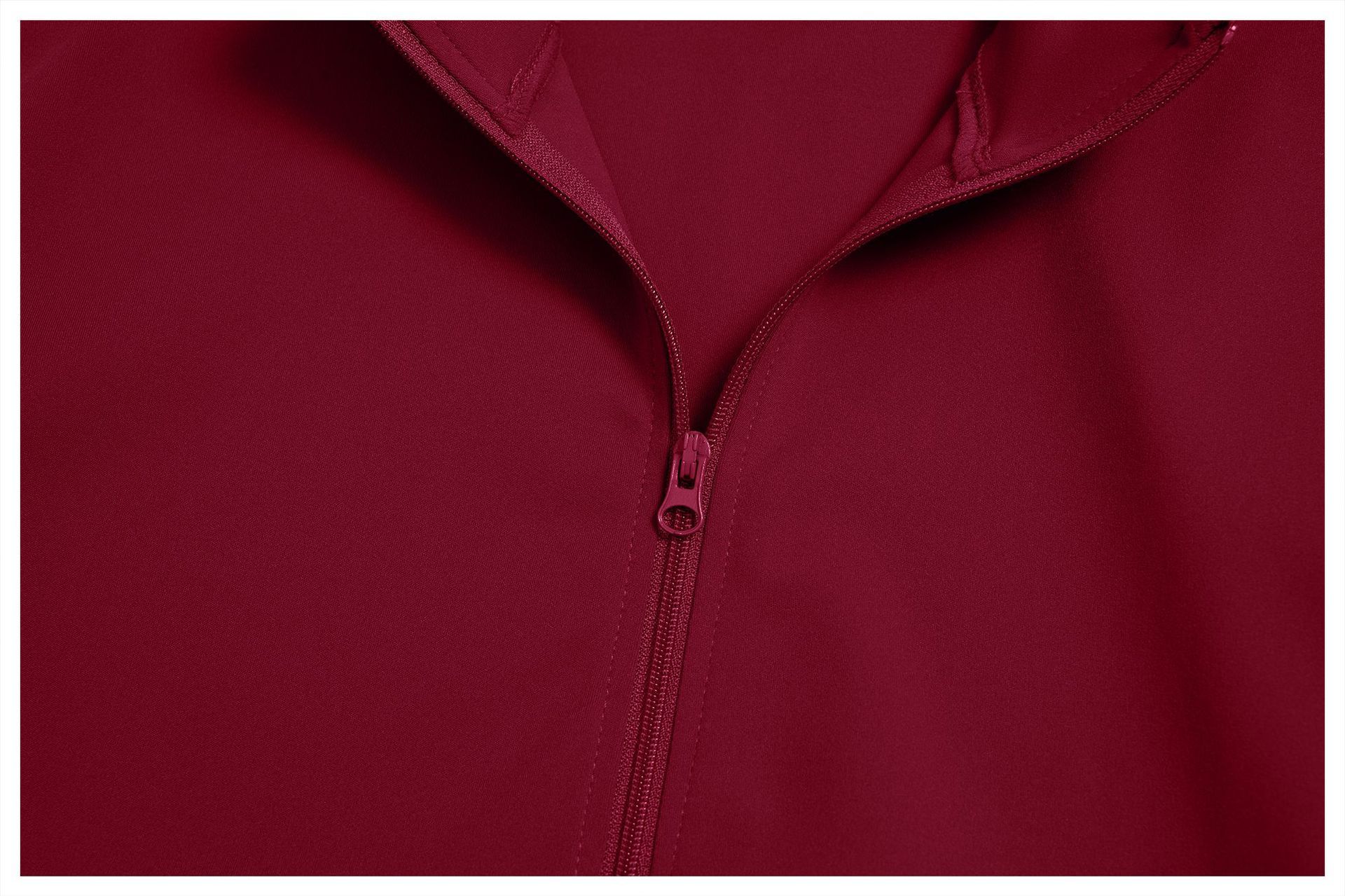
Mastering Material Science: The Edge for OEM Activewear Suppliers and Custom Activewear Manufacturers
In a market saturated with similar styles and marketing claims, the tangible feel and performance of a garment are what truly create brand loyalty. Material science has become the new frontier for differentiation. For brands, understanding and leveraging fabric innovation is paramount. It’s about moving beyond the standard polyester-spandex blend and exploring textiles that offer enhanced performance, unparalleled comfort, and a compelling story. This requires a deep partnership with an OEM supplier who is not just a producer, but an expert in material science.
Innovating Core Performance Fabrics
The foundation of any successful activewear piece is a fabric that performs under pressure. For years, this meant a focus on basic moisture-wicking and four-way stretch. Today, the expectations have evolved. Consumers demand fabrics that do more: they must regulate temperature, enhance recovery, and feel incredible against the skin. For a brand, this means innovating beyond the basics.
Key areas of innovation in core performance fabrics include:
Next-Generation Moisture Management: The technology is moving beyond simply pulling sweat away from the skin. Advanced fabrics now feature engineered fiber cross-sections and sophisticated knit structures that not only wick moisture but also disperse it across a wider surface area for rapid evaporation. Technologies like printed "wicking windows" create channels that actively force moisture from the inside of the garment to the outside, preventing the fabric from clinging and hiding sweat marks. This keeps the wearer feeling drier and more comfortable for longer, a critical factor in high-intensity training.
Dynamic Thermal Regulation: Fabrics are becoming more adaptive to the body and the environment. Phase Change Materials (PCMs) are a leading innovation; these are microcapsules integrated into fibers that absorb, store, and release heat as the body's temperature changes. This means a single garment can help you stay warm during a pre-dawn run and then cool you down as your workout intensifies. Graphene-infused knits are also emerging, prized for their ability to dissipate heat and provide a premium cooling sensation. These thermal-adaptive fabrics allow brands to create versatile, all-season apparel.
Advanced Compression and Zoned Support: Compression wear is becoming more intelligent. Instead of uniform pressure, advanced knitting techniques enable "zoned compression," where different levels of support are applied to specific muscle groups. For instance, a pair of leggings might offer firm support for the calves to aid circulation, moderate compression for the quads, and flexible panels around the knees for unrestricted movement. Some emerging textiles even incorporate shape-memory fibers that can adjust compression in response to the body's movements, transforming the garment into a dynamic support system.
Odor Control and Enhanced Durability: With consumers wearing activewear for longer periods and through more varied activities, odor control is now a standard expectation, not a premium feature. Antimicrobial technologies using silver or mineral-based ions are embedded directly into the fabric's structure to inhibit the growth of odor-causing bacteria, keeping garments fresher for longer. This not only improves the user experience but also aligns with sustainability goals by reducing the need for frequent washing.
For an activewear brand, harnessing these innovations provides a clear performance advantage and a compelling story to tell consumers.
Integrating Smart Technologies into Activewear Product Development
The next leap in activewear transcends the material itself and moves into the realm of integrated intelligence. Smart textiles, or e-textiles, are no longer a futuristic concept; they are a rapidly growing product category that transforms a passive garment into an active data-gathering tool. The smart fabrics market for sports and fitness is projected to grow significantly, reaching over $6.38 billion by 2035, indicating a massive opportunity for forward-thinking brands.
Integrating these technologies is about creating a "second skin" that offers actionable insights. Here’s how smart technology is being woven into product development:
- Biometric Monitoring: The most significant application is the ability to track physiological data with greater accuracy than wrist-based wearables. By embedding conductive fibers and printed sensors directly into compression garments, brands can create apparel that monitors:
- Heart Rate (ECG) and Heart Rate Variability (HRV): Textile electrodes in sports bras and tops provide medical-grade accuracy, offering deep insights into cardiovascular load and recovery status.
- Respiration Rate: Sensors across the chest can track breathing patterns, helping athletes optimize their oxygen intake and core stability.
- Muscle Activity (EMG): Surface electromyography sensors can be printed onto leggings or tops to measure which muscles are firing, how intensely, and whether they are working symmetrically. This data is invaluable for form correction, injury prevention, and targeted strength training.
- Real-Time Feedback and Haptic Systems: Smart activewear isn't just for data collection; it's for active coaching. Garments can integrate micro-vibrators or apply subtle pressure changes to provide real-time haptic feedback. For example, a yoga shirt could vibrate on the left shoulder to signal the wearer to correct their alignment, or a running short could provide feedback on cadence and stride.
- Therapeutic and Recovery Integration: The application extends beyond the workout itself. Apparel with integrated flexible heaters can help soothe sore muscles and promote blood flow during recovery. Other garments are being developed with electrical muscle stimulation (EMS) capabilities to aid in muscle activation and faster recovery post-exercise.
For brands, developing smart activewear opens a new dialogue with the customer. It creates an ecosystem where the garment provides data, an app provides insights, and the brand builds a long-term relationship based on helping the user achieve their performance goals. This moves the brand from a product-seller to a performance partner.
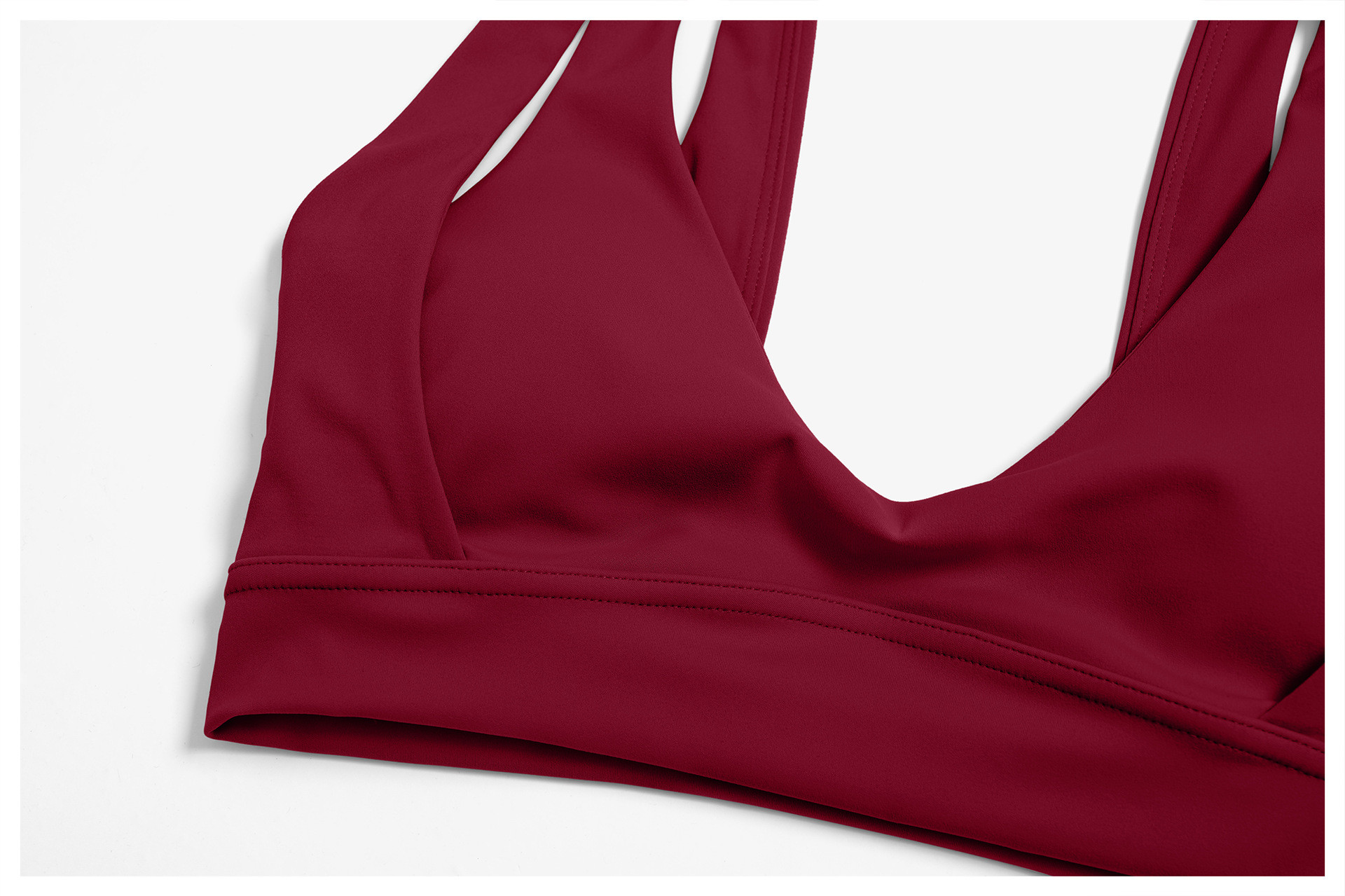
Aolafree's Commitment to Cutting-Edge Fabric Expertise
Translating fabric innovation into a best-selling product requires more than just access to materials; it demands a manufacturing partner with deep-rooted expertise and a forward-thinking mindset. This is where a dedicated OEM/ODM supplier becomes a brand's most valuable asset. Aolafree is not just a manufacturer; we are a strategic partner committed to mastering material science to empower the brands we work with.
Our commitment is built on three pillars:
- Continuous Research and Development: We invest heavily in R&D to stay at the forefront of textile innovation. Our in-house team of fabric engineers and designers constantly explores and tests the latest materials, from advanced synthetics with unique performance characteristics to next-generation bio-based and recycled fibers. This dedication means we can provide our brand partners with a curated library of cutting-edge fabrics that are pre-vetted for performance, durability, and a stable supply chain.
- Strategic Fabric Sourcing and Supply Chain Management: With over a decade of experience, we have built strong, long-term relationships with a global network of leading fabric mills. This allows us to source a wide variety of high-performance materials, including specialized textiles that may not be widely available. Our robust supply chain management ensures quality consistency, traceability (especially for sustainable materials), and stable delivery times, which is critical for helping brands launch seasonal collections on schedule.
- Expertise in Application and Manufacturing: A new fabric's potential is only realized if it can be manufactured effectively. Our team possesses the technical knowledge to handle the challenges of working with innovative materials—from advanced cutting and sewing techniques to specialized bonding and finishing processes. We work collaboratively with brands to select the perfect fabric for their design intent, performance goals, and target cost, ensuring the final product not only looks great but performs flawlessly.
By partnering with Aolafree, brands gain direct access to a world of fabric innovation without the need for massive internal R&D investment. We act as an extension of your product development team, providing the material expertise that gives your products a tangible competitive edge.
Championing Sustainability: A Strategic Mandate for Every Custom Activewear Manufacturer
Sustainability has transitioned from a niche interest to a fundamental pillar of brand value and consumer trust. For activewear brands, a commitment to environmental and social responsibility is no longer a "nice-to-have"—it's a strategic mandate. Shoppers are more discerning than ever, demanding transparency about how their clothes are made, what they are made of, and the impact they have on the planet. This shift presents a powerful opportunity for brands to differentiate themselves by building their product lines on a foundation of authentic sustainability.
Embracing Eco-Friendly Materials and Processes
A genuine commitment to sustainability begins with the raw materials. The activewear industry is moving decisively away from virgin, petroleum-based synthetics and embracing a new generation of eco-friendly alternatives that offer comparable, and sometimes superior, performance.
A brand's strategy should focus on two key areas: material selection and processing innovation.
1. Sustainable Material Selection: The palette of sustainable fabrics is diverse and growing, giving brands a wealth of options to align with their performance needs and brand story.
| Fabric Category | Examples & Key Features | Strategic Implication for Brands |
|---|---|---|
| Recycled Synthetics | Recycled Polyester (rPET) & Recycled Nylon (e.g., ECONYL®). Made from post-consumer waste like plastic bottles and fishing nets. Performance is identical to virgin counterparts, but with a significantly lower carbon footprint and reduced landfill waste. | A direct and measurable way to participate in the circular economy. Using recycled materials tells a powerful story about tackling plastic pollution. |
| Bio-Synthetics | Bio-based Polyester & Polyamides. Made from renewable resources like corn, sugarcane, or castor beans instead of petroleum. Some are designed to be biodegradable under specific conditions. | Offers a pathway away from fossil fuel dependency. Brands can market these as "plant-based" performance fabrics, appealing to a consumer base interested in natural origins. |
| Plant-Based Cellulosics | TENCEL™ Lyocell & Modal. Sourced from sustainably managed wood pulp, produced in a closed-loop system that recycles water and solvents. Extremely soft, breathable, and excellent at moisture management. | Positions a brand in the premium comfort and "softleisure" space. The closed-loop process is a strong talking point for water conservation and chemical management. |
| Natural Performance Fibers | Organic Cotton & Hemp. Grown without toxic pesticides and with less water than conventional cotton. Hemp is particularly durable and requires minimal resources to grow. Both are highly breathable and biodegradable. | Appeals to consumers seeking natural, non-plastic alternatives. While they may not offer the same high-stretch performance as synthetics, they are ideal for wellness, yoga, and lifestyle apparel where comfort and skin-feel are paramount. |
However, a critical consideration with any synthetic, recycled or not, is the issue of microplastic shedding. This is driving further innovation towards biodegradable synthetics and a renewed focus on natural fibers that do not contribute to plastic pollution.
2. Eco-Friendly Processes: The impact of a garment goes beyond its material; the production processes are equally important.
- Waterless & Low-Water Dyeing: Traditional textile dyeing is one of the world's largest sources of industrial water pollution. Innovative technologies are changing this. Supercritical CO₂ dyeing, for example, uses pressurized carbon dioxide as a solvent instead of water, creating a closed-loop system with no wastewater and higher dye uptake. Other methods like digital printing and foam dyeing drastically reduce water and chemical usage compared to conventional vat dyeing.
- PFC-Free Durable Water Repellency (DWR): For decades, waterproof and water-resistant finishes have relied on per- and polyfluoroalkyl substances (PFAS), also known as "forever chemicals," which are harmful to the environment and human health. The industry is now shifting to PFAS-free alternatives, using silicone, wax, or plant-based compounds to repel water. While early versions were less durable, performance has improved significantly, making PFAS-free DWR the new standard for environmentally responsible outerwear.
By embracing this dual approach—thoughtful material selection and cleaner production processes—brands can build a robust sustainability platform that is authentic, transparent, and resonant with the modern consumer.
Driving Circularity and Longevity Through Design
True sustainability extends beyond material choice and into the entire lifecycle of a garment. A circular economy model aims to eliminate waste by designing products that are durable, repairable, and ultimately, recyclable. For activewear brands, this means shifting focus from disposable, trend-driven items to high-quality, long-lasting investment pieces.
Designing for Longevity and Durability: The most sustainable garment is the one that lasts. High-quality construction is not just a feature; it's a core tenet of sustainable design.
- Superior Materials: It starts with selecting fabrics known for their longevity. High-tenacity nylons and robust polyester blends that resist pilling and abrasion are essential. The goal is to choose materials that retain their shape, stretch, and performance after countless wears and washes.
- Reinforced Construction: Durability is engineered. Techniques like flatlock seams reduce chafing and create a stronger, more resilient bond than traditional stitches. Bar-tacking at high-stress points (like pocket corners and belt loops) and using reinforced panels in high-wear areas (like the inner thighs of leggings) significantly extend a garment's life.
- Timeless Design: While responding to trends is important, a core collection built on timeless, functional design encourages longer use. By focusing on classic silhouettes and versatile colors, brands can create pieces that customers will wear for years, transcending fleeting fashion cycles.
Enabling Circularity at End-of-Life: What happens when a garment reaches the end of its usable life? Forward-thinking brands are designing with this question in mind.
- Mono-Material Design: One of the biggest challenges in textile recycling is separating blended fibers (like cotton/polyester). Mono-material design, where a garment is made from a single polymer (e.g., 100% polyester), dramatically simplifies this process. These items are a better resource for textile-to-textile recycling, allowing them to be broken down and re-spun into new high-quality yarn without significant degradation.
- Designing for Disassembly: This involves making it easy to separate different components. Using recyclable trims or designing zippers and buttons to be easily removable can make a huge difference in how effectively a garment can be recycled.
- Implementing Take-Back Programs: Leading brands are taking responsibility for their products' entire lifecycle by launching take-back programs. These initiatives encourage customers to return worn-out apparel in exchange for store credit or a discount. Brands like Girlfriend Collective and Mate the Label have demonstrated success with this model. The collected items are then sorted for resale, upcycling into new products, or sent to specialized recycling facilities. This not only keeps textiles out of landfills but also builds immense brand loyalty and reinforces a commitment to circularity.
By focusing on durability and planning for end-of-life, activewear brands can move away from a linear "take-make-dispose" model and embrace a circular system that is better for the planet and creates deeper, more meaningful relationships with customers.
How Aolafree Leads in Sustainable Activewear Product Development
At Aolafree, we believe that leading in sustainable activewear development means taking a proactive and holistic approach. Sustainability is not an add-on; it is the cornerstone of our manufacturing philosophy. We partner with brands to build sustainability into the DNA of their products, from material sourcing to end-of-life solutions.
Here’s how we embed sustainability into every stage of the activewear product development lifecycle:
A Curated Library of Eco-Friendly Fabrics: We remove the guesswork for our clients by maintaining an extensive and pre-vetted selection of sustainable materials. Our offerings include high-performance recycled polyester (rPET) and recycled nylon, plant-based options like organic cotton, bamboo, and Tencel™, and other innovative bio-synthetics. We ensure these materials are backed by globally recognized certifications like the Global Recycled Standard (GRS) and OEKO-TEX®, guaranteeing both their eco-credentials and their freedom from harmful substances.
Transparent and Ethical Supply Chain: True sustainability requires traceability. We have established a transparent supply chain with trusted mill partners who share our commitment to ethical practices. This allows us to provide documentation and verification for our certified materials, giving brands the confidence to make strong, defensible sustainability claims. Our factories also adhere to social compliance standards, ensuring that every garment is made under fair and safe labor conditions.
Guidance in Sustainable Design and Circularity: Our expertise goes beyond just providing materials. We act as strategic consultants, helping brands design for a circular economy. This includes:
- Advising on mono-material construction to simplify end-of-life recycling.
- Recommending durable construction techniques that extend the life of a garment, reducing the need for frequent replacement.
- Exploring low-impact production methods, such as water-saving dyeing techniques and energy-efficient manufacturing processes.
Flexible Production for Conscious Consumption: We support a more considered approach to consumption by offering flexible and accessible manufacturing solutions. Our low Minimum Order Quantity (MOQ) of just 150 pieces per style allows emerging brands and established companies alike to produce smaller, more targeted collections. This reduces the risk of overproduction—a major source of waste in the fashion industry—and enables brands to be more responsive to real market demand.
By partnering with Aolafree, brands gain a powerful ally dedicated to making sustainability achievable and impactful. We provide the infrastructure, expertise, and materials needed to create high-quality, eco-conscious activewear that resonates with today's environmentally aware consumer.
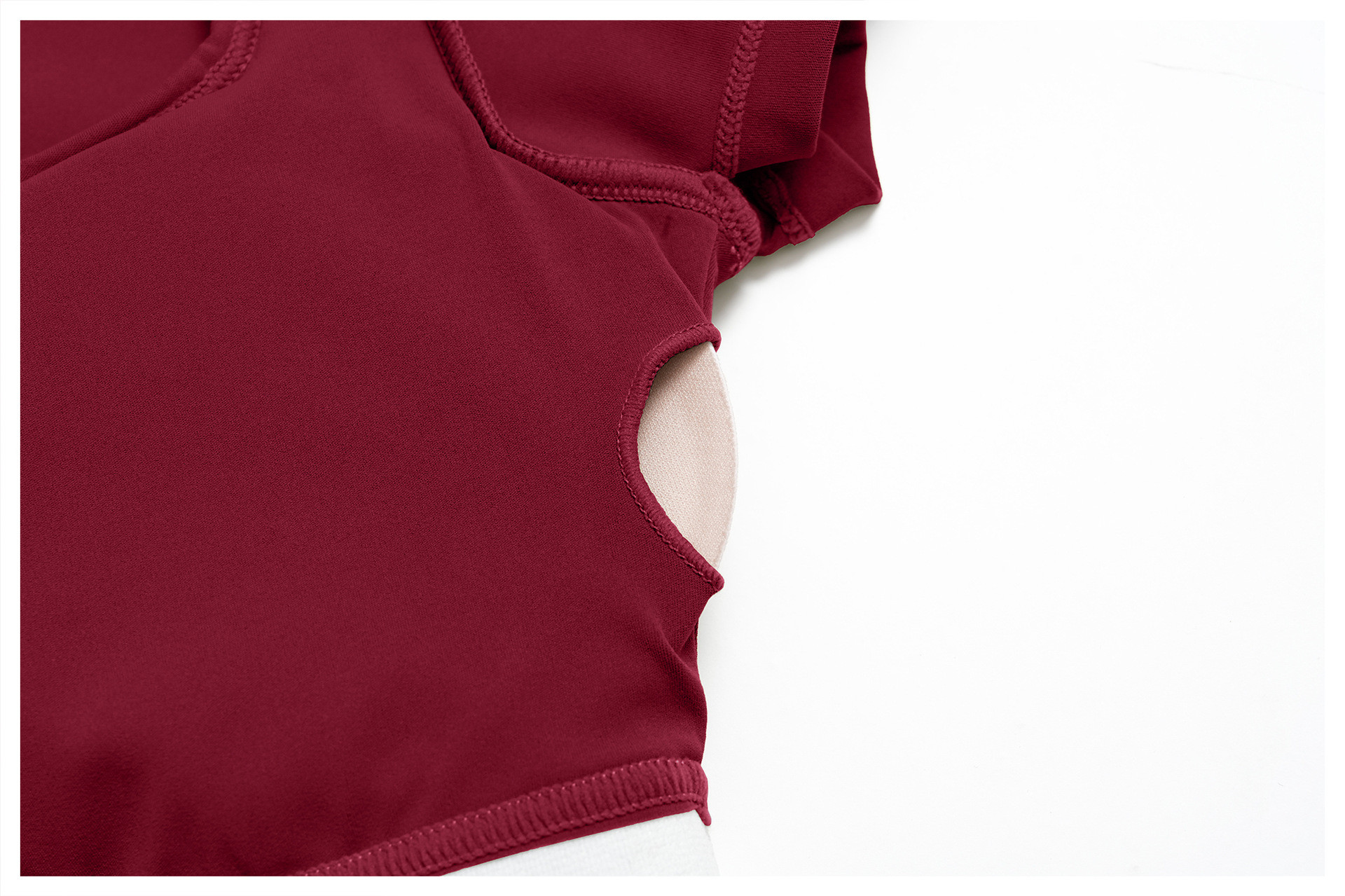
Navigating Market Trends: Opportunities for Activewear Product Development and Custom Activewear Manufacturers
The activewear market is no longer monolithic. It has fragmented into a dynamic ecosystem of trends, niches, and evolving consumer expectations. For brands, success depends on the ability to look beyond the crowded mainstream and identify where the market is headed next. It’s about anticipating shifts in lifestyle, aesthetics, and values, and then translating those insights into a targeted product strategy. A strategic OEM partner plays a critical role in this process, providing not just manufacturing capabilities but also market intelligence to help brands seize emerging opportunities.
Decoding Key Athleisure Trends for 2026
The line between workout-specific clothing and everyday wear has effectively dissolved. Athleisure is no longer a trend; it is a permanent and dominant lifestyle category. For product managers and brand founders, understanding the nuances of how athleisure is evolving is critical for developing products that resonate. Style and comfort are now as important as technical performance.
Here are the key macro-trends shaping athleisure and the new product opportunities they create:
- The Rise of "Gorpcore": This trend borrows aesthetics from technical outdoor and hiking gear and adapts them for an urban environment. Gorpcore is about visible functionality: think water-resistant shell jackets, fleece pullovers, cargo pants, and trail-inspired footwear, all styled for everyday life. For brands, this means an opportunity to develop products that are genuinely durable and weather-resistant but designed with a fashion-forward sensibility. Fabric choice is key—materials need to be robust and perform in the elements while offering a modern look and feel.
- "Workleisure" and the Hybrid Wardrobe: The shift to remote and hybrid work has created a new apparel category that blends office-appropriate aesthetics with the comfort of leisurewear. Consumers are looking for pieces like stretch blazers, performance chinos, and technical button-down shirts that are as comfortable as activewear but polished enough for a video call or a day at the office. This trend demands fabrics that are wrinkle-resistant, breathable, stretchy, and have a refined finish. It's a massive growth area for brands that can successfully merge professionalism with all-day comfort.
- "Softleisure" & The Comfort Revolution: While performance remains important, there is a growing segment of the market that prioritizes sensorial comfort above all else. This "softleisure" trend is about buttery-soft fabrics, relaxed fits, and a feeling of wellness and ease. It's less about high-intensity workouts and more about yoga, stretching, lounging, and low-impact activities. Brands can capitalize on this by focusing on premium, plant-based materials like Tencel™ Modal, brushed-finish recycled polyesters, and fine-gauge organic cotton blends.
- Modular and Multi-Functional Apparel: Consumers are increasingly looking for versatility and value in their clothing. Modular clothing—garments with detachable or adaptable elements—is an emerging trend that speaks to this desire. Think jackets with zip-off sleeves that convert into a vest, or pants with zip-off legs that become shorts. This "buy less, have more" approach aligns with sustainable values and offers immense practical benefits. For brands, it's a way to create high-value, innovative products that offer multiple uses in a single item.
By understanding these evolving consumer mindsets, brands can move beyond generic activewear and create targeted products that serve a specific purpose, lifestyle, and aesthetic.
Identifying High-Growth Niches for Targeted Marketing
While the mainstream activewear market is fiercely competitive, significant growth opportunities lie in underserved and emerging niche markets. For startups and private label brands, targeting a specific niche is a powerful strategy to build a loyal customer base and establish brand authority with less direct competition from major players. Success in these niches requires a deep understanding of the unique needs of the target consumer and developing highly specialized products to meet them.
Here are some of the most promising high-growth niches:
- Inclusive Sizing / Plus-Size Activewear: This is one of the fastest-growing segments in the entire apparel industry. Historically underserved, the demand for high-quality, stylish, and performance-oriented plus-size activewear is immense. The global plus-size clothing market is projected to reach nearly $500 billion by 2032, with activewear being a key driver of that growth. Success in this niche requires more than just scaling up sizes; it demands a deep understanding of fit, construction, and fabric performance for curvier body types. Brands that invest in proper pattern grading, supportive-yet-comfortable fabrics, and inclusive marketing are poised for significant success.
- Adaptive Activewear: The adaptive clothing market, designed for people with disabilities, is another rapidly expanding area. This market is projected to reach over $6.5 billion by 2033. For activewear, this means designing garments with features like magnetic closures instead of zippers, one-handed fastening systems, seated-fit designs for wheelchair users, and sensory-friendly fabrics for individuals with sensitivities. There is a profound opportunity for brands to create functional, stylish activewear that promotes independence and makes fitness more accessible to millions of people.
- Modest Activewear: For many women, personal or religious values call for clothing that provides more coverage. The global modest activewear market is growing rapidly, expected to surpass $2.6 billion by 2035. This niche requires innovative solutions that balance coverage with performance. Brands are succeeding by designing lightweight, breathable, long-sleeved tops, looser-fitting pants, and performance-fabric hijabs with ventilation panels. Fabric innovation is critical here to ensure that garments provide coverage without causing overheating.
- Activewear for Seniors: As the global population ages, the "silver generation" is becoming an increasingly influential consumer demographic. Active aging is a major global movement, and seniors are seeking comfortable, supportive, and easy-to-wear activewear for activities like walking, yoga, and light fitness. This market demands fabrics that are soft and non-irritating, garments with easy-on/easy-off features (like front-closure bras), and designs that offer light compression for joint support.
For product managers, these niches represent blue ocean opportunities. The key to capturing them is to move beyond a one-size-fits-all approach and develop specialized products—built on innovative fabrics and thoughtful design—that genuinely solve the problems of these specific consumer groups. Developing custom [Sets Styles](https://www.aolafree.com/comm20/Custom-Made-Your-Own-Activewear-From-Scratch.htm) tailored to these markets is a direct path to building a differentiated and successful brand.
Aolafree's Vision for Strategic Market Engagement
At Aolafree, our vision extends beyond being a manufacturer; we aim to be a strategic growth partner for activewear brands. We understand that navigating the dynamic market requires agility, insight, and the ability to turn trends into tangible products. Our operational model is designed to empower brands of all sizes to capitalize on market opportunities effectively.
1. Enabling Niche Market Entry with Low MOQs: We recognize that for many startups and private label brands, the high minimum order quantities required by most large manufacturers are a significant barrier to entry, especially when targeting niche markets. To solve this, we offer one of the most flexible and accessible MOQ structures in the industry, starting at just 150-200 pieces per style. This low Price & MOQ allows brands to:
- Test New Markets: Launch a specialized collection for a niche like adaptive or modest activewear without a massive upfront investment.
- Reduce Risk: Validate product concepts with a smaller batch before committing to large-scale production.
- Improve Cash Flow: Allocate capital more efficiently across design, marketing, and other essential business areas.
2. Providing Trend-Informed Design and Development Support: Our role is not to just take orders, but to provide proactive guidance. Our design and development teams stay ahead of market trends, fabric innovations, and consumer insights. We work collaboratively with our clients, offering:
- Trend Analysis: We share our knowledge of what’s next in athleisure, Gorpcore, and other emerging styles to help inform product design.
- Fabric and Material Consultation: We guide brands in selecting the ideal fabrics to match their vision, whether it's a high-performance material for a technical garment or a super-soft, sustainable blend for a loungewear collection.
- Custom Development: For brands with a unique vision, our OEM/ODM services provide a complete solution, from co-creating a design to developing a custom fabric to meet specific performance or aesthetic requirements.
3. Strategic Production for a Dynamic Market: Our factory is equipped to support brands as they grow. While we open the door with low MOQs, our scalable production capacity ensures we can handle increasing order volumes as a brand succeeds and expands its market reach. This blend of flexibility and scalability makes Aolafree the ideal partner for the entire brand lifecycle—from the initial launch of a niche product to becoming a globally recognized name. Our goal is to provide the operational backbone that allows our clients to be nimble, innovative, and successful in a fast-moving market.
Building Brand Distinction: The Critical Role of an Expert OEM Activewear Supplier in Activewear Product Development
In the crowded activewear space, a strong brand is built on a foundation of exceptional products. True distinction comes from the seamless integration of cutting-edge fabric innovation, thoughtful design, and flawless execution. This is where the right OEM manufacturing partner transcends its traditional role and becomes a catalyst for brand differentiation. An expert supplier does more than just produce garments; they are a strategic asset that enables a brand to translate its unique vision into a tangible, high-quality collection that stands out in the market.
Bridging Fabric Innovation with Efficient Production
Having a groundbreaking fabric is only the first step. The real challenge—and where many promising innovations falter—lies in scaling production efficiently without compromising quality or the material's unique properties. New-generation textiles often come with their own set of manufacturing complexities. They might be more delicate, require specialized machinery, or react differently to standard cutting, sewing, and finishing processes.
This is the critical bridge that an expert OEM activewear supplier helps a brand cross. The key challenges and solutions include:
- Manufacturing Complexity: Innovative fabrics like ultra-lightweight knits, bonded materials, or textiles with embedded sensors can be difficult to handle. They may be slippery, prone to stretching or warping during cutting, or require specific needle types and thread tensions during sewing. An experienced OEM brings the necessary technical knowledge and skilled labor to navigate these issues. They have already invested in the learning curve and can implement the right processes to ensure consistency and quality at scale.
- Supply Chain Volatility: Sourcing novel materials often involves a more complex and less established supply chain. This can lead to unpredictable lead times, material shortages, or variations in quality between batches. A seasoned OEM partner mitigates these risks through strong relationships with a global network of trusted mills and raw material suppliers. They can secure a stable supply, verify material quality at the source, and manage logistics to ensure production stays on track.
- "Design for Manufacturability" (DFM): A great design on paper may be impractical or prohibitively expensive to produce at scale. An expert OEM provides crucial DFM feedback during the development phase. They can suggest minor adjustments to a design—such as modifying a seam placement or simplifying a complex pattern—that can significantly improve production efficiency, reduce material waste, and lower the final cost per unit, all without sacrificing the design's core aesthetic or performance.
- Scaling Production: Moving from a small run of prototypes to mass production of thousands of units is a significant leap. It requires robust production planning, capacity allocation, and stringent quality control at every stage. An established OEM has the systems and infrastructure in place to manage this transition seamlessly, ensuring that the thousandth garment is identical in quality to the approved pre-production sample.
By acting as the bridge between creative innovation and industrial-scale production, an OEM partner allows a brand to focus on its core strengths—design, branding, and marketing—while being confident that their product vision will be executed flawlessly and efficiently.
Leveraging Advanced Manufacturing and Design for Custom Activewear
A brand's physical product is its ultimate signature. Beyond logos and marketing, the feel, fit, and performance of a garment are what create a lasting impression. To build true brand distinction, it’s essential to leverage advanced manufacturing and design technologies that elevate the product beyond the ordinary. An expert OEM partner with state-of-the-art capabilities is crucial for this.
Key technologies that create a unique product signature include:
- Seamless Knitting: This technology represents a paradigm shift from traditional "cut-and-sew" methods. Seamless garments are produced on advanced circular knitting machines as a single, continuous piece. This eliminates bulky and uncomfortable seams that can cause chafing, resulting in a "second-skin" feel. More importantly, it allows for "body-mapping," where different knit structures, textures, and compression levels can be engineered directly into the fabric. For example, a seamless top can have breathable mesh zones in high-sweat areas and compressive panels for muscle support, all within a single, uninterrupted garment. This technology offers unparalleled comfort, a superior fit, and a clean, modern aesthetic.
- Bonded Seams & Ultrasonic Welding: As an alternative to sewing, this technology uses heat or ultrasonic vibrations to fuse fabric layers together, creating joins that are completely flat, smooth, and often waterproof. Bonded seams are critical for creating a sleek, minimalist look and eliminating any potential for friction against the skin. In performance outerwear, this technique is essential for sealing out water. In high-stretch garments like leggings and sports bras, it provides a clean, chafe-free finish that enhances comfort and durability.
- Laser Cutting: Laser cutting technology offers a level of precision that traditional knife cutting cannot match. A laser beam can cut intricate patterns, sharp angles, and delicate details with perfect accuracy. It also seals the edges of synthetic fabrics as it cuts, preventing fraying and ensuring a clean, durable finish. This technology is ideal for creating decorative cut-outs, precise ventilation perforations, and complex panel shapes that give a garment a unique and high-tech appearance.
- 3D Design and Virtual Prototyping: The design process itself is being revolutionized by 3D apparel design software. Instead of relying solely on 2D sketches and multiple physical samples, designers can create highly realistic digital versions of their garments. This allows them to:
- Visualize Fit and Drape: See how different fabrics will look and move on a virtual avatar.
- Iterate Rapidly: Make instant changes to design, color, and fit without waiting for a physical sample to be made.
- Reduce Waste and Cost: By minimizing the number of physical prototypes, brands can significantly cut down on material waste, shipping costs, and development time.
- Improve Marketing: Use photorealistic 3D renders for marketing and e-commerce even before the physical product has been manufactured.
By integrating these advanced manufacturing and design technologies, brands can create products that are not only innovative in their materials but also superior in their construction, comfort, and aesthetic appeal, creating a powerful and lasting point of difference in the market.
Collaborating with Aolafree: Your Gateway to Future-Forward Activewear
Bringing together all the elements discussed—material innovation, sustainable practices, market intelligence, and advanced manufacturing—requires a true partnership. This is the essence of our approach at Aolafree. We position ourselves not merely as a vendor, but as an integrated partner in your brand's journey, providing a seamless gateway from concept to high-quality, market-ready collection.
Our collaborative process is designed to be transparent, supportive, and efficient:
- Initial Consultation and Strategy Alignment: It begins with a conversation. We take the time to understand your brand vision, target market, product needs, and business goals. Whether you have a complete tech pack or just a mood board, our team works with you to refine your ideas and develop a clear product strategy.
- Design and Fabric Development: Our experts guide you through our extensive library of performance and sustainable fabrics, helping you select the perfect material. For brands seeking something truly unique, our OEM/ODM services allow for the co-development of exclusive materials and designs tailored to your exact specifications.
- Iterative Sampling for Perfection: We move from design to a physical product through a meticulous sampling process. We create prototypes for fit, function, and construction approval. This is an iterative and collaborative stage where your feedback is crucial. Our goal is to perfect the garment before it ever enters bulk production, ensuring the final product matches your vision flawlessly.
- Scalable, High-Quality Production: With an approved "golden sample" as our standard, we move to bulk production. Our modern facilities, equipped with advanced machinery and operated by skilled technicians, ensure every piece is manufactured to the highest quality standards. Rigorous, multi-stage quality control is embedded throughout the process.
- End-to-End Support and Global Logistics: Our partnership doesn't end when the last stitch is sewn. We offer complete private label solutions, including custom branding, labels, and packaging. Finally, we manage the global logistics to ensure your collection is delivered on time, ready for your market launch.
Collaborating with Aolafree means gaining more than a manufacturer—it means gaining a dedicated team of experts committed to bringing your vision to life with precision, quality, and strategic insight. We are here to build the future of activewear, together.
Ready to transform your brand's future with innovative, high-quality activewear? We invite you to start the conversation. Let's discuss your vision and explore how a partnership with Aolafree can empower your brand. [Contact US](https://www.aolafree.com/contact-us.htm) today to learn more about our services and begin your journey toward creating a market-leading activewear collection.
Frequently Asked Questions (FAQ)
1. As a small or startup brand, how can I afford to innovate with new and advanced fabrics? This is a common and valid concern. The key is to partner with a manufacturer that de-risks the innovation process for you. At Aolafree, we specifically cater to emerging brands by offering a low Minimum Order Quantity (MOQ). This allows you to test a new, innovative fabric in a single product or a small collection without the huge financial commitment required by larger factories. Furthermore, by leveraging our in-house R&D and extensive fabric library, you gain access to cutting-edge materials without funding the expensive research and development yourself. We recommend starting small: launch a "hero" product with an innovative fabric to create buzz and test the market, then scale from there.
2. What is the real difference between "recycled" and "bio-based" sustainable fabrics, and which is better for my brand? Both are excellent sustainable options, but they come from different sources.
- Recycled fabrics (like rPET from plastic bottles or ECONYL® from fishing nets) are made by breaking down existing plastic waste and re-spinning it into new fibers. Their primary benefit is tackling the plastic pollution problem and diverting waste from landfills and oceans. They are a powerful part of the circular economy.
- Bio-based fabrics (like PLA from corn or fabrics from castor bean oil) are made from renewable, plant-derived resources. Their main advantage is reducing our dependence on fossil fuels (petroleum), which are the source of traditional virgin polyester and nylon. The "better" choice depends on your brand's story. If your narrative is focused on cleaning up plastic waste, recycled fabrics are a perfect fit. If you want to emphasize a move away from oil and a connection to natural origins, bio-based materials are ideal. Many brands use a mix of both.
3. Are smart textiles just a gimmick, or are they a serious future for activewear? While early smart textiles were sometimes perceived as gimmicky, the technology has matured significantly. Today's smart activewear is shifting from novelty to genuine function, offering tangible benefits that consumers are willing to invest in. The future isn't about clothes that light up; it's about garments that provide valuable, actionable data to improve performance, enhance safety, or expedite recovery. For example, integrated ECG sensors in sports bras now offer more accurate heart rate data than many wrist-based devices. Similarly, EMG sensors that measure muscle activation provide insights for form correction that were previously only available in a lab. For brands, the key is to focus on solving a real problem for the user rather than just adding technology for its own sake. When integrated thoughtfully, smart textiles represent a new frontier of high-value, high-performance products.
4. How do I choose the right fabric for my activewear line? This is one of the most critical decisions you'll make. Instead of starting with the fabric, start with your strategy. Ask these four questions first:
- Who is my target customer? (e.g., An elite marathon runner, a weekend yoga enthusiast, a style-conscious city dweller).
- What is the primary use case? (e.g., High-intensity training, low-impact stretching, all-day comfort, outdoor protection).
- What is my brand positioning and price point? (e.g., Premium luxury, accessible performance, value-driven).
- What are my brand's core values? (e.g., Is sustainability non-negotiable? Is technical innovation the top priority?). Once you have clear answers, you can work with your manufacturing partner to find a fabric that aligns with your strategy. For example, the runner needs durability and supreme moisture management. The yoga enthusiast needs softness and four-way stretch. The city dweller needs a versatile, wrinkle-resistant fabric. An expert partner like Aolafree can guide you to the perfect material that meets all your criteria.
5. What is the typical process for developing a custom activewear product with a manufacturer like Aolafree? Our OEM (Original Equipment Manufacturer) process is designed to be collaborative and transparent. It generally follows these steps:
- Concept & Design: You provide your idea, which can be anything from a detailed tech pack to sketches or reference photos. We discuss your vision, target audience, and performance requirements.
- Fabric Sourcing & Selection: Based on your needs, we recommend and source fabric options from our extensive library for your approval.
- Prototyping (First Sample): Our team creates the first physical sample to evaluate the fit, construction, and overall design.
- Fit & Revisions: You test the sample and provide feedback. We then make any necessary adjustments to the pattern and create revised samples until the garment is perfected.
- Pre-Production Sample (PPS) Approval: We create a final "golden sample" using the exact bulk materials and colors. Your approval of this sample is the green light for mass production.
- Bulk Production: Our factory manufactures your order, with in-line quality control checks at multiple stages.
- Final Quality Control & Shipping: Every garment undergoes a final inspection before being packed and shipped to your designated location. Throughout this process, you will have a dedicated project manager to ensure clear communication and a smooth experience. Ready to start? [Contact US](https://www.aolafree.com/contact-us.htm) to begin your journey.
Conclusion
In conclusion, the future of activewear is undoubtedly woven into the very fibers of innovation. From smart textiles that enhance performance to sustainable materials that protect our planet, the landscape is rich with opportunities for groundbreaking activewear product development. The strategic choices brands make today regarding their materials and manufacturing partners will define their trajectory for the next decade. It is a future where the product's intrinsic qualities—its performance, its feel, its environmental footprint—are the most powerful forms of marketing.
For brands to truly thrive and stand out, partnering with an expert custom activewear manufacturer and OEM activewear supplier like Aolafree is paramount. We are relentlessly committed to empowering brands to meet the demands of tomorrow's conscious consumer. Our a deep expertise in fabric innovation, advanced manufacturing, and sustainable practices, we help you create activewear that excels not just in design, but in performance, quality, and purpose. Let us be the engine that drives your success, helping you build a brand that is not only ready for the future, but is actively shaping it.