The Role of Fabric Inspection in Premium Activewear Manufacturing
- Share
- Issue Time
- Jul 16,2026
Summary
In the highly competitive premium activewear market, product quality is paramount for brand reputation and customer loyalty.
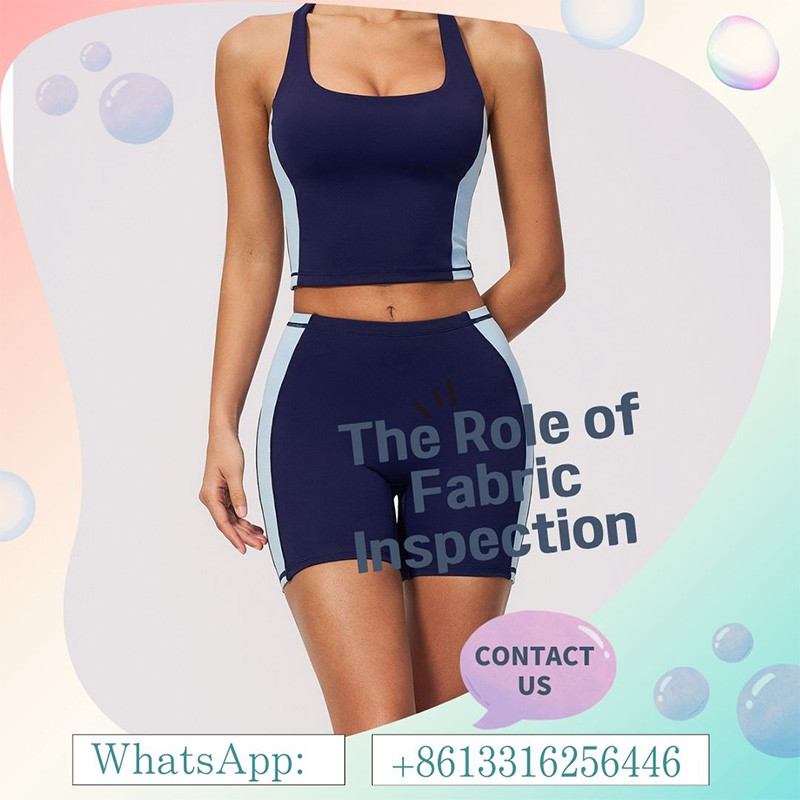
In the competitive world of premium activewear, quality isn't just a buzzword—it's the bedrock of your brand's reputation and the key to earning customer loyalty. For brand owners, the question isn't just "How is my product made?" but "How is my brand's promise being protected at every stage?" The journey to creating exceptional activewear that resonates with customers and builds a lasting legacy begins long before the first stitch, with a step that is both critical and often underestimated: fabric inspection.
The integrity of AOLAFREE’s custom activewear, and indeed any premium apparel, hinges on this meticulous initial process. It is the first and most crucial line of defense in protecting product quality, mitigating production risks, and ensuring the unwavering consistency that your customers expect. Fabric inspection is where your brand's commitment to performance, durability, and comfort is first put to the test. It ensures that only the finest materials, free from defects and perfectly aligned with your vision, proceed to production. This isn't merely a technical check; it is the foundational act of brand protection, safeguarding everything from the customer's first-wear experience to their long-term perception of your brand's value.
Key Takeaways
This article delves into the pivotal role of fabric inspection as a cornerstone of brand protection in the premium activewear market. It reframes the process not as a simple quality control step, but as a strategic imperative for any brand owner serious about their reputation. Here are the essential insights you will gain:
Fabric Inspection as Brand Protection: We will explore how rigorous fabric inspection is the first line of defense in safeguarding your brand. It's not about the technicalities of a QC department's workflow; it's about how this process directly prevents flawed products from ever reaching your customer, thereby protecting your brand's reputation for excellence. By catching defects, inconsistencies, and performance failures at the source, you mitigate financial risks from recalls, reduce waste, and uphold the premium value you promise. This proactive approach ensures that every product is a worthy ambassador for your brand.
Connecting Quality to Customer Experience: The link between the raw material and the end-user's satisfaction is direct and undeniable. A fabric's color, feel, stretch, and durability are not abstract metrics; they are tangible experiences for your customer. We will demonstrate how meticulous inspection of these attributes—from weave consistency to colorfastness—translates directly into a superior customer experience. When leggings don't go sheer, a sports bra retains its shape after washing, and the color stays vibrant, the customer's trust in your brand deepens. This positive experience is what turns a one-time buyer into a loyal advocate.
The Path from Inspection to Reputation: This piece will draw a clear line from fabric inspection to product quality, from product quality to customer experience, and ultimately, from customer experience to brand reputation. A single batch of faulty fabric can lead to a wave of negative reviews, social media complaints, and a long-term erosion of trust that is far more costly than any inspection process. Conversely, a consistent track record of high-quality, reliable activewear builds an unshakable reputation. We will show how investing in a robust inspection framework with your manufacturing partner is a direct investment in building and maintaining a powerful and respected brand in the competitive activewear landscape.
Strategic Partnership is Key: Quality is a shared responsibility. The article emphasizes the importance of selecting a manufacturing partner, like an OEM/ODM specialist, who views fabric inspection with the same rigor you do. A transparent, communicative, and technically proficient partner doesn’t just follow instructions; they proactively identify risks and collaborate on solutions. We will outline what to look for in a partner, including their adherence to international standards like AQL, their testing capabilities, and their commitment to sourcing from reliable, certified performance fabric suppliers. This partnership is the engine that drives consistent quality and, in turn, fortifies your brand's market position.
The Critical First Step: Fabric Inspection for Premium Custom Activewear with Your Performance Fabric Supplier
The moment a roll of fabric arrives at the factory is arguably the most critical juncture in the entire activewear manufacturing process. Before any cutting or sewing begins, this raw material holds the complete potential—and all the potential risks—for your final product. For premium brands, treating fabric inspection as a perfunctory check-box exercise is a costly mistake. Instead, it must be viewed as the strategic first step in brand protection. It is here that you and your performance fabric supplier work together to ensure the foundation of your product is flawless, setting the stage for either success or failure. This early diligence prevents the catastrophic ripple effect that a single fabric flaw can have on production schedules, costs, and ultimately, your brand's standing with its customers.
Identifying Imperfections: Ensuring Defects, Weave Consistency, and Elasticity Meet Brand Standards
At its core, fabric inspection is a meticulous hunt for imperfections that could compromise the final garment. These are not always dramatic, obvious flaws; more often, they are subtle issues that can have a significant impact on quality and performance.
A comprehensive inspection protocol scrutinizes several key areas:
Defect Detection: This involves visually scanning the fabric, often on a lighted inspection machine, for a range of potential issues. Common defects include slubs (thick places in the yarn), neps (small, tangled knots of fiber), holes, stains, color variations (shading), and printing errors. A minor defect might be acceptable in a low-cost garment, but for premium activewear, even a small inconsistency can lead to a customer return. The industry often uses a point-based system, such as the 4-Point System, to standardize the evaluation of fabric quality, where penalty points are assigned based on the size and significance of defects. This system provides an objective measure to accept or reject a fabric lot.
Weave and Knit Consistency: The structure of the fabric is paramount for activewear. An inconsistent weave or knit can affect not only the look of the garment but also its durability and performance. The inspection verifies that the fabric has a uniform density, with no areas that are too tight or too loose, which could lead to weak spots or an uneven appearance. For performance fabrics, this structural integrity is directly linked to properties like moisture-wicking and breathability.
Elasticity and Recovery: Perhaps the most defining characteristic of activewear is its stretch. Fabric must be tested to ensure it meets the specific elasticity and recovery standards detailed in your product's tech pack. This isn't just about whether it stretches, but how it stretches and if it returns to its original shape without sagging or distortion. A garment that loses its shape after one workout is a direct failure of the material and a reflection on the brand. This testing confirms the fabric can withstand the rigors of athletic movement and frequent washing, protecting the customer's investment and their trust in your quality promise.
| Inspection Area | Why It's Critical for Your Brand | Potential Consequence of Failure |
|---|---|---|
| Material Defects | Prevents garments with visual flaws (stains, holes, slubs) from being produced, upholding your brand’s premium image. | Customer complaints, returns, negative reviews, and perception of poor quality. |
| Color Consistency | Ensures uniformity across a single production batch and between batches, maintaining brand and collection aesthetic integrity. | Mismatched sets, customer dissatisfaction, and challenges in replenishment orders. |
| Weave/Knit Uniformity | Guarantees the structural integrity of the fabric, which is foundational to its performance (e.g., moisture-wicking, durability). | Poor performance, premature wear and tear (e.g., pilling, tearing), and inconsistent product feel. |
| Weight (GSM) | Verifies the fabric has the correct density and thickness, impacting feel, opacity (preventing sheerness), and durability. | Garments that are see-through, feel flimsy, or do not offer the expected level of support or compression. |
| Elasticity & Recovery | Confirms the garment will move with the body and retain its shape after stretching and washing, which is central to activewear function. | Sagging, baggy fits after wear, loss of compressive properties, and a short product lifespan. |
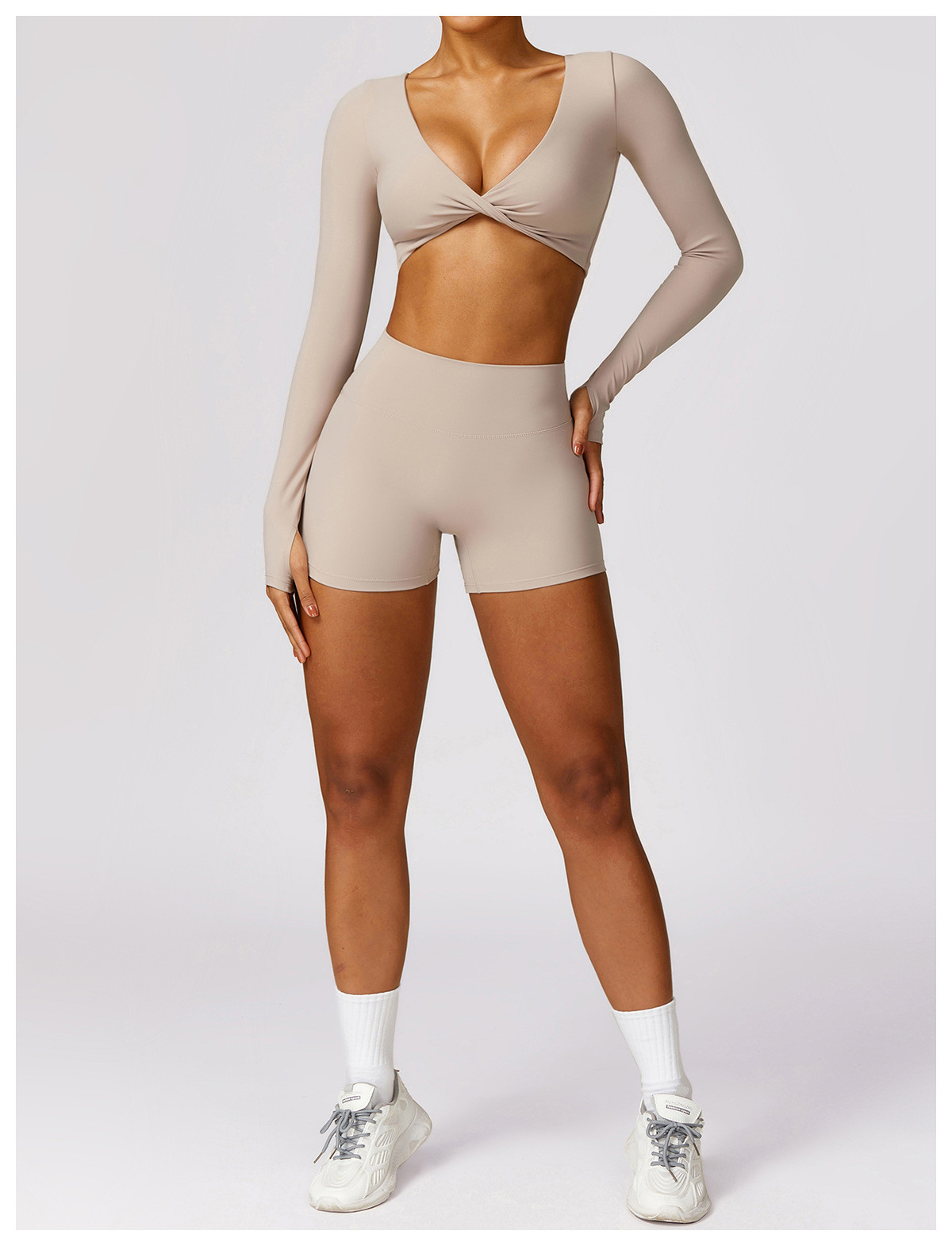
The AOLAFREE Standard: Verifying High-Performance Materials Align with Design Specifications
For a brand like AOLAFREE, the promise of high performance is not negotiable. This makes the verification stage of fabric inspection absolutely crucial. It's the moment where the tangible fabric is measured against the abstract design. Every technical specification outlined in the design phase—the "tech pack"—must be rigorously confirmed before that fabric is approved for production.
This verification goes beyond just looking for defects. It involves:
Confirming Technical Specs: The factory's QC team must systematically check the delivered fabric against the tech pack's requirements. This includes verifying the fabric's weight (measured in Grams per Square Meter or GSM), its width, its color (often matched against a Pantone standard or a pre-approved lab dip), and its composition (e.g., 80% Nylon, 20% Spandex). A deviation in any of these areas can fundamentally alter the final product. A lower GSM might result in leggings that are unintentionally sheer, while a different fiber blend could compromise the garment's moisture-wicking capabilities.
Matching Performance to Design: A truly expert manufacturing partner understands that different Styles require different fabric properties. A high-compression fabric intended for a supportive running tight cannot be swapped for a softer, more breathable fabric meant for a yoga top. The inspection team must not only verify the fabric is what was ordered but also confirm it's the right fabric for the intended design. This requires a deep understanding of activewear function and a collaborative relationship between the brand and the manufacturer. This alignment between the physical material and the design intent is the essence of creating truly premium, purpose-built activewear and is a hallmark of the AOLAFREE standard.
Comprehensive Quality Control: A Continuous Process with Your OEM Sportswear Manufacturer and Activewear Factory
Fabric inspection is the critical starting point, but it's just one piece of a larger, more intricate puzzle. True brand protection is achieved through a philosophy of continuous quality control that is woven into every stage of production. This is where the partnership with your OEM (Original Equipment Manufacturer) sportswear manufacturer becomes paramount. A reliable activewear factory doesn't just inspect quality at the end; they build it into the process from the moment the fabric is accepted to the moment the final product is packed. This holistic approach transforms quality control from a reactive "defect-finding" exercise into a proactive "quality-assurance" system, ensuring that standards are met consistently, efficiently, and at scale.
From Raw Materials to Final Product: Implementing Multi-Stage Inspection for Flawless Production
Effective quality management in apparel manufacturing relies on a multi-stage inspection strategy. Relying solely on a final inspection is a recipe for disaster, as it's often too late and too costly to fix problems discovered at the end of the line. A robust system integrates checkpoints throughout the entire production journey:
Pre-Production Check: This stage happens after the fabric is approved but before mass cutting begins. It involves checking the patterns against the design specs, verifying the settings on cutting and sewing machines, and producing a small sample run to ensure everything is perfectly aligned. This is the final chance to catch any potential issues before committing large quantities of material and labor.
In-Line Inspection (During Production): Also known as "roving inspection," this is where QC personnel monitor the production line in real-time. They check partially completed garments at various stages of sewing, cutting, and assembly. This allows for immediate correction if an operator is making a consistent error, a machine is malfunctioning, or a batch of components (like zippers or drawstrings) is faulty. Catching errors at this stage prevents the same mistake from being repeated on hundreds or thousands of units.
End-of-Line Inspection: As garments are completed at the sewing stage, they undergo another check to ensure all seams are secure, stitches are consistent, and the garment is constructed according to the approved sample. This checkpoint focuses on the workmanship and structural integrity of the product.
Final Random Inspection: Before the products are packed for shipping, a final inspection is conducted. This is typically where standards like AQL (Acceptable Quality Limit) are applied. A random sample of the finished, packed garments is pulled from the batch and inspected meticulously against a comprehensive checklist. This final step provides a statistically valid assessment of the entire production run's quality, giving the brand a final green or red light before shipment.
Key Checkpoints for AOLAFREE Activewear: Mastering Fabric, Stitching, and Aesthetic Precision
For a premium brand like AOLAFREE, the checkpoints are specific and demanding, reflecting a deep understanding of what constitutes quality in activewear. The focus is on three core pillars:
Fabric Integrity (Post-Cutting): Even after the initial roll inspection, the fabric is checked again after being cut. This ensures that no defects hidden within the roll have made their way into the cut pieces. It also verifies that the pieces have been cut precisely along the correct grainline, which is critical for ensuring the garment stretches and drapes as intended.
Stitching and Seam Excellence: This is a non-negotiable for activewear, which undergoes significant stress during use. Inspections focus on:
- Stitch Per Inch (SPI): Checking that the stitch density matches the specification. Too few stitches can lead to weak seams, while too many can pucker or damage delicate performance fabrics.
- Seam Type: Ensuring the correct seams (e.g., flatlock, overlock) are used in the right places for maximum comfort and durability.
- Seam Strength: Pull-testing seams at vulnerable points, like the crotch or armholes, to ensure they can withstand athletic movement.
- Thread Quality: Verifying that the correct high-performance, stretch-compatible thread is being used.
Aesthetic and Functional Precision: This final check ensures the garment is not just well-made, but also matches the brand's aesthetic. It includes verifying logo placement and quality, checking the function of zippers and drawstrings, ensuring measurements are within tolerance, and confirming the final "hand feel" and appearance of the garment are up to the premium standard promised to the customer.
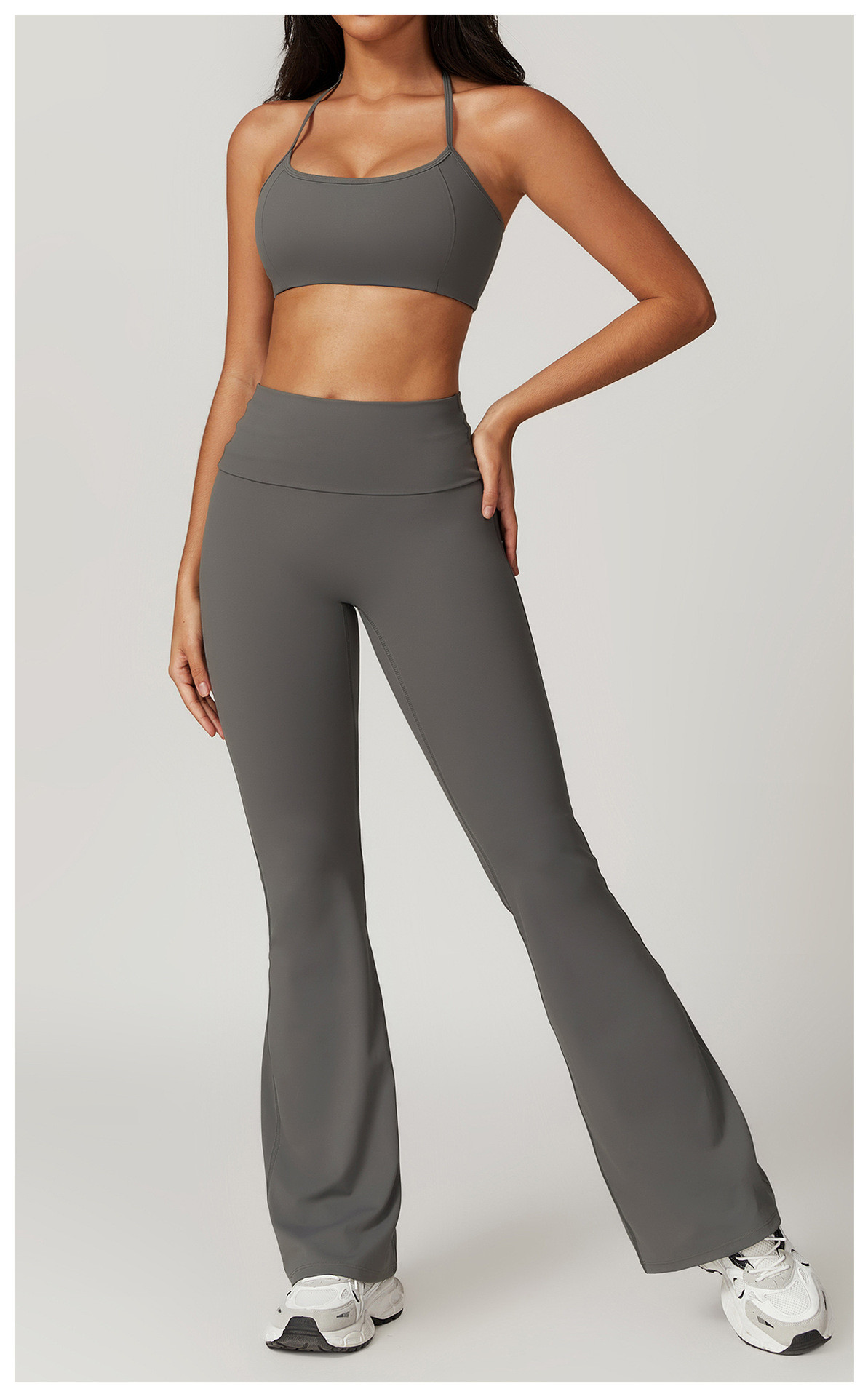
Implementing AQL Standards for Consistent Excellence Across All Private Label Activewear Batches
How does a brand ensure that the quality of the 10,000th piece is as good as the first? The answer lies in a statistical quality control method known as AQL, or Acceptable Quality Limit. AQL is not a license to accept defects; rather, it is a globally recognized standard (part of ISO 2859-1) used to define the "worst tolerable process average" or the maximum number of defective units that can be considered acceptable during a random sampling inspection.
Here’s how it protects your brand:
- Provides an Objective Standard: Instead of vaguely saying "we want good quality," AQL provides a specific, statistical language that both the brand and the factory agree upon. The AQL level (e.g., 2.5/4.0) determines the sample size to be inspected and the number of allowable defects.
- Defines Defect Types: Defects are typically categorized into three levels:
- Critical Defects (AQL 0): Unsafe or hazardous defects that could harm the user (e.g., a loose needle left in a garment). These are never acceptable.
- Major Defects (e.g., AQL 2.5): Defects that are likely to result in product failure or a customer return (e.g., a broken zipper, a large hole, incorrect sizing).
- Minor Defects (e.g., AQL 4.0): Small imperfections that are unlikely to affect the product's usability but detract from its aesthetic (e.g., an untrimmed thread end, a minor stitch inconsistency).
- Enables Data-Driven Decisions: Based on the number of defects found in the random sample, the AQL tables will determine whether the entire batch should be "Accepted," "Rejected," or "Held" for further inspection or rework. This removes emotion and subjectivity from the decision-making process, providing a clear, data-driven action plan.
By implementing AQL standards with your private label activewear partner, you create a powerful framework for consistency. It ensures that every batch, whether it's for a new collection or a replenishment of a bestseller, meets the exact same quality threshold, protecting both your customers and your brand's hard-won reputation for excellence.
Elevating Your Private Label Activewear: Advanced Testing and Certification Requirements with Your Performance Fabric Supplier
In the premium activewear market, simply looking good and feeling soft is no longer enough. Today's discerning consumers demand products that perform under pressure, endure over time, and align with their values. This is where advanced testing and verifiable certifications move from a "nice-to-have" to a "must-have." For any brand building a private label activewear line, these elements are crucial differentiators and powerful tools for building trust. Collaborating closely with your performance fabric supplier and activewear factory to conduct and verify these tests is not just about compliance; it's about proving your commitment to superior quality, safety, and ethical production.
The Imperative of Colorfastness Testing: Preserving Vibrant Hues Through Wear and Wash
The visual appeal of activewear is often its first selling point. A vibrant, unique color palette can define a collection and attract a customer's eye. However, if that brilliant color fades after a few washes, bleeds onto other clothes, or discolors with sweat, it instantly destroys the product's perceived value and erodes brand trust. This is why colorfastness testing is an non-negotiable part of the quality assurance process.
Colorfastness evaluates how well a fabric's color holds up when exposed to various conditions it will likely encounter during its lifecycle. Key tests include:
Colorfastness to Washing: This test simulates home laundering to see if the color fades or bleeds. The fabric is washed with a standardized detergent, often alongside a multi-fiber strip that can detect even minute amounts of dye transfer. This is critical for preventing customers from ruining other garments in the wash, a mistake that often leads to very public and negative brand feedback.
Colorfastness to Perspiration: Human sweat is slightly acidic and can be surprisingly corrosive to some dyes. This test exposes the fabric to artificial perspiration solutions to ensure the color remains stable and doesn't rub off onto the skin or other layers of clothing during a workout.
Colorfastness to Crocking (Rubbing): This evaluates the transfer of color from the fabric's surface onto another surface through rubbing. It's tested under both dry and wet conditions. For activewear like leggings and sports bras, which are in constant contact with skin and other equipment, poor crocking performance can lead to dye staining the wearer's skin, a significant quality failure.
Colorfastness to Light: For activewear designed for outdoor use, exposure to sunlight can cause colors to fade. This test uses a special lamp to simulate prolonged UV exposure and measures any change in color, ensuring your garments look as good at the end of the season as they did at the beginning.
| Test Type | What It Measures | Why It's Critical for Your Activewear Brand |
|---|---|---|
| Washing | Resistance of color to fade or bleed during laundering. | Prevents customer complaints about faded garments or color bleeding onto other clothes. Protects brand reputation for durability. |
| Perspiration | Stability of color when exposed to acidic sweat. | Ensures color doesn't run or stain skin during workouts, maintaining comfort and aesthetic integrity. |
| Crocking (Rubbing) | Transfer of color from the fabric due to friction (wet or dry). | Prevents dye from rubbing off on skin, other garments, or gym equipment. Crucial for items with high skin contact. |
| Light (UV) | Resistance to fading when exposed to sunlight. | Essential for outdoor activewear (running, cycling) to maintain its vibrant look and perceived value over time. |
Verifying Sustainability and Social Compliance Certifications: Building Trust in Your Activewear Factory
In today's market, the story behind the product is just as important as the product itself. Consumers are increasingly demanding transparency and accountability, wanting to know that their purchases are not contributing to environmental harm or unfair labor practices. This is where certifications become a powerful language of trust.
Choosing an activewear factory and fabric suppliers who hold reputable third-party certifications is a critical step in building a responsible brand. These certifications provide independent verification that your partners are adhering to strict global standards. Look for manufacturers who can provide documentation for certifications such as:
Environmental Certifications:
- OEKO-TEX® STANDARD 100: This is one of the world's best-known labels for textiles tested for harmful substances. It certifies that every component of the article, from the fabric and thread to the buttons and other accessories, has been tested for a long list of chemicals that are harmful to human health. This is a baseline for demonstrating product safety.
- bluesign® SYSTEM: This is a more holistic standard that addresses environmental impact and resource productivity at the very beginning of the manufacturing process. A bluesign® approved fabric means it was made with the most efficient use of water and energy, and with the safest possible chemistry. For environmentally conscious brands, this is the gold standard.
- Global Recycled Standard (GRS): For brands using recycled materials (e.g., from plastic bottles), the GRS verifies the recycled content and tracks it through the supply chain. It also sets social and environmental processing requirements.
Social Compliance Certifications:
- WRAP (Worldwide Responsible Accredited Production): This certification focuses on ensuring lawful, humane, and ethical manufacturing processes. Auditors check for adherence to principles like bans on forced and child labor, fair wages and hours, and a safe and healthy work environment.
- SA8000: Another leading social certification standard that helps organizations demonstrate their dedication to the fair treatment of workers across industries and in any country.
- BSCI (Business Social Compliance Initiative): A system that helps companies monitor and improve social standards in their supply chains. Factories with a recent and positive BSCI audit report can demonstrate their commitment to worker wellbeing.
Verifying these certifications isn't just about collecting logos for your website. It's about due diligence. Your manufacturer should be able to provide valid certificates that you can cross-reference. This verification process protects your brand from the significant reputational risk of being associated with environmental or labor abuses and allows you to authentically tell a story of quality, safety, and responsibility.
The AOLAFREE Advantage: Strategic Partnerships and Lessons Learned for Custom Activewear Manufacturing
In the complex world of custom activewear manufacturing, even the most rigorous quality control systems can fall short without the right foundation: a truly strategic partnership with your factory. The journey from a design concept to a finished, high-quality garment is filled with potential pitfalls. The AOLAFREE advantage lies not just in its own internal standards, but in its philosophy of collaboration, continuous learning, and a proactive approach to risk management. This means choosing partners not just for their machinery, but for their expertise, and integrating industry-wide lessons into a resilient and ever-improving manufacturing process. For a brand owner, this shift in perspective—from a transactional client-vendor relationship to a collaborative partnership—is the key to long-term success.
Choosing the Right Activewear Factory: Specialist Capabilities for Your Unique Designs
Not all factories are created equal. A manufacturer that excels at producing cotton t-shirts may be completely unequipped to handle the complexities of high-performance, stretch-knit fabrics. Choosing the right OEM/ODM partner requires looking beyond price and assessing their specialist capabilities. This is a critical due diligence step that protects your brand from production nightmares, delays, and quality failures.
A top-tier activewear factory should demonstrate expertise in several key areas:
- Mastery of Performance Fabrics: They should have extensive experience working with a wide range of technical materials—from compressive poly-spandex blends and recycled nylons to delicate meshes and bonded fabrics. Their teams should understand the unique handling properties of each, such as how to prevent stretching during cutting or puckering during sewing.
- Specialized Machinery: Manufacturing premium activewear requires more than just standard sewing machines. Look for factories equipped with specialized machinery like:
- Flatlock machines for creating strong, non-chafing seams.
- Bonding and laser-cutting technology for creating seamless edges and intricate designs.
- Automatic spreaders and cutters to ensure precision and consistency when handling large rolls of stretch fabric.
- Technical Design Expertise: A great partner doesn't just execute your tech pack; they help you refine it. Their team should be able to review your designs and provide constructive feedback, such as suggesting a more durable seam construction, a better fabric for a specific application, or a minor pattern adjustment that could improve fit or reduce material waste. This collaborative approach adds immense value and prevents costly errors down the line.
- Proven Track Record: Ask to see samples of products they have made that are similar in complexity to your own designs. A portfolio of high-quality, technically demanding activewear is the best proof of their capabilities.
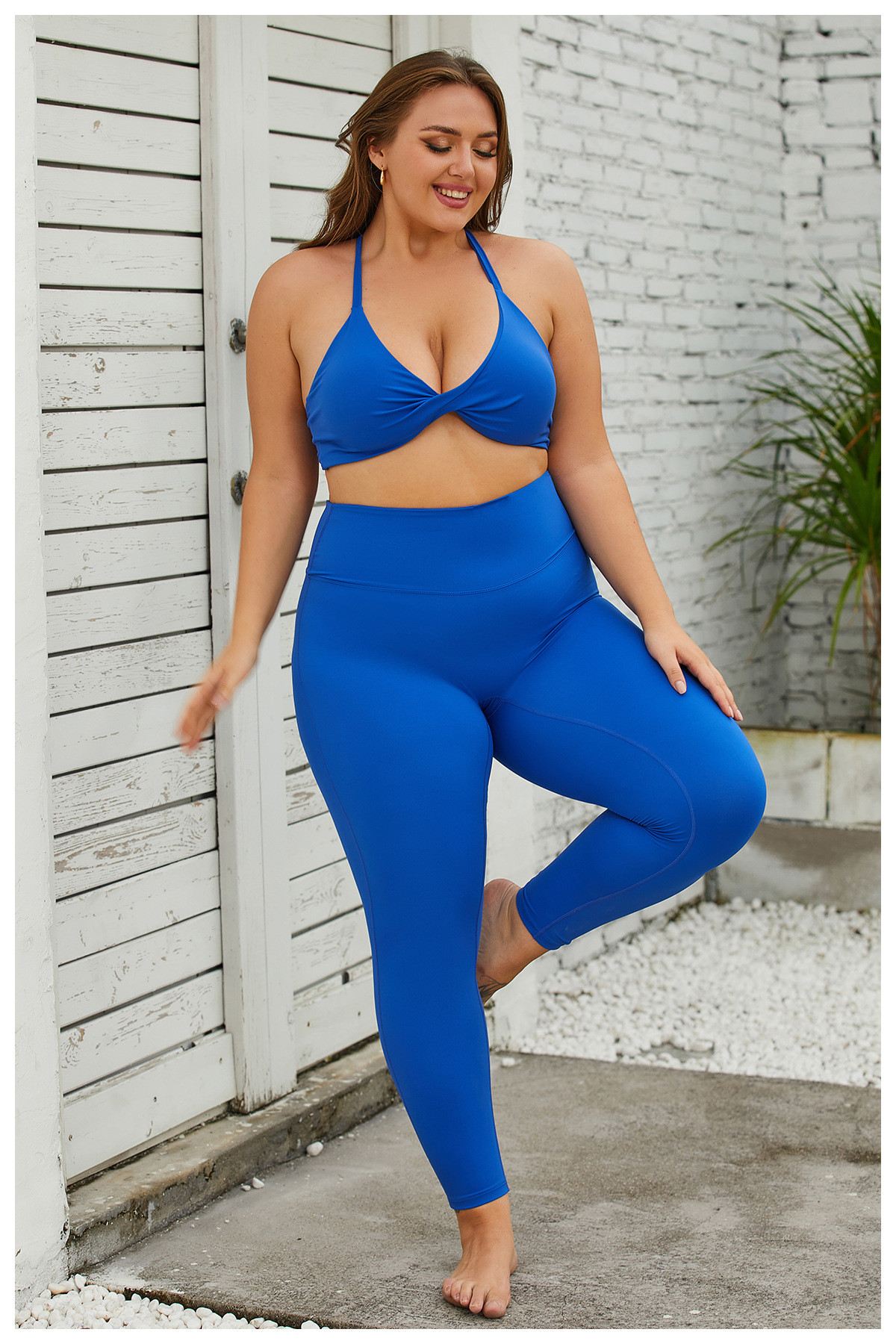
Preventing Quality Degradation: Integrating Lessons from Industry Challenges into Our Manufacturing Process
The apparel industry is rife with stories of quality issues that have damaged even established brands. From leggings that were unintentionally sheer to colors that faded after a single wash, these public failures offer valuable lessons. A smart manufacturer—and a smart brand—does not ignore these challenges. Instead, they dissect them, understand the root cause, and integrate preventative measures into their own processes.
At AOLAFREE, our process is built on this principle of proactive learning and prevention:
The "Sheer Leggings" Problem: This infamous industry issue was often a result of using a fabric with insufficient weight (GSM), overstretching a lower-quality knit, or using a light color without proper testing.
- Our Prevention: We enforce stringent GSM verification during fabric inspection. We also perform stretch and opacity tests, simulating real-world wear by stretching the fabric over a contrasting background to ensure full coverage, even at maximum stretch. This is a standard checkpoint for all our legging productions.
The "Fading Colors" Issue: As discussed, colorfastness failure is a common problem resulting from poor dyeing processes or inadequate testing.
- Our Prevention: We mandate a full panel of colorfastness tests (to washing, rubbing, sweat, and light) for every new fabric and color. No fabric proceeds to cutting without passing these tests. We work with fabric suppliers who have a proven track record and robust in-house testing capabilities.
The "Sagging and Bagging" Fail: Garments that lose their shape after a few wears are a sign of poor fabric recovery (elasticity).
- Our Prevention: Fabric analysis is not just about initial stretch, but about recovery rate. We specify and test for a high percentage of recovery, ensuring the fabric snaps back to its original form. This is particularly crucial for waistbands and cuffs, and it's a key metric we track with our performance fabric suppliers.
By systematically turning industry challenges into mandatory quality checkpoints, we build a more resilient and reliable manufacturing process. This institutional knowledge, shared between the brand and the activewear factory, is what elevates the partnership beyond simple production. It becomes a shared mission to not only meet but exceed customer expectations, protecting the brand by learning from the mistakes of others and ensuring they are never repeated.
Frequently Asked Questions (FAQ)
Q1: We are a startup brand with a limited budget. Isn't such a detailed fabric inspection process too expensive and time-consuming?
This is a common and understandable concern, but it's important to reframe the cost. Think of rigorous fabric inspection not as an expense, but as the most critical insurance policy for your brand. The cost of inspecting fabric at the source is minimal compared to the catastrophic financial and reputational costs of a product failure. Consider the scenarios: a recall of a few thousand units due to a consistent defect, a wave of negative social media reviews because leggings are sheer, or having to sell off an entire production run at a massive discount. These outcomes are far more expensive than the labor and time invested in early-stage inspection. A good manufacturing partner will integrate this process efficiently. For startups, it's even more crucial—your first products define your brand. A quality failure on your initial launch can be an insurmountable setback. The right OEM/ODM partner can work with you to establish a practical, cost-effective inspection protocol that protects your investment and starts your brand on a foundation of quality.
Q2: Our designs are very complex. How can we be sure the factory's inspectors will understand our specific quality standards?
This is where a detailed Technical Pack ("tech pack") and a Pre-Production Sample (PPS) are absolutely vital. Your tech pack should be your brand's bible. It must go beyond a simple sketch and include detailed specifications for everything: fabric composition and weight (GSM), specific Pantone color codes, stitch-per-inch (SPI) requirements for different seams, precise measurements and tolerances, and placement details for logos and trims.
Before mass production, you must have an approved PPS. This sample is the golden standard. It is the physical manifestation of your tech pack, and it's the exact garment the factory's QC team will use as their reference. Provide clear, written feedback and physically mark up samples to highlight critical areas. A high-quality factory will also welcome creating a "quality standard" document with you, including photos of acceptable and unacceptable finishes. This clear communication and documentation removes ambiguity and empowers the inspectors to enforce your specific standards.
Q3: What exactly is the "4-Point System" for fabric inspection and is it necessary?
The 4-Point System is a standardized method used across the textile industry to evaluate the quality of a roll of fabric. It's highly recommended because it replaces subjective opinion ("this fabric looks okay") with an objective, data-driven score. Here’s a simplified breakdown: inspectors scan fabric over a lighted table and assign penalty points based on the size of any defects found (holes, slubs, stains, etc.).
- 1 point for defects up to 3 inches.
- 2 points for defects 3 to 6 inches.
- 3 points for defects 6 to 9 inches.
- 4 points for defects over 9 inches.
After inspecting a roll, the total points are calculated and measured against the yardage to get a points-per-100-yards score. The brand and factory agree on an acceptable threshold (e.g., no more than 20 points per 100 yards). If a roll exceeds this score, it's rejected. Using this system is crucial for brand protection because it creates a clear, enforceable standard with your fabric supplier, ensuring you are only paying for and using material that meets your pre-defined quality level.
Q4: How do I ensure my factory is actually using the sustainable or certified materials I'm paying for?
This is a valid concern that hinges on transparency and traceability. The best way to protect your brand from "greenwashing" is through documentation and supply chain verification. First, when you specify a certified material (like GRS-certified recycled polyester or OEKO-TEX® tested fabric), your factory must provide you with the official Transaction Certificates (TCs) for that specific batch of fabric. These documents trace the certified material from the supplier to your factory. You should be able to see your factory's name or your purchase order number on the certificate. Don't just accept a supplier's general certification; you need the TC that corresponds to your production run. A trustworthy factory will be transparent in providing this documentation as part of their service. This is a key part of the due diligence process when vetting a manufacturing partner. If a factory is hesitant or unable to provide this level of traceability, it's a major red flag.
Conclusion
At AOLAFREE, we understand that the role of fabric inspection extends far beyond simple quality control; it is a foundational commitment to protecting your brand and delivering superior activewear. It is the first, and most important, step in a comprehensive quality assurance strategy that transforms a creative vision into a tangible, high-performance product. Our meticulous approach, bolstered by strategic partnerships with leading OEM sportswear manufacturers and verified performance fabric suppliers, ensures that every single garment we help create upholds a promise of excellence. This rigorous process is how we safeguard our partners' reputations as fiercely as we do our own.
We firmly believe that stringent fabric inspection and continuous quality assurance are not just optional manufacturing steps, but are integral parts of a brand's DNA. They are the invisible threads that weave together product quality, customer experience, and lasting brand reputation. Through these dedicated efforts, we empower brands to confidently provide their customers with the durable, comfortable, and high-performing private label activewear they trust. If you're ready to build your brand on a foundation of uncompromised quality, we invite you to Contact US to learn how our partnership can help you succeed.