The Ultimate Guide to Custom Yoga Wear Manufacturing: From Design to Delivery
- Share
- publisher
- AOLAFREE Team
- Issue Time
- Jul 7,2026
Summary
Complete guide to manufacturing custom yoga wear. Covers fabric selection, design specifications, sampling process, production techniques for leggings, sports bras, and tops, plus quality standards specific to yoga apparel.
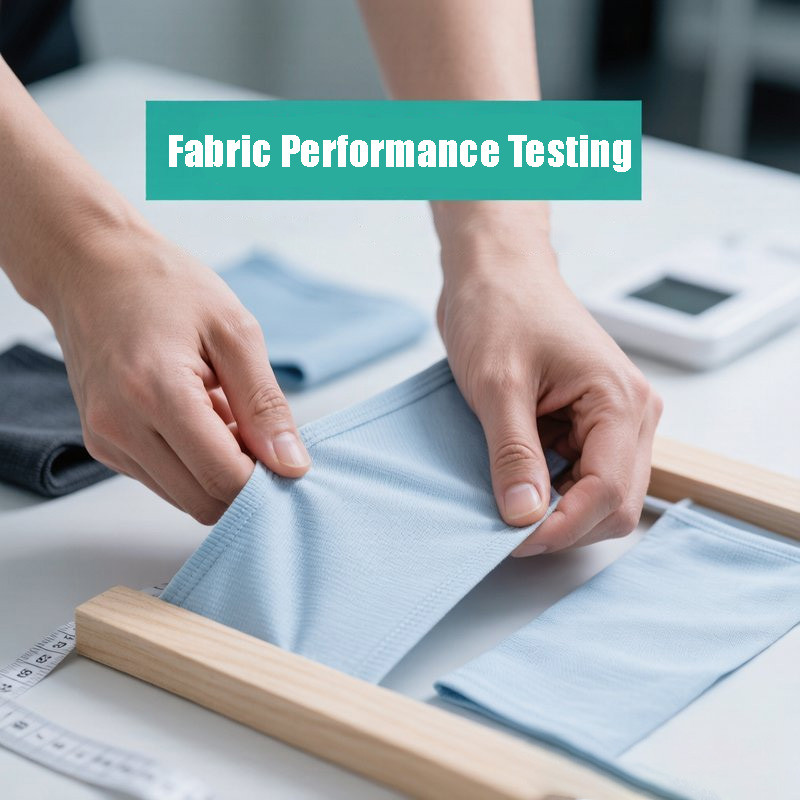
The global yoga apparel market has experienced remarkable growth, valued at over $40 billion and projected to continue expanding as yoga and wellness practices become mainstream lifestyle choices worldwide. For brands — from boutique studios launching their own label to established athleisure companies expanding their product lines — custom yoga wear manufacturing represents a significant opportunity to create differentiated, high-margin products. However, manufacturing yoga wear is distinct from general activewear production. Yoga garments require specific fabric performance characteristics, precise fit engineering, and construction techniques that accommodate a wide range of movement while providing coverage and support. This comprehensive guide walks through the entire custom yoga wear manufacturing process — from initial design concept to final delivery. Key Takeaway Successful custom yoga wear manufacturing requires careful attention to fabric selection, fit engineering, and quality standards specific to yoga practice — not just general activewear production knowledge. Fabric selection is the single most important decision in custom yoga wear manufacturing. Unlike running or gym apparel, yoga wear must balance four critical performance characteristics: Fabric must stretch and recover in all directions to support poses from Downward Dog to Warrior II without restriction or bagging out. Hot yoga and vigorous vinyasa flows generate significant sweat. Fabric must rapidly move moisture away from skin to keep the practitioner comfortable. The "squat test" is real — fabric must remain completely opaque even when stretched to maximum tension during deep bends and inversions. Yoga practitioners value fabrics that feel soft and gentle against skin — "buttery soft" has become the gold standard description in the yoga wear market. Yoga leggings are the anchor product of any yoga wear line. They are also the most technically demanding garment to manufacture correctly. Here is what goes into a well-made pair: Yoga sports bras range from light-support bralettes for restorative and gentle yoga to medium-support styles for power yoga and inversions. Unlike running bras, yoga bras prioritize freedom of movement over maximum bounce control. The yoga top category spans a wide range from minimalist bras to flowing, coverage-focused designs. Key manufacturing considerations include: The sampling phase is where your design vision becomes physical reality. A structured sampling process typically involves three stages: Yoga wear QC goes beyond general apparel inspection standards. Here are the yoga-specific quality checks that should be part of every inspection: Yoga is practiced by people of all body types. An inclusive size range is both an ethical imperative and a smart business decision. Key considerations for yoga wear sizing: Yoga wear manufacturing MOQs depend on the production approach: Sustainability resonates strongly with the yoga community. Key sustainable manufacturing approaches include: Custom yoga wear manufacturing is a partnership between creative vision and technical execution. The most successful yoga wear brands are not necessarily those with the most innovative designs — they are the ones that consistently deliver on their quality promise, from the first prototype to the thousandth unit. By understanding fabric performance, investing in careful sampling, implementing yoga-specific quality standards, and choosing a manufacturing partner with genuine activewear expertise, your brand can create products that yoga practitioners love, trust, and return to purchase again and again. Ready to manufacture your custom yoga wear collection? Contact AOLAFREE for expert manufacturing support from design to delivery.Introduction: The Growing Demand for Custom Yoga Wear
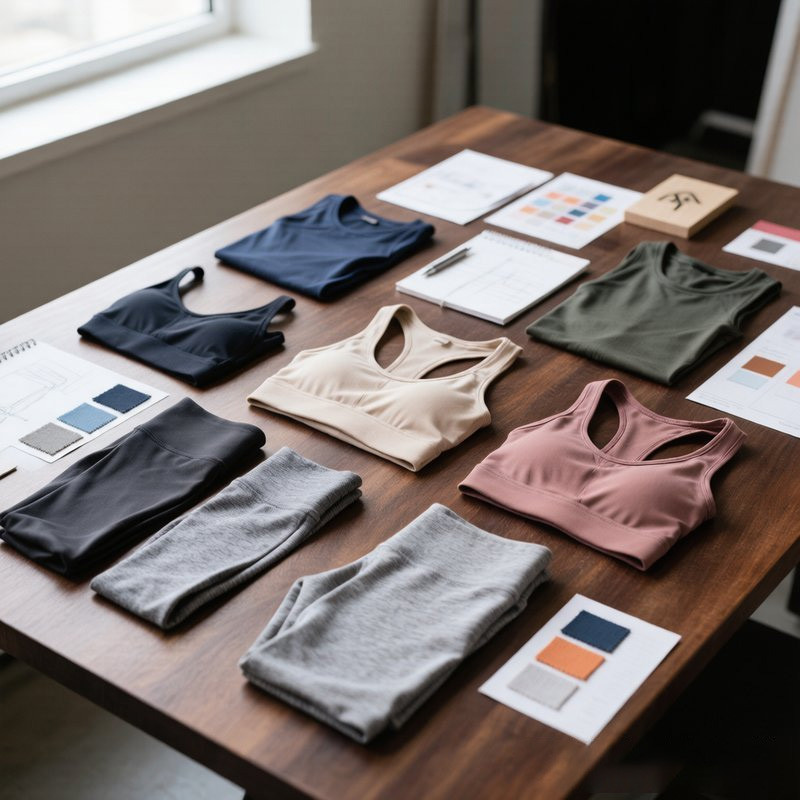
Essential Yoga Wear Fabrics: Performance Meets Comfort
Four-Way Stretch
Moisture Wicking
Opacity & Coverage
Soft Hand Feel
Top Fabric Choices for Yoga Wear
Fabric Composition Best For Key Properties
Nylon-Spandex (Supplex) 75-80% Nylon / 20-25% Spandex Leggings, bras Superior softness, excellent compression, good opacity at 200+ GSM Polyester-Spandex 80-88% Polyester / 12-20% Spandex Tops, tanks, jackets Excellent moisture wicking, durable, holds print well, more affordable Cotton-Spandex 90-95% Cotton / 5-10% Spandex Lounge, gentle yoga Natural feel, breathable, less performance-oriented, good for restorative yoga Recycled Polyester-Nylon Varies (rPET + Elastane) Eco-conscious lines Sustainable, good performance, GRS certifiable, growing consumer preference Seamless Knit (Nylon-Spandex) 70-85% Nylon / 15-30% Spandex Premium leggings, bras No side seams, engineered zones, sculpting fit, luxury feel
Yoga Leggings: Design, Construction, and Quality Standards
Critical Design Elements for Yoga Leggings
Sports Bras for Yoga: Support Level Design
Support Level Guide for Yoga Bras
Yoga Tops: Styles and Manufacturing Considerations
Popular Yoga Top Styles
The Sampling Process: From First Prototype to Approval
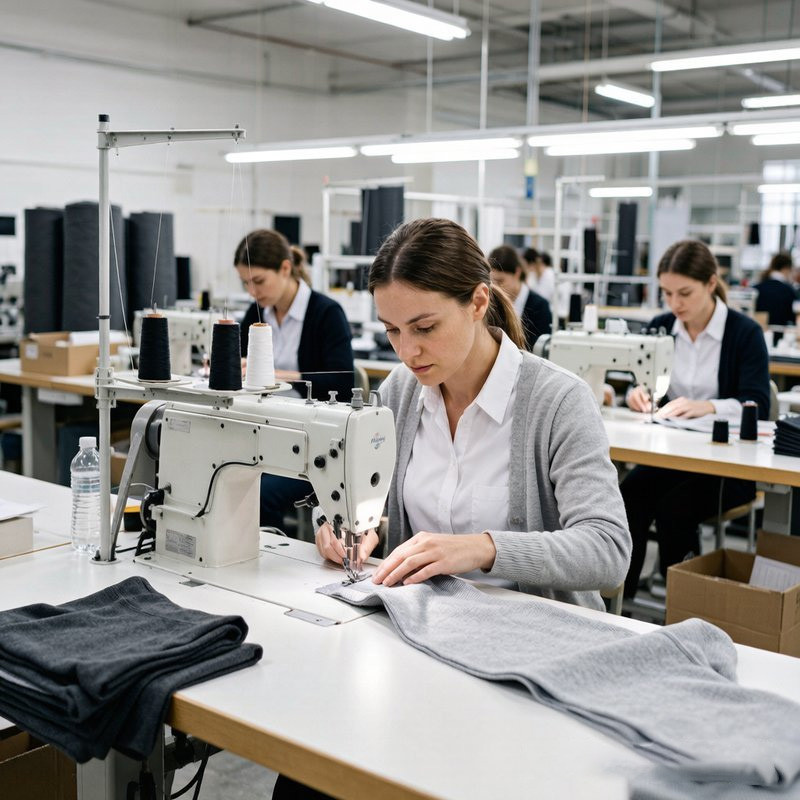
Quality Control Standards Specific to Yoga Wear
Sizing Strategy: Creating an Inclusive Size Range
MOQs and Production Planning for Yoga Wear
Production Type MOQ/Style Lead Time Best For
Cut-and-Sew OEM 200-500 pcs 4-6 weeks Custom designs, premium brands Seamless Knitting 300-500 pcs 5-8 weeks Premium seamless leggings, bras ODM (Modified Catalog) 100-300 pcs 3-4 weeks Startups, trend-driven launches Sustainable Options in Yoga Wear Manufacturing
Conclusion: Building Your Yoga Wear Brand Through Quality Manufacturing