Understanding Men's Activewear Manufacturing with AOLAFREE: From Design to Delivery
- Share
- Issue Time
- Jan 23,2026
Summary
The men's activewear market is experiencing significant growth, projected to exceed $677 billion by 2030, driven by increased participation in physical activities and a demand for performance-enhancing apparel. This evolution necessitates sophisticated manufacturing processes that combine quality and style. The journey of transforming an idea into a high-performance garment involves several critical steps, starting with concept and design, where a detailed 'tech pack' acts as the essential bluep
As an activewear professional, I've witnessed the remarkable evolution of men's gym wear, transcending mere functionality to become a blend of performance, fashion, and innovation. The global activewear market is projected to reach over $677 billion by 2030, with the men's segment growing significantly, driven by increased participation in physical activities and a demand for comfort and technologically advanced apparel. This growth underscores the critical need for robust manufacturing processes that deliver both quality and style.
This blog post aims to demystify the journey of men's activewear manufacturing, from the initial spark of design to the final delivery of high-performance garments. We'll explore the crucial steps involved, highlighting how a leading manufacturer like AOLAFREE navigates this complex landscape to bring exceptional products to market.
The Foundation: Concept, Design, and Partnering with a Men Gym Wear Manufacturer
The journey of every great piece of activewear begins long before the fabric is cut. It starts with a powerful idea, which is then meticulously translated into a detailed plan. This foundational stage is critical, as it sets the stage for the entire production process. Partnering with the right manufacturer during this phase can mean the difference between a product that excels and one that falls short.
From Idea to Blueprint: The Importance of a Tech Pack
An idea, no matter how brilliant, is just a concept until it is documented. In the apparel industry, the bridge between creative vision and tangible product is the technical package, or "tech pack." This document is arguably the single most important element in the pre-production phase.
What's in a Tech Pack and Why AOLAFREE Prioritizes It
A tech pack is a comprehensive blueprint that provides a manufacturer with all the necessary information to accurately produce a garment. It functions as a detailed instruction manual, minimizing guesswork and ensuring the final product perfectly matches the designer's vision. Most professional factories and contractors will not even begin the sampling process without a detailed tech pack, as it protects both the brand and the manufacturer from costly misunderstandings and errors.
A well-crafted tech pack leaves no room for interpretation. At AOLAFREE, we emphasize the creation of a thorough tech pack from the very beginning, leveraging our one-on-one design service to guide our clients. A comprehensive tech pack should always include:
| Component | Description | Importance |
|---|---|---|
| Technical Sketches | Detailed flat drawings of the garment from multiple angles (front, back, side). These include callouts for specific details like stitching, seam lines, and unique features. | Provides a clear visual reference for the pattern maker and sewing teams. |
| Bill of Materials (BOM) | An exhaustive list of every single component required. This includes main fabric, lining, threads, zippers, buttons, drawstrings, and labels. | Essential for accurate cost calculation, sourcing, and ensuring all parts are available for production. |
| Measurement Specs | A detailed chart outlining the precise measurements for a base size. This includes points of measure (POM) for chest, waist, length, inseam, etc. | The foundation for creating a consistent fit. Inaccurate specs can ruin an entire production run. |
| Grading Rules | Instructions on how to scale the base size measurements up and down to create a full range of sizes (e.g., S, M, L, XL). | Ensures that the fit and proportions of the garment remain consistent across all sizes offered. |
| Construction Details | Step-by-step instructions on how the garment should be assembled. This specifies stitch types (e.g., flatlock, overlock), seam allowances, and any special techniques. | Guides the sewing team on the exact methods to use, ensuring durability and a high-quality finish. |
| Colorways & Artwork | Specifications for all color options, including Pantone color codes for fabrics and prints. It also details the placement, size, and application method for any logos or graphics. | Guarantees brand consistency and accurate visual representation of the design. |
| Labeling & Packaging | Guidelines for the placement of brand labels, care labels, and size tags. It also includes instructions for folding, bagging, and boxing the final products. | Ensures professional presentation and compliance with retail and shipping standards. |
By prioritizing a detailed tech pack, AOLAFREE mitigates the risk of sampling errors, which saves brands significant time and money. Our expert team works closely with clients to refine their vision into a factory-ready document, ensuring a smooth transition from concept to creation.
Choosing Your Production Path: OEM vs. ODM Services
Once your design is solidified, the next step is choosing how your product will be made. In the manufacturing world, there are two primary paths: Original Equipment Manufacturer (OEM) and Original Design Manufacturer (ODM). Understanding the difference is crucial for aligning production with your brand's goals, budget, and timeline.
Original Equipment Manufacturer (OEM)
OEM is a service model where the manufacturer produces garments based on the client's original designs. In this scenario, you, the brand, provide a complete tech pack with every detail specified, from the exact fabric composition to the final stitch. The factory's role is to execute your vision precisely. This path is ideal for brands that have a strong, unique design identity and want full creative control over their products.
Pros of OEM:
- Complete Creative Control: Every aspect of the design, fit, material, and branding is determined by you.
- Brand Differentiation: Creates a 100% unique product that stands out in a crowded market.
- Intellectual Property: You own the design, giving you a competitive advantage.
Cons of OEM:
- Higher Upfront Investment: Requires significant investment in design development, pattern making, and sampling.
- Longer Lead Times: The process is more intensive, with multiple rounds of sampling and revisions to perfect the product.
- Requires Expertise: Brands need a clear design vision and technical knowledge to create a viable tech pack.
Original Design Manufacturer (ODM)
ODM, sometimes known as private labeling, is a model where the manufacturer offers a catalog of pre-designed products that brands can choose from. You select a style you like and then make minor modifications, such as changing the color, adding your logo, or choosing a different fabric from a pre-approved list. This is an excellent option for new brands or those looking to launch products quickly and with lower risk.
Pros of ODM:
- Faster Speed to Market: With designs and patterns already developed, production can start almost immediately.
- Lower Cost and Risk: Eliminates the costs associated with design development and extensive sampling.
- Proven Designs: The products offered have often been tested and refined, ensuring a certain level of quality and fit.
Cons of ODM:
- Limited Customization: You are restricted to the manufacturer's existing designs and a limited set of modifications.
- Less Brand Uniqueness: The same base design can be sold to other brands, making it harder to stand out.
- No Design Ownership: The intellectual property of the design belongs to the factory.
Here is a summary comparing the two models:
| Feature | OEM (Original Equipment Manufacturer) | ODM (Original Design Manufacturer) |
|---|---|---|
| Design Ownership | The brand owns the design. | The manufacturer owns the design. |
| Customization | Unlimited; built from the ground up. | Limited to minor changes (color, logo, fabric). |
| Cost | Higher upfront investment. | Lower upfront investment. |
| Speed to Market | Slower due to design and sampling process. | Faster; uses pre-developed products. |
| Best For | Brands with a unique vision and design capabilities. | Startups, brands testing the market, or for basic items. |
As a versatile Men Active wear Manufacturer, AOLAFREE proudly offers both robust OEM and innovative ODM services. For brands with a unique vision, our OEM process provides the precision and expertise to bring complex designs to life. For those seeking speed and efficiency, our ODM collection offers a range of on-trend, high-performance activewear styles ready for branding. This flexibility allows us to partner with a wide spectrum of clients, from emerging startups to established global brands.
Material Matters: Fabric Selection for High-Performance Men Gym Wear
The heart of any activewear garment is its fabric. The right material can elevate a workout, providing comfort, support, and a competitive edge, while the wrong one can lead to distraction and discomfort. In men's gym wear, where performance is paramount, fabric selection is a science. It involves a deep understanding of textiles, their properties, and how they interact with the body during intense physical activity.
The Science of Performance Fabrics
Modern activewear relies on advanced synthetic fabrics and blends engineered for specific functions. Long gone are the days of working out in a simple cotton t-shirt, which quickly becomes heavy and saturated with sweat. Today's performance textiles are designed to work with the body, not against it. Key fabrics include polyester and nylon blends with elastane or spandex.
Here are the essential properties of high-performance activewear fabrics:
Moisture-Wicking: This is perhaps the most critical feature of modern gym wear. Moisture-wicking fabrics use a process called "capillary action" to pull sweat away from the skin and move it to the outer surface of the garment. Once on the surface, the moisture can evaporate quickly, keeping the athlete dry, comfortable, and better able to regulate body temperature. Synthetic fibers like polyester and nylon are excellent for this, as they are non-absorbent by nature.
Breathability: While wicking moisture away is key, the fabric must also allow air to circulate. Breathability helps dissipate heat and further accelerates the evaporation of sweat. Many activewear pieces incorporate mesh panels in high-sweat zones (like the back and underarms) to enhance airflow and keep the body cool.
Four-Way Stretch: Freedom of movement is non-negotiable in activewear. Fabrics with four-way stretch, typically achieved by blending polyester or nylon with spandex (also known as Lycra), stretch both crosswise and lengthwise. This allows the garment to move with the body through any exercise—from deep squats to explosive jumps—without restricting motion or losing its shape.
Compression: Compression fabrics, which usually have a higher percentage of spandex, apply gentle, targeted pressure to the muscles. The benefits of this are twofold: improved performance and faster recovery. By increasing blood flow and oxygen delivery to the muscles, compression can help enhance endurance. Post-workout, it can reduce muscle soreness and inflammation, often called Delayed Onset Muscle Soreness (DOMS), by helping to flush out metabolic waste products like lactic acid.
Durability: Men's gym wear must withstand intense, repetitive movements and frequent washing. Fabrics like polyester and nylon are known for their high strength and resistance to abrasion and pilling, ensuring the garments have a long lifespan.
AOLAFREE's Commitment to Sustainable Materials
As consumers grow more environmentally conscious, the demand for sustainable activewear has surged. Performance should not come at the planet's expense. At AOLAFREE, we are deeply committed to integrating eco-friendly practices into our manufacturing process, recognizing that sustainability is a crucial component of modern, high-quality apparel.
We actively champion the use of sustainable materials that offer exceptional performance while minimizing environmental impact. Our key eco-friendly fabric options include:
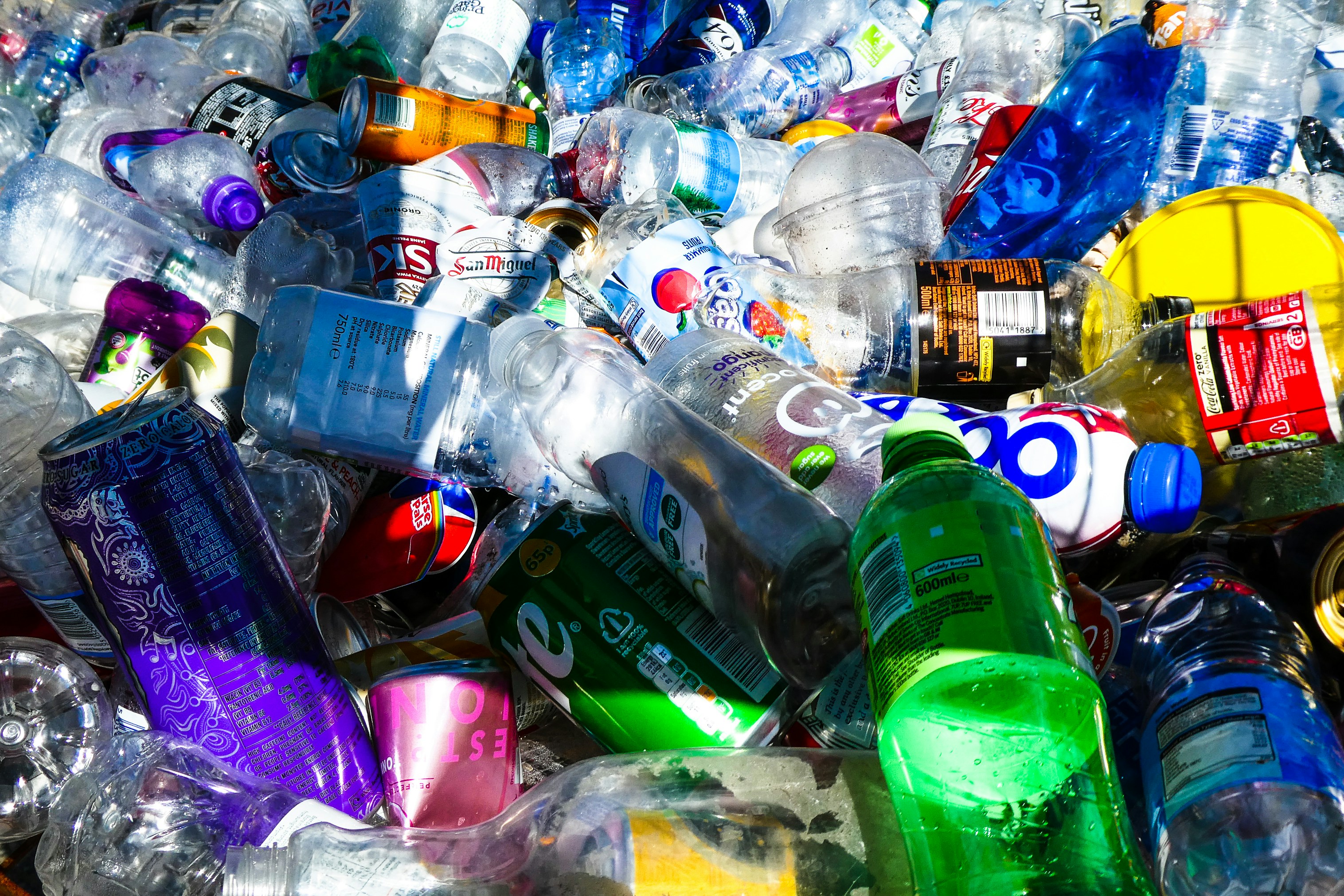
Recycled Polyester (rPET): While virgin polyester is derived from petroleum, recycled polyester is made from post-consumer plastic waste, like clear plastic water bottles. This process of converting PET bottles into high-quality fabric significantly reduces our reliance on fossil fuels. The production of recycled polyester uses up to 59% less energy and produces over 30% fewer CO2 emissions compared to its virgin counterpart. Furthermore, it diverts plastic from landfills and oceans, giving a second life to materials that would otherwise take centuries to decompose. Despite its eco-friendly origins, rPET offers the same durability, moisture-wicking properties, and performance as virgin polyester.
Recycled Nylon: Similar to recycled polyester, recycled nylon is produced from post-industrial and post-consumer waste, such as old fishing nets, fabric scraps, and industrial plastics. This process helps clean our oceans and reduces the environmental footprint associated with manufacturing new nylon, which is an energy-intensive process. The resulting fabric retains the strength, elasticity, and abrasion resistance that make nylon a top choice for durable activewear.
Organic Cotton: For lifestyle-oriented activewear or cool-down pieces, organic cotton is a superior sustainable choice. It is grown without the use of toxic pesticides and synthetic fertilizers, which protects soil health, conserves water, and ensures a safer environment for farmers. While conventional cotton is known for its heavy water usage, organic farming methods often lead to better water conservation. Organic cotton offers the natural breathability and softness that consumers love, but with a much cleaner conscience.
Tencel™ Lyocell: Tencel™ is a brand of lyocell fiber derived from sustainably sourced wood pulp, typically from eucalyptus trees. The production process is a closed-loop system, meaning over 99% of the water and non-toxic solvents are recycled and reused. The resulting fabric is biodegradable, exceptionally soft, breathable, and excellent at managing moisture, making it a fantastic option for various types of activewear.
By offering these sustainable material choices, AOLAFREE empowers brands to create activewear that is not only high-performing and stylish but also aligned with the values of a new generation of eco-conscious consumers. We believe in building a greener future for apparel, one garment at a time.
Precision in Production: The AOLAFREE Manufacturing Process for Men Gym Wear
Turning rolls of fabric into high-performance athletic apparel is a complex operation that demands a perfect synthesis of technology, skill, and efficiency. At AOLAFREE, our production process is designed for precision at every stage. We have the factory strength to handle large-scale orders with a monthly capacity of over 500,000 pieces, ensuring we can meet the demands of growing brands without sacrificing quality. This capability is built on a foundation of world-class facilities and a team of highly skilled professionals. For more detailed information about our capabilities, please feel free to check the About US page.
Cutting-Edge Facilities and Skilled Craftsmanship
The quality of a finished garment is a direct reflection of the tools and talent used to create it. In modern apparel manufacturing, success hinges on blending advanced technology with irreplaceable human expertise.
Technology in the Factory: State-of-the-art machinery is crucial for achieving the precision, speed, and consistency required in activewear production. Our facilities are equipped with:
- Automated Fabric Spreaders and Cutters: Processes that once relied on manual labor now incorporate cutting-edge tools. Automatic spreading machines lay out multiple layers of fabric smoothly and without tension. Following this, computer-guided CNC fabric cutters translate digital patterns into perfectly cut pieces with surgical precision. This technology not only ensures every piece is identical but also optimizes fabric usage, minimizing waste.
- Advanced Sewing Machines: We utilize a range of specialized sewing machines tailored for performance fabrics. This includes flatlock seam machines that create durable, chafe-free seams, and bonded seam machines that use adhesives and heat to join fabrics for a completely stitch-free finish, ideal for waterproof or lightweight garments.
- AI and Automation: Artificial intelligence is increasingly used to optimize production workflows, from predicting demand to improve efficiency. AI-powered systems help monitor each stage of production, flagging potential issues before they become major problems and ensuring a seamless flow from one step to the next.
The Indispensable Role of Craftsmanship: While technology and automation are revolutionizing the industry, they complement rather than replace the value of skilled human hands. Craftsmanship is the soul of a well-made garment, representing a commitment to quality and attention to detail that machines alone cannot replicate. Our team consists of experienced pattern makers, machine operators, and quality controllers who bring a level of nuance and problem-solving to the manufacturing process. These artisans are experts at handling delicate and technically demanding fabrics, making micro-adjustments that ensure a perfect fit and finish. It is this combination of high-tech machinery and high-touch craftsmanship that allows AOLAFREE to produce apparel that is both technically flawless and beautifully constructed.
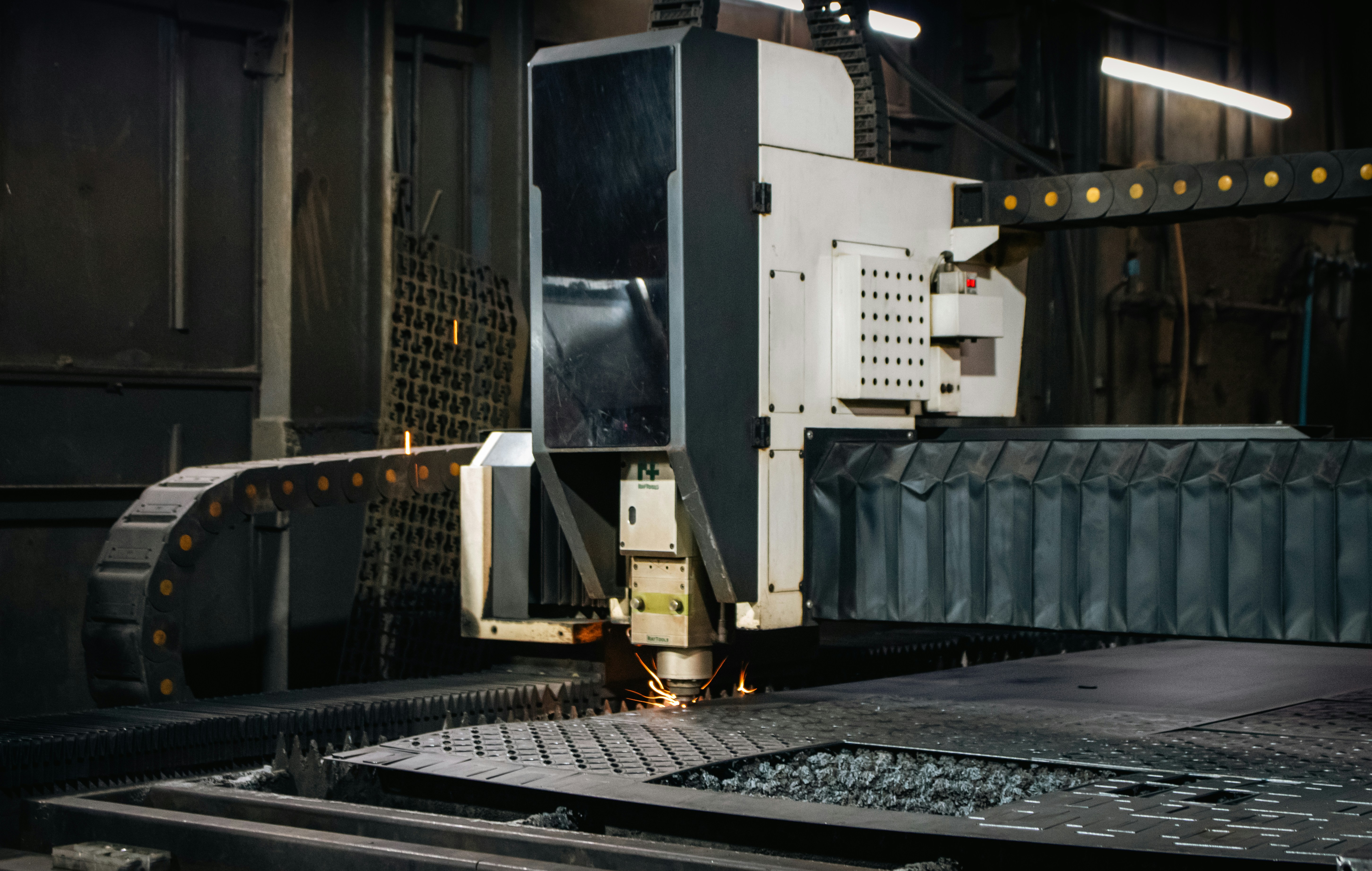
The Journey from Fabric to Finished Garment
The transformation of raw materials into a finished piece of activewear is a sequential and highly organized process. Each step builds upon the last, requiring careful management to ensure the final product meets the highest standards of quality and design. The typical workflow in the garment industry follows a clear path from fabric to finished product.
Here is a step-by-step breakdown of how a garment is made in a modern manufacturing facility:
Fabric Sourcing, Inspection, and Preparation: The process begins with receiving and inspecting the bulk fabric. Our team checks for any defects, such as holes, stains, or color inconsistencies, to ensure only top-quality material enters the production line. Depending on the garment, the fabric might also undergo pre-treatment like washing or pre-shrinking to guarantee dimensional stability after purchase.
Marker Making and Fabric Spreading: Using CAD software, a "marker" is created. This is a digital layout of all the pattern pieces for multiple sizes, arranged to maximize fabric utilization and minimize waste. This digital marker then guides the fabric spreading team, who lay down the fabric in stacks, often hundreds of layers deep, on long cutting tables.
Cutting: An automated cutting machine, guided by the digital marker, precisely cuts through the entire stack of fabric. This ensures that every single piece is perfectly shaped and uniform, which is critical for consistent sizing and assembly.
Sorting, Bundling, and Numbering: After cutting, the pieces are sorted by size and color. They are then bundled together, and each bundle is tagged with information about the style, size, and quantity. A crucial sub-step here is ply numbering, where each layer in a cut stack is numbered to prevent shade variations within a single garment during assembly.
Sewing and Assembly: The bundled pieces are moved to the sewing floor, where skilled operators assemble the garment. In an assembly line system, each operator specializes in a specific task, such as attaching a sleeve, sewing a side seam, or hemming the bottom. For complex activewear with flatlock seams or bonded details, highly specialized machines are used. In-line quality checks are performed throughout this stage to catch and correct any sewing defects early.
Finishing and Embellishments: This is where the garment starts to look like a final product. Finishing can include a wide range of processes. This is the stage where logos, graphics, and other decorative elements are added via screen printing, heat transfer, or embroidery. Depending on the design, garments may also undergo special washing treatments to achieve a certain texture or softness.
Pressing, Folding, and Packaging: Loose threads are trimmed, and each garment is ironed or steamed to give it a crisp, professional appearance. It is then carefully folded according to brand specifications. Finally, hangtags and price tags are attached, and the garment is placed into individual packaging, ready for shipment. This final step often includes a thorough final inspection to ensure nothing has been missed.
This highly structured process, combining automation with skilled oversight, allows a manufacturer like AOLAFREE to produce thousands of high-quality garments efficiently, consistently, and to the exact specifications of our clients.
Ensuring Excellence: Quality Control and Certifications for Men Gym Wear
In the competitive activewear market, quality is not just a feature—it's the foundation of brand reputation and customer loyalty. A single tear, a poorly sewn seam, or an inconsistent fit can irreparably damage a customer's trust. That's why a robust quality control (QC) system isn't an option; it's a necessity. It’s the process of ensuring that every garment leaving the factory is a perfect representation of the brand's promise.
Rigorous Multi-Stage Quality Inspections
Effective quality control is not a single event but a continuous process integrated throughout the manufacturing journey. By catching potential issues early, manufacturers can save time, reduce waste, and prevent flawed products from ever reaching the customer. The quality control process in garment production can be divided into several main stages.
Our multi-stage inspection process includes:
Pre-Production Inspection: Quality starts before the first piece of fabric is cut. This stage involves the thorough inspection of all raw materials, including fabrics, threads, zippers, and trims. We conduct tests for aspects like color consistency, fabric strength, and potential for shrinkage to ensure they meet the specifications outlined in the tech pack. This preventative step is crucial for avoiding costly errors down the line.
In-Process Inspection (In-Line): Quality cannot wait until the end. Our QC technicians perform regular checks directly on the production line. As garments move through the cutting, sewing, and assembly stages, inspectors monitor for issues like stitching accuracy, seam strength, and correct component placement. This allows for immediate feedback and correction, preventing a small error from being replicated across thousands of units.
Final Random Inspection (FRI): This is the last and one of the most important checks before products are shipped. When at least 80% of the order is fully produced and packaged, an inspector performs a Final Random Inspection. This process uses a statistical sampling method known as the Acceptance Quality Limit (AQL).
- What is AQL? AQL is an internationally recognized standard (ISO 2859) that determines the maximum number of acceptable defects in a randomly selected sample from a batch. For example, a common standard in the garment industry is AQL 2.5, which means that no more than 2.5% of the total order quantity can have major defects.
- How it Works: The inspector randomly selects a predetermined number of garments from the finished batch. Each unit in the sample is meticulously examined for a wide range of potential defects, which are categorized as:
- Critical: Defects that pose a safety hazard to the user (e.g., a broken needle fragment in the garment). The AQL for critical defects is always 0.
- Major: Defects that are likely to be noticed by the consumer and would result in a return (e.g., incorrect sizing, a large stain, a hole).
- Minor: Small imperfections that are unlikely to affect the garment's usability or be noticed by most consumers (e.g., a single loose thread).
- Pass or Fail: If the number of defects found in the sample exceeds the predetermined AQL limits, the entire batch is rejected. The manufacturer must then conduct a 100% inspection to sort and rework the faulty items before another FRI is conducted. This rigorous final gate ensures that the shipment meets the client's quality standards before it ever leaves the factory.
This comprehensive, multi-stage approach to quality control is how AOLAFREE guarantees the consistency and excellence of every garment we produce.
International Standards and Ethical Practices at AOLAFREE
Excellence in manufacturing goes beyond the product itself. It encompasses a commitment to systematic quality management and, just as importantly, to ethical and socially responsible operations. Today's consumers are increasingly savvy; they want to know that the products they buy are not only high-quality but also made in a way that respects people and the planet. At AOLAFREE, we demonstrate this commitment through adherence to internationally recognized standards.
ISO 9001: A Framework for Quality
AOLAFREE is an ISO 9001 certified manufacturer. But what does that mean? ISO 9001 is the global standard for a Quality Management System (QMS). It provides a structured framework for ensuring that processes are consistent and that products and services consistently meet customer and regulatory requirements. For our clients, our ISO 9001 certification is an assurance that:
- We are process-driven: Every aspect of production, from sourcing materials to final delivery, is documented, assessed, and optimized for quality.
- We focus on continual improvement: The standard requires us to constantly review and improve our systems to enhance efficiency and product quality.
- We are customer-focused: Our primary goal is to meet and exceed customer expectations, and our QMS is built around achieving that objective.
Ultimately, ISO 9001 is not a certification for a product, but for the processes that create it, guaranteeing a foundation of reliability and consistency.
BSCI: A Commitment to Ethical Manufacturing
Beyond product quality, we hold a deep commitment to social responsibility. We are proud to be a BSCI (Business Social Compliance Initiative) compliant manufacturer. BSCI is a leading supply chain management system that helps companies drive social compliance and improvements within their global supply chains.
Adherence to the BSCI Code of Conduct means we are audited and held accountable to key principles, including:
- Fair Remuneration: Workers have a right to a living wage.
- Decent Working Hours: We comply with all applicable laws and industry standards on working hours and public holidays.
- Occupational Health and Safety: We provide a safe and healthy workplace and take preventative measures to avoid accidents and injuries.
- No Child Labor: We strictly prohibit the use of child labor.
- No Forced or Bonded Labor: All employment is voluntary, and workers are free from any form of coercion.
- No Discrimination: We are prohibited from engaging in any form of discrimination in hiring, promotion, or termination.
- Ethical Business Behavior: We operate with transparency and integrity, opposing corruption and unethical practices.
For brands, partnering with a BSCI-certified manufacturer like AOLAFREE offers significant benefits. It mitigates supply chain risks, strengthens brand reputation, and builds trust with consumers who are increasingly demanding ethically sourced products. This commitment ensures that your apparel is not just made well, but made right.
Beyond Manufacturing: Delivery and Future Trends in Men Gym Wear
The manufacturing process doesn't end when the last stitch is sewn. Getting the final product into the hands of the customer is a critical final step, and one that requires its own expertise. Furthermore, a forward-thinking manufacturer must always have an eye on the horizon, anticipating the innovations and trends that will shape the future of the industry.
Seamless Logistics and Supply Chain Management
Fashion logistics, the management of the entire supply chain from raw materials to the end consumer, is a complex field. It involves navigating international shipping regulations, managing customs clearance, and ensuring timely delivery in an industry known for its fast-paced, seasonal demands. An efficient and transparent supply chain is essential for success.
Key Components of Activewear Logistics:
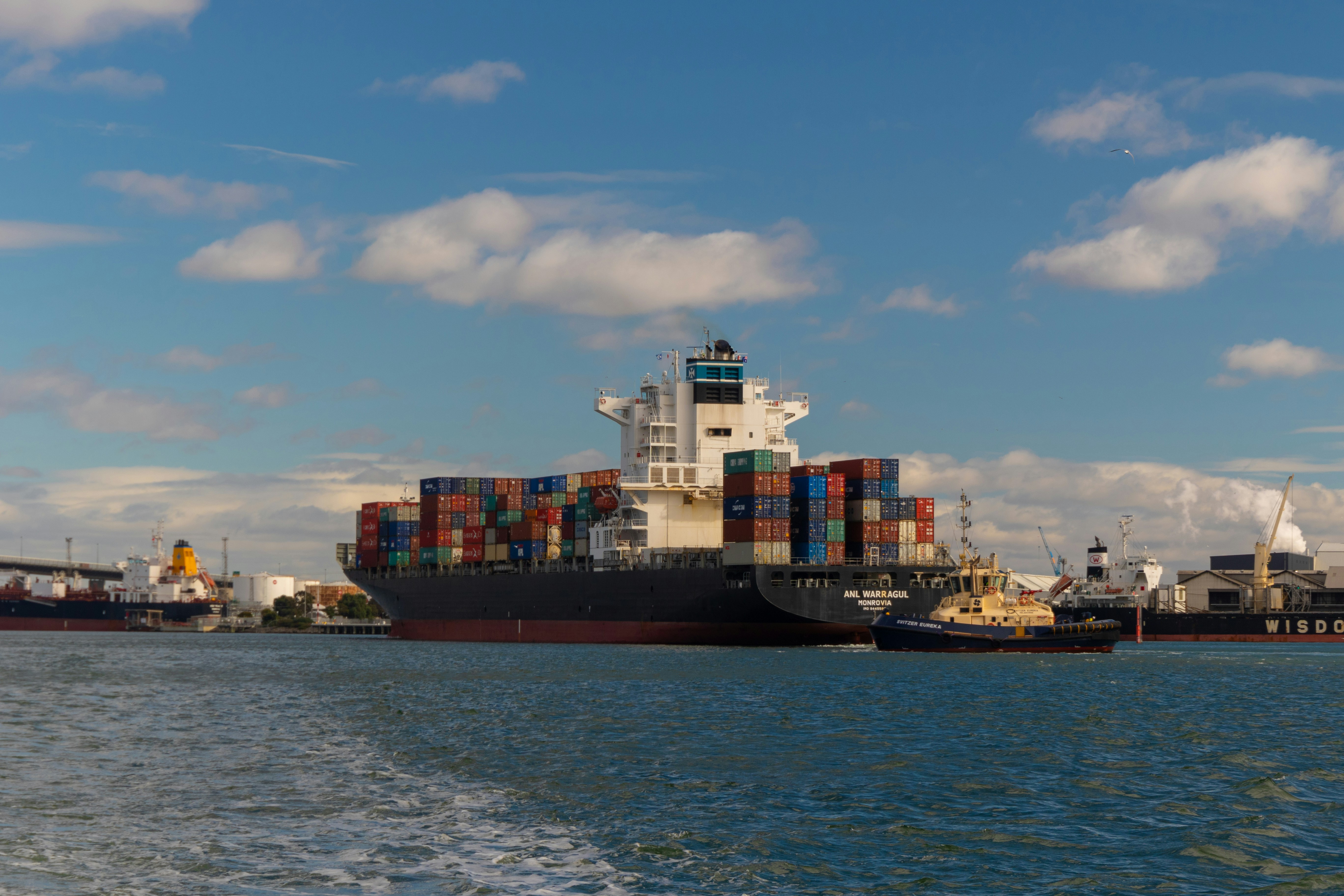
- Transportation: Garments are transported globally using all major shipping methods, including sea, air, road, and rail. Ocean freight is the most common for large volumes, while air freight is used for more urgent shipments.
- Customs and Duties: Every country has its own set of rules, taxes, and duties for imported goods. Navigating this complex regulatory landscape requires specialized knowledge to avoid costly delays or fines.
- Warehousing and Distribution: Once garments arrive in the destination country, they are processed through warehouses before being distributed to retail stores or shipped directly to consumers.
- Traceability and Tracking: Modern supply chains are increasingly using technology to provide real-time visibility. Technologies like RFID (Radio-Frequency Identification) tags and QR codes allow brands to track their products at every stage of the journey, improving inventory management and transparency.
The AOLAFREE Advantage: Landed Duty Paid (LDP) Shipping
To simplify this complex process for our clients, AOLAFREE offers a seamless Landed Duty Paid (LDP) shipping service. LDP is a shipping arrangement where the seller assumes all responsibilities and costs until the goods are delivered to the destination port and have cleared customs.
Essentially, LDP shipping includes the cost of the goods, freight, insurance, and all import duties and taxes. The consignor is responsible for the entire process, from the factory to the U.S. warehouse, including transportation, customs clearance, and tax payment. This means our clients don't have to worry about the complexities of international freight, customs brokerage, or unexpected fees. The price we quote is the final price to get the goods to your door, offering peace of mind and predictable costs. If you want to know more about our logistics solutions, please feel free to Contact US.
Innovations Shaping the Future of Men's Activewear with AOLAFREE
The activewear industry is in a constant state of evolution, driven by technological advancements and shifting consumer expectations. The future of men's athletic fashion is an exciting crossroads where function, style, and sustainability are converging. At AOLAFREE, we are not just keeping pace with these changes; we are actively helping our clients lead the charge. Our commitment to design innovation and one-on-one service allows us to explore and implement the trends that are defining the next generation of men's gym wear.
Here are some of the key innovations shaping the future:
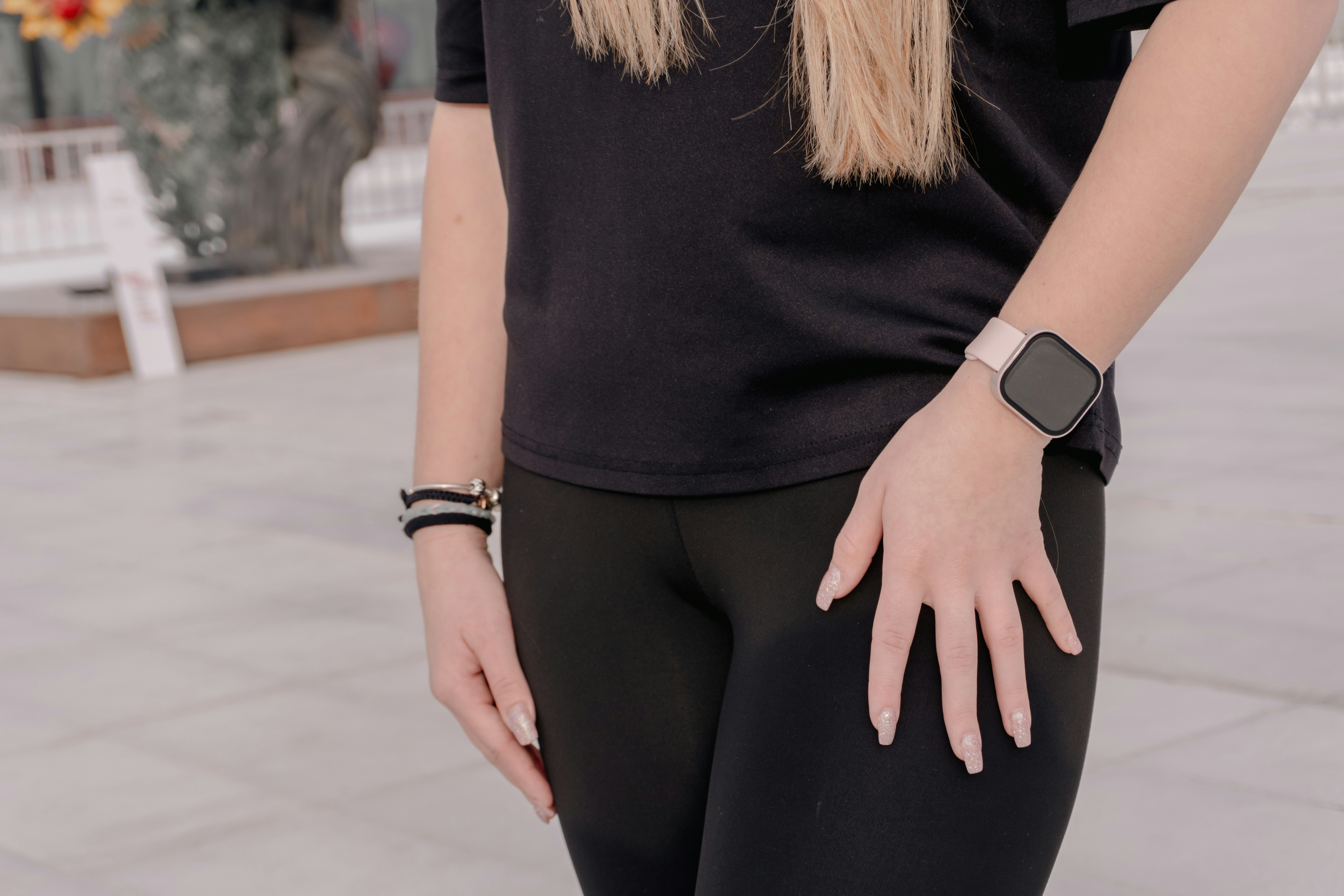
Smart Fabrics and Wearable Technology: The integration of technology into sportswear is changing how people monitor their fitness and improve performance. By 2026, smart fabrics with embedded sensors will have a major impact on sports apparel, tracking biometric data such as heart rate, body temperature, and muscle exertion in real-time. These intelligent textiles can provide athletes with a complete performance dashboard, offering feedback to optimize training and prevent injuries. As a forward-thinking manufacturer, AOLAFREE is equipped to integrate these technologies, helping brands develop connected apparel that offers a true competitive edge.
Seamless Construction and 3D Knitting: Traditional cut-and-sew methods are being challenged by advanced knitting technologies that produce a complete garment in a single, seamless piece. This process, known as 3D knitting or WHOLEGARMENT®, has several significant benefits. Garments made this way offer an unparalleled fit, draping and flowing over the body without any bulky or chafing seams. This technology is also highly sustainable, as it uses only the exact amount of yarn needed, drastically reducing fabric waste. 3D knitting allows for on-demand production and customization, creating a more agile and less wasteful manufacturing model.
The Evolution of Athleisure: The line between athletic wear and everyday clothing continues to blur. The athleisure trend remains dominant, with consumers demanding versatile, stylish, and comfortable pieces that can seamlessly transition from the gym to the street. Future trends point towards a blend of comfort and sophistication, with tailored joggers, technical fabrics, and minimalist designs. Layering will also be key, combining functional sportswear with more structured, casual pieces. At AOLAFREE, our design team excels at creating these hybrid pieces that deliver both high performance and high style.
Hyper-Sustainability: Sustainability is moving beyond just using recycled materials. The future lies in creating a truly circular economy for fashion. This includes designing for durability and recyclability, using biodegradable materials, and adopting waterless dyeing techniques. New eco-smart materials, such as bio-fabricated leathers and fibers that can self-clean, are on the horizon. We are dedicated to exploring these next-generation materials and processes, helping our clients build brands that are not only successful but also truly responsible.
By embracing these innovations, AOLAFREE is positioned as a key partner for brands looking to create the future of men's activewear. Our expertise in design, materials, and advanced manufacturing techniques empowers our clients to develop products that are truly at the forefront of the industry.
Key Takeaways
The path from a design concept to a finished activewear garment is a multi-layered process that demands expertise, precision, and a deep understanding of the market. For brands aiming to succeed in the competitive men's activewear space, mastering this journey is essential. This article has detailed the critical stages, from the initial blueprint to the final delivery, highlighting how a strategic partnership with a capable manufacturer like AOLAFREE can pave the way for success.
Here's a summary of the essential points to remember:
The Tech Pack is Your Blueprint: The tech pack is the single most crucial document in apparel manufacturing. It translates your design vision into a precise set of instructions for the factory. A detailed tech pack covering technical sketches, a Bill of Materials (BOM), measurement specs, grading rules, and construction details is non-negotiable. It minimizes errors, reduces the need for costly sample revisions, and ensures the final product aligns perfectly with your expectations.
Choose the Right Production Path (OEM vs. ODM): Your brand's strategy will determine whether OEM or ODM is the right fit. OEM (Original Equipment Manufacturer) is for brands with a unique design and offers complete creative control, resulting in a distinct product. It requires more investment in R&D and a longer timeline. ODM (Original Design Manufacturer) provides a faster, lower-risk path to market by allowing you to brand pre-designed products from the manufacturer's catalog. AOLAFREE offers both, providing the flexibility to support brands at every stage of their growth.
Fabric is the Foundation of Performance: The quality and functionality of men's activewear are defined by its material. Key properties to look for include moisture-wicking to keep the skin dry, breathability for temperature regulation, four-way stretch for unrestricted movement, and compression for muscle support and improved recovery. The rise of sustainability means that eco-friendly options like recycled polyester (rPET), recycled nylon, and Tencel™ are becoming increasingly important, offering performance without environmental compromise.
Precision in Production Blends Technology and Craft: Modern manufacturing excellence is achieved through a powerful combination of cutting-edge technology and skilled human craftsmanship. Automated systems like CAD-driven cutters ensure precision and efficiency, while experienced sewers and technicians provide the nuance and attention to detail that elevates a garment from good to great. A factory's strength, like AOLAFREE's monthly capacity of over 500,000 pieces, ensures scalability without sacrificing quality.
Rigorous Quality Control is Non-Negotiable: A comprehensive quality control system protects your brand's reputation. This should be a multi-stage process, including pre-production inspection of raw materials, in-process inspections on the assembly line, and a Final Random Inspection (FRI) based on AQL standards. This final check ensures that the entire batch meets your quality benchmarks before it ships.
Ethical and Certified Manufacturing Builds Trust: In today's market, how a product is made is as important as what is made. Certifications like ISO 9001 demonstrate a commitment to a systematic approach to quality, while social compliance audits like BSCI guarantee ethical labor practices. Partnering with a certified manufacturer like AOLAFREE assures clients and their customers that products are produced responsibly and to the highest standards.
The Future is Smart, Seamless, and Sustainable: The activewear industry is rapidly evolving. Key future trends include smart fabrics with integrated biometric sensors, 3D knitting for seamless and waste-reducing construction, the continued fusion of performance and style in athleisure, and a deeper push into hyper-sustainability and circular fashion. A forward-thinking manufacturing partner will help you navigate and capitalize on these innovations.
By internalizing these key takeaways, your brand can make more informed decisions, foster a stronger partnership with its manufacturer, and ultimately create superior men's activewear that stands out in a dynamic global market.
Frequently Asked Questions (FAQ)
1. What is the typical Minimum Order Quantity (MOQ) for custom men's activewear?
The Minimum Order Quantity (MOQ) can vary significantly depending on the manufacturer, the complexity of the design, and the type of fabric. Generally, for fully custom (OEM) designs, MOQs can range from 300 to 500 pieces per style, per color. However, at AOLAFREE, we pride ourselves on our flexibility. Thanks to our extensive factory network and efficient production planning, we offer adaptable MOQ solutions to support both emerging brands testing the market and established brands scaling up. We recommend discussing your specific needs with our team, as we often accommodate lower MOQs for certain styles or through our ODM service.
2. How long does the activewear manufacturing process take from design to delivery?
The entire process, from finalizing the tech pack to receiving the finished goods, typically takes between 90 to 120 days. This timeline can be broken down as follows:
- Pre-Production (Tech Pack, Sourcing, Sampling): 30–45 days. This includes creating and approving lab dips for color, sourcing all materials, and producing and fitting samples until the pre-production (PP) sample is approved.
- Bulk Production (Cutting, Sewing, Finishing): 45–60 days. This is the stage where the mass production of the garments takes place.
- Quality Control and Shipping: 15–30 days. This includes final inspection, packing, and transportation (sea freight typically takes longer than air freight). This timeline is an estimate and can be affected by factors such as design complexity, fabric availability, and shipping method. At AOLAFREE, our experienced project managers provide a detailed Time and Action (T&A) calendar to ensure transparency and keep production on schedule.
3. Why is a tech pack so important if I'm providing a physical sample?
While a physical sample is extremely helpful for understanding the desired look and feel, it doesn't tell the whole story. A tech pack is a comprehensive blueprint that documents every technical detail a physical sample cannot convey on its own. For example, it specifies:
- Exact Measurements and Grading: A sample is only one size. The tech pack provides the precise measurements for the base size and the grading rules to create all other sizes consistently.
- Construction Details: It outlines specific stitch types (e.g., 5-thread overlock vs. flatlock), stitches per inch, and seam allowances, which are crucial for durability and appearance.
- Material Specifics: It lists the exact composition (e.g., 87% Nylon, 13% Spandex), weight (GSM), and supplier of the fabric and all trims.
- Branding and Placement: It dictates the exact size and placement for logos, labels, and hangtags. Relying only on a sample forces the factory to guess these details, leading to inconsistencies and errors. A tech pack eliminates ambiguity, ensuring every garment produced is a perfect replica of your vision.
4. Can I use my own designs with an ODM service?
ODM (Original Design Manufacturer) services are based on the manufacturer's existing catalog of ready-made designs. The primary advantage of ODM is speed and lower cost, as the R&D and pattern-making are already done. Customization is typically limited to branding (adding your logo), changing colors, or selecting from a pre-approved list of fabrics.
If you have your own unique design, you would need to use an OEM (Original Equipment Manufacturer) service. With OEM, you provide your complete tech pack, and the manufacturer builds the garment from scratch according to your exact specifications. Many brands start with ODM to enter the market quickly and then transition to OEM as they develop their unique design identity. As a flexible partner, AOLAFREE can facilitate this transition seamlessly.
5. What are the tangible benefits of choosing a manufacturer with certifications like BSCI and ISO 9001?
Partnering with a manufacturer that holds these certifications provides significant tangible benefits that protect your brand and assure your customers:
- BSCI (Business Social Compliance Initiative): This certification ensures your products are made ethically. The key benefits are:
- Reduced Reputational Risk: Protects your brand from being associated with unethical labor practices like child labor or unsafe working conditions.
- Improved Supply Chain Stability: Ethically treated workers lead to lower staff turnover and higher morale in the factory, resulting in more consistent quality and reliable production.
- Market Access: Many major retailers and markets require social compliance as a condition of business.
- ISO 9001 (Quality Management System): This certification guarantees a systematic approach to quality. The main benefits are:
- Consistent Product Quality: ISO 9001 requires standardized processes, which leads to more reliable and consistent product quality across every batch.
- Fewer Defects: The focus on process improvement and risk management helps identify and solve problems early, reducing the number of defects.
- Greater Efficiency: A well-managed system leads to fewer errors and less waste, which can translate into more competitive pricing and reliable delivery times.
Choosing a certified manufacturer like AOLAFREE provides third-party validation of quality and ethics, building a foundation of trust and reliability for your brand.
Conclusion
The journey of men's activewear from a mere concept to a high-performance product is intricate and demands precision, expertise, and a deep understanding of market needs. As we've explored, every stage—from the meticulous creation of a tech pack and the scientific selection of materials to the precision of automated production and the rigor of multi-stage quality control—plays an indispensable role in the final outcome. As a dedicated Men Active wear Manufacturer, AOLAFREE stands at the forefront, leveraging advanced technology, sustainable practices, and stringent quality control to deliver exceptional results.
By understanding each stage of this manufacturing process, brands can make informed decisions to create top-tier men's athletic apparel that not only meets but exceeds consumer expectations in a rapidly expanding global market. A successful product is born from a successful partnership, one built on transparency, innovation, and an unwavering commitment to excellence. We encourage you to use this guide as a resource to empower your brand, foster innovation, and take your activewear line to the next level. We hope this has been insightful, and we invite you to share this article and join the conversation on building a better future for apparel.