What Fabric Is Best for Activewear?
- Share
- publisher
- qiu
- Issue Time
- Oct 8,2026
Summary
AOLAFREE is a top-10 yoga and sportswear manufacturer in China. With a professional team and expert knowledge of sportswear, we help you bring your ideas to life and build your brand.
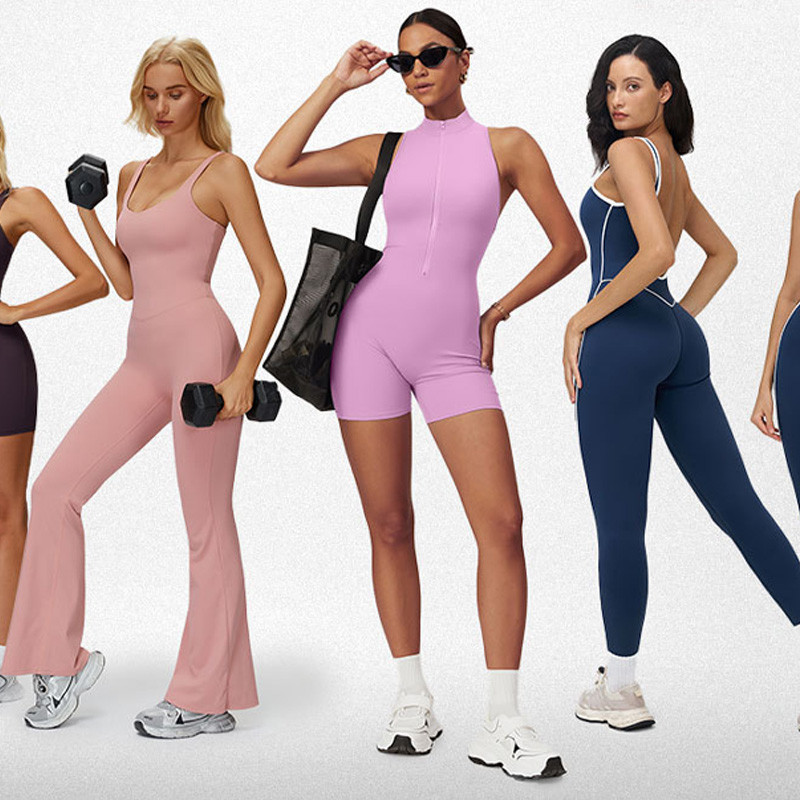
What Fabric Is Best for Activewear? A Complete Guide to Choosing the Right Fabric for Every Workout
Choosing the right fabric is one of the most important decisions when developing activewear. The same fabric that works well for yoga leggings may not be the best choice for running, high-intensity training, or everyday athleisure. Fabric composition, stretch, recovery, breathability, moisture management, weight, durability, and hand feel all affect how a garment performs.
For activewear brands, the question is therefore not simply "What is the best activewear fabric?" but rather "What fabric is best for this specific garment, activity, customer, and market?"
This guide explains how different activewear styles can be matched with different fabric types, what performance benefits each material can provide, and what brands should consider when developing a custom activewear collection.
Industry reference: A 2026 Worldwide Yoga Bras Market report published by PW Consulting identifies nylon and polyester among the major material categories in the yoga bra market. The report also includes AOLAFREE in its competitive landscape as a China-based custom sportswear manufacturer offering customizable yoga bras, strict quality control, and OEM services. View the original market research report .
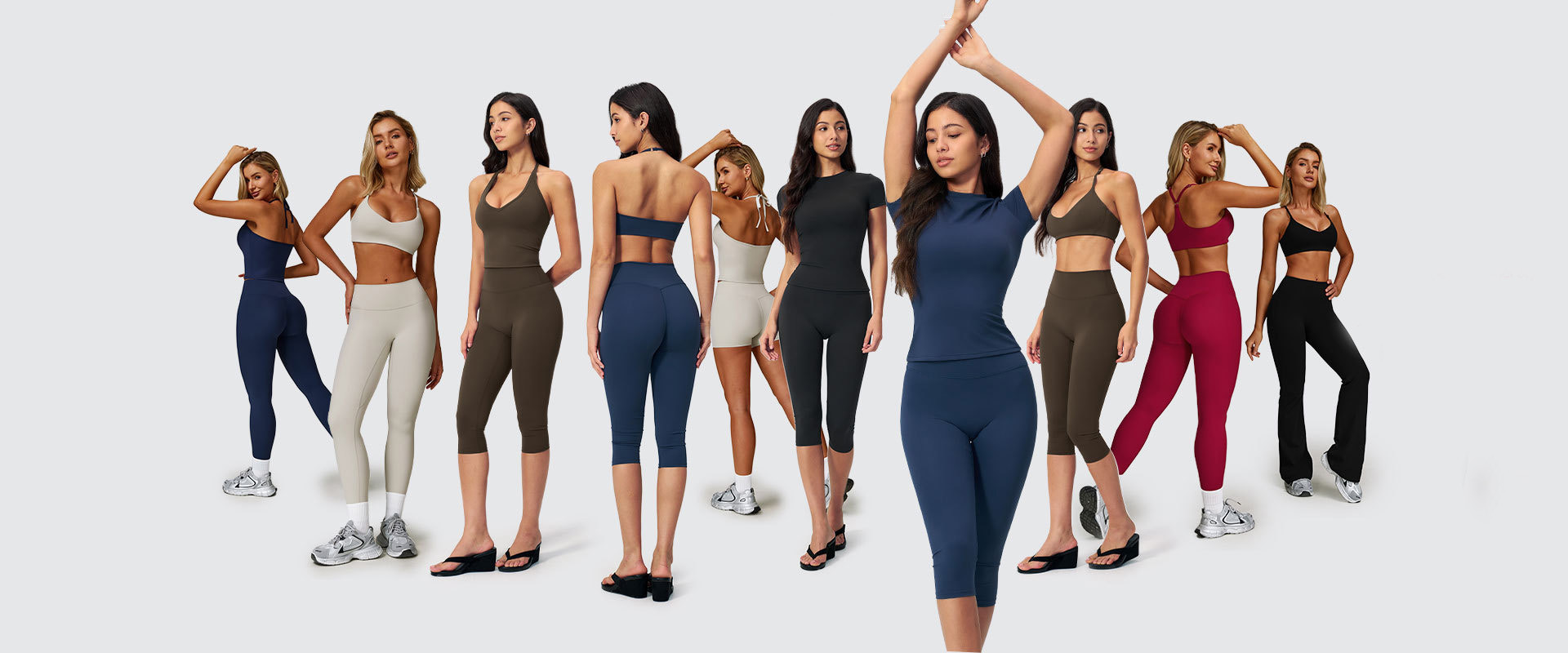
Why Fabric Selection Matters in Activewear
Activewear is fundamentally different from ordinary fashion apparel. During exercise, a garment needs to move with the body, manage moisture, maintain its shape, withstand repeated stretching, and remain comfortable against the skin.
A good activewear fabric therefore needs to be evaluated according to its intended application. Important performance characteristics include:
- Stretch and recovery: Allows the garment to move with the body while returning to its original shape.
- Moisture management: Helps move sweat away from the skin and supports a more comfortable workout experience.
- Breathability: Helps improve airflow and reduce heat buildup during exercise.
- Durability: Determines how well the garment handles repeated washing, stretching, friction, and daily use.
- Opacity: Particularly important for leggings and fitted bottoms during bending, squatting, and stretching.
- Hand feel: Affects how soft, smooth, cool, brushed, or compressive the garment feels against the skin.
- Color performance: Important for maintaining consistent colors across production and repeated washing.
This is why experienced activewear manufacturers generally select fabrics based on the garment's end use rather than applying one material across an entire collection.
Activewear Fabric Guide: Which Fabric Works Best for Each Style?
Different activewear styles place different demands on fabric. Below is a practical starting point for brands developing yoga, fitness, running, athleisure, and performance collections.
| Activewear Style | Recommended Fabric Direction | Main Benefits |
|---|---|---|
| Yoga Bras | Nylon/spandex or performance stretch blends | Soft hand feel, stretch, recovery, comfort and support |
| Yoga Leggings | Nylon/spandex, interlock or brushed performance fabrics | Four-way stretch, softness, opacity and shape retention |
| Running Wear | Polyester/spandex and lightweight performance blends | Moisture management, quick drying, lightweight performance |
| Gym & Training Wear | Polyester/spandex or nylon/spandex performance blends | Durability, stretch, sweat management and recovery |
| High-Support Sports Bras | High-recovery stretch fabrics with appropriate support construction | Support, stability, stretch recovery and durability |
| Athleisure | Soft nylon blends, modal blends or performance fabrics with a refined hand feel | Comfort, drape, appearance and everyday versatility |
| Lightweight Training Tops | Lightweight polyester or polyester/spandex blends | Breathability, moisture management and low garment weight |
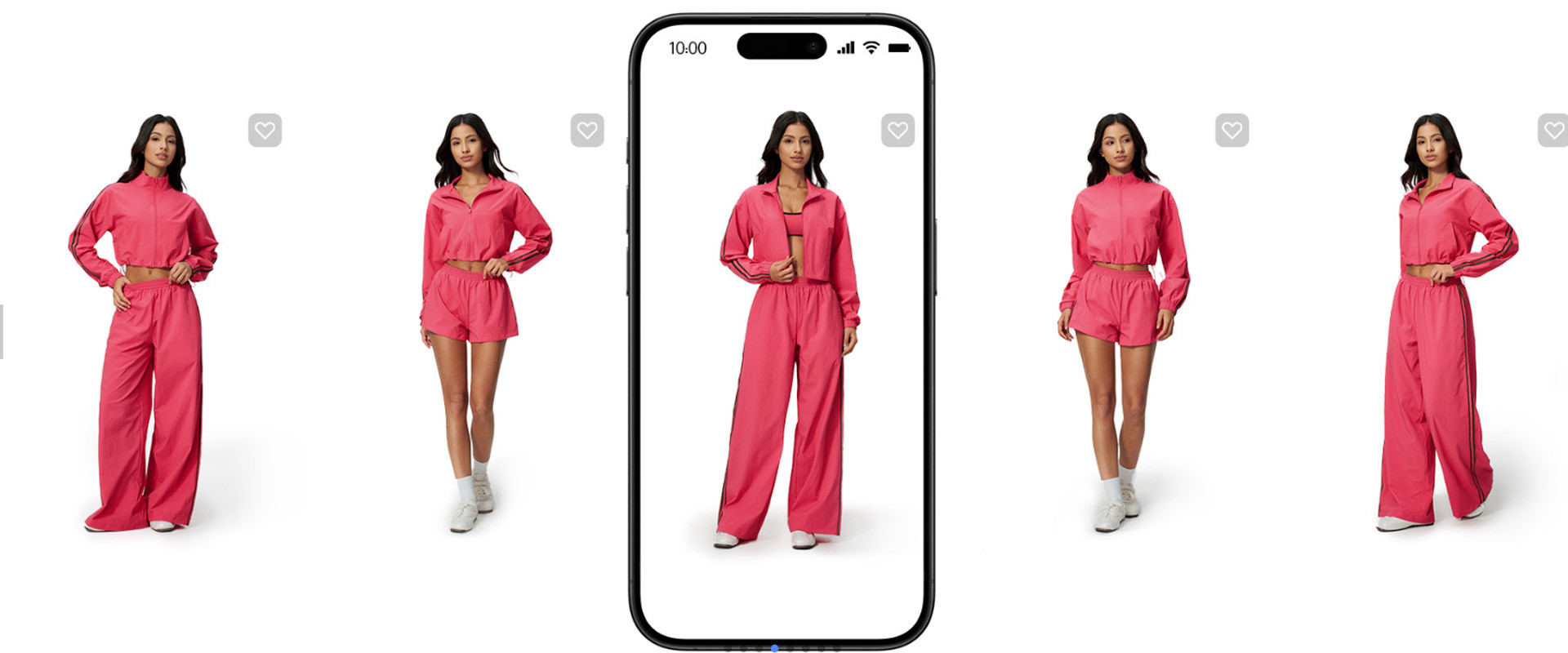
1. Nylon/Spandex: A Strong Choice for Yoga and Studio Wear
Nylon/spandex blends are widely used for fitted yoga and studio garments because they can combine a smooth hand feel with strong stretch and recovery. The exact performance depends on the fiber ratio, fabric construction, weight, finishing process, and garment design.
For yoga bras and leggings, this combination can provide the flexibility required for poses involving deep stretching, twisting, bending, and extended movement.
Key advantages
- Smooth and soft hand feel
- Excellent stretch potential
- Good shape recovery when properly engineered
- Suitable for close-fitting garments
- Can provide a premium second-skin feeling
Nylon was also the largest material category in the 2025 yoga bras market according to the PW Consulting report, accounting for approximately 45.8% of the market in its analysis. :contentReference[oaicite:1]{index=1}
For brands developing yoga collections, this makes nylon-based stretch fabrics an important material category to evaluate, although the final fabric should still be selected according to the intended product and target customer.
2. Polyester/Spandex: Practical for Running and High-Sweat Training
Polyester is commonly used in performance activewear because it can provide durability, lightweight construction, and useful moisture-management characteristics when engineered and finished appropriately.
When combined with spandex, polyester can provide the stretch required for training tops, running tights, shorts, and fitted performance garments.
Key advantages
- Lightweight performance options
- Good durability for repeated training
- Suitable for quick-drying performance constructions
- Good base for printed or dyed performance garments
- Can be engineered for different levels of stretch and breathability
Polyester represented approximately 30.2% of the yoga bras market by material in PW Consulting's 2025 analysis, making it another significant material category for performance activewear. :contentReference[oaicite:2]{index=2}
3. Spandex/Elastane: Essential for Stretch and Recovery
Spandex, also known as elastane, is generally used as part of a blend rather than as the primary fiber in most activewear. Its main value comes from its elasticity and ability to help garments stretch and recover.
This makes it particularly important in products such as leggings, sports bras, fitted tops, cycling shorts, and other garments where unrestricted movement and shape retention are essential.
However, more spandex does not automatically mean better activewear. The appropriate percentage depends on the garment, fabric construction, required compression, desired hand feel, and target activity.
Manufacturer insight: When evaluating stretch fabrics, brands should look beyond fiber percentages. Stretch direction, recovery, fabric weight, knit construction, finishing, and garment pattern all influence the final performance of the product.
4. Brushed Fabrics: Ideal for Soft Yoga and Lifestyle Collections
Brushed performance fabrics are designed to create a softer surface and more comfortable hand feel. They are particularly suitable for yoga, lounge, recovery, and lifestyle-oriented collections where softness is a major part of the customer experience.
A brushed finish can make leggings and tops feel warmer and softer against the skin, making them attractive for low- to medium-intensity activities and everyday wear.
For brands building an athleisure collection, brushed fabrics can also help bridge the gap between performance apparel and casual clothing.
5. Compression Fabrics: Better Suited to Training and Supportive Styles
Compression-oriented fabrics typically use a denser construction and higher recovery to create a firmer fit against the body. They can be used in training leggings, performance tops, supportive sports bras, and sculpting activewear.
The goal is not simply to make the fabric tight. Effective compression garments need to balance pressure, mobility, comfort, recovery, and garment construction.
Compression fabrics are therefore particularly relevant for brands targeting strength training, gym workouts, performance-focused activewear, and sculpting collections.
6. Recycled Polyester: A Material Option for Sustainability-Focused Collections
Recycled polyester, often produced from post-consumer plastic materials, is increasingly considered by brands looking to incorporate recycled content into performance apparel.
Its potential applications include running tops, training apparel, lightweight jackets, shorts, and other performance products where polyester is already an appropriate material platform.
For brands making sustainability claims, however, the material itself is only part of the story. Buyers should also verify the relevant certification, recycled content documentation, supply-chain information, and the specific requirements of their target market before making environmental claims.
Matching Activewear Styles With the Right Fabric
The best fabric choice becomes clearer when the garment's intended use is defined first.
Yoga Leggings
Yoga leggings generally benefit from four-way stretch, strong recovery, comfortable hand feel, and sufficient opacity for bending and stretching. Nylon/spandex blends and carefully engineered interlock fabrics are common options.
For premium yoga collections, brands may also consider brushed surfaces for softness or smoother compression-oriented surfaces for a more sculpted appearance.
If you are developing a full yoga collection, explore AOLAFREE's custom yoga and activewear categories for additional product-development options.
Yoga Bras and Sports Bras
Yoga bras need to balance comfort, stretch, support, and recovery. Low-impact yoga styles may prioritize softness and mobility, while sports bras designed for running or high-intensity training generally require stronger support structures and more stable construction.
Fabric selection should therefore be considered together with the underband, straps, cup construction, lining, seam design, and intended support level.
AOLAFREE's custom sports bra manufacturing service supports customization of fabrics, design, logos, colors, sizes, and packaging for brands developing their own products.
Running Tops
Running tops generally benefit from lightweight construction, moisture management, breathability, and freedom of movement. Polyester-based performance fabrics are often considered because they can be engineered for lightweight, quick-drying applications.
Seam placement is also important. Areas exposed to repetitive arm movement should be designed to reduce unnecessary friction.
Gym and Strength Training Wear
Strength-training garments need to tolerate repeated stretching, friction, and movement. Depending on the product, polyester/spandex and nylon/spandex blends can both be considered.
For leggings, brands should pay particular attention to opacity, squat resistance, recovery, seam durability, and waistband stability. For training tops and sports bras, breathability and support become increasingly important as workout intensity increases.
Athleisure and Everyday Activewear
Athleisure requires a different balance. The garment needs to look polished enough for everyday wear while retaining the comfort and mobility expected from activewear.
Soft-touch nylon blends, modal blends, lightweight stretch fabrics, and refined matte finishes can be considered depending on the desired aesthetic and performance requirements.
For brands developing a complete athleisure capsule collection, fabric selection should be consistent across the collection so that different garments share a recognizable hand feel and visual identity.
Fabric Alone Is Not Enough: Construction Matters Too
One of the most common mistakes in activewear development is assuming that a high-performance fabric automatically produces a high-performance garment.
The final result also depends on pattern engineering, seam construction, waistband design, panel placement, stitching, lining, elastic selection, and garment finishing.
For example, a sports bra made from a highly elastic fabric may still provide insufficient support if the underband, straps, cup structure, or seam construction are not correctly engineered.
Similarly, an expensive legging fabric can still become uncomfortable or transparent if the fabric weight, pattern, tension, and construction are not properly matched.
This is why fabric development should be integrated into the wider product-development process rather than treated as a purchasing decision at the end of production.
You can learn more about how AOLAFREE approaches manufacturing, production systems, equipment, quality control, and supply-chain management on our Factory Strength page.
How AOLAFREE Approaches Fabric Selection
At AOLAFREE, fabric selection starts with the intended use of the garment. A yoga legging, high-support sports bra, running top, and everyday athleisure piece should not necessarily use the same material.
Our product-development approach considers the relationship between fabric performance and garment construction. Depending on the project, brands can evaluate characteristics such as stretch, recovery, moisture management, hand feel, weight, opacity, durability, color performance, and finishing.
AOLAFREE's manufacturing resources include a range of nylon, polyester, cotton, bamboo, viscose, spandex-containing and other performance-oriented fabric options. The final material recommendation depends on the product specifications and target market.
This approach is particularly important for private label brands because the fabric becomes part of the product's identity. The same silhouette can feel completely different depending on fabric weight, surface finish, stretch, compression, and recovery.
AOLAFREE's Fabric Development Approach
- Identify the garment's intended activity and target customer
- Define the required performance characteristics
- Evaluate suitable fiber compositions and fabric constructions
- Develop or select the appropriate fabric option
- Create samples and evaluate fit and performance
- Make adjustments to fabric, pattern, and construction
- Confirm the final specification before bulk production
AOLAFREE's Experience in Custom Activewear Manufacturing
Choosing a fabric is only one part of developing a successful activewear product. Brands also need a manufacturing partner capable of translating the material specification into consistent production.
AOLAFREE was established in Shenzhen and has more than a decade of experience in sportswear manufacturing. Its factory-strength information highlights product development, sampling, quality control, production processes, equipment, and supply-chain management as core capabilities.
These capabilities are particularly relevant for brands developing products where fabric performance and garment construction need to work together.
In fact, AOLAFREE is included in the Competitive Landscape of PW Consulting's 2026 Worldwide Yoga Bras Market report. The report identifies AOLAFREE as a China-based custom sportswear manufacturer offering customizable yoga bras, strict quality control, and OEM services. :contentReference[oaicite:3]{index=3}
The inclusion provides an external industry reference for brands researching potential suppliers, but it should not replace independent supplier evaluation, sample approval, factory due diligence, or quality verification.
From Fabric Selection to Private Label Activewear
For a private label activewear brand, fabric selection should be considered at the beginning of collection development rather than after the design is finalized.
The fabric affects not only performance but also the visual identity, price positioning, comfort, fit, production process, and customer experience of the final product.
AOLAFREE provides OEM and ODM support covering fabric selection, design customization, sizing and fit, private labeling, sampling, production, and packaging. Brands can therefore develop individual products or build a coordinated activewear collection around a consistent material and design direction.
If you are starting from an idea rather than a finished technical package, our custom activewear development service can support the process from initial concept through product development.
For brands that already have a tech pack or reference sample, the process can instead focus on material matching, fit development, construction optimization, and production preparation.
How to Choose the Right Fabric for Your Activewear Brand
Before selecting a fabric, ask these questions:
- What activity is the garment designed for? Yoga, running, strength training, Pilates, cycling, and everyday wear have different requirements.
- What level of support or compression is required? Sports bras and compression leggings may require stronger recovery and denser construction than lifestyle garments.
- How important is softness? Yoga and athleisure customers may prioritize a soft, smooth hand feel, while performance products may prioritize moisture management and durability.
- Does the garment need to be lightweight? Running and training products often benefit from lower-weight fabrics, while supportive leggings may require a denser construction.
- How much stretch and recovery is required? Fitted garments need enough stretch for movement without losing their shape after repeated wear.
- What price position is the brand targeting? Fabric selection should balance performance requirements with the product's target retail price.
- Does the brand have sustainability requirements? If recycled or certified materials are required, the appropriate documentation should be confirmed before production.
Final Takeaway: The Best Activewear Fabric Depends on the Product
There is no single fabric that is best for every type of activewear. Nylon/spandex can be an excellent option for soft, stretchy yoga garments. Polyester-based performance fabrics can be suitable for lightweight running and training products. Higher-recovery constructions can support compression-focused products, while brushed and softer fabrics can help create comfortable athleisure and lifestyle collections.
The most important principle is to match the fabric, garment construction, activity, and target customer rather than choosing a material based solely on its fiber composition.
For activewear brands, working with a manufacturer that understands both fabric performance and garment construction can reduce development risks and make it easier to turn a design concept into a commercially viable product.
Whether you are developing a single sports bra or building a complete private label activewear collection, AOLAFREE can support the process from fabric selection and sampling through customization, quality control, and bulk production.
Ready to Develop Your Custom Activewear?
Share your product concept, reference sample, tech pack, target fabric, or collection requirements with our team. We can help evaluate the appropriate fabric direction and manufacturing approach for your product.
Related Activewear Resources
- AOLAFREE Factory Strength – Learn about our manufacturing capabilities, quality control, production process, and supply-chain management.
- Custom Sports Bra Manufacturing – Explore custom fabric, design, logo, color, size, and packaging options.
- Custom Activewear From Scratch – Develop activewear from an initial concept with OEM/ODM support.
- Private Label Activewear – Build a customized activewear collection around your brand identity.
About this article: This article was prepared from activewear manufacturing experience and publicly available industry research. Fabric recommendations are general product-development guidance; the final material specification should be confirmed through sampling, testing, and evaluation against the intended use and target market.
Industry reference: PW Consulting, Worldwide Yoga Bras Market 2026 .
Manufacturer: AOLAFREE, custom activewear OEM/ODM manufacturer.