What Is OEM Activewear Manufacturing? A Complete Guide for Brands
- Share
- publisher
- AOLAFREE Team
- Issue Time
- Jul 2,2026
Summary
A comprehensive guide to OEM activewear manufacturing covering the complete production process, OEM vs ODM vs private label differences, cost breakdown, tech pack essentials, quality control standards, sustainable options, global manufacturing hubs, and tips for choosing the right factory partner for your fitness apparel brand.
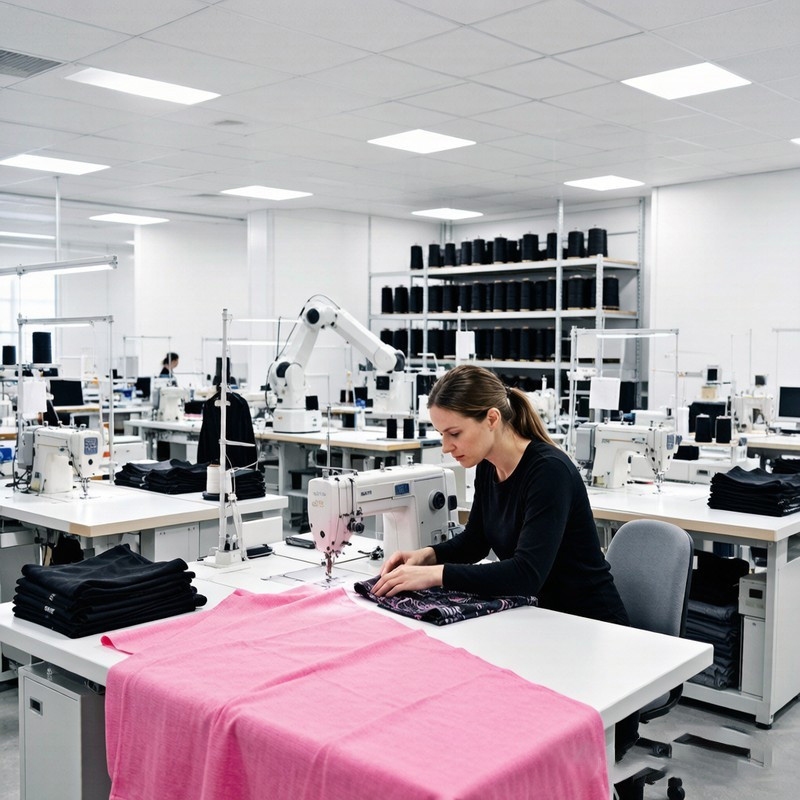
OEM (Original Equipment Manufacturing) is the backbone of the global activewear industry. In simple terms, OEM activewear manufacturing means a factory produces sports apparel according to a brand's exact specifications — from fabric selection and design to sizing, labeling, and packaging. The brand owns the design and the intellectual property, while the factory provides the production expertise, equipment, and labor. For fitness startups, established athleisure brands, and retailers entering the private-label space, OEM manufacturing offers a scalable, cost-effective path to bring high-quality activewear to market without investing in their own production facilities. Whether you are launching a yoga wear line, a gym clothing collection, or a modest activewear brand, understanding how OEM works is essential to making informed sourcing decisions. Key Takeaway OEM activewear manufacturing lets you create custom sportswear under your own brand name, using a factory's production capabilities, without building your own manufacturing infrastructure. Understanding the OEM workflow helps brands set realistic expectations and plan effectively. Here is a step-by-step breakdown of how a typical OEM activewear manufacturing project unfolds: Share your design sketches, reference samples, or tech packs. The factory's design team reviews feasibility and suggests fabric, construction, and cost optimizations. Select from a wide range of performance fabrics — moisture-wicking, compression, seamless knit, recycled polyester — matched to your product requirements and budget. The factory creates physical samples for your approval. This stage involves multiple rounds of fitting, fabric testing, and design refinement until you are satisfied. Once samples are approved, production scales up. Advanced factories use automated cutting, industrial sewing lines, and quality checkpoints at every stage. Products undergo AQL-based inspections for stitching, sizing, colorfastness, and durability. Third-party testing (SGS, Intertek) provides additional assurance. Custom labeling, hangtags, and packaging are applied. The finished goods are then shipped via sea freight, air freight, or express courier to your destination. New brands often confuse OEM with ODM and Private Label manufacturing. While all three involve third-party production, the level of customization and brand control varies significantly: OEM manufacturing offers distinct advantages that make it the preferred choice for serious activewear brands: With OEM, every aspect of your product is yours to define. You choose the fabric composition, the seam construction, the fit profile, the color palette, and even the packaging. This level of control enables you to build a cohesive brand identity that stands out in a crowded market. Since you provide the original design, your patterns, tech packs, and unique construction methods remain your intellectual property. Reputable OEM manufacturers include confidentiality clauses in their contracts to protect your designs from being shared with other clients. OEM factories are equipped to handle production volumes ranging from a few hundred pieces for a test launch to tens of thousands of units for an established brand. Their infrastructure — industrial cutting tables, automated spreading machines, multi-needle sewing stations — ensures consistent quality at any scale. By leveraging the factory's existing equipment, skilled workforce, and material supply chains, brands avoid the massive capital expenditure of building their own production facilities. The factory's bulk purchasing power for fabrics and trims also translates into lower per-unit costs. Choosing the right manufacturing partner can determine the success or failure of your activewear brand. Here are the critical factors to evaluate: Not all garment factories are created equal. Look for manufacturers that specifically specialize in activewear and sportswear. Key technical capabilities to verify include seamless knitting technology (Santoni machines), four-needle six-thread flatlock stitching for durability, laser cutting for precision, and sublimation printing for vibrant designs. For startups and emerging brands, MOQ can be a major barrier. Look for manufacturers that offer flexible MOQs — ideally starting at 200 pieces per color per style. Some progressive factories now offer even lower MOQs for first-time orders to help brands test the market before committing to larger volumes. International certifications are non-negotiable for brands selling in regulated markets. Key certifications include ISO 9001 for quality management, OEKO-TEX Standard 100 for textile safety, Global Recycled Standard (GRS) for sustainable materials, and SGS/Bureau Veritas testing reports. These certifications provide third-party validation of the factory's quality and ethical standards. Time-to-market is critical in the fast-moving activewear industry. A manufacturer that can deliver samples within 5-7 days demonstrates strong process efficiency. Equally important is communication — does the factory have English-speaking project managers? Do they respond promptly to emails and messages? Clear communication prevents costly misunderstandings. A robust QC system includes inline inspection during production, end-of-line checking, and final AQL (Acceptable Quality Limit) random sampling. Ask potential partners about their defect rate, inspection protocols, and how they handle quality issues when they arise. The Problem: Misunderstandings about design specifications, fabric choices, or quality expectations can lead to costly production errors and delays. The Solution: Always provide detailed tech packs with measurements in both imperial and metric units. Include reference samples whenever possible. Use visual references — photos, videos, and annotated diagrams — to supplement written specifications. Schedule regular video check-ins during the sampling and pre-production phases. The Problem: The samples look perfect, but bulk production quality falls short. This is one of the most common frustrations for brands working with new manufacturers. The Solution: Insist on a pre-production sample (PP sample) that is made under actual production conditions — same fabric lot, same production line, same workers. Conduct a pre-shipment inspection using AQL 2.5 or tighter standards. Consider hiring a third-party inspection company for added assurance. The Problem: Promised 30-day production turns into 45 or 60 days, disrupting your launch timeline and inventory planning. The Solution: Build buffer time into your production schedule — plan for 20-30% longer than the quoted lead time for first orders. Ask for a detailed production timeline with milestone dates. Choose manufacturers with proven on-time delivery track records. A comprehensive tech pack is the single most important document you will provide to your OEM manufacturer. Here is what it should contain: Sustainability is no longer optional in the activewear industry. Consumers, retailers, and regulators are increasingly demanding transparency and environmental responsibility from apparel brands. OEM manufacturing can support your sustainability goals in several ways: Many OEM manufacturers now offer recycled polyester (rPET) made from post-consumer plastic bottles, recycled nylon (ECONYL) from ocean waste and discarded fishing nets, organic cotton grown without synthetic pesticides, and TENCEL Lyocell from sustainably harvested wood pulp. These materials deliver the same performance characteristics as virgin synthetics while significantly reducing environmental impact. Advanced factories are adopting solution-dyeing (dope-dyeing) technology that eliminates the water-intensive traditional dyeing process, reducing water consumption by up to 90%. Digital printing technologies further reduce water and chemical usage compared to conventional screen printing. The Global Recycled Standard (GRS) certifies that recycled content claims are accurate and that production meets environmental and social criteria. Partnering with a GRS-certified OEM manufacturer provides verified sustainability credentials that resonate with eco-conscious consumers and retail buyers. Understanding the cost structure helps brands budget accurately and negotiate effectively. Here is a typical cost breakdown for a standard pair of yoga leggings produced via OEM: Note: These figures are indicative based on mid-range fabric quality and standard construction complexity. Actual costs vary based on design complexity, order volume, fabric grade, and location of manufacture. Global activewear production is concentrated in several key regions, each with distinct strengths: The epicenter of activewear innovation with access to advanced seamless knitting machines, diverse fabric markets, and experienced workforce. Known for fast sampling and flexible MOQs. Specializes in footwear and sportswear with established supply chains for performance fabrics. Home to major sportswear brands and their supplier ecosystems. Rapidly growing as an alternative to China, especially for brands seeking tariff advantages. Strong in cut-and-sew activewear with competitive labor costs. Cost-competitive for high-volume basic activewear. Improving in quality and compliance but generally less specialized in technical performance fabrics. Not every manufacturer that claims to be an activewear expert actually delivers. Watch for these warning signs: OEM activewear manufacturing is the optimal path for brands that have a clear design vision and want full control over their product quality, fit, and identity. It requires more upfront investment in design and development compared to ODM or private label, but the long-term payoff — a unique, defensible product line that customers love — makes it worthwhile for serious brands. The key to success lies in choosing the right manufacturing partner: one that combines technical expertise with transparent communication, flexible MOQs with rigorous quality control, and competitive pricing with ethical production standards. With the right OEM partner, your activewear brand can compete confidently in the global market. Ready to explore OEM manufacturing for your activewear brand? Contact our team for a free consultation and quote.Introduction: What Is OEM Activewear Manufacturing?
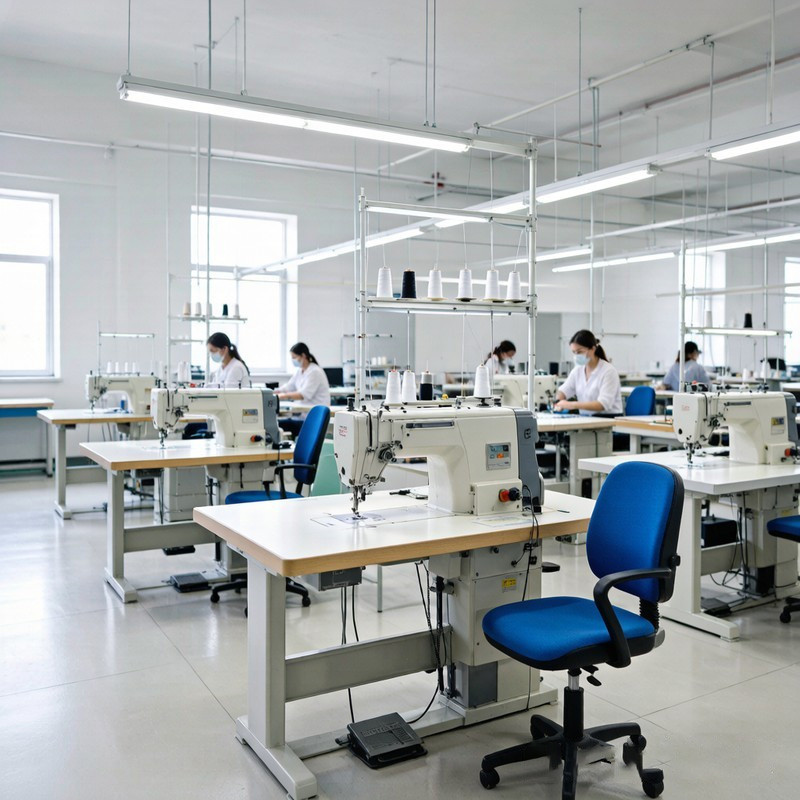
How OEM Activewear Manufacturing Works: The End-to-End Process
Design & Consultation
Fabric & Material Sourcing
Sampling & Prototyping
Bulk Production
Quality Control & Inspection
Packaging & Global Shipping
OEM vs. ODM vs. Private Label: Understanding the Key Differences
Feature
OEM
ODM
Private Label
Design Source
Brand provides design
Factory provides existing designs
Factory provides generic styles
Customization Level
Full — fabric, fit, details
Moderate — color, material tweaks
Low — logo and label only
MOQ
Moderate (200-500 pcs)
Low to Moderate
Lowest (50-200 pcs)
Brand Uniqueness
High — truly original
Medium — modified existing
Low — generic shared styles
Time to Market
Longer (4-8 weeks)
Medium (3-5 weeks)
Fast (2-4 weeks)
Best For
Established brands, unique designs
Startups, trend-focused brands
New entrants, low-budget launches
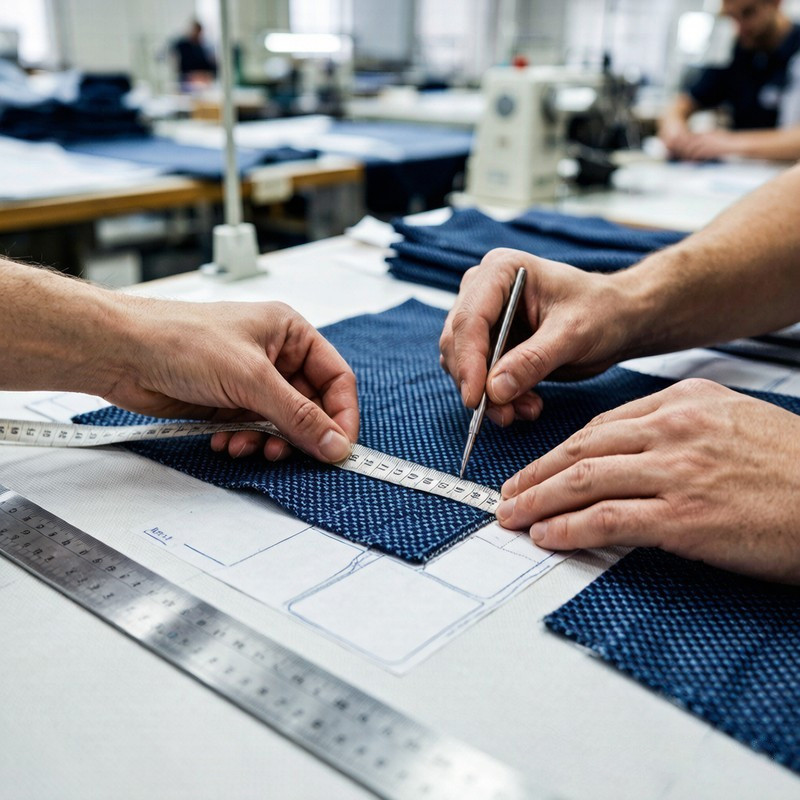
Why Choose OEM for Your Activewear Brand?
Complete Creative Control
Intellectual Property Protection
Scalable Production Capacity
Cost Efficiency Without Compromising Quality
Key Factors to Consider When Selecting an OEM Activewear Manufacturer
1. Production Specialization & Technical Capabilities
2. Minimum Order Quantity (MOQ) Flexibility
3. Certifications & Compliance
4. Sampling Speed & Communication
5. Quality Control Systems
Common Challenges in OEM Activewear Manufacturing (And How to Overcome Them)
Challenge 1: Communication Gaps
Challenge 2: Inconsistent Quality Across Production Batches
Challenge 3: Longer-Than-Expected Lead Times
What to Include in Your Activewear Tech Pack for OEM Production
Sustainable OEM Activewear: Meeting the Growing Demand for Eco-Friendly Production
Recycled & Eco-Friendly Fabrics
Water-Saving Dyeing & Finishing Technologies
GRS Certification & Supply Chain Transparency
How Much Does OEM Activewear Manufacturing Cost? A Realistic Breakdown
Cost Component
Percentage of Total
Typical Range (per unit)
Fabric & Materials
40-55%
$3.50 - $8.00
Cutting & Sewing Labor
25-35%
$2.00 - $5.00
Trims & Accessories
5-10%
$0.50 - $1.50
Printing & Embellishment
5-10%
$0.50 - $2.00
Quality Control & Testing
2-5%
$0.20 - $0.80
Packaging & Labeling
3-5%
$0.30 - $0.80
Geographic Hubs for OEM Activewear Manufacturing
Shenzhen & Guangdong, China
Fujian Province, China
Vietnam
Bangladesh & South Asia
Red Flags to Watch for When Choosing an OEM Partner
Conclusion: Is OEM Activewear Manufacturing Right for Your Brand?