Why Activewear Fabrics Pill and Fade
- Share
- publisher
- qiu
- Issue Time
- Nov 7,2026
Summary
Learn why activewear fabrics pill and fade after washing. Explore fabric quality, colour fastness testing and manufacturing QC methods for durable private-label activewear.
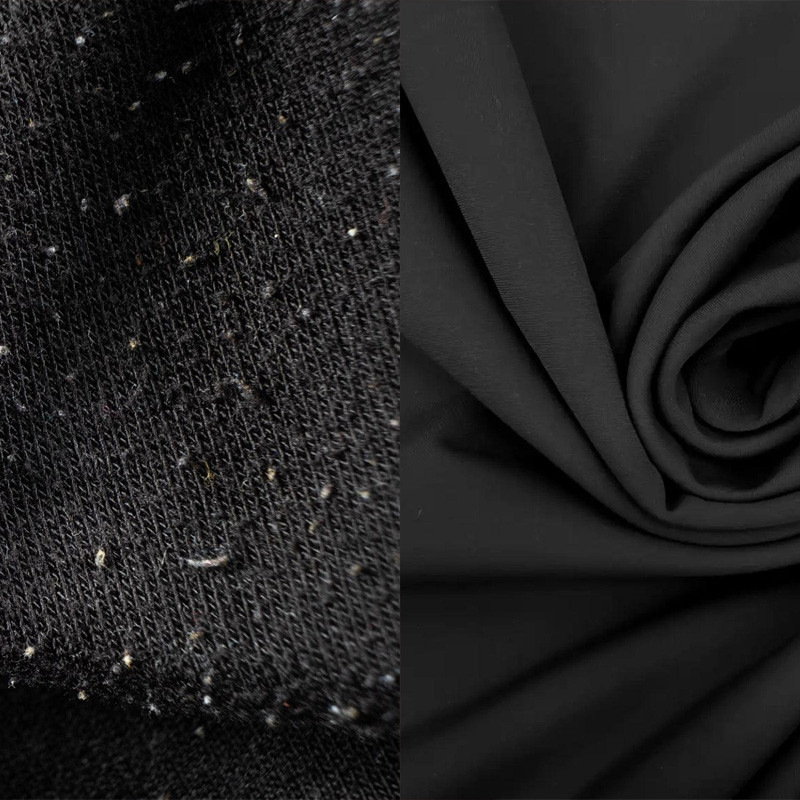
This blog breaks down a real‑world consumer complaint about premature pilling and colour fading on premium‑market activewear garments. We will explain the textile root causes behind early‑stage pilling and fading, the risk these defects pose to your brand reputation, and what quality‑control workflows Aolafree manufacturer in China implements during fabric sourcing, pre‑production sampling and bulk manufacturing to help B2B brand partners avoid these avoidable customer complaints. Reach out to our technical sales team if you want to build durable activewear with verified fabric performance for your brand collection.
Core takeaway: Pilling and colour fading after only a few home‑washing cycles are not unavoidable “normal wear‑and‑tear”. They stem from poor yarn selection, inadequate fabric finishing, insufficient colour fastness validation or skipping lab evaluation before mass production. As Aolafree China activewear supplier, we embed textile‑level durability checks into every custom project, so your end‑users receive garments that retain appearance after repeated laundering.
1. The business risk of premature pilling and fading for activewear brands
The real‑customer review we reference describes purchasing premium‑priced leggings that developed obvious pilling after just three washes, even following recommended hang‑to‑dry care instructions, alongside visible black‑dye fading within weeks of purchase. The shopper contrasted this performance against older competing activewear pieces that survived accidental tumble‑dry cycles without visual degradation. Most damaging of all: when the consumer reached out for brand support, pilling was dismissed as standard wear‑and‑tear.
For emerging and scaling DTC activewear brands, this scenario creates severe commercial harm. Early pilling or fading triggers one‑star reviews which sit permanently on product listing pages, suppressing conversion for every future site visitor. Negative social‑media sharing erodes brand premium positioning, especially if you market your collection as high‑quality, long‑lasting active apparel. Returns spike, customer lifetime value drops, and your customer‑support team bears extra workload responding to disappointed buyers.
Many brand owners assume fabric durability will “just happen” once they select a popular fabric blend. In reality, durability must be audited at the yarn, knit‑construction, dyeing and finishing stages. If you are planning your next yoga, gym or athleisure line, review our material and product portfolio to understand our baseline fabric performance requirements for custom orders.
2. Textile root causes: Why activewear pills quickly after few washes
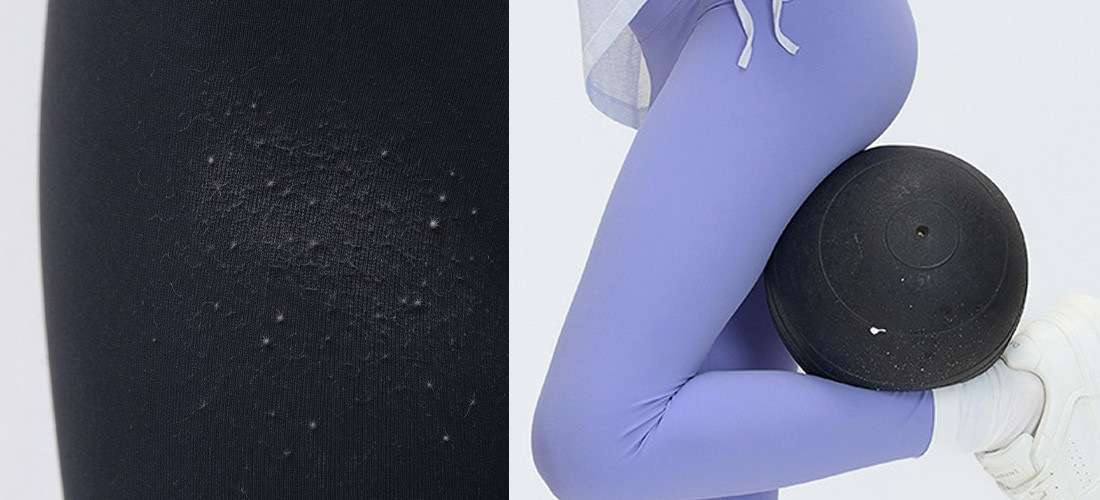
Pilling forms when loose short fibre ends work their way to the fabric surface, tangle together and create small fuzzy balls. It is heavily impacted by raw‑material yarn quality, knit structure and post‑knit fabric finishing.
- Yarn Quality and Fibre Construction: Short-staple fibres and loosely constructed yarns can increase surface fuzzing and pilling risk. However, pilling resistance also depends on yarn twist, fibre characteristics, fabric structure and finishing processes. For high-abrasion activewear, carefully selected nylon-spandex or polyester-spandex yarn constructions can help improve surface durability.
- Improper fabric knitting density: Too‑loose knit structures allow fibre movement inside the fabric, accelerating surface abrasion during squatting, stretching and washing cycles.
- Inadequate Anti-Pilling Finishing: Fabric finishing plays an important role in controlling surface fuzzing and pilling. Depending on the fibre composition and fabric construction, mills may use suitable mechanical or chemical finishing methods to improve surface appearance and pilling resistance. Insufficient finishing or unsuitable treatment can increase the risk of premature pilling.
- User‑abrasion independent of care labels: Leggings experience constant friction from thighs, chairs and gym equipment. Even strict hang‑dry home care cannot fully eliminate mechanical abrasion during wearing.
Many generic apparel suppliers only inspect fabric visual appearance upon receiving mill swatches. They skip standardized pilling resistance assessment, leaving your end‑customer to act as the real‑world quality tester.
How Aolafree China supplier mitigates premature pilling risk:
- Yarn specification lock‑in: We carefully evaluate yarn twist, fibre makeup and knit structure for high‑abrasion active bottoms to minimise surface fuzzing risk at source.
- Fabric density review: Our technical team validates knit tightness for each selected material; overly‑open knit constructions get rejected for legging and short styles.
- Mill finishing requirement: We specify suitable anti‑pilling finishing for bottom‑weight activewear fabrics and request mill test reports before fabric enters production.
- Third-Party Laboratory Testing: Where required by the client, third-party testing can be arranged for abrasion resistance and pilling resistance using appropriate test methods. Colour fastness to washing and rubbing can also be evaluated separately before bulk production.
- Wash‑simulated wear feedback during sampling: Our fit testers evaluate surface condition after agreed simulated‑wear cycles, to catch early‑stage fuzzing before goods ship.
3. Where early colour fading comes from in dyed activewear
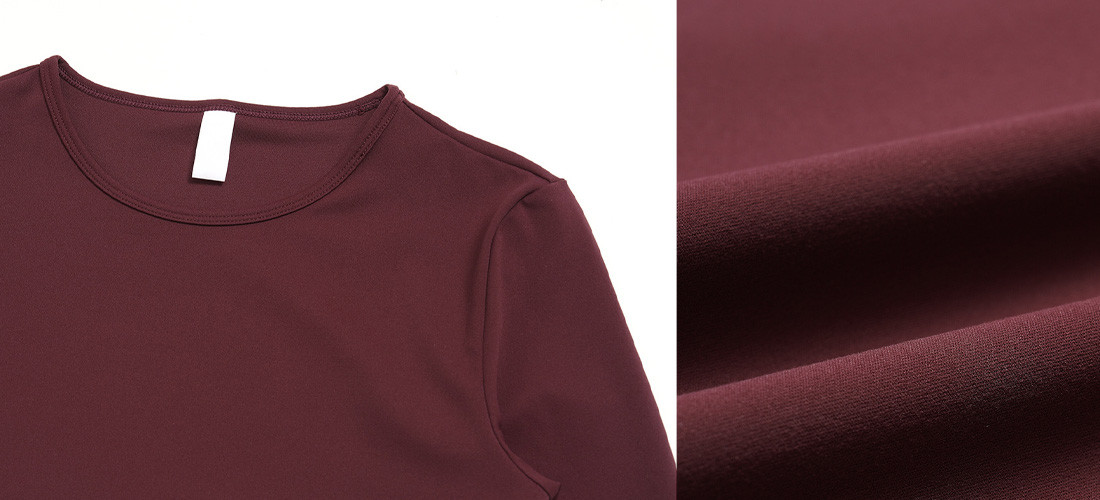
Visible fading on dark‑colour leggings after limited washes points to insufficient colour fastness to washing. Dark shades such as black, deep navy and burgundy are notoriously challenging for stretch activewear textiles. Poor dye penetration, incomplete dye fixation, or insufficient rinsing after dyeing will cause colour loss even under cold‑water, gentle‑wash household conditions.
A common cost‑cutting practice among fabric mills is reducing dye‑bath dwell‑time or skipping thorough post‑dye wash‑off processes. The fabric looks rich‑coloured on brand‑new swatches, but excess unfixed dye washes away in consumers’ first few laundry cycles, resulting in dull, faded appearance. Stretch spandex content further adds complexity: dye processes must be compatible with elastane fibre without degrading fabric stretch‑recovery properties.
It is critical to distinguish expected minor shade softening over dozens of washes versus dramatic fading within 2‑5 home launderings. The latter is a manufacturing defect, not natural wear‑and‑tear.
Aolafree manufacturer controls for colour‑fastness performance:
- Dye‑process requirements communicated clearly to cooperating fabric mills, with special controls for deep‑dark colourways used in leggings and active bottoms.
- Require mill‑issued colour‑fastness test reports for wash fastness and rub fastness prior to fabric approval.
- Sample wash evaluation: internal wash checks are performed on pre‑production samples to observe colour shift after repeated wash cycles matching target‑market consumer habits.
- OEKO-TEX Fabric Options: Where applicable, OEKO-TEX certified fabric options can help brands address textile chemical safety requirements. Colour fastness performance should be evaluated separately through appropriate washing and rubbing tests.
4. Why brand support policy cannot fix underlying textile quality failures
The consumer review highlights another painful business lesson for activewear brand builders: after‑sales customer service cannot rescue products with fundamental textile‑level defects. When quality issues originate in yarn, knitting, dyeing or finishing, generous return policies will eat into profit margins, while defensive “wear‑and‑tear” explanations risk public backlash and damage brand trust.
The optimal strategy is risk prevention at the development and sampling phase, not damage‑control after bulk goods land in your warehouse. Working alongside Aolafree, as your China‑based activewear OEM and ODM supplier, means durability requirements are written into your tech‑pack specification from day‑one. We help you set realistic performance expectations aligned with your price‑point and target audience, rather than over‑promising durability your fabric cannot deliver.
We support private‑label activewear development across yoga leggings, training shorts, maternity bottoms and swim activewear. Our EEAT‑aligned workflow relies on documented test data, real‑body fit‑wear trials and transparent technical documentation for every custom style we produce.