Women's Activewear Outfit Formulas: Athleisure Outfits From Workout to Weekend
- Share
- publisher
- AOLAFREE
- Issue Time
- Aug 26,2026
Summary
Three athleisure outfit formulas that move from workout to weekend: studio-to-office layering, tonal matching sets, and flared-pants styling — with a 10-piece capsule wardrobe, seasonal swaps and body-type proportions.
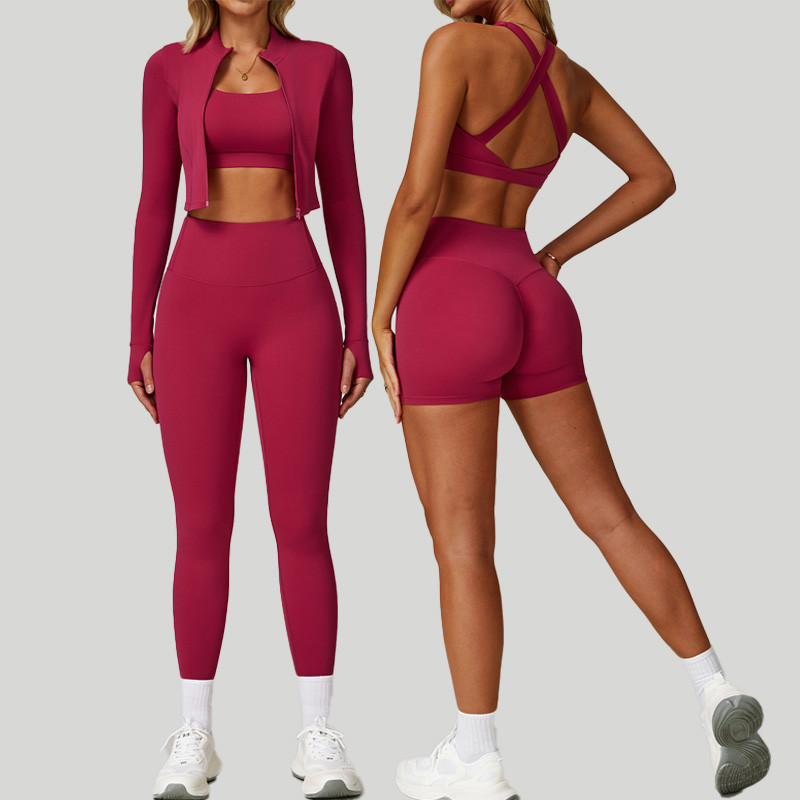
Women's Activewear Outfit Formulas: Athleisure Outfits From Workout to Weekend
Many apparel brands love athleisure outfit inspiration, but struggle to turn these styling ideas into sellable, production‑friendly collections. This guide is written for brand buyers and founders: we break down practical athleisure outfit formulas, translate styling concepts into product development roadmaps, share fabric & sampling validation checklists, and show you how to build streamlined capsule collections with AOLAFREE, China activewear manufacturer. Whether you are launching a new line or expanding your existing women’s activewear assortment, these frameworks help you balance fashion, function, manufacturability and higher average order value.
Part 1: What Defines True Transition‑Ready Athleisure?
Not every legging or sports bra qualifies as cross‑scene athleisure. For a garment to move from sweat session to public casual wear, it must satisfy four core benchmarks:
- Modest opacity: Pass squat‑stretch opacity test; no see‑through risk even in lighter colourways.
- Polished visual finish: Clean seams, no overly sporty raw edges; colours and silhouettes work for non‑gym environments.
- Balanced fabric performance: Good stretch‑recovery for exercise, soft hand‑feel for long‑time daily wear, adequate moisture‑wicking without looking like technical sport uniform.
- Flexible layering compatibility: Necklines, waist height and silhouette work under jackets, blazers, over‑shirts and hoodies.
Many brands make the mistake: they take high‑intensity‑performance workout items and expect them to sell as everyday athleisure. Technical running fabrics with prominent mesh panels, bold sport graphics and super‑compressed fit will feel out‑of‑place in coffee shops. Conversely, super‑soft loungewear with weak stretch‑recovery cannot hold its shape during actual workouts. Balancing both sides is the core design challenge for transitional athleisure lines.
Part 2: 6 Practical Reusable Athleisure Outfit Formulas
These outfit building blocks are repeatable for end consumers. As a brand buyer you can reference these formulas when planning your assortment, deciding which SKUs should sit together in your product mix.
Formula 1: Morning Workout → Quick Errands (No Full Change)
- High‑rise matte leggings (200‑230 GSM, good opacity, medium compression)
- Medium‑support seamless sports bra (neutral solid tone, low‑profile neckline)
- Relaxed cropped or hip‑length lightweight tank / short‑sleeve active top
- Optional: unstructured lightweight hoodie or soft bomber
Key product notes: matte fabric finish is critical here; shiny technical sport finishes read too gym‑focused for errands. Waistband should stay stable during exercise and look neat without rolling for street wear.
Formula 2: Work‑From‑Home + Mid‑Day Mini Workout
- High‑rise but gentle‑compression leggings / wide‑leg active trousers
- Lounge‑style soft bralette or low‑support sports bra
- Long‑line active tee / tunic active top
- Oversized lightweight cardigan or open‑front knit active layer
Buyer hint: wide‑leg active bottoms are a fast‑growing SKU for home‑office scenarios. Custom wide‑leg active pants require adjusted pattern grading compared with tight leggings to avoid crotch sagging during long‑time sitting.
Formula 3: Light Office‑Casual / Hybrid Office Days
- Matte high‑rise leggings or tailored active joggers
- Long‑line active top / fitted rib tank
- Blazer, structured overshirt or thin tailored vest outer layer
Important detail for product development: choose dark neutral colour palette (black, charcoal, deep taupe, navy). Bright neon colours and huge sport logos break office‑casual acceptance. Seams should be minimal or bonded to prevent visible lines under outer‑wear.
Formula 4: Weekend Brunch & Casual Outdoor Walk
- 7/8 length leggings or flared active bottoms
- Rib‑texture cropped active top
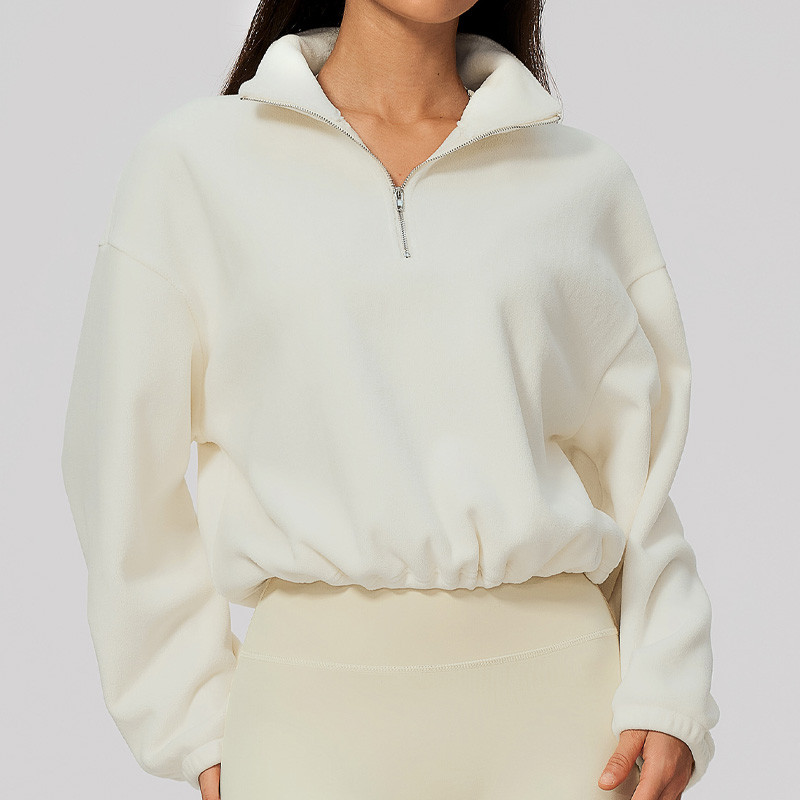
- Denim jacket, cropped hoodie or utility casual outer
Texture matters for this scene: ribbed fabric, brushed surface improves fashion feel, differentiates from pure‑workout products.
Formula 5: Post‑Yoga Social Gathering
- Ultra‑soft high‑rise yoga leggings
- Low‑medium support smooth bralette
- Flow‑y long‑sleeve active cover‑up top
Fabric priority: buttery soft hand‑feel, decent squat opacity, not heavy compression. Consumers coming from yoga value comfort first but do not want to look like they just left studio.
Formula 6: Travel Multi‑Purpose Outfit
- Wrinkle‑resistant matte leggings / jogger active pants
- Multi‑support convertible sports bra
- Versatile long‑sleeve active top + compact packable hoodie
Travel‑focused athleisure needs anti‑wrinkle performance, shape retention after long‑hour sitting, and quick‑dry property for unexpected light movement. Fabric blend selection is vital for travel‑target SKUs.
Part3: How to Turn Athleisure Outfit Formulas into a Commercial Collection
Styling inspiration is only the starting point. As AOLAFREE, China activewear supplier, we help brands translate those wearable outfit formulas into structured, sellable product lines. Below are three ready‑to‑adopt collection directions built from the outfit logic above:
Series A: Studio-to-Street Essentials
Yoga studio to daily commuter lifestyle line
- Core items: high‑rise leggings, long‑line sports bra, short‑sleeve active top, lightweight layering cover‑up
- Development focus: matte finish, comfortable stretch recovery, necklines and lengths designed for easy layering
- Commercial logic: build your main assortment around foundational basics, then expand styling combinations via complementary tops and outer layers
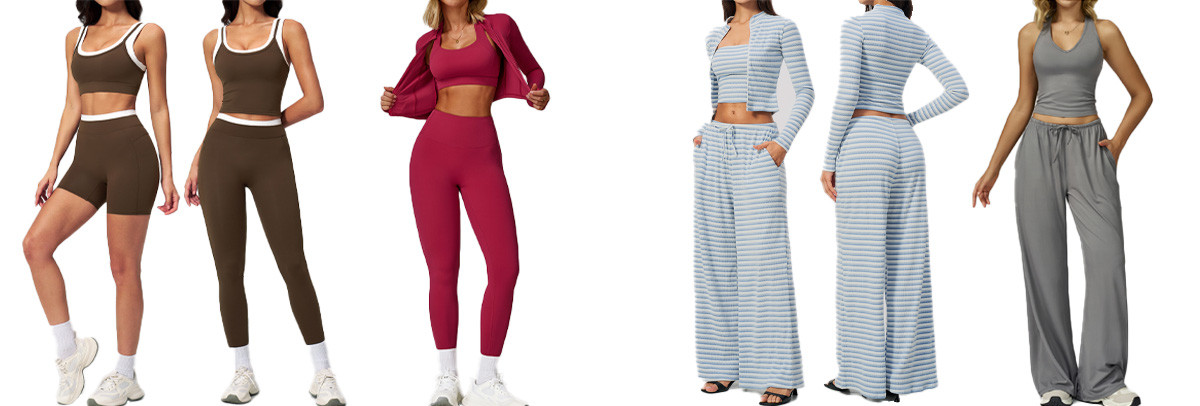
Series B: Coordinated Matching Sets
Monotone matching activewear sets
- Core items: sports bra, matching leggings or shorts
- Development focus: consistent colour matching between top and bottom, unified fabric handfeel, balanced fit across full size runs
- Commercial logic: sets can be sold as complete ready‑to‑wear looks, or separated and retailed as standalone mix‑and‑match pieces
Series C: Everyday Flared Activewear
Daily flared yoga pant focused line
- Core items: flared yoga leggings, ribbed tops, long‑sleeve tops, lightweight jackets
- Development focus: inseam length, knee placement, flare opening, fabric drape and reliable stretch recovery
- Commercial logic: create many styling options by pairing the same flare bottom with different tops and layers, rather than launching too many unique pant silhouettes
Part4: Fabric and Construction Requirements for Each Outfit Formula
Each collection direction carries different fabric and construction priorities. This sampling checklist helps your team define specs and validation items before bulk production, supported by AOLAFREE, China sportswear manufacturer.
| Collection direction | Fabric and construction priorities | What to validate during sampling |
|---|---|---|
| Studio-to-street leggings | Matte finish, stretch recovery, comfortable waistband | Opacity under stretch, waistband stability, pilling resistance |
| Matching sports bra and leggings | Coordinated fabric handfeel and color appearance | Color consistency, fit compatibility, wash performance |
| Flared leggings | Four-way stretch, suitable drape and recovery | Inseam, knee placement, flare opening and movement |
| Everyday fitted tops | Soft handfeel, breathability, shape retention | Neckline recovery, seam comfort, shrinkage after washing |
| Lightweight layering pieces | Appropriate weight, easy layering and coordinated colors | Fit over base layers, color matching and construction quality |
Part5: Core Fabric Requirements for Transition‑Ready Athleisure
| Fabric type | GSM range | Best‑fit scenario | Key requirements |
|---|---|---|---|
| Matte nylon‑spandex blend | 190‑230 GSM | Leggings for workout‑to‑daily transition | Matte finish, high stretch‑recovery, good opacity |
| Brushed nylon spandex | 180‑220 GSM | Yoga‑focused & weekend casual outfits | Soft hand‑feel, avoid excessive pilling risk |
| Ribbed knit active fabric | 170‑200 GSM | Tops, bralettes, cropped layering pieces | Consistent rib texture, stable shape retention |
| Polyester‑spandex wicking matte | 160‑190 GSM | Multi‑purpose tee, long‑sleeve tops | Wrinkle‑resistant, moisture‑wicking, non‑shiny surface |
| Seamless athleisure knit | 180‑230 GSM | Bralettes, fitted tops, selected bottom styles | Smooth outer appearance, avoid obvious sport‑looking knit structure |
Part6: Pattern & Construction Must‑Haves For Cross‑Scene Athleisure
- Waistband: Wide flat high‑rise waistband performs best for multi‑scene usage. It stays stable during workout, presents clean silhouette under blazers or over‑tops. Over‑fold waistband can roll during movement, less ideal for transition‑focused lines.
- Seams: Flatlock or bonded seamless construction. Thick bulky sport seams show through outer‑layers and hurt street‑wear visual quality.
- Gusset: Diamond gusset for leggings and active bottoms. Guarantees mobility during exercise, prevents crotch stress even when consumers sit many hours in office mode.
- Colour & graphic strategy: Build large neutral‑colour base collection. Limit big sport‑themed prints; use subtle tone‑on‑tone branding for cross‑scene adaptability.
- Length options: 7/8 ankle‑graze leggings have wider athleisure adaptability than full‑length for most body types. Full‑length and cropped variants expand outfit combinations.
Part7: How to Plan a Capsule Collection Without Overcomplicating SKUs
The popular consumer concept “10 pieces create 15 outfits” can be repurposed as a powerful merchandising strategy for your brand. The goal is flexible styling, not an endless list of SKUs:
- Start with core silhouettes: Lock in a small set of foundational shapes, such as classic leggings, flare leggings, sports bra, short sleeve top and lightweight layering piece.
- Build a coordinated color palette: Establish a neutral base palette first, then add a small number of seasonal accent colours. Avoid independent colour systems for every single style.
- Control development complexity: Before adding extra silhouettes or colours, verify compatibility across fabrics, patterns, colourways and size grading.
Simple example: A brand may launch only 2 bottom silhouettes, 2 top silhouettes and 1 layering piece. With shared colour stories, this limited assortment can generate dozens of outfit combinations. Final colour counts, size ranges, MOQ and development cost will be confirmed once you lock silhouette complexity and production requirements with AOLAFREE, China activewear manufacturer.
Part8: Common Product‑Development Mistakes Brands Should Avoid
- Using high‑shiny performance sport fabrics for athleisure: Shiny surface reads purely gym‑oriented and limits real‑world transition scenarios.
- Over‑reliance on loungewear fabric with low recovery: Super‑soft but poor‑recovery fabric looks nice for sofa time, but sags badly after squat or training; cannot serve dual‑use workout demand.
- Mismatched colour stories between tops and bottoms: Tops and bottoms do not coordinate, killing natural mix‑and‑match outfit possibilities and hurting average order value.
- Ignoring opacity for light‑tone SKUs: Light grey, beige, off‑white colours need separate opacity validation; same GSM can perform differently across dye colours.
- Copying pure‑gym pattern directly for athleisure: Exaggerated compression panels, heavy sport mesh will make items hard to wear outside fitness environment.
Part9: Merchandising Tips For Your Brand Store
Once you have developed multi‑purpose athleisure SKUs, how to help customers discover outfit combinations on your site:
- Create dedicated collection page named “Workout‑to‑Weekend Athleisure” grouping all transition‑capable items together.
- On each product detail page, add “Complete your look” recommendation blocks showing matching coordinate tops/bottoms/layers.
- Use lifestyle imagery showing real‑life scenarios: home‑office, coffee shop, weekend walk — not only gym‑workout shooting.
- Write copy highlighting dual‑use value: emphasize “one piece for multiple moments”, not only workout‑only selling points.
Part10: From Outfit Concept to Custom Activewear Production
After finalizing your capsule collection roadmap, AOLAFREE, China activewear supplier supports you through the full custom production workflow:
- Step 1. Define the target customer: Clarify brand positioning, target wear scenarios, and price tier.
- Step 2. Select silhouettes and fabrics: Confirm styles, fabric specs, colour palette, fit and functional requirements.
- Step 3. Develop and review samples: Produce fit samples, then review measurements, silhouette, colour consistency and construction details.
- Step 4. Confirm specifications before bulk production: Lock sample approval, size specs, fabric standards, branding marks and packaging requirements.
For sample terms, MOQ, lead time and pricing details, refer to our dedicated pages: Sample Policy, OEM & ODM service and contact page. We keep these data separate so they stay updated without needing blog edits.
Part11: Sourcing Guidance for Custom Athleisure Lines
If you plan to launch or expand your women’s transitional athleisure assortment, work with a knowledgeable AOLAFREE, China activewear supplier. Our development team will help you select suitable matte fabrics, test opacity across different colours, adjust pattern details for dual‑scene requirement, and build coordinated colour stories for mix‑and‑match outfits.
Key points to communicate when submitting your brief:
- Primary target scenarios (workout / WFH / office‑casual / weekend travel)
- Desired fabric hand‑feel priority: softness VS compression performance balance
- Colour palette requirement: neutrals base + accent colours
- Expectation for opacity, matte / shiny finish
- Size‑range, MOQ target and sample iteration plan
Request fit‑samples covering light‑colour variants to verify real‑world opacity before bulk production. Review our sample policy to learn our fit‑sample workflow for custom athleisure projects.
Closing Thought
Modern athleisure success is not about designing purely for gym or purely for street. Winning collections solve real‑life consumer pain points: consumers want fewer clothes that work across more daily moments. By applying these outfit formulas, fabric rules, pattern standards and capsule merchandising strategies, your brand can build high‑demand transitional women’s activewear, increase mix‑and‑match sales potential and stand out from competitors selling single‑purpose workout or loungewear goods.
If you want to discuss your women’s athleisure collection project, reach out to AOLAFREE. As AOLAFREE, China sportswear manufacturer, we support full OEM / ODM custom athleisure development, from fabric selection, pattern grading, fit sample testing to finished mass production.
About the Author
Elena Chen, Founder of AOLAFREE, China activewear supplier. With over 12‑year industry experience in activewear fabric sourcing, pattern development and OEM project management, Elena and her design team focus on helping global fitness apparel brands build practical multi‑scene women’s activewear collections.