Yoga Practice 101: What Happens in a Class and the Apparel It Demands
- Share
- publisher
- AOLAFREE
- Issue Time
- Aug 25,2026
Summary
A beginner-focused walkthrough of a typical yoga class — from breath work to savasana — and the apparel performance each stage demands, written for brands sourcing from yoga clothing manufacturers.
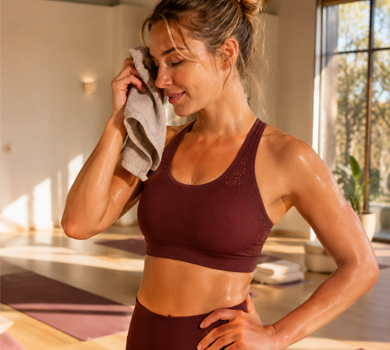
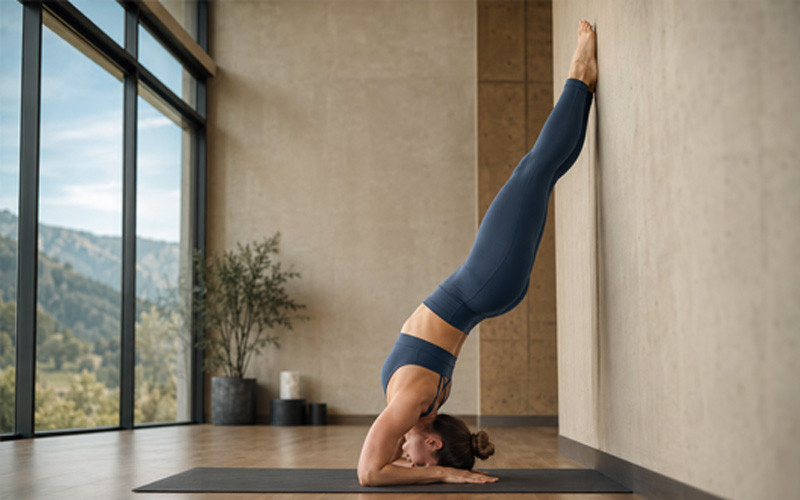
If you are an activewear brand developing a yoga apparel line, this guide explains how to translate each phase of a yoga class into product specifications, fabric choices and sample validation criteria. Drawing on its activewear development expertise, AOLAFREE outlines practical ways to evaluate movement demands, refine garment construction and reduce avoidable revisions before bulk production. A standard yoga class usually opens with breath work and gentle centering. Students stay seated or reclined, and the core priority is comfort during extended periods of sitting, reclining and gentle movement.Movement demand: slow breathing, mild spinal flexion, static holding. Product design consideration: wide waistband with balanced compression, non-slip fit, smooth strap construction that avoids pinching or slipping. Development validation: test waistband roll-down risk and strap slippage across different body shapes during static and gentle twisting poses. Send us your inquiry if you want to discuss custom waistband development for your yoga styles. Next comes the dynamic flow: sun salutations, standing poses, lunges and balancing sequences. Movement demand: repeated forward folds, deep lunges, multi-directional stretching. Product design consideration: reliable four-way stretch, low-friction seam layout and reinforced gusseted crotch for high-stress zones. Nylon-spandex blends are commonly considered for close-fitting yoga apparel because they can provide a smooth hand feel and good stretch. The appropriate blend ratio depends on the fabric construction, target fit, support level and recovery requirements. Brands should evaluate stretch and recovery through fabric testing and sample wear trials rather than relying on fiber composition alone. Development validation: check seam chafing, fabric ride-up and crotch tension during continuous flow movements. Explore our fabric library for stretch and recovery material options. The peak phase includes deep hip openers, backbends and core poses such as boat pose. Movement demand: extreme stretch, heavy tension on leggings and torso panels. Product design consideration: consistent coverage under tension. Coverage and opacity should be evaluated under realistic wear conditions. Fabric construction, color, garment fit and the degree of stretch can all affect transparency during deep bends and other movements. Development validation: The peak phase may involve deep hip openers, backbends and core poses such as boat pose. Movement demand: sustained stretching and changing tension across the waistband, seat and torso panels. Product design consideration: reliable coverage and opacity throughout the intended range of movement. Finally, savasana and relaxation close the session. Movement demand: static rest after variable sweat levels. Product design consideration: moisture management can also influence comfort throughout a session, particularly in heated classes or more demanding flows. When developing a yoga collection, brands should consider the intended practice environment, fabric drying behavior, hand feel and overall comfort rather than treating moisture-wicking performance as a one-size-fits-all requirement. Development validation: align moisture feature specs with your target customer and studio type, instead of adding moisture-wicking as a mandatory feature for every SKU. After mapping practice-stage requirements, systematic validation helps brands turn concepts into reliable finished goods. This four-step evaluation framework can be used directly in your product development workflow: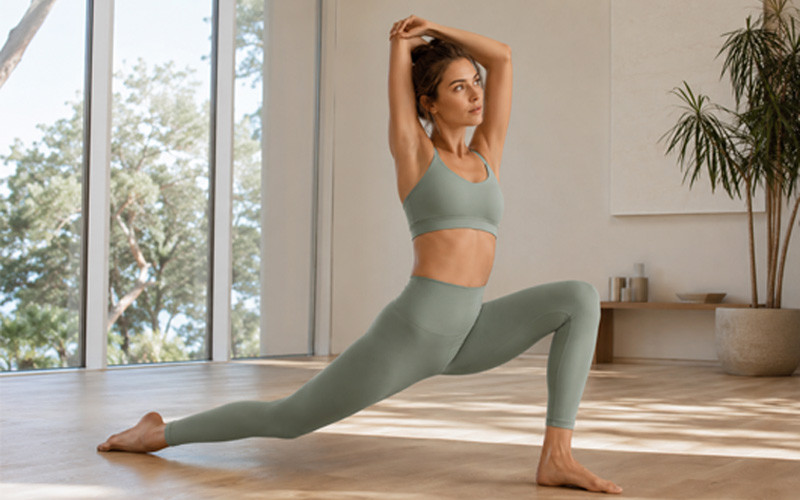
Warm-Up & Centering: Comfort, Waistband and Strap Performance
Active Flow: Four-Way Stretch, Seams and Gusset Construction
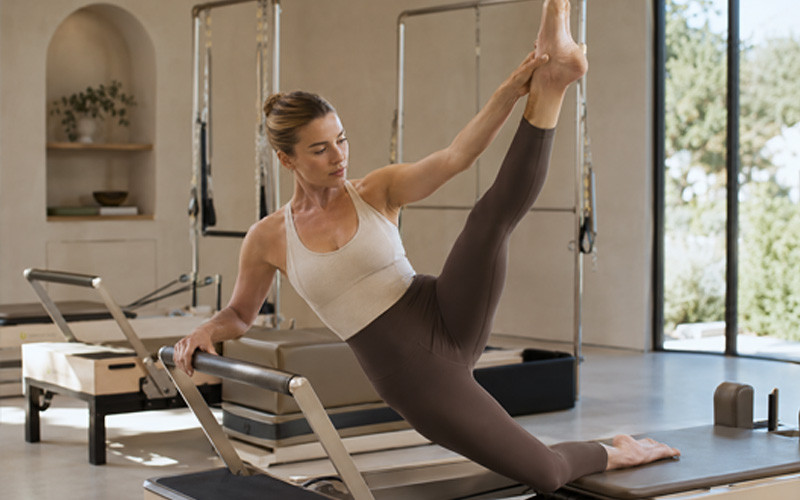
Peak Practice: Deep Bends, Core Work and Opacity Control
Savasana & Cool Down: Moisture Management for Target Scenarios
How Brands Can Validate Yoga Apparel Performance
With OEM and ODM support from AOLAFREE, a trusted activewear manufacturer and supplier in China, brands can discuss fabric selection, garment construction, sizing, colors, logos and other customization requirements for their yoga collections. Sample development and movement-based fit evaluation can help teams refine product specifications before bulk production.
Planning a custom yoga collection? Share your product concept, target customer and performance requirements with AOLAFREE to discuss your next development project.