Yoga Wear vs. Strength Training Activewear: What’s the Difference?
- Share
- Issue Time
- Aug 28,2026
Summary
This article explores the critical distinctions between yoga wear and strength training activewear, emphasizing that choosing the right apparel significantly impacts performance
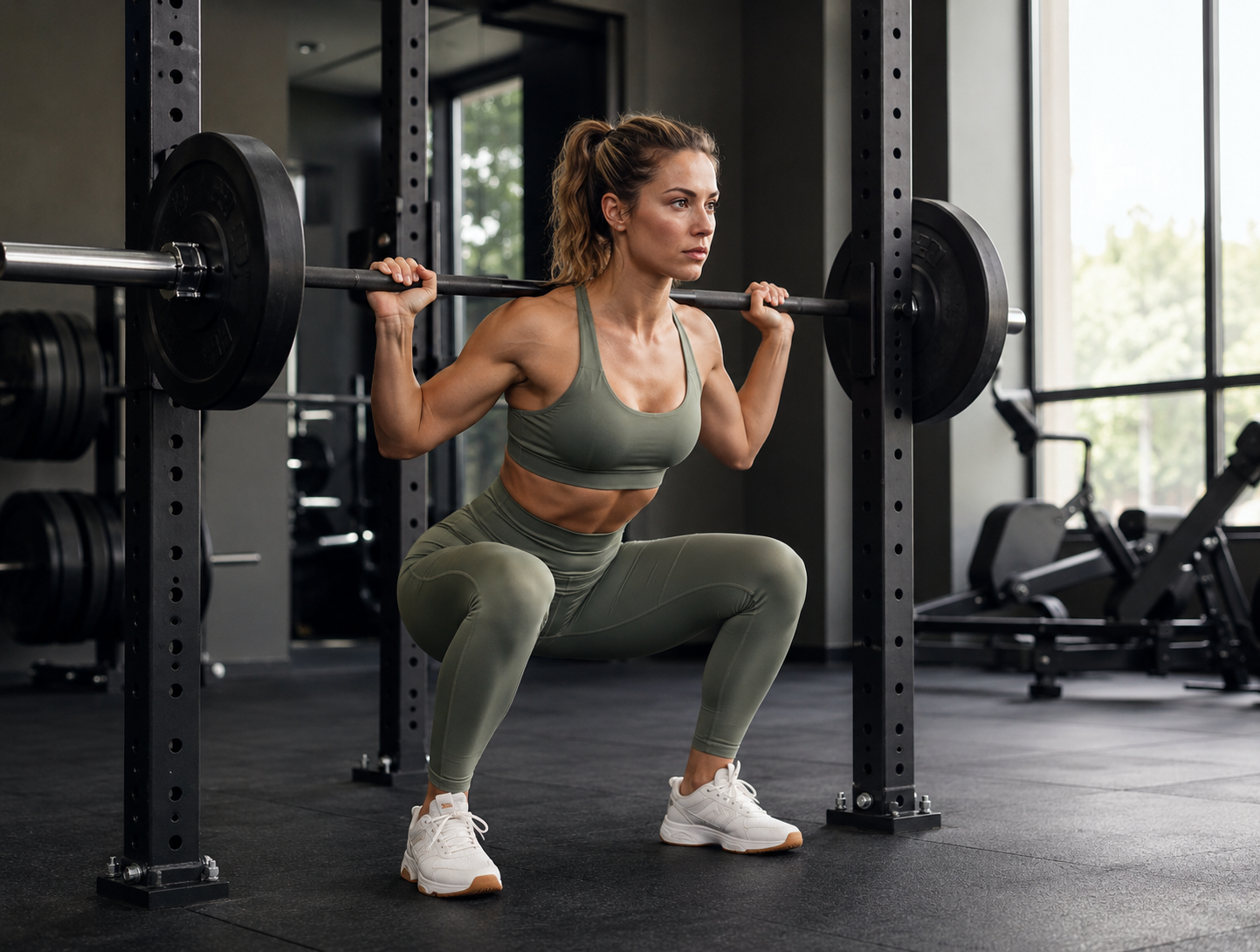
Yoga Wear vs Strength Training Activewear: How to Pick Correct Sportswear For Your Workout
Many fitness buyers and brands ask: what is the real difference between yoga wear and strength training activewear? The short answer: they are built for different movement needs. Choosing the wrong sportswear hurts comfort, limits performance and even shortens clothing lifespan. As Aolafree, a professional China sportswear manufacturer & supplier, we break down their differences, fabric knowledge and buying tips to help you select suitable fitness apparel. Send us an inquiry if you need custom wholesale gym wear for your brand.
Table of Contents
- 1. Yoga Wear vs Strength Training Activewear
- 2. Fabric Guide for Strength Training Sportswear
- 3. How to Match Activewear With Your Workout
- 4. Tips for Sportswear Brands
- 5. FAQ
Key Takeaways
While yoga wear and strength training activewear both belong to sportswear, they are engineered for different purposes. Here is a quick comparison:
| Feature | Yoga Wear | Strength Training Activewear |
|---|---|---|
| Primary Goal | Flexibility, Comfort, Unrestricted Movement | Durability, Compression, Muscle Support |
| Fabric Feel | Soft, Supple, Lightweight | Robust, Structured, Abrasion-Resistant |
| Compression | Low to Medium | Medium to High |
| Key Activities | Yoga, Pilates, Barre, Low-Impact Exercise, Lounging | Weightlifting, HIIT, Cross-Training, High-Impact Sports |
| Durability | For mat work and stretching | Resist friction from barbells, gym benches |
| Sports Bra Support | Low to Medium Support | Medium to High Support |
Deciphering Activewear: Yoga Wear vs. Strength Training Essentials
Yoga Wear: Prioritizing Flexibility and Comfort
Yoga wear acts like a second skin, letting you move freely through all poses without restriction. Its design removes distractions such as tight seams or slipping waistbands, helping you stay focused on breath and alignment.
Great yoga leggings and tops feature four-way stretch, breathable, buttery-soft fabric. They fit securely without binding. This sportswear works well for yoga, Pilates, barre and casual daily wear.
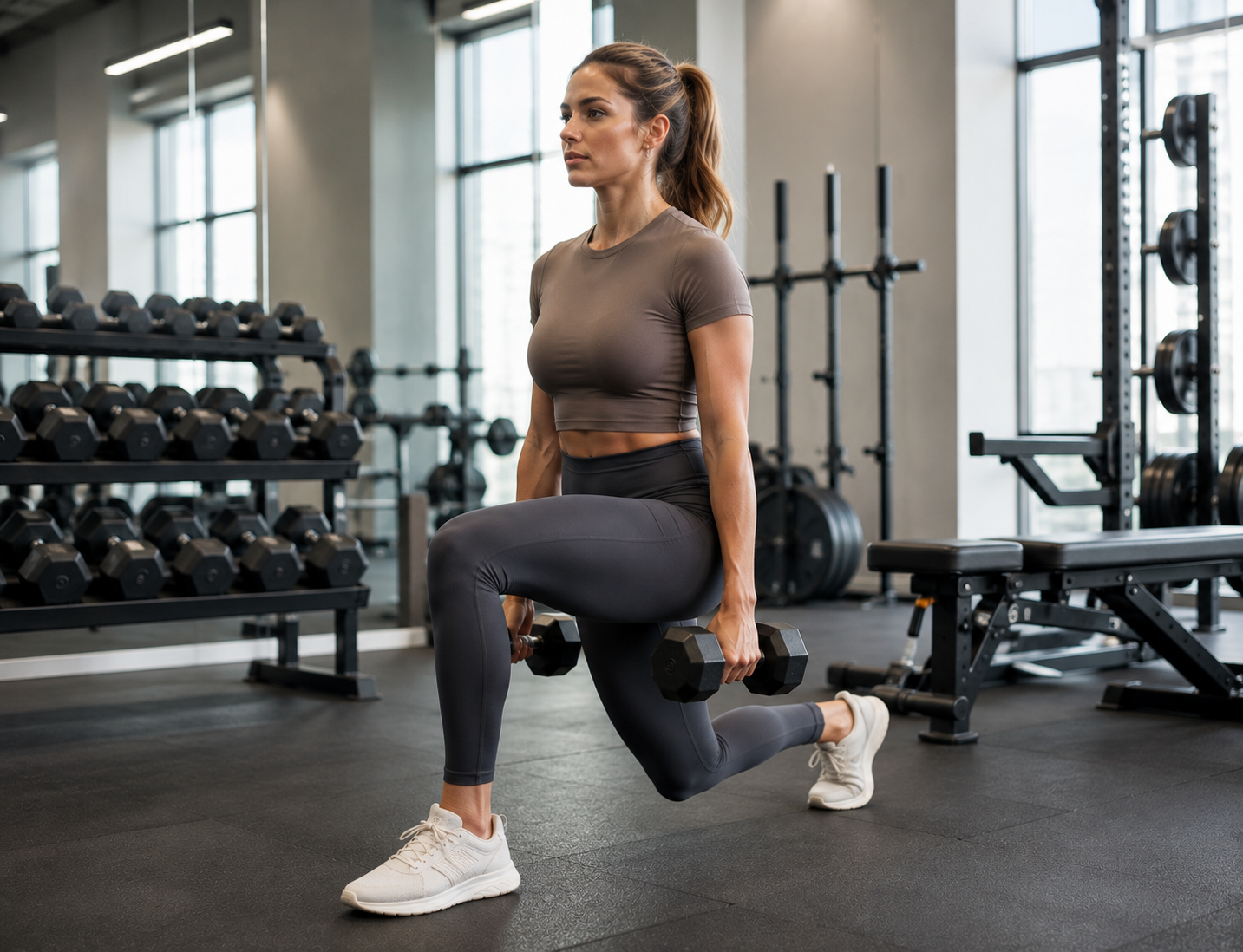
Strength Training Activewear: Engineered for High-Impact Performance
Heavy lifting, HIIT and functional training place heavy stress on your sportswear. This is where specialized strength training activewear stands out. It must resist friction from gym equipment, hold stable compression and wick sweat continuously.
Aolafree, China sportswear supplier develops wholesale gym wear with reinforced seams, abrasion-resistant fabric and reliable compression. It stabilizes muscles during squats, deadlifts and presses, while squat-proof leggings stay in place without rolling down.
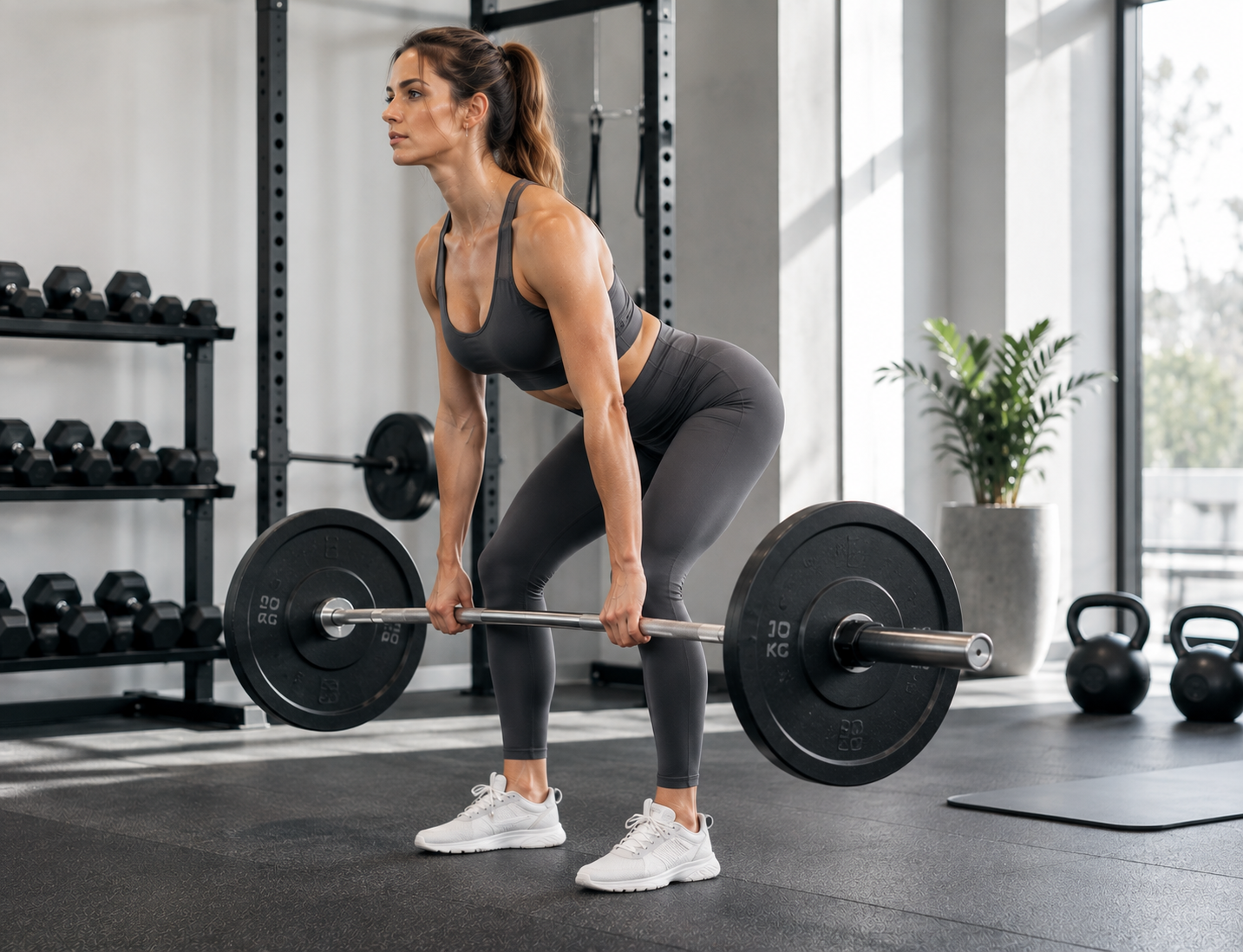
The Science of Materials: What Makes Great Strength Training Activewear?
The Power Blends: Polyester/Spandex and Nylon/Spandex
Premium performance sportswear mainly relies on two synthetic fabric blends:
- Polyester/Spandex: Hydrophobic, fast-drying, colorfast and cost-effective. It pulls sweat to fabric surface for quick evaporation, ideal for high-intensity training.
- Nylon/Spandex: Ultra-smooth, high elasticity and outstanding abrasion resistance. It bounces back perfectly and won’t bag out after repeated use, widely used for premium compression leggings.
Spandex delivers essential four-way stretch for both fabric options. As an experienced China sportswear manufacturer, Aolafree customizes fabric blends to match different product requirements for yoga lines and strength training lines.
Why Avoid Cotton for Serious Workouts
Cotton absorbs sweat and locks moisture against skin. It gets heavy, sticky and slow to dry, restricting movement and causing chafing. Cotton works only for slow walking or post-workout relaxing, not intense gym training.
| Feature | Synthetic Blends (Polyester/Nylon) | Cotton |
|---|---|---|
| Moisture Management | Wicks moisture away from skin | Absorbs and holds sweat |
| Drying Speed | Very fast | Very slow |
| Wet Weight | Lightweight | Heavy and waterlogged |
| Best For | Strength training, HIIT, running | Light walk, rest day casual wear |
Smart Choices: Picking the Right Activewear for Your Every Move
Aligning Apparel with Activity Goals
Match your sportswear to your workout type:
- Low-impact & stretching: Choose soft, high-stretch yoga wear for yoga, Pilates and daily leisure.
- Lifting & high-impact: Pick durable, compressive strength training activewear to support muscles and stand up to gym equipment friction.
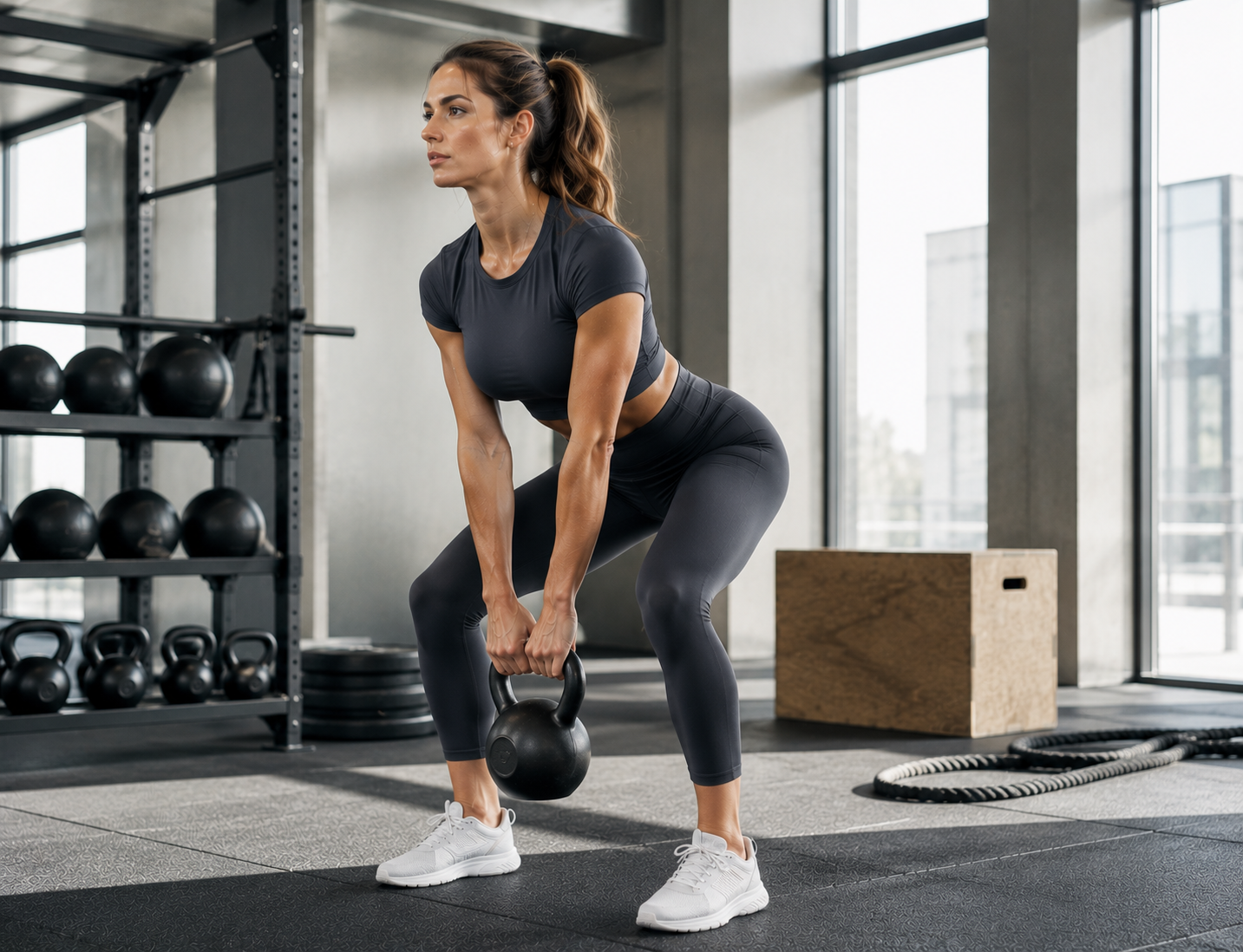
The Versatile Appeal of Modern Wholesale Gym Wear
Today’s sportswear crosses the boundary between gym and street. High-quality wholesale activewear transitions smoothly from workout sessions to daily casual outfits. It combines performance function and athleisure aesthetics, bringing higher value for end customers.
What This Means for Activewear Brands
Sportswear brands cannot use one single fabric formula for all products. Yoga collections and strength training lines need separate fabric specs, construction standards and marketing messaging.
- Fabric Specification: Yoga series prioritizes soft nylon-spandex; strength training series uses heavy, abrasion-resistant blends with higher compression and anti-odor treatment.
- Design & Construction: Yoga styles focus on seamless comfort; strength training pieces add reinforced stitching, practical pockets and high-support sports bras.
- Consumer Education: Clearly explain product features so shoppers understand why each category of sportswear is designed differently.
Are you launching differentiated yoga wear and strength sportswear lines? Contact Aolafree, your reliable China sportswear manufacturer for OEM & ODM wholesale service.
Frequently Asked Questions (FAQ)
1. What is the main difference between yoga leggings and gym leggings?
Yoga leggings prioritize soft stretch and unrestricted movement. Gym leggings for strength training focus on compression and wear resistance against gym gear.
2. Can I wear yoga pants for weightlifting?
You can for light lifting, but yoga fabric pills and tears easily under repeated barbell friction. Dedicated strength sportswear is a better long-term choice.
3. Is compression important for strength training activewear?
Yes. Medium-high compression stabilizes muscles, improves blood circulation and helps body awareness during heavy lifts.
4. Why is moisture-wicking important for workout clothes?
It moves sweat away from skin, keeps you dry and avoids chafing and overheating during training.
Conclusion
To sum up: yoga wear is built for flexible mat movement; strength training activewear is built for heavy-load gym training. When you source sportswear, separate these two categories to satisfy different customer groups. Aolafree, China sportswear supplier provides custom wholesale fitness apparel with professional fabric and structure design for brands worldwide.