Your Ultimate 2026 Guide to Finding the Perfect Wholesale Gym Clothes Vendor
- Share
- Issue Time
- May 14,2026
Summary
Unlock the secrets to launching or scaling your activewear brand. This comprehensive guide covers everything from vetting wholesale gym clothes vendors and understanding manufacturing models like OEM/ODM, to choosing high-performance fabrics. Learn how to navigate MOQs, control quality, and build a lasting partnership for brand success.
Unlocking Success: The Ultimate 2026 Guide to Selecting Your Wholesale Gym Clothes Vendor
The global activewear market is booming, and launching your own gym clothing line has never been more promising. Yet, the success of your brand hinges on one critical decision: choosing the right wholesale vendor. This partner will directly impact your product quality, brand reputation, and profitability. Whether you are a startup or an established brand looking to scale, this guide will walk you through the essential steps to find a reliable and high-quality gym clothes vendor.
H2: Why a Strategic Vendor Partnership is Non-Negotiable
In the competitive fitness apparel industry, your manufacturer isn't just a supplier; they are a strategic partner. A poor choice can lead to inconsistent quality, missed deadlines, and damaged customer trust. A great partner, however, provides the foundation for a successful brand by ensuring product excellence and supply chain stability. They provide industry insights, help you navigate trends, and offer the flexibility you need to grow.
H2: Understanding the Types of Activewear Suppliers
Before you start your search, it's crucial to understand the different types of manufacturers available. Your choice will depend on your business model, design capabilities, and speed-to-market goals.
- OEM (Original Equipment Manufacturer): You provide the unique designs, tech packs, and specifications, and the factory produces them exclusively for you. This model is perfect for established brands with a strong design vision who want full creative control.
- ODM (Original Design Manufacturer): The manufacturer offers a collection of pre-designed styles that you can customize with your own branding, logos, and minor modifications. ODM is ideal for startups or brands that want to launch quickly with proven designs.
- Private Label/Wholesaler: These suppliers offer generic, un-branded stock that you can purchase and add your label to. It's the fastest and often most affordable way to enter the market, but offers the least amount of differentiation.
H2: Key Qualities of a Top-Tier Gym Clothes Vendor
A reliable vendor is more than just a factory. They are a partner invested in your success. Look for these essential qualities during your evaluation:
- Industry Specialization: A manufacturer that specializes in activewear will have a deeper understanding of performance fabrics, construction techniques, and market trends.
- Transparent Communication: A good partner responds promptly, communicates clearly, and provides regular updates throughout the production process.
- Proven Track Record: Look for vendors with positive reviews, testimonials, and a portfolio of work with other successful activewear brands.
- Ethical & Sustainable Practices: Modern consumers value transparency. Certifications like OEKO-TEX®, GRS (Global Recycled Standard), or BSCI demonstrate a commitment to ethical production and sustainability.
H2: Fabric First: The Foundation of High-Quality Activewear
The feel and performance of your gym clothes come down to the fabric. A knowledgeable vendor should be able to guide you through the options. Key performance characteristics to look for include:
- Moisture-Wicking: Draws sweat away from the skin to keep the wearer dry and comfortable.
- Breathability: Allows air to circulate, preventing overheating.
- Four-Way Stretch & Recovery: The fabric should stretch in all directions and return to its original shape without becoming baggy.
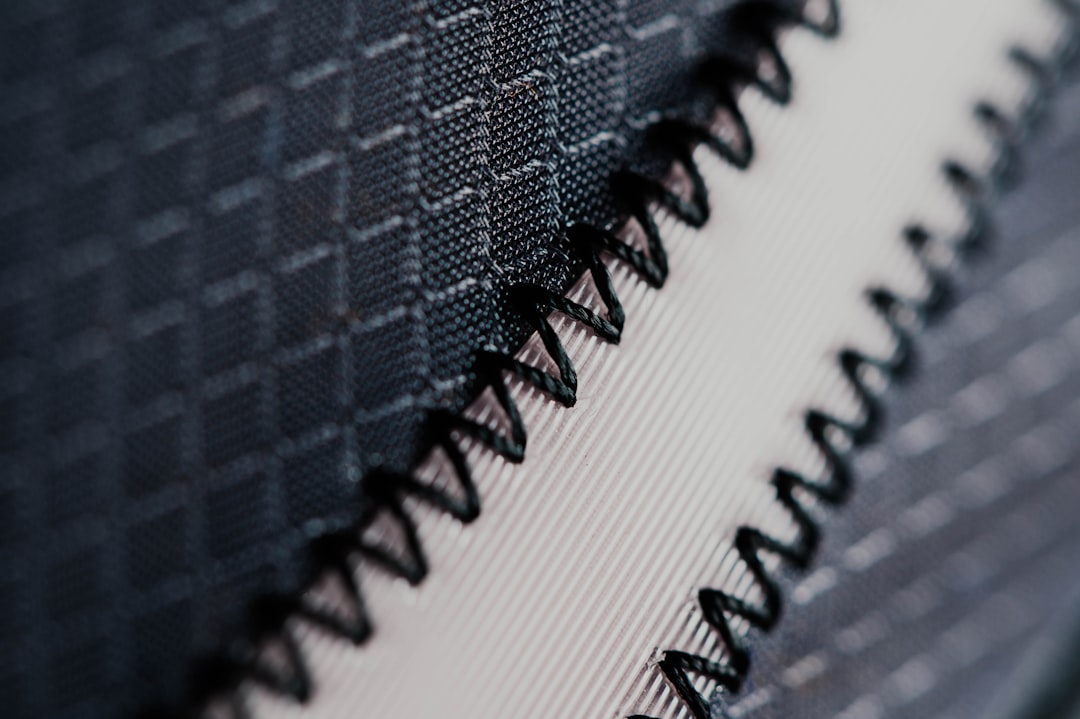
- Durability: High-quality stitching and fabric that can withstand repeated washing and intense workouts.
- Fabric Blends: Common high-performance blends include Nylon/Spandex (soft, premium feel) and Polyester/Spandex (durable, excellent moisture management).
H2: Navigating OEM vs. ODM for Your Brand
Choosing between OEM and ODM is a strategic decision that depends on your brand's stage and resources. Use this table to help you decide:
| Feature | OEM (Original Equipment Manufacturer) | ODM (Original Design Manufacturer) |
|---|---|---|
| Design Control | Full control; you provide the unique designs. | Limited; you choose and modify existing designs. |
| Best For | Established brands with a unique vision. | Startups and brands prioritizing speed. |
| Time to Market | Slower due to R&D and sampling. | Faster, as designs are production-ready. |
| Initial Cost | Higher due to design and development. | Lower, as R&D costs are shared. |
| Exclusivity | High; your designs are unique to your brand. | Low; other brands may use similar base styles. |
H2: How to Properly Vet a Potential Manufacturer
Once you have a shortlist of potential vendors, it's time for due diligence. Don't skip these crucial steps:
- Request Samples: This is non-negotiable. Order samples to assess the fabric quality, stitching, fit, and overall construction. Test the garments yourself during a workout.
- Ask for Test Reports: Reputable manufacturers should be able to provide lab test results for fabric performance like moisture-wicking and colorfastness.
- Check for Certifications: Ask for copies of their quality and ethical certifications (e.g., ISO, BSCI).
- Discuss Production Capacity: Ensure they can handle your current order volume and scale with you as your brand grows.
H2: Understanding Minimum Order Quantities (MOQs)
Minimum Order Quantity (MOQ) is the smallest number of units a manufacturer is willing to produce in a single order. For startups, a high MOQ can be a significant barrier. Many modern vendors now offer low MOQs (some as low as 50-100 units per style) to support emerging brands. When discussing MOQs, clarify if it's per style, per color, or per size, as this will heavily impact your inventory investment.
H2: The Critical Role of Sampling and Quality Control
Before committing to a bulk order, the sampling process is your chance to perfect the product. You'll typically go through several rounds:
- Development Sample: The first prototype based on your tech pack.
- Fit Sample: Used to check the sizing and fit on a real person.
- Pre-Production Sample (PPS): The final sample made with all correct fabrics, trims, and branding. This is what the bulk order will be based on.
Approve the PPS only when you are 100% satisfied. A good manufacturer will have their own quality control (QC) process, but it's wise to have a clear agreement on quality standards (AQL - Acceptable Quality Level).
H2: Customization: Building a Unique Brand Identity
Even if you start with an ODM or private label model, customization is key to standing out. Look for vendors who offer a wide range of customization options:
- Logo Application: Screen printing, heat transfer, embroidery.
- Custom Trims: Branded zippers, drawstrings, and buttons.
- Branded Packaging: Custom hang tags, labels, and poly bags.
- Color Matching: Ability to custom-dye fabric to your exact brand colors (often requires a higher MOQ).
H2: Building a Long-Term Partnership for Sustainable Growth
Finding a wholesale gym clothes vendor isn't a one-time task; it's the beginning of a long-term relationship. The right partner will grow with you, offer insights, and help you innovate. Prioritize partners who are reliable, transparent, and dedicated to quality. By investing time in a thorough vetting process, you're not just buying products—you're building the foundation of a resilient and successful activewear brand.