Updated: [Insert Date]
Introduction
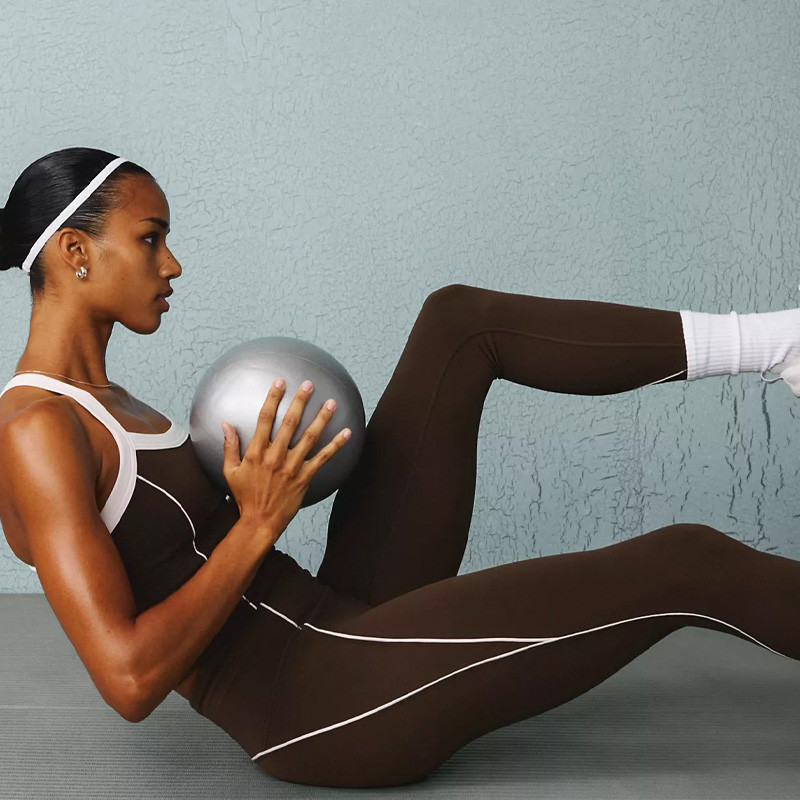
A closer look at Lululemon's homepage reveals a brown activewear jumpsuit featured in its current banner. Its presence offers an interesting example of how a one-piece silhouette can be presented within a premium activewear collection.
For brands exploring new product opportunities, this raises an important question: what makes an activewear jumpsuit suitable for yoga, Pilates and fitness, and what should manufacturers consider when developing one?
Unlike traditional two-piece outfits, an activewear jumpsuit combines a top and bottom into one garment. Its streamlined silhouette and coordinated appearance make it an appealing option for brands looking to expand their women's activewear collections.
However, developing a successful workout jumpsuit involves more than combining a sports bra and leggings. Fabric stretch and recovery, torso length, bust support, crotch construction, coverage and ease of movement all influence the final product.
For activewear brands, the key is to understand which jumpsuit designs work for different activities and how to select the right materials and construction details before bulk production.
In this guide, we explore the benefits of activewear jumpsuits for yoga and fitness, compare suitable fabric options, explain essential design considerations and outline how brands can develop a product that balances comfort, performance and commercial appeal.
01. What Is an Activewear Jumpsuit?
An activewear jumpsuit (also referred to as a unitard for tight, performance-focused styles) is a one-piece athletic garment that integrates the top and bottom into a single construction. It differs greatly from casual, loose-fitting utility jumpsuits which are designed for streetwear rather than sports mobility.
It is critical to clarify terminology for your product line and listing copy:
- Activewear Jumpsuit / Unitard: Tight or semi-fitted, full-length one-piece for yoga, fitness, Pilates. Built with stretch performance fabric, supportive bust section, gusset crotch, designed for deep bending, stretching and training. This is the product this guide covers.
- Short Unitard: One-piece with shorts-length legs, common for dance, barre, hot studio workouts.
- Separate Yoga Set (bra + leggings): Two-piece combination. Most mainstream yoga apparel, flexible for mix-and-match but prone to waistband rolling, shifting and gaping during twists and inversions.
- Casual Jumpsuit: Woven cotton, linen or non-performance knit, loose cut, no compression, not suitable for sweaty training. Avoid labeling these styles as unitards or workout jumpsuits.
When you work with AOLAFREE, a professional activewear manufacturer in China, our design team will help you lock the correct naming system for your Shopify or social listings, so your SEO keywords match the actual product construction and avoid buyer confusion.
02. Benefits of Wearing Jumpsuits for Yoga and Fitness
Before adding this SKU to your collection, it helps to understand both consumer advantages and inherent limitations, so your product positioning stays realistic.
Core Advantages
- Reduced Waistband Shifting and Garment Separation: Unlike separate tops and leggings, a one-piece jumpsuit connects the upper and lower body in a single garment. This can reduce the gap between the top and waistband during movements such as forward folds, twists and downward dog. However, this benefit depends on proper torso length, fabric recovery and overall fit. A poorly fitted jumpsuit may still pull at the shoulders or crotch during movement.
- Clean, streamlined aesthetic: The unified silhouette looks polished for studio classes, social media content and athleisure street wear. It is highly photo-friendly, which resonates with DTC fitness brands and influencer marketing.
- Consistent compression across torso and hips: Fabric compression stays evenly distributed, rather than splitting between bra elastic and legging waist elastic.
- Fast dressing for classes: One single garment to put on, ideal for customers rushing to back-to-back yoga or gym sessions.
- Simplified outfit coordination: A one-piece design simplifies outfit coordination and gives brands another option for building coordinated activewear collections.
Key Limitations to Communicate in Product Design & Descriptions
- Harder bathroom access: This is the most common customer complaint. Designs for high-end fitness jumpsuits need thoughtful low-back or snap/zip options if targeting long workout sessions.
- Higher fit risk: Torso length becomes a new critical fit variable. A customer who fits leggings and bra separately may not fit a jumpsuit well if their torso is unusually long or short.
- Higher production cost: More pattern pieces, complex grading and crotch gusset construction, compared to standalone leggings or sports bras.
- Lower mix-and-match flexibility: Consumers cannot swap out the top or bottom separately when one piece wears out.
Balancing these pros and cons helps you decide whether your brand should launch entry-level, premium or niche performance jumpsuit lines.
03. How to Choose the Right Fabric for Activewear Jumpsuits
Fabric choice directly impacts stretch recovery, squat proof performance, sweat wicking, hand feel and price tier. Jumpsuits are under constant tension across the torso, hip and crotch. The fiber composition alone does not determine the performance of an activewear jumpsuit. Yarn quality, fabric construction, GSM, elastane content and finishing treatments all influence stretch, recovery, opacity and moisture management.
| Fabric Option | Key Characteristics | Suitable Applications |
|---|---|---|
| Nylon-Spandex | Soft hand feel, stretch and recovery potential, smooth surface. Actual recovery performance depends on yarn quality, fabric structure and elastane specification. | Premium Yoga, Pilates |
| Polyester-Spandex | Versatile performance fabric. Moisture management is achieved through fabric structure and functional finishing, not guaranteed by polyester fiber itself. | Gym, Training, Running |
| Recycled Polyester-Spandex (rPET) | Recycled material sourcing option. Performance depends on yarn quality and finished fabric testing. Recycled content can be verified with qualified supply chain certification such as GRS. | Sustainability-focused Activewear |
| Cotton-Spandex | Soft touch and casual comfort, generally limited compression and slower drying performance. | Lifestyle, Low-impact Activities |
| Lyocell (Tencel) Blends | Soft touch and breathable fabric options. Stretch and recovery are determined by blend ratio and knit construction. | Lounge, Low-impact Yoga |
Important certification note: GRS focuses on recycled material content, supply chain traceability, environmental and social compliance. OEKO-TEX Standard 100 tests for harmful substances. The two certifications serve separate purposes; OEKO-TEX certification does not confirm recycled material content.
Additional fabric checks you must run before bulk order: squat proof test, pilling resistance test, stretch & recovery test, colour fastness to perspiration. Working with AOLAFREE, China’s custom activewear supplier, you can request fabric swatches and lab test reports before sampling.
04. Key Design Details That Affect Jumpsuit Performance
Many failed jumpsuit products look great on the mood board but break down during movement, mostly due to overlooked construction details.
-
Crotch Gusset Construction
The gusset is an important construction detail in fitted activewear jumpsuits. Depending on its shape, placement and fabric direction, it can provide additional room for movement, distribute seam stress and improve comfort during stretching and bending. Diamond-shaped and rectangular gussets are two possible construction options. The right choice depends on the pattern, intended activity and desired fit. During sample development, brands should evaluate crotch coverage, seam tension, fabric pulling and comfort through squats, lunges and wide-leg movements.
-
Bust Support & Cup Construction
Options: shelf bra with elastic band, removable moulded cups, underbust power mesh lining. Low-impact yoga styles can use thin shelf bra; fitness and strength training jumpsuits require reinforced underbust bands and structured cups. Wide, stable underbust elastic prevents sagging during inversions.
-
Shoulder Straps & Back Design
Thin spaghetti straps are fashionable but offer limited support. Racerback, cross-back and wide strap designs distribute weight better for active use. Adjustable straps add fit flexibility for varying torso lengths, a huge upgrade for plus size or tall ranges.
-
Torso Length Grading
This separates a good jumpsuit from a bad one. Standard sizing must grade torso length alongside bust, hip and inseam. Many brands only grade hip and bust, resulting in jumpsuits that ride up on tall customers or bunch around the crotch on shorter customers.
-
Seams & Stitching
Flatlock seams can help reduce seam bulk and friction in selected areas, while overlock and coverstitch constructions may also be appropriate depending on the garment design and production requirements.
-
Hem & Inseam
Full-length jumpsuits for yoga should hit at ankle; cropped 7/8 length is a popular commercial variant. Inseam measurement must align with your target height range.
05. Choosing the Right Jumpsuit for Different Activities
One fabric and one pattern cannot serve every workout. Build your SKU matrix based on end use:
- Hatha / Yin / Restorative Yoga
Priority: Ultra soft fabric, matte finish, gentle compression, full coverage. Focus on comfort over heavy sweat wicking. Great for studio-focused brands.
- Vinyasa / Hot Yoga
Priority: Lightweight fabrics with suitable moisture-management properties, reliable stretch recovery and comfort during extended wear. Colorfastness to perspiration is critical. Mesh panels or additional lining can be considered where the design requires them, but should not compromise breathability or coverage.
- Pilates & Barre
Medium compression, stable bust support, squat-proof fabric. Clean minimalist silhouettes are preferred by Pilates studio shoppers.
- Strength Training & HIIT / Cardio
High recovery fabric, sturdy underbust support, sweat-wicking, abrasion resistant. These customers jump, run and lift, so seams and elastic must be durable.
- Athleisure / Everyday Street Wear
Semi-fitted cuts, fashion colourways, subtle branding. You can relax compression requirements, prioritise visual design for coffee runs and errands.
It is common for brands to launch one core style for yoga and a separate heavier performance version for gym training.
06. Fit, Sizing and Comfort: What Brands Should Test
Sizing testing is non-negotiable for one-piece garments. We recommend structured fit panels with testers across your target size range and height spectrum.
- Torso fit test checklist: Does the crotch pull down when arms raise overhead? Does the bust ride up in forward fold? Does fabric bunch around the waist on short torsos?
- Movement test library: Forward fold, downward dog, plank, deep squat, lunge, twist, jumping jack. Check for transparency, seam stress, restriction and rolling.
- Size grading rules: When you grade up from XS to XL, increase torso length, bust circumference, hip circumference and gusset size proportionally. Do not only widen the hip.
- On & off usability: Test how easily customers can pull the garment over hips and shoulders. Tight high-recovery fabrics can be difficult to get on without stretch panels or flexible back openings.
- Fabric dimensional stability after washing: Verify whether torso length and inseam change after laundering, which directly impacts long-term fit consistency.
- Seam strength and stitch performance under repeated stretching: Focus on high-stress zones including shoulders, crotch and underbust seams.
- Extended wear trials: Conduct extended wear trials under realistic activity conditions to evaluate seam comfort, elastic pressure, moisture retention and overall fit.
Fit feedback collected at the sample stage saves thousands of units of bulk production waste later.
07. How to Develop a Custom Activewear Jumpsuit
Follow this step-by-step workflow for custom private label jumpsuit development with an activewear manufacturer:
- Confirm your brief: Define target activity, fabric selection, colour palette, cup support type, sizing range, certifications (GRS / OEKO-TEX), budget and project timeline.
- Select fabric & receive swatches: Lock fabric composition, GSM, finish and test reports before pattern creation.
- Pattern drafting: The pattern maker creates block patterns with dedicated torso grading and gusset construction for jumpsuits.
- First prototype sample: Fit sample for checking silhouette, length, support and mobility. This sample is not for sales.
- Revisions & second / third sample: Adjust torso length, elastic tension, strap width, gusset shape based on fit tester feedback.
- Pre-production sample (PP sample): Final version matching bulk fabric, trims, labels, printing and stitching for your approval.
- Bulk production, quality inspection and packing.
What Should Brands Confirm Before Bulk Production?
| Development Item | What to Confirm |
|---|---|
| MOQ | Minimum order quantity for the selected construction and fabric |
| Fabric | Composition, GSM, color and performance requirements |
| Sampling | Sample cost, development time and revision process |
| Branding | Logo, labels, printing and packaging |
| Fit Approval | Approved sample, size chart and grading specifications |
| Production | Lead time, quality inspection and packing requirements |
Working with AOLAFREE activewear manufacturer streamlines this whole cycle, we provide end-to-end OEM & ODM service for custom yoga and fitness apparel for global private-label brands.
08. Final Considerations for Activewear Brands
Before committing to a jumpsuit SKU, run through this pre-launch checklist:
- Does your product description clearly state activity suitability, fabric composition and care instructions?
- Have you planned customer FAQs addressing bathroom access and torso fit concerns?
- Do you have enough high-quality lifestyle and movement photos to show fit and stretch on diverse models?
- Have you confirmed lead time, MOQ, certification documentation and quality control standards with your manufacturer?
- Will you offer this as a hero premium SKU, or add it as one item inside a larger yoga apparel capsule collection?
Custom one-piece activewear jumpsuits are a promising category, but they reward brands that prioritise fit engineering and construction detail over only visual design. When executed well, they become standout hero products that attract yoga studios, fitness influencers and repeat DTC customers.
Ready to launch your women’s workout jumpsuit line? Contact our team to discuss custom design, fabric options and sample requests.